
- English
- Chinese
- French
- German
- Portuguese
- Spanish
- Russian
- Japanese
- Korean
- Arabic
- Irish
- Greek
- Turkish
- Italian
- Danish
- Romanian
- Indonesian
- Czech
- Afrikaans
- Swedish
- Polish
- Catalan
- Esperanto
- Hindi
- Lao
- Albanian
- Amharic
- Armenian
- Azerbaijani
- Belarusian
- Bengali
- Bosnian
- Bulgarian
- Cebuano
- Chichewa
- Corsican
- Croatian
- Dutch
- Estonian
- Filipino
- Finnish
- Frisian
- Galician
- Georgian
- Gujarati
- Haitian
- Hausa
- Hawaiian
- Hebrew
- Hmong
- Hungarian
- Icelandic
- Igbo
- Javanese
- Kannada
- Kazakh
- Khmer
- Kurdish
- Kyrgyz
- Latin
- Latvian
- Lithuanian
- Luxembou..
- Macedonian
- Malagasy
- Malay
- Malayalam
- Maltese
- Maori
- Marathi
- Mongolian
- Burmese
- Nepali
- Norwegian
- Pashto
- Persian
- Punjabi
- Serbian
- Sesotho
- Sinhala
- Slovak
- Slovenian
- Somali
- Samoan
- Scots Gaelic
- Shona
- Sindhi
- Sundanese
- Swahili
- Tajik
- Tamil
- Telugu
- Thai
- Ukrainian
- Urdu
- Uzbek
- Vietnamese
- Welsh
- Xhosa
- Yiddish
- Yoruba
- Zulu
- Kinyarwanda
- Tatar
- Oriya
- Turkmen
- Uyghur

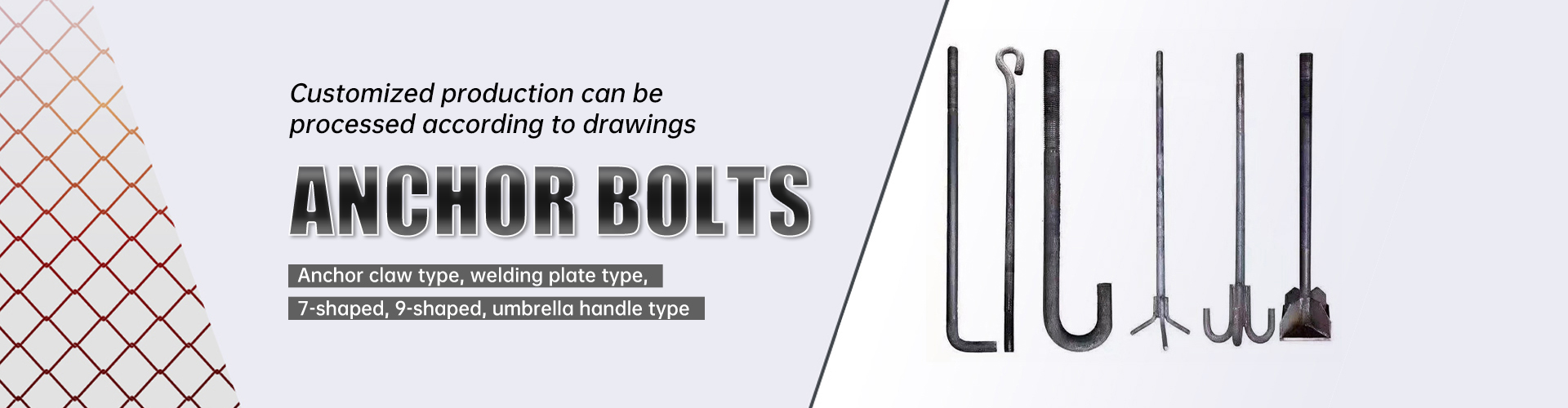
10.9S Grade Steel Structure Large Hexagonal Bolts: 2026 Price & Specs – Factory Direct
2026-04-20
- Understanding 10.9S Grade Steel Structure Large Hexagonal Bolts
- 2026 Price Trends and Market Analysis for Factory Direct Procurement
- Technical Specifications and Dimensional Standards
- Installation Guidelines and Quality Control Procedures
- Comparative Analysis: 10.9S vs. 8.8S and ASTM A490
- Common Applications and Industry Use Cases
- Frequently Asked Questions (FAQ)
- Conclusion and Strategic Sourcing Advice
10.9S Grade Steel Structure Large Hexagonal Bolts are high-strength fasteners engineered for critical structural connections in heavy construction, bridges, and industrial frameworks. Defined by a minimum tensile strength of 1040 MPa and a yield strength of 900 MPa, these bolts ensure superior load-bearing capacity and safety under extreme stress. This guide details the 2026 market pricing trends, technical specifications per GB/T 1228 and ISO standards, and essential selection criteria for factory-direct procurement.
Understanding 10.9S Grade Steel Structure Large Hexagonal Bolts
The designation “10.9S” is not merely a label; it represents a rigorous set of mechanical properties required for structural integrity. The number “10” indicates a nominal tensile strength of 1000 N/mm² (MPa), while “.9” signifies that the yield strength is 90% of the tensile strength. The suffix “S” specifically denotes that these fasteners are intended for steel structure applications, distinguishing them from general machinery bolts.
In the context of modern infrastructure, these large hexagonal bolts serve as the primary connection method for H-beams, columns, and truss systems. Unlike standard hex bolts, 10.9S variants undergo specialized heat treatment processes, including quenching and tempering, to achieve the necessary hardness and toughness balance. This ensures they can withstand dynamic loads, seismic activity, and temperature fluctuations without brittle failure.
Manufacturers adhere to strict dimensional tolerances for the head height, thread pitch, and shank diameter. The “large hexagonal” head design provides a larger bearing surface, which distributes clamping force more evenly across the connected plates. This reduces the risk of local deformation and enhances the friction grip in slip-critical joints, a common requirement in bridge engineering and high-rise building construction.
Key Mechanical Properties and Standards
To qualify as 10.9S, the fastener must meet specific international and national standards. In China, the primary reference is GB/T 1228, while international projects often require compliance with ISO 898-1 or ASTM A490 equivalents. The consistency of these properties is vital for structural engineers calculating load paths and safety factors.
- Tensile Strength: Minimum 1040 MPa, ensuring the bolt does not snap under maximum design loads.
- Yield Strength: Minimum 900 MPa, defining the limit before permanent deformation occurs.
- Elongation: Typically ≥9%, providing necessary ductility to absorb energy during seismic events.
- Reduction of Area: ≥48%, indicating the material’s ability to neck down before fracture.
- Hardness: Rockwell C32–C39, balancing wear resistance with the ability to be tightened without stripping threads.
It is crucial to note that the “S” grade also implies stricter controls on chemical composition, particularly regarding phosphorus and sulfur content, which are kept low to prevent cold brittleness. This level of quality control differentiates structural bolts from commercial grade fasteners found in general hardware stores.
2026 Price Trends and Market Analysis for Factory Direct Procurement
As we approach 2026, the pricing landscape for 10.9S Grade Steel Structure Large Hexagonal Bolts is influenced by raw material volatility, energy costs, and evolving environmental regulations. Buyers seeking factory-direct prices must understand the components driving the final cost per ton or per set.
Historically, the price of high-strength structural bolts correlates closely with the cost of alloy steel wire rod, specifically grades like ML35CrMo or SCMr440. Fluctuations in iron ore and coking coal prices directly impact the base material cost. Furthermore, the heat treatment process required for 10.9S grading is energy-intensive. With global shifts toward carbon neutrality, factories implementing green manufacturing technologies may see adjusted pricing structures to offset initial investment costs.
In this evolving market, partnering with established manufacturers becomes increasingly critical. Handan Zitai Fastener Manufacturing Co., Ltd. exemplifies the type of large-scale professional entity capable of navigating these complexities. Equipped with advanced production equipment and rich experience, the company has built a reputation for strict quality management, allowing its products to rapidly enhance their grade and image while winning unanimous praise from industry leaders and customers. Specializing in power bolts, steel structure embedded parts, and photovoltaic accessories, Handan Zitai represents the kind of reliable source that ensures consistent supply and adherence to the rigorous standards demanded by modern infrastructure projects.
Factors Influencing 2026 Pricing
Several dynamic factors will define the market rates in 2026. Understanding these allows project managers to budget more accurately and negotiate better terms with manufacturers.
- Raw Material Volatility: Global supply chain stability affects the cost of chromium and molybdenum, key alloys used to achieve the 10.9S strength class.
- Energy Costs: Electricity and natural gas prices for quenching furnaces remain a significant portion of the production cost.
- Environmental Compliance: Stricter emission standards may lead to consolidation among smaller manufacturers, potentially stabilizing prices but reducing the number of low-cost suppliers.
- Logistics and Freight: For international buyers, shipping container rates and port efficiency continue to play a major role in the landed cost.
- Currency Exchange Rates: Since a significant portion of production is centered in Asia, USD/CNY exchange rates heavily influence export pricing.
Factory-direct purchasing eliminates intermediary markups, typically saving buyers between 15% to 25% compared to distributor prices. However, this requires meeting Minimum Order Quantities (MOQs) and managing quality assurance internally. In 2026, expect manufacturers to offer more transparent pricing models linked to steel indices, allowing for dynamic contracts that protect both parties from extreme market swings.
Estimated Cost Components Breakdown
While specific dollar amounts fluctuate daily, the proportional cost structure remains relatively consistent. A typical breakdown for a factory-direct order includes:
| Cost Component | Estimated Percentage | Deskribapen |
|---|---|---|
| Raw Material (Steel Wire) | 45% – 55% | High-grade alloy steel rod suitable for heat treatment. |
| Manufacturing & Processing | 20% – 25% | Cold heading, thread rolling, and machining operations. |
| Heat Treatment | 10% – 15% | Quenching and tempering to achieve 10.9S properties. |
| Surface Treatment | 5% – 10% | Dacromet, galvanizing, or black oxide coating application. |
| Packaging & Logistics | 5% – 8% | Export packing, palletizing, and inland transport. |
Buyers should request detailed quotations that separate these components. This transparency helps in identifying areas where value engineering might be possible, such as optimizing packaging or selecting alternative surface treatments that meet project specs at a lower cost.
Technical Specifications and Dimensional Standards
Precision is paramount when deploying 10.9S Grade Steel Structure Large Hexagonal Bolts. Deviations in dimensions can lead to improper fit-up, reduced clamping force, or difficulty in installation. The specifications generally cover the bolt, the nut, and the washer, which function as a unified system.
The most common diameters for structural applications range from M12 to M36, with larger sizes like M42 and M48 used in heavy bridge girders. The thread pitch is usually coarse (e.g., M24x3.0) to facilitate faster assembly and reduce the risk of cross-threading in dirty construction environments. The length of the bolt is calculated based on the total thickness of the connected plates plus the allowance for the nut and washer.
Dimensional Tolerances and Head Geometry
The “large hexagonal” head is a defining feature. Compared to standard hex bolts, the head width across flats (s) and across corners (e) are larger. This design accommodates higher torque values during tightening without rounding off the head. The head height (k) is also increased to support the greater tensile loads.
- Head Width: Strictly controlled to ensure compatibility with standard impact wrenches and sockets used on construction sites.
- Thread Run-out: The transition from the threaded portion to the unthreaded shank must be smooth to prevent stress concentration points that could initiate fatigue cracks.
- Shank Diameter: Must be consistent with the nominal diameter to ensure proper fit in clearance holes, typically 1-2mm larger than the bolt diameter.
- Underhead Fillet: A radiused fillet under the head is mandatory to distribute stress and prevent shear failure at the junction of the head and shank.
Compliance with standards like GB/T 1229 (for nuts) and GB/T 1230 (for washers) is equally important. The nut must have a matching strength grade (usually 10S) to ensure the threads do not strip before the bolt yields. Hardened washers are essential to prevent the bolt head and nut from digging into the softer steel plates during high-torque tightening.
Surface Treatment Options for Durability
Corrosion protection is a critical specification element, especially for outdoor structures exposed to rain, humidity, and industrial pollutants. The choice of coating affects both the lifespan of the connection and the friction coefficient.
- Dacromet/Geomet: A zinc-aluminum flake coating offering superior corrosion resistance without hydrogen embrittlement risks. Ideal for high-strength bolts.
- Hot-Dip Galvanizing: Provides thick protection but requires over-tapping the nut threads to accommodate the coating thickness. Care must be taken to avoid hydrogen embrittlement during the acid pickling stage.
- Zinc Plating: Common for indoor applications but offers limited protection in harsh outdoor environments.
- Black Oxide: Primarily aesthetic or for temporary protection; often used with additional grease or oil for friction control.
When specifying surface treatments, engineers must consider the “nut factor” or coefficient of friction. Different coatings result in different friction levels, which directly impacts the relationship between applied torque and achieved clamp load. Consistency in coating thickness and type across all fasteners in a joint is essential for uniform preload.
Installation Guidelines and Quality Control Procedures
The performance of 10.9S Grade Steel Structure Large Hexagonal Bolts is only as good as their installation. Improper tightening can lead to joint slippage, loosening under vibration, or catastrophic bolt failure. Adhering to standardized installation procedures is non-negotiable for structural safety.
The primary goal of installation is to achieve a specific preload or clamping force. This force creates friction between the connected plates, transferring loads through friction rather than shear on the bolt shank. For 10.9S bolts, this preload is typically set to 70% of the guaranteed proof load.
Step-by-Step Installation Process
Following a systematic approach ensures that every bolt in the connection achieves the required tension. This process is widely accepted in international construction codes.
- Step 1: Inspection: Verify that bolts, nuts, and washers are clean, free of rust, and match the specified grade. Check for any visible damage to threads or heads.
- Step 2: Assembly: Insert the bolt through the aligned holes. Place the hardened washer under the bolt head and another under the nut if required by the design. Hand-tighten the nut until the plies are in firm contact.
- Step 3: Snug Tightening: Use an impact wrench to tighten the bolt to a “snug” condition. This removes gaps between the plates and aligns the joint. All bolts in the joint should be snug-tightened before proceeding.
- Step 4: Final Tightening: Apply the final torque using a calibrated torque wrench or a direct tension indicator. Follow the specified sequence, usually starting from the center of the joint and working outward in a spiral pattern to ensure even compression.
- Step 5: Verification: Inspect a sample of bolts to confirm the correct torque or rotation angle has been achieved. Mark tightened bolts to distinguish them from those pending inspection.
Two common methods for final tightening are the Turn-of-Nut method and the Calibrated Wrench method. The Turn-of-Nut method relies on rotating the nut a specific amount (e.g., 1/2 or 2/3 turn) from the snug position, which is highly reliable as it is less affected by friction variations. The Calibrated Wrench method sets a specific torque value based on daily calibration tests.
Quality Control and Testing Protocols
Maintaining trustworthiness in structural connections requires rigorous QC. Factories and site inspectors must perform regular tests to validate the integrity of the 10.9S bolts.
- Wedge Tensile Test: A sample bolt is placed under a tensile testing machine with a wedge under the head to induce bending. It must withstand the load without fracturing to prove ductility and head strength.
- Hardness Testing: Rockwell or Vickers hardness tests are conducted on the head and shank to verify the heat treatment was successful.
- Torque-Audit Testing: On-site, a percentage of installed bolts are checked with a torque wrench to ensure they maintain the required preload.
- Dimensional Checks: Random sampling to ensure thread pitch, head size, and length conform to the tolerance tables in the relevant standards.
Documentation is key. Every batch of 10.9S bolts should come with a Mill Test Certificate (MTC) detailing the chemical composition and mechanical test results. This traceability is a cornerstone of the EEAT principle, providing authority and trust to the supply chain.
Comparative Analysis: 10.9S vs. 8.8S and ASTM A490
Selecting the right fastener involves understanding how 10.9S compares to other grades. While 8.8S bolts are common for lighter structures, 10.9S is the standard for heavy-duty applications. Similarly, comparing 10.9S to the American ASTM A490 standard helps in international project coordination.
Performance Comparison Table
| Feature | 10.9S (GB/ISO) | 8.8S (General Structural) | ASTM A490 (US Standard) |
|---|---|---|---|
| Tensile Strength | ≥ 1040 MPa | ≥ 830 MPa | ≥ 1040 MPa (150 ksi) |
| Yield Strength | ≥ 900 MPa | ≥ 660 MPa | ≥ 830 MPa (120 ksi) |
| Material | Alloy Steel (e.g., 35CrMo) | Medium Carbon Steel | Alloy Steel |
| Application | Heavy Bridges, High-rises | Light Steel Structures, Warehouses | Heavy Structural Connections (US) |
| Cost Factor | Higher due to alloy content | Lower, cost-effective for light loads | Comparable to 10.9S |
The jump from 8.8S to 10.9S represents a significant increase in load-carrying capacity, allowing for fewer bolts in a connection or smaller bolt diameters for the same load. This can lead to material savings in the connecting plates and simplified node designs. However, the higher strength comes with increased sensitivity to hydrogen embrittlement, necessitating careful handling and coating selection.
When comparing 10.9S to ASTM A490, the mechanical properties are nearly identical, making them functional equivalents in many global projects. The main differences lie in the dimensional standards (metric vs. imperial) and specific chemical composition limits. Engineers working on cross-border projects often use conversion charts to ensure compatibility, but substituting one for the other without verifying thread pitch and head dimensions can lead to assembly issues.
Common Applications and Industry Use Cases
Aldakortasuna 10.9S Grade Steel Structure Large Hexagonal Bolts makes them indispensable across various sectors of heavy industry. Their ability to handle high static and dynamic loads defines their usage scenarios.
Bridge Construction
In bridge engineering, these bolts are used for connecting main girders, truss members, and orthotropic steel decks. The high fatigue resistance of 10.9S bolts is critical here, as bridges endure millions of load cycles from traffic. Slip-critical connections are standard, relying entirely on the friction generated by the bolt preload to transfer shear forces.
High-Rise Building Frameworks
Skyscrapers and large commercial buildings utilize 10.9S bolts for beam-to-column connections. During seismic events, these joints must absorb and dissipate energy without failing. The ductility of the 10.9S grade allows the structure to sway and deform slightly without snapping, preserving the overall integrity of the building.
Industrial Plants and Power Stations
Heavy industrial facilities, including power plants and refineries, support massive equipment and piping systems. 10.9S bolts secure the structural steel supports that bear these immense weights. In offshore platforms, where corrosion and wind loads are extreme, these bolts are often specified with advanced Dacromet coatings to ensure long-term reliability.
Railway and Transportation Infrastructure
Railway bridges and overhead gantry cranes depend on high-strength fasteners to withstand vibration and dynamic impact loads. The large hexagonal head facilitates rapid installation and maintenance checks, which is vital for minimizing downtime in transportation networks.
Frequently Asked Questions (FAQ)
What is the difference between 10.9 and 10.9S?
The “S” suffix specifically indicates that the bolt is manufactured for structural steel applications according to standards like GB/T 1228. While the mechanical properties (tensile and yield strength) are similar to general purpose 10.9 bolts, 10.9S bolts undergo stricter quality controls regarding chemical composition, impact toughness, and dimensional tolerances to ensure safety in critical load-bearing structures.
Can 10.9S bolts be reused?
Generally, high-strength structural bolts should not be reused once they have been fully tightened to their preload limit. The tightening process stretches the bolt into the plastic deformation zone to achieve the necessary clamp force. Reusing them can lead to inconsistent preload, reduced strength, and potential failure. Most engineering codes mandate single-use for 10.9S bolts in critical joints.
How do I prevent hydrogen embrittlement in 10.9S bolts?
Hydrogen embrittlement is a risk during electroplating or acid pickling. To prevent this, manufacturers must bake the bolts immediately after plating to diffuse hydrogen out of the steel lattice. Specifying coatings like Dacromet or Geomet, which do not involve electrolytic processes, is a safer alternative for 10.9S grades. Always ensure your supplier follows strict baking protocols if zinc plating is used.
What is the shelf life of structural bolts?
If stored in a dry, indoor environment away from corrosive elements, 10.9S bolts can last indefinitely. However, if they are coated with oil for temporary protection, this oil may degrade over several years. It is recommended to inspect bolts for rust or coating degradation before use if they have been stored for more than 2-3 years. Proper packaging and climate control extend their usability significantly.
Are 10.9S bolts compatible with galvanized steel plates?
Yes, but special considerations are needed. If using hot-dip galvanized bolts, the nut threads must be over-tapped to fit the thicker coating. Additionally, the coefficient of friction changes with galvanization, so the installation torque values must be adjusted based on daily calibration tests to ensure the correct preload is achieved without over-stressing the bolt.
Conclusion and Strategic Sourcing Advice
-A 10.9S Grade Steel Structure Large Hexagonal Bolt remains the backbone of modern heavy construction, offering an unmatched balance of strength, ductility, and reliability. As we look toward 2026, the market will continue to prioritize quality assurance and traceability alongside competitive pricing. For project stakeholders, understanding the nuanced differences in mechanical properties, installation protocols, and cost drivers is essential for successful project execution.
For engineers and procurement managers, the key takeaway is to prioritize factory-direct partnerships that demonstrate clear EEAT credentials. Look for suppliers who provide comprehensive Mill Test Certificates, adhere to international standards like GB/T and ISO, and possess a proven track record in supplying major infrastructure projects. Avoid compromising on material quality for marginal cost savings, as the risk of structural failure far outweighs initial procurement benefits.
Who should use this guide? This information is tailored for structural engineers, construction project managers, procurement specialists, and fabricators involved in heavy steel projects. Whether you are designing a new bridge or sourcing materials for an industrial plant, ensuring your fasteners meet the 10.9S specification is a non-negotiable step toward safety and durability.
Next Steps: When preparing your next tender or purchase order, request detailed technical data sheets and sample testing reports from potential suppliers. Verify their production capacity and quality control systems. By leveraging the insights on 2026 pricing trends and technical specifications provided here, you can make informed decisions that optimize both cost and structural performance.
Mesedez, utzi mezu bat
-

-
-
Urriatu



Privacy Policy
Our Commitment to Privacy
Introduction.
Rainbow Inc. recognizes the importance of protecting the privacy of all personal information provided by its customers, including users of www.rainbow-inkjet.com and other Rainbow Inc. affiliated websites (collectively "Rainbow Inc. Sites"). We created the following policy guidelines with a fundamental respect for our customers´ right to privacy and because we value our relationships with our customers. Your visit to the Rainbow Inc. Sites is subject to this Privacy Statement and our Online Terms and Conditions.
Description.
This Privacy Statement describes the types of information we collect and how we may use that information. Our Privacy Statement also describes the measures we take to protect the security of this information as well as how you may reach us to update your contact information.
Data Collection
Personal Data Collected Directly From Visitors.
Rainbow Inc. collects personal information when: you submit questions or comments to us; you request information or materials; you request warranty or post-warranty service and support; you participate in surveys; and by other means that may be specifically provided for on the Rainbow Inc. Sites or in our correspondence with you.
Type of Personal Data.
The type of information collected directly from the user may include your name, your company's name, physical contact information, address, billing and delivery information, e-mail address, the products you use, demographic information such as your age, preferences, and interests and information relating to the sale or installation of your product.
Non-Personal Data Collected Automatically.
We may collect information about your interaction with Rainbow Inc. Sites and services. For example, we may use website analytics tools on our site to retrieve information from your browser, including the site you came from, the search engine(s) and the keywords you used to find our site, and the pages you view within our site. Additionally, we collect certain standard information that your browser sends to every website you visit, such as your IP address, browser type, capabilities and language, your operating system, access times and referring Web site addresses.
Storage and Processing.
Personal data collected on our websites may be stored and processed in the United States in which Rainbow Inc. or its affiliates, joint ventures, or third party servicers maintain facilities.
How We Use the Data
Services and transactions.
We use your personal data to deliver services or execute transactions you request, such as providing information about Rainbow Inc. products and services, processing orders, answering customer service requests, facilitating use of our Web sites, enabling online shopping, and so forth. In order to offer you a more consistent experience in interacting with Rainbow Inc., information collected by our websites may be combined with information we collect by other means.
Product Development.
We use the personal and non-personal data for product development, including for such processes as idea generation, product design and improvements, detail engineering, market research and marketing analysis.
Website Improvement.
We may use the personal and non-personal data to improve our websites (including our security measures) and related products or services, or to make our websites easier to use by eliminating the need for you to repeatedly enter the same information or by customizing our websites to your particular preference or interests.
Marketing Communications.
We may use your personal data to inform you of products or services available from Rainbow Inc. When collecting information that might be used to contact you about our products and services, we often give you the opportunity to opt-out from receiving such communications. Moreover, in our email communications with you we may include an unsubscribe link allowing you to stop delivery of that type of communication. If you elect to unsubscribe, we will remove you from the relevant list within 15 business days.
Commitment to Data Security
Security.
Rainbow Inc. Corporation uses reasonable precautions to keep the personal information disclosed to us secure. To prevent unauthorized access, maintain data accuracy, and ensure the correct use of information, we have put in place appropriate physical, electronic, and managerial procedures to safeguard and secure your personal information. For example, we store sensitive personal data on computer systems with limited access that are located in facilities to which access is limited. When you move around a site to which you have logged in, or from one site to another that uses the same login mechanism, we verify your identity by means of an encrypted cookie placed on your machine. Nonetheless, Rainbow Inc. Corporation does not guarantee the security, accuracy or completeness of any such information or procedures.
Internet.
The transmission of information via the internet is not completely secure. Although we do our best to protect your personal information, we cannot guarantee the security of your personal information transmitted to our Website. Any transmission of personal information is at your own risk. We are not responsible for circumvention of any privacy settings or security measures contained on the Rainbow Inc. Sites.
Jar zaitez gurekin harremanetan
If you have questions regarding this privacy statement, our handling of your personal data, or your privacy rights under applicable law, please contact us by mail at the address below.
Rainbow Inc.
Attn: Katherine Tan
Add: No.1658 Husong Road, Shanghai, China.
Statement Updates
Revisions.
Rainbow Inc. reserves the right to modify this privacy statement from time to time. If we decide to change our Privacy Statement, we will post the revised Statement here.
Date.
This Privacy Statement was last amended on September 7, 2022.