
- English
- Chinese
- French
- German
- Portuguese
- Spanish
- Russian
- Japanese
- Korean
- Arabic
- Irish
- Greek
- Turkish
- Italian
- Danish
- Romanian
- Indonesian
- Czech
- Afrikaans
- Swedish
- Polish
- Catalan
- Esperanto
- Hindi
- Lao
- Albanian
- Amharic
- Armenian
- Azerbaijani
- Belarusian
- Bengali
- Bosnian
- Bulgarian
- Cebuano
- Chichewa
- Corsican
- Croatian
- Dutch
- Estonian
- Filipino
- Finnish
- Frisian
- Galician
- Georgian
- Gujarati
- Haitian
- Hausa
- Hawaiian
- Hebrew
- Hmong
- Hungarian
- Icelandic
- Igbo
- Javanese
- Kannada
- Kazakh
- Khmer
- Kurdish
- Kyrgyz
- Latin
- Latvian
- Lithuanian
- Luxembou..
- Macedonian
- Malagasy
- Malay
- Malayalam
- Maltese
- Maori
- Marathi
- Mongolian
- Burmese
- Nepali
- Norwegian
- Pashto
- Persian
- Punjabi
- Serbian
- Sesotho
- Sinhala
- Slovak
- Slovenian
- Somali
- Samoan
- Scots Gaelic
- Shona
- Sindhi
- Sundanese
- Swahili
- Tajik
- Tamil
- Telugu
- Thai
- Ukrainian
- Urdu
- Uzbek
- Vietnamese
- Welsh
- Xhosa
- Yiddish
- Yoruba
- Zulu
- Kinyarwanda
- Tatar
- Oriya
- Turkmen
- Uyghur

2026 Complete Guide to China Bending Lightning Arrester Card Supplier
2026-05-29
Alai
- Understanding the Bending Lightning Arrester Card in Modern Power Systems
- Critical Technical Specifications for 2026 Procurement
- Evaluating China Bending Lightning Arrester Card Suppliers
- Application Scenarios and Engineering Considerations
- Step-by-Step Guide to Sourcing and Procurement
- Common Mistakes to Avoid When Buying from China
- Maintenance and Lifecycle Management
- Frequently Asked Questions (FAQ)
- Future Trends in Lightning Protection Technology
- Conclusion and Strategic Recommendations
Our 2026 Complete Guide to China Bending Lightning Arrester Card Supplier provides an in-depth analysis of sourcing, technical specifications, and manufacturing standards for bending lightning arrester cards. This guide addresses critical procurement factors including material durability, discharge capacity, and compliance with international safety norms. We detail the selection process for reliable suppliers, outline common engineering challenges, and offer actionable insights for B2B buyers seeking high-performance surge protection components from verified Chinese manufacturers.
Understanding the Bending Lightning Arrester Card in Modern Power Systems
The bending lightning arrester card is a specialized component designed to protect electrical infrastructure from transient overvoltages caused by lightning strikes or switching surges. Unlike traditional rod-type arresters, the “card” configuration often refers to modular, flat-profile units integrated into compact switchgear or distribution boards. These devices utilize advanced metal oxide varistor (MOV) technology to clamp voltage spikes effectively.
In 2026, the demand for these components has surged due to the expansion of renewable energy grids and industrial automation in Asia. The term “bending” typically relates to the mechanical flexibility required during installation or the specific geometric design that allows the arrester to fit into tight enclosures without compromising dielectric strength. Understanding the core function of this device is the first step in identifying a competent supplier.
Core Functions and Operational Principles
The primary role of a bending lightning arrester card is to divert excessive current to the ground while maintaining system continuity. When a voltage spike exceeds the rated threshold, the internal non-linear resistor changes its state from high impedance to low impedance almost instantaneously. This action limits the voltage across protected equipment to a safe level.
- Rapid Response: Activation occurs within nanoseconds to prevent damage to sensitive electronics.
- Energy Absorption: High joule ratings ensure the device can handle multiple strike events without degradation.
- Thermal Stability: Advanced housing materials prevent thermal runaway during prolonged overvoltage conditions.
- Compact Integration: The card form factor facilitates easy mounting in dense control panels and outdoor cabinets.
Engineers prioritize these attributes when specifying components for substations, telecommunications towers, and industrial manufacturing plants. A reliable supplier must demonstrate mastery over these operational parameters to ensure grid reliability.
Critical Technical Specifications for 2026 Procurement
Selecting the right bending lightning arrester card requires a rigorous evaluation of technical data sheets. In the Chinese manufacturing landscape, specifications can vary significantly between factories. Buyers must focus on parameters that directly impact longevity and safety performance. The following metrics are non-negotiable for high-quality procurement in 2026.
Key Performance Indicators (KPIs)
The residual voltage ratio is perhaps the most critical metric. It defines how well the arrester limits voltage during a surge event. Lower ratios indicate superior protection capabilities. Additionally, the nominal discharge current (In) and maximum discharge current (Imax) determine the device’s capacity to withstand severe lightning strikes.
| Parameter | Deskribapen | Industry Standard Range (2026) | Significance |
|---|---|---|---|
| Nominal Voltage (Un) | Maximum continuous operating voltage | 220V – 1100kV (System dependent) | Ensures stable operation under normal load without leakage. |
| Residual Voltage (Ures) | Voltage remaining across terminals during discharge | < 2.5 x Un (Typical) | Directly correlates to the level of protection provided to downstream equipment. |
| Discharge Current (In/Imax) | Current handling capability (8/20µs wave) | 5kA to 40kA | Determines survival rate during direct or near-direct lightning hits. |
| Pressure Relief Rating | Safety mechanism during internal failure | High (IEC 60099-4 compliant) | Prevents explosion hazards by safely venting internal pressure. |
| Pollution Class | Resistance to environmental contaminants | Class C to Class E | Crucial for coastal or industrial environments with high salinity or dust. |
When reviewing supplier documentation, verify that these values are derived from Type Tests conducted by accredited laboratories. Generic claims without test reports should be treated with skepticism. The “bending” aspect of the card design must not compromise the creepage distance, which is vital for preventing flashovers in polluted environments.
Evaluating China Bending Lightning Arrester Card Suppliers
Navigating the Chinese supply chain for high-voltage components requires a strategic approach. While China hosts thousands of electrical manufacturers, only a subset possesses the engineering depth and quality control systems necessary for producing reliable bending lightning arrester cards. The evaluation process must go beyond price comparisons to assess technical competence and manufacturing integrity.
Manufacturing Capabilities and Quality Control
A top-tier supplier operates with fully automated production lines for MOV disc assembly and housing molding. Manual assembly introduces variability that can lead to premature failures. Look for facilities equipped with robotic glazing, vacuum pressure impregnation (VPI) systems, and laser welding technologies.
- Raw Material Sourcing: Verify the source of zinc oxide blocks. High-purity ZnO is essential for consistent non-linear characteristics.
- Housing Integrity: Silicone rubber housings should be injection-molded in clean-room environments to avoid air pockets that cause partial discharge.
- Testing Infrastructure: The factory must have an in-house high-voltage lab capable of performing power frequency withstand tests and impulse current tests.
- Traceability: Each unit should carry a unique serial number linking it to batch records and test data.
Engaging with a supplier who openly shares their quality control workflow demonstrates confidence in their product. Request virtual factory tours or third-party audit reports to validate these claims before committing to large orders.
Certification and Compliance Verification
Compliance with international standards is the baseline for export-quality arresters. In 2026, the relevant standards include IEC 60099-4, IEEE C62.11, and GB/T 11032. A credible supplier will provide valid certificates from recognized bodies such as KEMA, CESI, or SGCC.
Beware of suppliers who display expired certificates or generic “ISO 9001” badges without specific product type test reports. The certification must explicitly cover the specific model of the bending lightning arrester card you intend to purchase. Furthermore, check if the supplier adheres to environmental regulations like RoHS and REACH, which are increasingly mandatory for global projects.
Application Scenarios and Engineering Considerations
The versatility of the bending lightning arrester card allows it to be deployed in diverse environments. However, each application presents unique challenges that influence the selection criteria. Understanding these scenarios helps in communicating precise requirements to the supplier.
Industrial Manufacturing and Heavy Machinery
In heavy industries such as steel mills and chemical plants, electrical systems face frequent switching surges from large motors and transformers. Here, the bending lightning arrester card acts as a first line of defense for programmable logic controllers (PLCs) and variable frequency drives (VFDs).
The compact design is particularly advantageous in retrofitting older switchgear where space is limited. Engineers must specify units with high thermal dissipation capabilities to handle the heat generated by frequent minor surges. Corrosion resistance is also paramount in chemical environments.
Renewable Energy Integration
Solar farms and wind turbines are highly susceptible to lightning strikes due to their exposure and height. The DC side of solar inverters requires specialized arresters with higher DC voltage ratings. The bending card format fits seamlessly into combiner boxes, optimizing space utilization.
- UV Resistance: Outdoor installations require housings with superior UV stability to prevent cracking over decades of exposure.
- Wide Temperature Range: Components must operate reliably from -40°C to +70°C without performance drift.
- Low Leakage Current: Essential for maintaining efficiency in solar arrays where even micro-amp losses matter.
Suppliers specializing in renewable energy solutions often offer customized mounting brackets and connection terminals tailored to specific inverter brands. This level of customization indicates a mature supply chain partner.
Telecommunications and Data Centers
For telecom towers and data centers, signal integrity is as important as power safety. Bending lightning arrester cards used in these sectors often integrate gas discharge tubes (GDT) alongside MOVs to protect sensitive communication lines. The low capacitance of these hybrid designs prevents signal distortion.
Fast response times are critical here to protect high-speed data transmission equipment. Suppliers must demonstrate expertise in coordinating protection levels between the primary arrester and downstream sensitive electronics.
Step-by-Step Guide to Sourcing and Procurement
Securing a reliable supply of bending lightning arrester cards from China involves a structured procurement lifecycle. Skipping steps in this process can lead to receiving substandard goods that fail during critical moments. Follow this roadmap to minimize risk and ensure value.
Phase 1: Requirement Definition
Before contacting suppliers, clearly define your technical needs. Create a detailed specification sheet including system voltage, frequency, pollution class, and mechanical dimensions. Specify any unique requirements such as custom labeling, special terminal types, or specific packaging standards.
Phase 2: Supplier Screening
Identify potential suppliers through industry directories, trade shows, or verified B2B platforms. Filter candidates based on their years of experience in arrester manufacturing, export history, and available certifications. Shortlist three to five companies for deeper evaluation.
Phase 3: Technical Inquiry and Quotation
Send your specification sheet to the shortlisted suppliers. Request a formal quotation that includes unit price, MOQ (Minimum Order Quantity), lead time, and payment terms. Ask for preliminary datasheets and photos of similar products. Evaluate their responsiveness and technical clarity in their replies.
Phase 4: Sample Testing
Order samples from the top two candidates. Conduct independent testing in your local laboratory or a third-party facility. Focus on residual voltage, leakage current, and physical build quality. Do not rely solely on the supplier’s test reports at this stage.
Phase 5: Factory Audit and Contract Negotiation
If samples pass, schedule a factory audit (onsite or virtual). Inspect the production line, QC lab, and raw material storage. Once satisfied, negotiate the final contract. Ensure clauses regarding warranty, defect liability, and penalty for delayed delivery are clearly defined.
Phase 6: Production Monitoring and Shipment
Maintain regular communication during production. Request progress photos and interim test results. Arrange for pre-shipment inspection (PSI) to verify quantity and quality before goods leave the factory. Coordinate logistics to ensure timely arrival.
Common Mistakes to Avoid When Buying from China
Even experienced buyers can fall into traps when sourcing specialized electrical components. Being aware of these common pitfalls can save significant time and money. The market for bending lightning arrester cards is nuanced, and assumptions can be costly.
Overlooking the “Bending” Mechanical Stress
Some buyers focus exclusively on electrical parameters and ignore the mechanical implications of the “bending” design. If the card is subjected to repeated flexing or vibration during installation, inferior materials may crack. Ensure the supplier uses flexible yet durable substrates and robust bonding agents.
Ignoring Environmental Adaptation
China is vast, and manufacturing conditions vary. A supplier located in a dry inland province might not prioritize anti-corrosion measures needed for coastal projects. Always specify the exact installation environment. Do not assume a standard product suits all climates.
Price-Driven Selection
The lowest price often indicates compromised raw materials, such as lower-grade zinc oxide or recycled silicone rubber. These shortcuts reduce the lifespan of the arrester and increase the risk of catastrophic failure. Prioritize total cost of ownership over initial purchase price.
- False Capacity Claims: Some vendors exaggerate discharge current ratings. Verify with independent test data.
- Vague Warranties: Avoid suppliers offering ambiguous warranty terms. Clear coverage periods and claim procedures are essential.
- Lack of After-Sales Support: Technical issues can arise post-installation. Choose a supplier with a dedicated support team capable of troubleshooting remotely.
Maintenance and Lifecycle Management
Once installed, bending lightning arrester cards require minimal but regular maintenance to ensure continued protection. A proactive maintenance strategy extends the service life of the equipment and prevents unexpected downtime.
Routine Inspection Protocols
Visual inspections should be conducted annually or after major storm events. Look for signs of physical damage, discoloration, or tracking on the housing surface. Check mounting bolts for tightness and inspect connections for corrosion.
For systems with monitoring capabilities, review leakage current readings regularly. A sudden increase in leakage current often indicates internal degradation or moisture ingress. Immediate replacement is recommended if readings exceed manufacturer thresholds.
Replacement Strategies
Lightning arresters have a finite lifespan determined by the number and magnitude of surges they absorb. Even without visible damage, the internal MOV discs degrade over time. Establish a replacement schedule based on the manufacturer’s recommended service life, typically 15 to 20 years, or sooner if located in high-lightning-density zones.
Maintain a stock of spare units to facilitate quick replacements. Ensure spare parts are stored in a cool, dry environment to preserve their integrity before installation. Coordinate with your supplier for bulk replacement discounts and recycling programs for old units.
Frequently Asked Questions (FAQ)
What distinguishes a bending lightning arrester card from traditional models?
The primary distinction lies in the form factor and installation flexibility. Bending cards are designed with a flat, modular profile that allows them to fit into compact enclosures and conform to specific spatial constraints. Traditional models are often cylindrical and rigid. The bending card also often features enhanced thermal management due to its surface-area-to-volume ratio.
Can these arresters be used in both AC and DC systems?
Yes, but the internal configuration differs. AC arresters rely on the natural zero-crossing of the current to extinguish follow current. DC arresters require specific gap designs or series-connected MOV blocks to interrupt the continuous current flow. Always confirm the system type (AC/DC) with the supplier before ordering.
How do I verify the authenticity of a supplier’s test reports?
Authentic test reports from accredited labs (like KEMA or CESI) include unique report numbers and QR codes. You can verify these details directly on the laboratory’s official website. Additionally, cross-check the test date and the specific model number listed on the report against the product you are purchasing.
What is the typical lead time for custom orders from China?
Standard models usually ship within 2-4 weeks. Custom orders involving specific voltage ratings, housing colors, or branding typically require 6-8 weeks. Complex engineering modifications may extend this to 10-12 weeks. Always factor in shipping time and customs clearance when planning project timelines.
Are there specific packaging requirements for exporting these components?
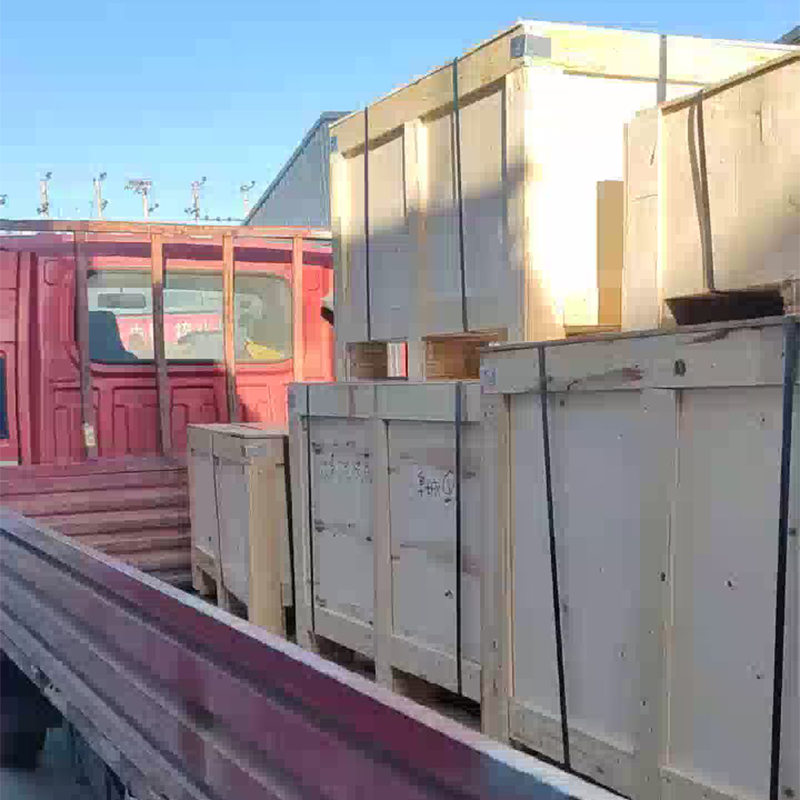
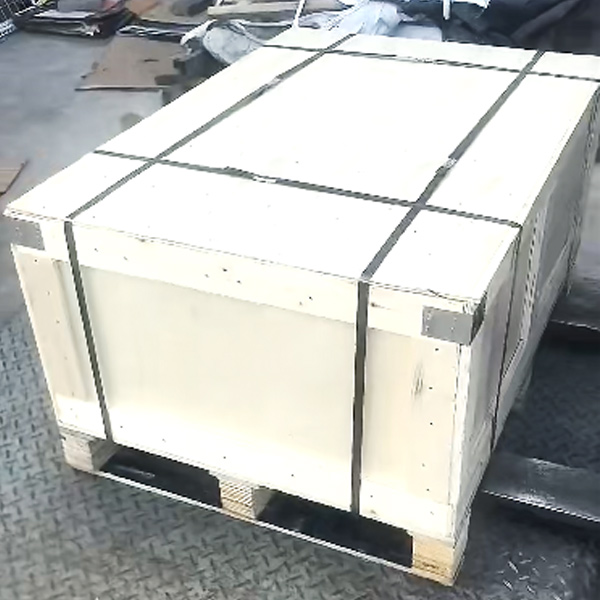
Yes. Bending lightning arrester cards must be packed in moisture-proof, shock-absorbent materials. Wooden crates or reinforced carton boxes with foam inserts are standard. For sea freight, desiccants should be included to prevent humidity damage. Ensure the packaging meets ISPM 15 standards if wooden materials are used.
Future Trends in Lightning Protection Technology
As we move further into 2026 and beyond, the landscape of lightning protection is evolving. Smart grid integration and IoT connectivity are becoming standard features in high-end arresters. Suppliers are beginning to embed sensors that monitor temperature, leakage current, and surge counts in real-time.
This data can be transmitted to central control systems, enabling predictive maintenance and reducing the need for manual inspections. When selecting a supplier today, consider their roadmap for smart technology. Partnering with a forward-thinking manufacturer ensures your infrastructure remains compatible with future grid upgrades.
Material science is also advancing. New polymer composites offer better hydrophobicity and self-cleaning properties, reducing maintenance needs in polluted areas. Stay informed about these developments to make procurement decisions that future-proof your investments.
Conclusion and Strategic Recommendations
Sourcing a reliable China Bending Lightning Arrester Card Supplier in 2026 requires a balance of technical scrutiny and strategic partnership building. The market offers immense value, but only to those who navigate it with diligence. By prioritizing certified manufacturers, validating technical specifications, and understanding the nuances of the “bending” design, B2B buyers can secure components that deliver decades of reliable service.
This guide has outlined the critical path from requirement definition to final installation. Remember that the cheapest option is rarely the most economical in the long run. Invest in quality, verify claims through independent testing, and foster relationships with suppliers who view themselves as engineering partners rather than just vendors.
Who Should Use This Guide?
This resource is tailored for procurement managers, electrical engineers, and project directors involved in power distribution, renewable energy, and industrial automation. Whether you are upgrading an existing grid or launching a new infrastructure project, the insights provided here will streamline your supplier selection process.
Next Steps for Your Project
To ensure your project meets the highest safety and performance standards, do not hesitate to seek expert consultation. Review your current specifications against the benchmarks discussed in this article. If you require detailed technical drawings, customized quotations, or assistance with supplier verification, our team is ready to assist.
Secure your supply chain with confidence. Contact us today to discuss your specific requirements and access our network of vetted manufacturing partners.
Explore Related Lightning Protection Solutions and Technical Specifications
Mesedez, utzi mezu bat
-

-
-
Urriatu



Privacy Policy
Our Commitment to Privacy
Introduction.
Rainbow Inc. recognizes the importance of protecting the privacy of all personal information provided by its customers, including users of www.rainbow-inkjet.com and other Rainbow Inc. affiliated websites (collectively "Rainbow Inc. Sites"). We created the following policy guidelines with a fundamental respect for our customers´ right to privacy and because we value our relationships with our customers. Your visit to the Rainbow Inc. Sites is subject to this Privacy Statement and our Online Terms and Conditions.
Description.
This Privacy Statement describes the types of information we collect and how we may use that information. Our Privacy Statement also describes the measures we take to protect the security of this information as well as how you may reach us to update your contact information.
Data Collection
Personal Data Collected Directly From Visitors.
Rainbow Inc. collects personal information when: you submit questions or comments to us; you request information or materials; you request warranty or post-warranty service and support; you participate in surveys; and by other means that may be specifically provided for on the Rainbow Inc. Sites or in our correspondence with you.
Type of Personal Data.
The type of information collected directly from the user may include your name, your company's name, physical contact information, address, billing and delivery information, e-mail address, the products you use, demographic information such as your age, preferences, and interests and information relating to the sale or installation of your product.
Non-Personal Data Collected Automatically.
We may collect information about your interaction with Rainbow Inc. Sites and services. For example, we may use website analytics tools on our site to retrieve information from your browser, including the site you came from, the search engine(s) and the keywords you used to find our site, and the pages you view within our site. Additionally, we collect certain standard information that your browser sends to every website you visit, such as your IP address, browser type, capabilities and language, your operating system, access times and referring Web site addresses.
Storage and Processing.
Personal data collected on our websites may be stored and processed in the United States in which Rainbow Inc. or its affiliates, joint ventures, or third party servicers maintain facilities.
How We Use the Data
Services and transactions.
We use your personal data to deliver services or execute transactions you request, such as providing information about Rainbow Inc. products and services, processing orders, answering customer service requests, facilitating use of our Web sites, enabling online shopping, and so forth. In order to offer you a more consistent experience in interacting with Rainbow Inc., information collected by our websites may be combined with information we collect by other means.
Product Development.
We use the personal and non-personal data for product development, including for such processes as idea generation, product design and improvements, detail engineering, market research and marketing analysis.
Website Improvement.
We may use the personal and non-personal data to improve our websites (including our security measures) and related products or services, or to make our websites easier to use by eliminating the need for you to repeatedly enter the same information or by customizing our websites to your particular preference or interests.
Marketing Communications.
We may use your personal data to inform you of products or services available from Rainbow Inc. When collecting information that might be used to contact you about our products and services, we often give you the opportunity to opt-out from receiving such communications. Moreover, in our email communications with you we may include an unsubscribe link allowing you to stop delivery of that type of communication. If you elect to unsubscribe, we will remove you from the relevant list within 15 business days.
Commitment to Data Security
Security.
Rainbow Inc. Corporation uses reasonable precautions to keep the personal information disclosed to us secure. To prevent unauthorized access, maintain data accuracy, and ensure the correct use of information, we have put in place appropriate physical, electronic, and managerial procedures to safeguard and secure your personal information. For example, we store sensitive personal data on computer systems with limited access that are located in facilities to which access is limited. When you move around a site to which you have logged in, or from one site to another that uses the same login mechanism, we verify your identity by means of an encrypted cookie placed on your machine. Nonetheless, Rainbow Inc. Corporation does not guarantee the security, accuracy or completeness of any such information or procedures.
Internet.
The transmission of information via the internet is not completely secure. Although we do our best to protect your personal information, we cannot guarantee the security of your personal information transmitted to our Website. Any transmission of personal information is at your own risk. We are not responsible for circumvention of any privacy settings or security measures contained on the Rainbow Inc. Sites.
Jar zaitez gurekin harremanetan
If you have questions regarding this privacy statement, our handling of your personal data, or your privacy rights under applicable law, please contact us by mail at the address below.
Rainbow Inc.
Attn: Katherine Tan
Add: No.1658 Husong Road, Shanghai, China.
Statement Updates
Revisions.
Rainbow Inc. reserves the right to modify this privacy statement from time to time. If we decide to change our Privacy Statement, we will post the revised Statement here.
Date.
This Privacy Statement was last amended on September 7, 2022.