
- English
- Chinese
- French
- German
- Portuguese
- Spanish
- Russian
- Japanese
- Korean
- Arabic
- Irish
- Greek
- Turkish
- Italian
- Danish
- Romanian
- Indonesian
- Czech
- Afrikaans
- Swedish
- Polish
- Catalan
- Esperanto
- Hindi
- Lao
- Albanian
- Amharic
- Armenian
- Azerbaijani
- Belarusian
- Bengali
- Bosnian
- Bulgarian
- Cebuano
- Chichewa
- Corsican
- Croatian
- Dutch
- Estonian
- Filipino
- Finnish
- Frisian
- Galician
- Georgian
- Gujarati
- Haitian
- Hausa
- Hawaiian
- Hebrew
- Hmong
- Hungarian
- Icelandic
- Igbo
- Javanese
- Kannada
- Kazakh
- Khmer
- Kurdish
- Kyrgyz
- Latin
- Latvian
- Lithuanian
- Luxembou..
- Macedonian
- Malagasy
- Malay
- Malayalam
- Maltese
- Maori
- Marathi
- Mongolian
- Burmese
- Nepali
- Norwegian
- Pashto
- Persian
- Punjabi
- Serbian
- Sesotho
- Sinhala
- Slovak
- Slovenian
- Somali
- Samoan
- Scots Gaelic
- Shona
- Sindhi
- Sundanese
- Swahili
- Tajik
- Tamil
- Telugu
- Thai
- Ukrainian
- Urdu
- Uzbek
- Vietnamese
- Welsh
- Xhosa
- Yiddish
- Yoruba
- Zulu
- Kinyarwanda
- Tatar
- Oriya
- Turkmen
- Uyghur

2026 High Quality Clad Plate Supplier for Pressure Vessel Manufacturing
2026-06-09
- The Critical Role of Clad Plates in Modern Pressure Vessel Engineering
- Manufacturing Technologies: Ensuring Metallurgical Integrity
- Key Standards and Certifications for 2026 Compliance
- Technical Selection Guide: Choosing the Right Clad Combination
- Quality Assurance and Non-Destructive Testing (NDT)
- Comparison of Clad Plate Types for Pressure Vessels
- Fabrication Considerations for Clad Plates
- Common Mistakes in Sourcing Clad Plates
- Industry Applications: Where Clad Plates Excel
- Frequently Asked Questions (FAQ)
- Future Trends in Clad Plate Technology
- Conclusion: Partnering for Success in Pressure Vessel Projects
In 2026, sourcing a high quality clad plate supplier for pressure vessel manufacturing requires rigorous verification of metallurgical bonding integrity, ASME certification, and traceability. A reliable partner delivers bimetallic solutions—such as stainless steel, nickel alloy, or titanium cladding on carbon steel backings—that meet strict ASTM A263, A264, and A265 standards. These composite materials ensure corrosion resistance in aggressive chemical environments while maintaining the structural strength and cost-efficiency of carbon steel, making them essential for reactors, heat exchangers, and storage tanks in the petrochemical and energy sectors.
The Critical Role of Clad Plates in Modern Pressure Vessel Engineering
Pressure vessels operate under extreme conditions involving high pressure, temperature fluctuations, and corrosive media. Using solid alloy plates for entire vessel construction is often economically unviable and technically unnecessary. Clad plates offer an engineered compromise: a thin layer of expensive, corrosion-resistant alloy bonded to a thicker, high-strength carbon or low-alloy steel base.
This dual-layer architecture allows manufacturers to optimize material costs without compromising safety or longevity. In 2026, the demand for these composite materials has surged due to stricter environmental regulations and the push for longer asset lifecycles in refining and chemical processing. The core challenge lies not just in the material selection, but in identifying a clad plate supplier capable of guaranteeing perfect metallurgical bonding.
When bonding fails, delamination can occur, leading to catastrophic vessel failure. Therefore, the choice of supplier is a critical risk management decision. Leading engineering firms prioritize partners who demonstrate deep expertise in rolling technologies, heat treatment protocols, and non-destructive testing (NDT) methodologies. The reliability of the final pressure vessel depends entirely on the quality of the raw clad plate.
Why Solid Alloys Are Being Replaced by Clad Solutions
The shift from solid alloys to clad plates is driven by three primary factors: cost efficiency, mechanical performance, and fabrication flexibility.
- Cost Reduction: By using carbon steel for the structural bulk, projects can reduce material costs by 40% to 60% compared to using solid stainless steel or nickel alloys.
- Mechanical Strength: Carbon steel backings often provide superior tensile strength and toughness at low temperatures compared to some austenitic stainless steels.
- Thermal Expansion Management: Properly selected clad combinations can manage thermal expansion differences better than monolithic materials in specific cycling applications.
However, these benefits are only realized if the clad plate supplier maintains strict control over the interface between the two metals. Poor bonding leads to voids, which act as stress concentrators and pathways for corrosive agents to attack the backing steel.
Manufacturing Technologies: Ensuring Metallurgical Integrity
Not all clad plates are created equal. The manufacturing process defines the quality of the bond. In 2026, three primary methods dominate the industry, each with distinct advantages and limitations. Understanding these processes is vital when evaluating a potential supplier’s technical capabilities.
Explosion Bonding (Ex-Clad)
Explosion bonding utilizes controlled detonation to force two metal plates together at supersonic speeds. The kinetic energy creates a jetting effect that cleans the surfaces and forms a wavy, mechanical-metallurgical bond.
- Advantages: Capable of bonding dissimilar metals that are difficult to join via other methods (e.g., titanium to steel). No heat-affected zone (HAZ) issues during the bonding phase.
- Limitations: Surface finish may be wavy, requiring machining for certain applications. Thickness tolerances can be wider than rolled products.
- Best For: Thick plates, exotic alloy combinations, and small-batch custom orders.
Hot Roll Bonding
This is the most common method for high-volume production. The base and cladding materials are stacked, sealed, and heated to a plastic state before being passed through heavy rolling mills.
- Advantages: Produces smooth, flat plates with tight thickness tolerances. Excellent for large-scale projects requiring uniformity.
- Limitations: Requires careful control of atmosphere to prevent oxidation at the interface. Some metal combinations may form brittle intermetallic phases if not managed correctly.
- Best For: Standard stainless steel (304, 316L) and nickel alloy claddings on carbon steel for large vessels.
Weld Overlay vs. True Clad Plates
It is crucial to distinguish between factory-produced clad plates and weld overlay. Weld overlay involves depositing alloy layers onto a base plate via welding strips or wires.
- Clad Plate: Factory-controlled environment, consistent thickness, verified bond strength before shipment.
- Weld Overlay: Performed on-site or in fabrication shops, prone to dilution issues, higher labor costs, and potential for defects like porosity or lack of fusion.
For critical pressure vessels, factory-manufactured clad plates are generally preferred due to the higher degree of quality assurance and homogeneity.
Key Standards and Certifications for 2026 Compliance
A credible clad plate supplier for pressure vessel manufacturing must adhere to a rigorous framework of international standards. In 2026, compliance is not optional; it is the baseline for entry into global supply chains.
ASTM Specifications
The American Society for Testing and Materials (ASTM) provides the definitive guidelines for clad plates. Suppliers must certify materials against specific designations:
- ASTM A263: Stainless Chromium Steel-Clad Plates. Used for general corrosion resistance.
- ASTM A264: Stainless Chromium-Nickel Steel-Clad Plates. The standard for 304/316L claddings.
- ASTM A265: Nickel and Nickel Alloy-Clad Steel Plates. Essential for highly aggressive acidic or caustic environments.
Each specification dictates the required shear strength of the bond, the minimum thickness of the cladding, and the mandatory testing procedures.
ASME Boiler and Pressure Vessel Code
The ASME Code, particularly Section VIII, governs the design and fabrication of pressure vessels. A supplier must provide mill test reports (MTRs) that align with ASME requirements. This includes traceability of heat numbers for both the backing steel and the cladding alloy.
In 2026, digital traceability has become standard. Top-tier suppliers offer blockchain-verified or digitally signed MTRs to prevent fraud and ensure that the material received matches the certification exactly.
ISO and EN Standards
For projects in Europe and Asia, compliance with ISO 10474 and EN 10029 is often required. These standards cover inspection documentation and dimensional tolerances. A global supplier must be fluent in navigating these overlapping regulatory landscapes to support international EPC contractors.
Technical Selection Guide: Choosing the Right Clad Combination
Selecting the appropriate clad plate involves balancing corrosion resistance, mechanical properties, and budget. The “best” material is the one that precisely fits the process environment without over-engineering.
Backing Steel Selection
The backing steel provides the structural integrity. Common choices include:
- SA-516 Gr. 70: The industry workhorse for moderate temperature and pressure applications.
- SA-387 Gr. 11/22: Chrome-molybdenum steels used for high-temperature hydrogen service.
- Low-Temperature Steels: Such as SA-203 Gr. E, for cryogenic applications where toughness is paramount.
Cladding Alloy Selection
The cladding layer fights corrosion. Selection depends on the specific media:
- 304/304L Stainless: General purpose, suitable for mild organic acids and atmospheric exposure.
- 316/316L Stainless: Adds molybdenum for improved resistance to chlorides and pitting. Standard for marine and chemical processing.
- 904L / 6Mo Super Austenitics: For severe sulfuric acid environments and high chloride concentrations.
- Inconel 625 / C-276: Nickel-based alloys for extreme acidity, high temperatures, and oxidizing conditions.
- Titanium (Gr. 1/Gr. 2): Unmatched resistance to wet chlorine and seawater, widely used in chlor-alkali and desalination plants.
Cladding Thickness Ratios
The ratio of cladding to total thickness is a critical economic and technical variable. Typical cladding thickness ranges from 1.5mm to 3mm, regardless of the total plate thickness.
- Thin Cladding (1.5mm – 2mm): Sufficient for uniform corrosion rates. Cost-effective.
- Thick Cladding (3mm+): Required for high erosion-corrosion environments or where significant metal loss is anticipated over the vessel’s design life.
Over-specifying cladding thickness increases costs exponentially without adding proportional value. A knowledgeable supplier will advise on the optimal ratio based on corrosion rate calculations.
Quality Assurance and Non-Destructive Testing (NDT)
The reputation of a high quality clad plate supplier rests on their QA/QC protocols. Visual inspection is insufficient; advanced NDT methods are mandatory to detect unbonded areas or discontinuities.
Ultrasonic Testing (UT)
UT is the primary method for inspecting clad plates. High-frequency sound waves are transmitted through the plate. A reflection at the interface indicates a lack of bond (delamination).
- 100% Scanning: Premium suppliers perform 100% ultrasonic scanning of every plate, not just spot checks.
- Acceptance Criteria: Typically follows ASTM A578 or client-specific standards. Any unbonded area exceeding a specific size (e.g., 1 inch diameter) is grounds for rejection or repair.
Bend and Shear Tests
Destructive testing is performed on representative coupons from each heat lot.
- Shear Strength Test: Measures the force required to separate the cladding from the base. ASTM A263/A264 typically requires a minimum shear strength of 20 ksi (140 MPa).
- Bend Test: Verifies the ductility of the bond. The sample is bent 180 degrees; cracking or separation indicates failure.
Chemical Analysis
Spectrometry ensures that both the cladding and backing meet their respective chemical compositions. Special attention is paid to the diffusion zone to ensure no harmful intermetallic compounds have formed that could embrittle the material.
Comparison of Clad Plate Types for Pressure Vessels
To assist in decision-making, the following table compares common clad configurations available from top-tier suppliers in 2026.
| Clad Type | Base Material | Korrosioarekiko erresistentzia | Typical Applications | Cost Tier |
|---|---|---|---|---|
| SS 304L Clad | Carbon Steel (SA-516) | Moderate (Organic acids, water) | Food processing, storage tanks | Low |
| SS 316L Clad | Carbon Steel (SA-516) | Good (Chlorides, mild acids) | Chemical reactors, heat exchangers | Bitarte |
| 904L Clad | Carbon Steel (SA-516) | High (Sulfuric acid, phosphoric acid) | Fertilizer plants, pickling lines | High |
| Inconel 625 Clad | Carbon/Low Alloy Steel | Very High (Severe acids, high temp) | Petrochemical refining, sour gas | Very High |
| Titanium Gr. 2 Clad | Carbon Steel | Excellent (Wet chlorine, seawater) | Chlor-alkali, offshore platforms | Premium |
Fabrication Considerations for Clad Plates
Even the highest quality clad plate can be ruined by improper fabrication. Engineers and fabricators must follow specific guidelines to preserve the integrity of the bond during vessel construction.
Cutting and Edge Preparation
Thermal cutting methods like plasma or laser are preferred over shearing to avoid edge deformation. When cutting, the clad side should face up to minimize burr formation on the corrosion-resistant layer. Edge preparation for welding must expose both the cladding and the base metal correctly to allow for proper groove welding.
Forming and Rolling
Clad plates can be cold or hot formed, but the bending radius must account for the different yield strengths of the two layers. Bending with the clad side on the inside (compression) is generally safer to prevent cracking of the brittle alloy layer, though modern ductile claddings allow for outside bending with proper precautions.
Welding Procedures
Welding clad plates is a specialized skill. It typically involves a multi-pass approach:
- Root Pass: Welding the backing steel first, ensuring penetration without contaminating the cladding.
- Barrier Layer: Depositing a transition layer to isolate the carbon steel from the final cladding weld.
- Cladding Weld: Using matching filler metal to restore the corrosion-resistant surface.
Using the wrong filler metal or excessive heat input can lead to carbon migration, creating a hard, brittle zone at the interface that is prone to cracking.
Common Mistakes in Sourcing Clad Plates
Procurement teams often make avoidable errors that compromise project timelines and vessel safety. Avoiding these pitfalls is part of working with an expert supplier.
- Ignoring Lead Times: Clad plates are not commodity items kept in massive stock. Exotic combinations require scheduled production runs. Failing to account for a 12-16 week lead time can delay entire projects.
- Focusing Solely on Price: The cheapest option often skips critical NDT steps or uses inferior raw materials. The cost of repairing a delaminated vessel in the field far exceeds the initial savings.
- Vague Specifications: Ordering “Stainless Clad” without specifying the ASTM standard, heat treatment condition, or UT acceptance criteria invites ambiguity and potential non-compliance.
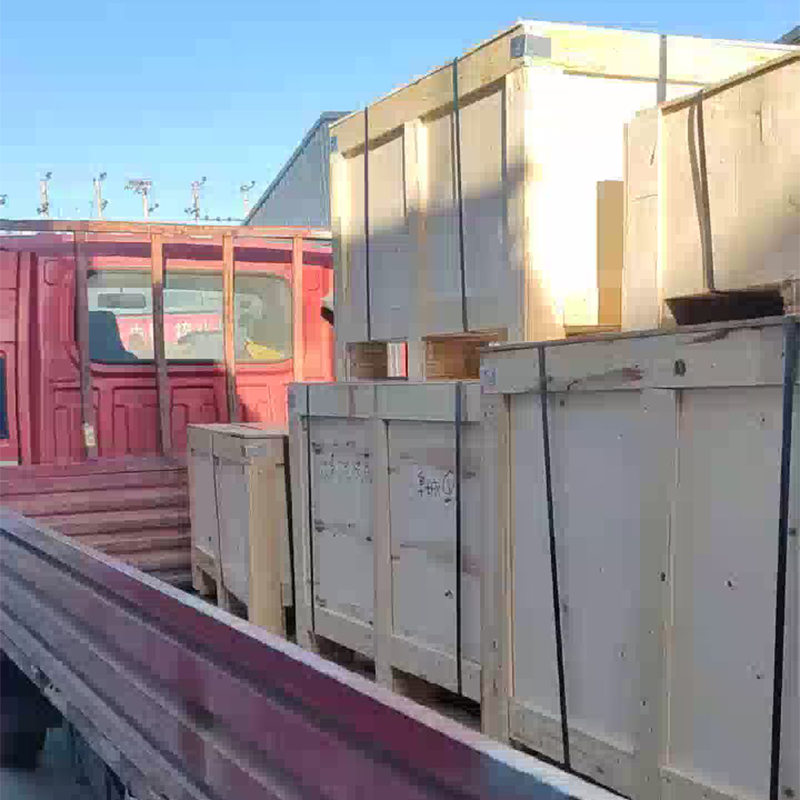
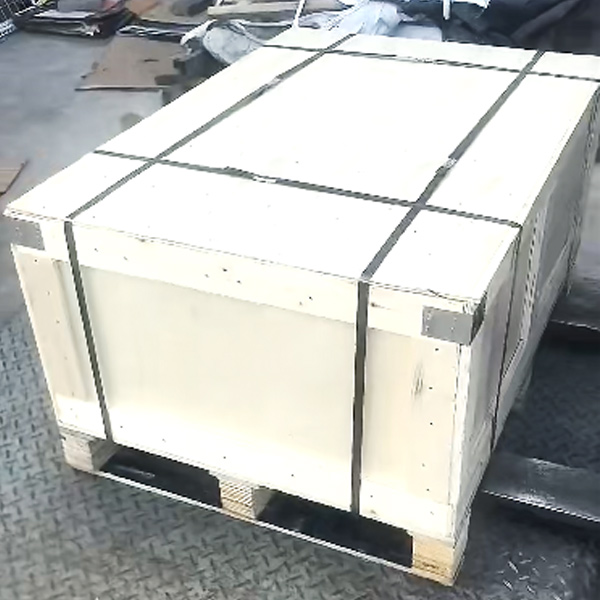
- Neglecting Transport Protection: Clad surfaces are sensitive. Scratches or gouges during shipping can necessitate costly repairs. Proper packaging and handling protocols must be defined in the purchase order.
Industry Applications: Where Clad Plates Excel
The versatility of clad plates makes them indispensable across several heavy industries. Understanding these applications helps in tailoring the procurement strategy.
Petrochemical and Refining
Refineries deal with sour crude containing hydrogen sulfide and naphthenic acids. Vessels made with Inconel or 316L clad plates withstand these corrosive elements while the carbon steel backing handles the high pressures of distillation columns and hydrotreaters.
Power Generation
In nuclear and thermal power plants, steam generators and pressurizers require materials that resist stress corrosion cracking. Nickel-alloy clad plates are standard here, ensuring decades of safe operation under cyclic thermal loads.
Chemical Processing
From fertilizer production to pharmaceutical synthesis, chemical reactors face diverse and aggressive reagents. Titanium and Hastelloy clad plates allow these reactors to operate continuously without frequent shutdowns for maintenance or replacement.
Desalination and Water Treatment
Seawater is highly corrosive due to chlorides. Titanium-clad steel plates are the gold standard for evaporator shells and flash chambers in multi-stage flash (MSF) and reverse osmosis (RO) pre-treatment systems.
Frequently Asked Questions (FAQ)
What is the maximum size of clad plates available?
Modern rolling mills can produce clad plates with widths up to 3,500mm and lengths exceeding 12,000mm. However, transportation logistics often limit the practical dimensions. For oversized requirements, suppliers can arrange longitudinal or circumferential welding of smaller plates under controlled factory conditions.
Can clad plates be used in cryogenic applications?
Yes, provided the backing steel is selected for low-temperature toughness (e.g., SA-203 or SA-553) and the cladding alloy retains ductility at low temperatures. Stainless steel claddings are commonly used in LNG storage and processing equipment.
How do I verify the bond quality upon delivery?
Review the Mill Test Report (MTR) for UT scan results. Reputable suppliers provide detailed maps showing any repaired areas. For critical applications, third-party inspection agencies can perform random UT verification upon arrival at the fabrication shop.
Is it possible to clad aluminum to steel?
Direct roll bonding of aluminum to steel is challenging due to brittle intermetallic formation. Explosion bonding is the preferred method for Al-Steel transitions, often used in specialized heat exchangers rather than high-pressure vessels.
What is the typical warranty for clad plates?
Warranties vary by supplier but typically cover defects in workmanship and material integrity for a period of 12 to 24 months from delivery. Structural failures due to improper fabrication or operation are generally excluded.
Future Trends in Clad Plate Technology
As we progress through 2026, the clad plate industry is evolving to meet new challenges. Sustainability is driving the development of thinner, more efficient cladding layers that reduce the consumption of rare alloys. Advanced simulation software now allows engineers to predict bond behavior under complex stress states more accurately, optimizing designs further.
Additionally, the integration of IoT sensors during the manufacturing process allows for real-time monitoring of rolling temperatures and pressures, ensuring unprecedented consistency in bond quality. Suppliers investing in these digital technologies are better positioned to deliver the reliability demanded by modern infrastructure projects.
Conclusion: Partnering for Success in Pressure Vessel Projects
Selecting a 2026 High Quality Clad Plate Supplier for Pressure Vessel Manufacturing is a strategic decision that impacts the safety, cost, and longevity of your assets. The ideal partner combines advanced manufacturing technologies like explosion and roll bonding with uncompromising adherence to ASTM and ASME standards. They offer more than just metal; they provide engineering support, precise material selection guidance, and guaranteed traceability.
For EPC contractors, fabricators, and plant owners, the goal is to minimize risk. This is achieved by choosing a supplier with a proven track record in delivering defect-free clad plates for critical applications in petrochemical, power, and chemical industries. Whether you require standard 316L cladding or exotic titanium composites, the right supplier ensures your pressure vessels perform flawlessly under the most demanding conditions.
Ready to Optimize Your Pressure Vessel Supply Chain?
Do not compromise on the core materials of your pressure vessels. Ensure your next project is built on a foundation of verified quality and engineering excellence.
- Expert Consultation: Get advice on the optimal clad combination for your specific process environment.
- Custom Solutions: Source tailored dimensions and alloy pairings for unique project requirements.
- Verified Quality: Access full MTRs and third-party inspection reports for every shipment.
Contact our technical team today to discuss your specifications and request a comprehensive quote. Let us help you secure the materials needed to build safer, more efficient pressure vessels.
Mesedez, utzi mezu bat
-

-
-
Urriatu



Privacy Policy
Our Commitment to Privacy
Introduction.
Rainbow Inc. recognizes the importance of protecting the privacy of all personal information provided by its customers, including users of www.rainbow-inkjet.com and other Rainbow Inc. affiliated websites (collectively "Rainbow Inc. Sites"). We created the following policy guidelines with a fundamental respect for our customers´ right to privacy and because we value our relationships with our customers. Your visit to the Rainbow Inc. Sites is subject to this Privacy Statement and our Online Terms and Conditions.
Description.
This Privacy Statement describes the types of information we collect and how we may use that information. Our Privacy Statement also describes the measures we take to protect the security of this information as well as how you may reach us to update your contact information.
Data Collection
Personal Data Collected Directly From Visitors.
Rainbow Inc. collects personal information when: you submit questions or comments to us; you request information or materials; you request warranty or post-warranty service and support; you participate in surveys; and by other means that may be specifically provided for on the Rainbow Inc. Sites or in our correspondence with you.
Type of Personal Data.
The type of information collected directly from the user may include your name, your company's name, physical contact information, address, billing and delivery information, e-mail address, the products you use, demographic information such as your age, preferences, and interests and information relating to the sale or installation of your product.
Non-Personal Data Collected Automatically.
We may collect information about your interaction with Rainbow Inc. Sites and services. For example, we may use website analytics tools on our site to retrieve information from your browser, including the site you came from, the search engine(s) and the keywords you used to find our site, and the pages you view within our site. Additionally, we collect certain standard information that your browser sends to every website you visit, such as your IP address, browser type, capabilities and language, your operating system, access times and referring Web site addresses.
Storage and Processing.
Personal data collected on our websites may be stored and processed in the United States in which Rainbow Inc. or its affiliates, joint ventures, or third party servicers maintain facilities.
How We Use the Data
Services and transactions.
We use your personal data to deliver services or execute transactions you request, such as providing information about Rainbow Inc. products and services, processing orders, answering customer service requests, facilitating use of our Web sites, enabling online shopping, and so forth. In order to offer you a more consistent experience in interacting with Rainbow Inc., information collected by our websites may be combined with information we collect by other means.
Product Development.
We use the personal and non-personal data for product development, including for such processes as idea generation, product design and improvements, detail engineering, market research and marketing analysis.
Website Improvement.
We may use the personal and non-personal data to improve our websites (including our security measures) and related products or services, or to make our websites easier to use by eliminating the need for you to repeatedly enter the same information or by customizing our websites to your particular preference or interests.
Marketing Communications.
We may use your personal data to inform you of products or services available from Rainbow Inc. When collecting information that might be used to contact you about our products and services, we often give you the opportunity to opt-out from receiving such communications. Moreover, in our email communications with you we may include an unsubscribe link allowing you to stop delivery of that type of communication. If you elect to unsubscribe, we will remove you from the relevant list within 15 business days.
Commitment to Data Security
Security.
Rainbow Inc. Corporation uses reasonable precautions to keep the personal information disclosed to us secure. To prevent unauthorized access, maintain data accuracy, and ensure the correct use of information, we have put in place appropriate physical, electronic, and managerial procedures to safeguard and secure your personal information. For example, we store sensitive personal data on computer systems with limited access that are located in facilities to which access is limited. When you move around a site to which you have logged in, or from one site to another that uses the same login mechanism, we verify your identity by means of an encrypted cookie placed on your machine. Nonetheless, Rainbow Inc. Corporation does not guarantee the security, accuracy or completeness of any such information or procedures.
Internet.
The transmission of information via the internet is not completely secure. Although we do our best to protect your personal information, we cannot guarantee the security of your personal information transmitted to our Website. Any transmission of personal information is at your own risk. We are not responsible for circumvention of any privacy settings or security measures contained on the Rainbow Inc. Sites.
Jar zaitez gurekin harremanetan
If you have questions regarding this privacy statement, our handling of your personal data, or your privacy rights under applicable law, please contact us by mail at the address below.
Rainbow Inc.
Attn: Katherine Tan
Add: No.1658 Husong Road, Shanghai, China.
Statement Updates
Revisions.
Rainbow Inc. reserves the right to modify this privacy statement from time to time. If we decide to change our Privacy Statement, we will post the revised Statement here.
Date.
This Privacy Statement was last amended on September 7, 2022.