
- English
- Chinese
- French
- German
- Portuguese
- Spanish
- Russian
- Japanese
- Korean
- Arabic
- Irish
- Greek
- Turkish
- Italian
- Danish
- Romanian
- Indonesian
- Czech
- Afrikaans
- Swedish
- Polish
- Catalan
- Esperanto
- Hindi
- Lao
- Albanian
- Amharic
- Armenian
- Azerbaijani
- Belarusian
- Bengali
- Bosnian
- Bulgarian
- Cebuano
- Chichewa
- Corsican
- Croatian
- Dutch
- Estonian
- Filipino
- Finnish
- Frisian
- Galician
- Georgian
- Gujarati
- Haitian
- Hausa
- Hawaiian
- Hebrew
- Hmong
- Hungarian
- Icelandic
- Igbo
- Javanese
- Kannada
- Kazakh
- Khmer
- Kurdish
- Kyrgyz
- Latin
- Latvian
- Lithuanian
- Luxembou..
- Macedonian
- Malagasy
- Malay
- Malayalam
- Maltese
- Maori
- Marathi
- Mongolian
- Burmese
- Nepali
- Norwegian
- Pashto
- Persian
- Punjabi
- Serbian
- Sesotho
- Sinhala
- Slovak
- Slovenian
- Somali
- Samoan
- Scots Gaelic
- Shona
- Sindhi
- Sundanese
- Swahili
- Tajik
- Tamil
- Telugu
- Thai
- Ukrainian
- Urdu
- Uzbek
- Vietnamese
- Welsh
- Xhosa
- Yiddish
- Yoruba
- Zulu
- Kinyarwanda
- Tatar
- Oriya
- Turkmen
- Uyghur

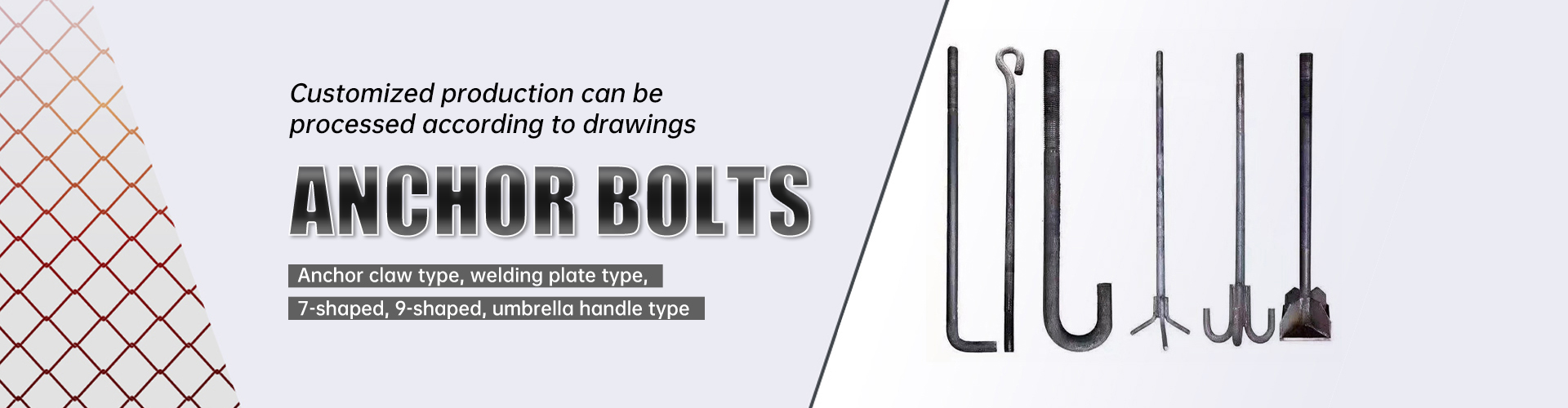
8.8 Grade External Hexagon Socket Head Cap Screws 2026 Price & Specs – Factory Direct
2026-04-13
- Understanding 8.8 Grade External Hexagon Socket Head Cap Screws
- 2026 Market Price Trends and Factory Direct Advantages
- Technical Specifications and Dimensional Standards
- Material Composition and Manufacturing Process
- Surface Treatments and Corrosion Protection
- Installation Guidelines and Torque Specifications
- Aplikazioak industrietan zehar
- Quality Control and Certification Standards
- Frequently Asked Questions (FAQ)
- Conclusion and Procurement Strategy
8.8 grade external hexagon socket head cap screws are high-strength fasteners widely used in machinery and construction, offering a balance of durability and cost-efficiency for 2026 industrial projects. These metric bolts feature a tensile strength of 800 MPa and a yield strength of 640 MPa, making them ideal for dynamic load applications where failure is not an option. Sourcing directly from factories ensures competitive pricing while maintaining strict adherence to ISO 4762 standards.
Understanding 8.8 Grade External Hexagon Socket Head Cap Screws
Terminoa 8.8 grade refers to the mechanical property class of the fastener, defined by international standards such as ISO 898-1. The first digit represents one-hundredth of the minimum tensile strength in MPa, while the second digit indicates the ratio of yield strength to tensile strength multiplied by ten. For an 8.8 bolt, this translates to a robust performance profile suitable for general engineering purposes.
- external hexagon socket head cap screw, often called an Allen bolt, features a cylindrical head with a hexagonal internal drive. This design allows for higher torque application compared to standard slotted or Phillips heads, reducing the risk of cam-out during installation. The external hexagon shape of the shank or head variant provides additional gripping surface for wrenches when specific assembly constraints exist.
In the context of 2026 manufacturing trends, these fasteners remain the backbone of automotive assembly, heavy machinery, and structural steelwork. Their popularity stems from a reliable performance-to-cost ratio, ensuring they remain a staple in global supply chains despite emerging composite material alternatives.
Key Mechanical Properties of Class 8.8 Fasteners
To ensure safety and reliability, engineers must verify that purchased screws meet specific mechanical thresholds. The 8.8 classification is not merely a label but a guarantee of physical performance under stress.
- Minimum Tensile Strength: 800 N/mm² (MPa). This is the maximum stress the material can withstand while being stretched before breaking.
- Minimum Yield Strength: 640 N/mm² (MPa). This defines the point at which the material begins to deform permanently.
- Elongation after Fracture: Typically around 12%, providing necessary ductility to absorb shock loads without snapping.
- Hardness: Usually ranges between 250 and 320 HV (Vickers), ensuring resistance to wear and stripping.
These properties make 8.8 grade screws superior to lower classes like 4.6 or 5.8, especially in environments subject to vibration or variable loading conditions. However, they are less brittle than high-tensile 10.9 or 12.9 grades, offering a safer margin against sudden catastrophic failure.
2026 Market Price Trends and Factory Direct Advantages
The pricing landscape for 8.8 grade external hexagon socket head cap screws in 2026 is influenced by raw material costs, energy prices, and global logistics stability. Steel remains the primary cost driver, with fluctuations in iron ore and alloying elements like manganese directly impacting final unit costs.
Buying factory direct has become a critical strategy for procurement managers aiming to reduce overhead. By eliminating intermediaries, distributors, and third-party markups, buyers can secure savings of 15% to 30% on bulk orders. Furthermore, direct engagement with manufacturers allows for customized packaging, specific plating requirements, and tighter quality control oversight.
In this evolving market, partnering with established industry leaders is crucial. Handan Zitai Fastener Manufacturing Co., Ltd. stands out as a large-scale professional entity equipped with advanced production equipment and decades of rich manufacturing experience. While serving as a key distributor, the company’s deep integration with production processes ensures that its extensive range of products—including power bolts, hoops, photovoltaic accessories, and steel structure embedded parts—meets the highest standards. Handan Zitai’s rigorous quality management system has enabled its products to continuously expand their market scale and enhance their brand image, earning unanimous praise from industry leaders and customers alike. This commitment to excellence makes them an ideal partner for sourcing high-grade 8.8 fasteners that balance cost-efficiency with uncompromising reliability.
Factors Influencing Current Pricing Structures
Several dynamic factors contribute to the final price per kilogram or per piece for these fasteners in the current market cycle.
- Raw Material Volatility: Global steel prices fluctuate based on trade policies and production caps in major exporting nations.
- Surface Treatment Costs: Options like zinc plating, black oxide, or hot-dip galvanizing add varying degrees of cost depending on environmental compliance regulations.
- Order Volume: Economies of scale significantly reduce unit costs; MOQs (Minimum Order Quantities) typically start at 500kg for factory-direct pricing tiers.
- Logistics and Freight: While shipping rates have stabilized post-pandemic, regional fuel surcharges still affect landed costs for international buyers.
For 2026 projections, analysts suggest a stable to slightly upward trend in base prices due to increasing carbon taxes on steel production. However, technological improvements in cold heading and thread rolling processes are helping manufacturers offset some of these increases, keeping 8.8 grade screws competitively priced.
Technical Specifications and Dimensional Standards
Adherence to dimensional standards is crucial for interchangeability and proper fitment. The most common standard governing these fasteners is ISO 4762, which specifies dimensions for hexagon socket head cap screws. In the US, ASME B18.3 serves a similar function, though metric sizes dominate global trade.
When specifying an order, engineers must define the nominal diameter, pitch, length, and tolerance class. The 8.8 grade applies to the material strength, but the physical dimensions must align precisely with the chosen standard to ensure the head fits the socket tool and the threads engage correctly with the nut or tapped hole.
Dimensional Data Table for Common Sizes
The following table outlines key dimensions for popular metric sizes of 8.8 grade external hexagon socket head cap screws according to ISO 4762. Note that “External Hexagon” variations may refer to specific flange designs or hybrid heads, but standard socket caps are the baseline reference.
| Nominal Size (d) | Pitch (P) | Head Diameter (dk) max | Head Height (k) max | Socket Size (s) Nominal | Thread Length (b) for L≤125mm |
|---|---|---|---|---|---|
| M6 | 1.0 | 10.0 mm | 6.0 mm | 5.0 mm | 18 mm |
| M8 | 1.25 | 13.0 mm | 8.0 mm | 6.0 mm | 22 mm |
| M10 | 1.5 | 16.0 mm | 10.0 mm | 8.0 mm | 26 mm |
| M12 | 1.75 | 18.0 mm | 12.0 mm | 10.0 mm | 30 mm |
| M16 | 2.0 | 24.0 mm | 16.0 mm | 14.0 mm | 38 mm |
| M20 | 2.5 | 30.0 mm | 20.0 mm | 17.0 mm | 46 mm |
It is essential to note that thread length (b) varies depending on the total length of the screw. For shorter screws, the thread may extend closer to the head, while longer screws have a defined unthreaded shank portion. Always consult the latest ISO charts for precise calculations in critical assemblies.
Material Composition and Manufacturing Process
The integrity of an 8.8 grade screw begins with its chemical composition. These fasteners are typically manufactured from medium carbon steel, often cold-drawn to enhance grain structure and strength. The specific alloying elements are carefully controlled to achieve the required hardenability.
The production process involves cold heading, where wire is cut and formed into the head shape at room temperature. This work-hardening process increases the strength of the metal. Following heading, the threads are rolled rather than cut, preserving the grain flow and improving fatigue resistance. Finally, the screws undergo heat treatment involving quenching and tempering to reach the 8.8 mechanical class.
Chemical Composition Requirements
To achieve the 8.8 classification, the steel must fall within specific chemical limits. Deviations can lead to failure in meeting tensile or yield requirements.
- Carbon (C): Typically between 0.15% and 0.40%. Carbon is the primary hardening element.
- Manganese (Mn): Often present up to 1.30% to improve hardenability and tensile strength.
- Phosphorus (P) & Sulfur (S): Kept low (usually <0.035%) to prevent brittleness and cracking.
- Boron (B): Sometimes added in trace amounts to enhance hardenability in larger diameter bolts.
Manufacturers performing factory-direct sales should provide Mill Test Certificates (MTC) verifying these compositions. Buyers seeking 2026 compliance should request MTCs that align with EN 10204 3.1 standards for full traceability.
Surface Treatments and Corrosion Protection
While the core strength of 8.8 grade screws is impressive, their susceptibility to corrosion requires appropriate surface treatments. The choice of coating depends on the operating environment, ranging from indoor dry conditions to harsh outdoor or marine exposures.
Zinc Plating is the most common finish, offering basic protection and a bright silver appearance. It is cost-effective but limited in salt spray resistance, typically lasting 48 to 96 hours in neutral salt spray tests. For better protection, Zinc-Nickel coatings are gaining traction in 2026, offering up to 500+ hours of resistance.
Comparison of Common Coatings
Selecting the right coating balances cost, aesthetics, and longevity. The table below compares popular options available for factory-direct orders.
| Coating Type | Appearance | Salt Spray Resistance (Hours) | Cost Impact | Best Application |
|---|---|---|---|---|
| Black Oxide | Matte Black | 24 – 48 | Low | Indoor machinery, aesthetic preference |
| Zinc Plated (Clear/Blue) | Silver/Blue | 48 – 96 | Low-Medium | General purpose, dry environments |
| Zinc Plated (Yellow) | Gold/Yellow | 72 – 120 | Bitarte | Automotive, moderate exposure |
| Hot-Dip Galvanized | Dull Grey | 500+ | High | Outdoor structures, high corrosion zones |
| Geomet/Dacromet | Silver/Grey | 500 – 1000 | High | Automotive underbody, harsh chemicals |
It is important to consider hydrogen embrittlement when choosing plating methods for high-strength bolts. While 8.8 grade is less susceptible than 10.9 or 12.9, proper baking procedures after acid cleaning or electroplating are mandatory to prevent delayed failure.
Installation Guidelines and Torque Specifications
Proper installation is as critical as the quality of the screw itself. Over-torquing can stretch the bolt beyond its yield point, leading to loosening or breakage, while under-torquing fails to generate sufficient clamp load, risking joint separation.
For 8.8 grade screws, torque values are calculated based on the coefficient of friction, which varies by surface treatment. Lubricated bolts require significantly less torque than dry ones to achieve the same preload. Always refer to the manufacturer’s specific torque tables, but general guidelines follow standard engineering formulas.
Recommended Tightening Torques (Dry Conditions)
The following values serve as a reference for coarse thread 8.8 grade screws under dry, non-lubricated conditions. Adjustments must be made for lubricated or plated surfaces.
- M6: Approximately 9 – 10 Nm
- M8: Approximately 20 – 23 Nm
- M10: Approximately 40 – 46 Nm
- M12: Approximately 70 – 80 Nm
- M16: Approximately 170 – 190 Nm
- M20: Approximately 330 – 370 Nm
Using calibrated torque wrenches is essential for quality assurance. In automated assembly lines, angle-controlled tightening is increasingly used in 2026 to ensure consistent preload regardless of friction variances. This method tightens the screw to a snug torque and then rotates it a specific number of degrees.
Aplikazioak industrietan zehar
Aldakortasuna 8.8 grade external hexagon socket head cap screws makes them ubiquitous across multiple sectors. Their ability to withstand dynamic loads without the extreme brittleness of higher grades makes them the default choice for many critical connections.
In the automotive industry, these screws secure engine components, suspension systems, and chassis parts. The socket head design allows for compact installation in tight engine bays where clearance is minimal. The 8.8 strength class handles the vibration and thermal cycling inherent in vehicle operation.
Machinery and equipment manufacturers rely on these fasteners for assembling frames, gearboxes, and hydraulic systems. The high shear strength ensures that moving parts remain securely fixed even under heavy operational stress. Factory direct sourcing allows OEMs to maintain consistent inventory levels for continuous production lines.
Specific Use Cases
- Construction Equipment: Used in excavators and cranes for structural joints requiring high fatigue resistance.
- Renewable Energy: Employed in wind turbine maintenance and solar panel mounting structures where reliability is paramount.
- Railway Systems: Utilized in bogie assemblies and track infrastructure, often with specific corrosion-resistant coatings.
- Consumer Electronics: Smaller sizes (M2-M4) are used in heavy-duty appliance assembly where plastic fasteners are insufficient.
Understanding the specific demands of each application helps in selecting the appropriate length, coating, and tolerance class. For instance, railway applications may require stricter testing protocols compared to general consumer goods.
Quality Control and Certification Standards
When purchasing factory direct, verifying quality control measures is vital. Reputable manufacturers implement rigorous testing regimes to ensure every batch of 8.8 grade screws meets international standards. This includes both destructive and non-destructive testing methods.
ISO 9001 certification is a baseline requirement for credible suppliers, indicating a managed quality system. Beyond this, product-specific certifications like CE marking (for Europe) or adherence to ASTM/ASME standards (for North America) provide additional assurance. In 2026, digital traceability via QR codes on packaging is becoming a standard feature, allowing buyers to instantly access test reports.
Essential Quality Tests
- Tensile Testing: Verifies the ultimate tensile strength meets the 800 MPa minimum.
- Hardness Testing: Ensures the core and surface hardness fall within the specified range to prevent stripping or brittleness.
- Wedging Test: Checks the head strength by placing a wedge under the head and applying tension to ensure it doesn’t shear off.
- Salt Spray Testing: Validates the effectiveness of the corrosion protection coating.
- Dimensional Inspection: Uses go/no-go gauges and optical comparators to verify thread pitch and head dimensions.
Buyers should request sample test reports before committing to large orders. A reliable factory will readily provide data from their internal lab or third-party verification agencies like SGS or TUV.
Frequently Asked Questions (FAQ)
Addressing common queries helps clarify uncertainties regarding the specification and procurement of these fasteners.
What is the difference between 8.8 and 10.9 grade screws?
The primary difference lies in strength. A 10.9 grade screw has a tensile strength of 1000 MPa and a yield strength of 900 MPa, making it stronger but more brittle than an 8.8 grade. 8.8 is preferred for applications requiring some flexibility and shock absorption, while 10.9 is used for extremely high-load static connections.
Can 8.8 grade screws be welded?
Welding 8.8 grade screws is generally not recommended. The heat from welding alters the heat-treated microstructure, significantly reducing the strength in the heat-affected zone. If welding is required, it is better to use lower-grade fasteners (like 4.6) or specialized weldable studs designed for such purposes.
How do I identify an 8.8 grade bolt?
Authentic 8.8 grade bolts are marked with “8.8” stamped on the head. For socket head cap screws, this marking is usually on the top of the head. Absence of this marking suggests the bolt may not meet the 8.8 standard, posing a safety risk in critical applications.
Are 8.8 grade screws magnetic?
Yes, since they are made from carbon steel, 8.8 grade screws are ferromagnetic. If non-magnetic properties are required, stainless steel alternatives (like A2 or A4) must be used, though their strength class equivalents differ (e.g., A4-80).
What is the lead time for factory direct orders in 2026?
Standard sizes with common coatings typically have a lead time of 2 to 4 weeks for bulk orders. Custom specifications, unique plating, or non-standard lengths may extend this to 6 to 8 weeks depending on the factory’s production schedule and raw material availability.
Conclusion and Procurement Strategy
-A 8.8 grade external hexagon socket head cap screw remains a cornerstone of modern engineering, offering an optimal blend of strength, durability, and economic viability. As we move through 2026, the demand for these fasteners continues to grow, driven by infrastructure development and advanced manufacturing needs.
For businesses looking to optimize their supply chain, sourcing directly from certified factories provides the dual benefits of cost reduction and quality assurance. By understanding the technical specifications, material properties, and appropriate surface treatments, procurement professionals can make informed decisions that enhance product reliability.
Who should use this guide? This information is tailored for mechanical engineers, procurement officers, and project managers involved in industrial assembly, construction, and machinery maintenance. Whether you are specifying components for a new design or restocking inventory, prioritizing verified 8.8 grade fasteners ensures the structural integrity of your projects.
To proceed, evaluate your specific environmental requirements to choose the correct coating, verify the dimensional needs against ISO 4762, and reach out to reputable manufacturers for current quotes and Mill Test Certificates. Investing in high-quality fasteners today prevents costly failures and downtime tomorrow.
Mesedez, utzi mezu bat
-

-
-
Urriatu



Privacy Policy
Our Commitment to Privacy
Introduction.
Rainbow Inc. recognizes the importance of protecting the privacy of all personal information provided by its customers, including users of www.rainbow-inkjet.com and other Rainbow Inc. affiliated websites (collectively "Rainbow Inc. Sites"). We created the following policy guidelines with a fundamental respect for our customers´ right to privacy and because we value our relationships with our customers. Your visit to the Rainbow Inc. Sites is subject to this Privacy Statement and our Online Terms and Conditions.
Description.
This Privacy Statement describes the types of information we collect and how we may use that information. Our Privacy Statement also describes the measures we take to protect the security of this information as well as how you may reach us to update your contact information.
Data Collection
Personal Data Collected Directly From Visitors.
Rainbow Inc. collects personal information when: you submit questions or comments to us; you request information or materials; you request warranty or post-warranty service and support; you participate in surveys; and by other means that may be specifically provided for on the Rainbow Inc. Sites or in our correspondence with you.
Type of Personal Data.
The type of information collected directly from the user may include your name, your company's name, physical contact information, address, billing and delivery information, e-mail address, the products you use, demographic information such as your age, preferences, and interests and information relating to the sale or installation of your product.
Non-Personal Data Collected Automatically.
We may collect information about your interaction with Rainbow Inc. Sites and services. For example, we may use website analytics tools on our site to retrieve information from your browser, including the site you came from, the search engine(s) and the keywords you used to find our site, and the pages you view within our site. Additionally, we collect certain standard information that your browser sends to every website you visit, such as your IP address, browser type, capabilities and language, your operating system, access times and referring Web site addresses.
Storage and Processing.
Personal data collected on our websites may be stored and processed in the United States in which Rainbow Inc. or its affiliates, joint ventures, or third party servicers maintain facilities.
How We Use the Data
Services and transactions.
We use your personal data to deliver services or execute transactions you request, such as providing information about Rainbow Inc. products and services, processing orders, answering customer service requests, facilitating use of our Web sites, enabling online shopping, and so forth. In order to offer you a more consistent experience in interacting with Rainbow Inc., information collected by our websites may be combined with information we collect by other means.
Product Development.
We use the personal and non-personal data for product development, including for such processes as idea generation, product design and improvements, detail engineering, market research and marketing analysis.
Website Improvement.
We may use the personal and non-personal data to improve our websites (including our security measures) and related products or services, or to make our websites easier to use by eliminating the need for you to repeatedly enter the same information or by customizing our websites to your particular preference or interests.
Marketing Communications.
We may use your personal data to inform you of products or services available from Rainbow Inc. When collecting information that might be used to contact you about our products and services, we often give you the opportunity to opt-out from receiving such communications. Moreover, in our email communications with you we may include an unsubscribe link allowing you to stop delivery of that type of communication. If you elect to unsubscribe, we will remove you from the relevant list within 15 business days.
Commitment to Data Security
Security.
Rainbow Inc. Corporation uses reasonable precautions to keep the personal information disclosed to us secure. To prevent unauthorized access, maintain data accuracy, and ensure the correct use of information, we have put in place appropriate physical, electronic, and managerial procedures to safeguard and secure your personal information. For example, we store sensitive personal data on computer systems with limited access that are located in facilities to which access is limited. When you move around a site to which you have logged in, or from one site to another that uses the same login mechanism, we verify your identity by means of an encrypted cookie placed on your machine. Nonetheless, Rainbow Inc. Corporation does not guarantee the security, accuracy or completeness of any such information or procedures.
Internet.
The transmission of information via the internet is not completely secure. Although we do our best to protect your personal information, we cannot guarantee the security of your personal information transmitted to our Website. Any transmission of personal information is at your own risk. We are not responsible for circumvention of any privacy settings or security measures contained on the Rainbow Inc. Sites.
Jar zaitez gurekin harremanetan
If you have questions regarding this privacy statement, our handling of your personal data, or your privacy rights under applicable law, please contact us by mail at the address below.
Rainbow Inc.
Attn: Katherine Tan
Add: No.1658 Husong Road, Shanghai, China.
Statement Updates
Revisions.
Rainbow Inc. reserves the right to modify this privacy statement from time to time. If we decide to change our Privacy Statement, we will post the revised Statement here.
Date.
This Privacy Statement was last amended on September 7, 2022.