
- English
- Chinese
- French
- German
- Portuguese
- Spanish
- Russian
- Japanese
- Korean
- Arabic
- Irish
- Greek
- Turkish
- Italian
- Danish
- Romanian
- Indonesian
- Czech
- Afrikaans
- Swedish
- Polish
- Catalan
- Esperanto
- Hindi
- Lao
- Albanian
- Amharic
- Armenian
- Azerbaijani
- Belarusian
- Bengali
- Bosnian
- Bulgarian
- Cebuano
- Chichewa
- Corsican
- Croatian
- Dutch
- Estonian
- Filipino
- Finnish
- Frisian
- Galician
- Georgian
- Gujarati
- Haitian
- Hausa
- Hawaiian
- Hebrew
- Hmong
- Hungarian
- Icelandic
- Igbo
- Javanese
- Kannada
- Kazakh
- Khmer
- Kurdish
- Kyrgyz
- Latin
- Latvian
- Lithuanian
- Luxembou..
- Macedonian
- Malagasy
- Malay
- Malayalam
- Maltese
- Maori
- Marathi
- Mongolian
- Burmese
- Nepali
- Norwegian
- Pashto
- Persian
- Punjabi
- Serbian
- Sesotho
- Sinhala
- Slovak
- Slovenian
- Somali
- Samoan
- Scots Gaelic
- Shona
- Sindhi
- Sundanese
- Swahili
- Tajik
- Tamil
- Telugu
- Thai
- Ukrainian
- Urdu
- Uzbek
- Vietnamese
- Welsh
- Xhosa
- Yiddish
- Yoruba
- Zulu
- Kinyarwanda
- Tatar
- Oriya
- Turkmen
- Uyghur

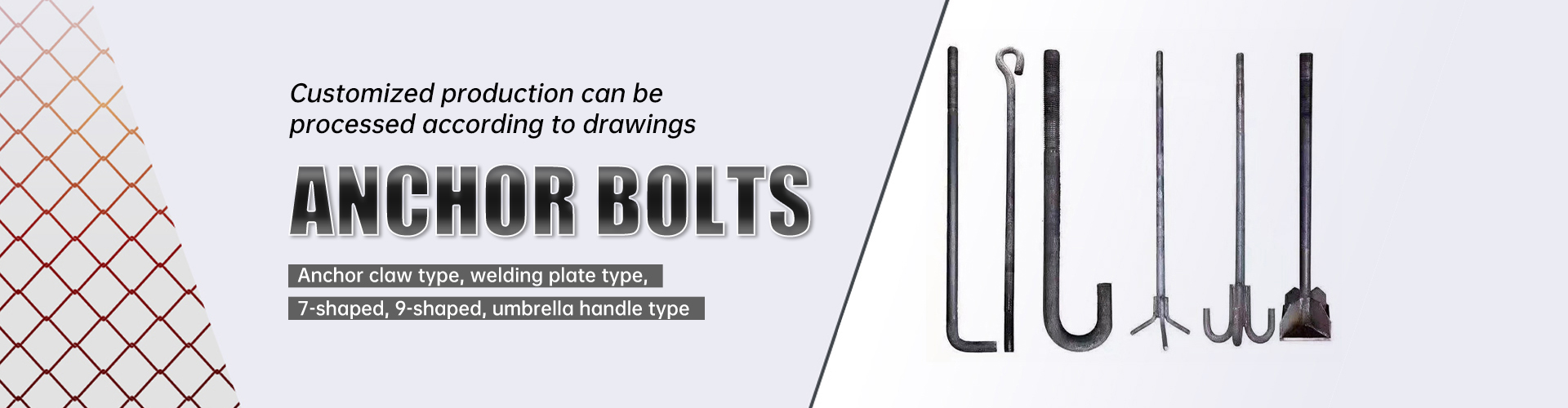
Best High Quality Bending Lightning Arrester Card Factory for Power Projects
2026-05-29
- Why Choose a Specialized Bending Lightning Arrester Card Factory
- Technical Specifications and Performance Standards
- The Manufacturing Process: From Raw Material to Finished Card
- Applications in Modern Power Projects
- Selection Guide: How to Choose the Right Arrester Card
- Common Mistakes in Arrester Installation and Maintenance
- Ensuring Trust and Reliability in Power Infrastructure
- Frequently Asked Questions (FAQ)
- Conclusion and Next Steps
Our factory specializes in manufacturing the best high-quality bending lightning arrester cards for critical power projects. We deliver precision-engineered surge protection components designed to withstand extreme electrical stress and harsh environmental conditions. By integrating advanced forming technologies with rigorous quality control, we ensure every arrester card meets international safety standards. Our solutions are tailored for utility substations, renewable energy farms, and industrial distribution networks requiring reliable overvoltage protection.
Why Choose a Specialized Bending Lightning Arrester Card Factory
Selecting the right manufacturer for bending lightning arrester cards is critical for the longevity of power infrastructure. Unlike generic component suppliers, a specialized factory understands the nuanced mechanical and electrical requirements of surge arresters. The bending process directly impacts the structural integrity of the metal oxide varistor (MOV) housing and the internal electrode connections.
A dedicated facility ensures that the curvature of the arrester card aligns perfectly with the specific voltage class and installation geometry. This precision prevents micro-cracks in the ceramic or polymer housing during thermal cycling. Furthermore, specialized factories maintain strict control over raw material sourcing, ensuring that the zinc oxide blocks and silicone rubber housings meet the highest dielectric standards.
Power project engineers prioritize manufacturers who can demonstrate consistent production capabilities. A focused factory environment allows for optimized workflow, reducing lead times while maintaining superior quality. This specialization translates to lower failure rates in the field and enhanced safety for grid operators.
Key Advantages of Dedicated Manufacturing
- Precision Engineering: Advanced CNC bending equipment ensures exact angles and radii for custom power project specifications.
- Material Consistency: Strict inbound inspection of zinc oxide discs and polymer composites guarantees uniform performance.
- Quality Assurance: In-house testing laboratories verify partial discharge levels and residual voltage ratings before shipment.
- Customization: Ability to modify terminal shapes and mounting brackets to fit unique substation layouts.
- Technical Support: Direct access to engineering teams for solving complex installation challenges.
Technical Specifications and Performance Standards
The performance of a lightning arrester card relies heavily on its technical parameters. Our factory adheres to IEC 60099-4 and IEEE C62.11 standards to ensure global compatibility. The bending process must not compromise the electrical characteristics of the internal column. We utilize finite element analysis (FEA) to simulate stress points during the forming stage, ensuring the final product can withstand mechanical loads without degradation.
High-quality arrester cards feature low residual voltage ratios, which means they clamp overvoltage spikes more effectively than standard models. This protects sensitive transformers and switchgear from insulation breakdown. The thermal stability of the unit is also paramount; our designs dissipate heat efficiently even after multiple surge events.
For power projects in coastal or industrial zones, corrosion resistance is a key specification. We apply specialized coatings and use marine-grade stainless steel for external fittings. This extends the service life of the arrester significantly, reducing maintenance costs over the asset’s lifecycle.
Core Electrical Parameters
| Parameter | Deskribapen | Standard Range |
|---|---|---|
| Rated Voltage (Ur) | Maximum permissible rms voltage across the arrester. | 3 kV to 800 kV |
| Continuous Operating Voltage (Uc) | Max rms voltage allowed for continuous operation. | Dependent on Ur |
| Nominal Discharge Current (In) | Peak value of current wave for classification. | 5 kA, 10 kA, 20 kA |
| Residual Voltage | Voltage across terminals during discharge. | < 2.5 x Ur (typical) |
| Pressure Relief Class | Ability to withstand internal fault currents. | Class 1 to Class 4 |
The Manufacturing Process: From Raw Material to Finished Card
Producing a high-quality bending lightning arrester card involves a multi-stage process that blends metallurgy, ceramics, and polymer science. The journey begins with the selection of high-purity zinc oxide powder. This powder is pressed into discs and sintered at controlled temperatures to form the non-linear resistive elements.
Once the varistor blocks are ready, they are assembled into columns with grading rings and spark gaps if required. The bending phase is where our factory excels. Using hydraulic presses with digital controls, we shape the metal end fittings and support brackets to precise tolerances. This step requires careful calculation to avoid inducing stress concentrations that could lead to future fractures.
After bending, the assembly undergoes a sealing process. For polymer-housed arresters, high-temperature vulcanization bonds the silicone rubber sheds to the core. This creates a hermetic seal that prevents moisture ingress, a common cause of failure in older porcelain designs. Finally, every unit passes through a series of electrical tests, including power frequency reference voltage measurement and partial discharge detection.
Step-by-Step Production Workflow
- Raw Material Inspection: Verification of zinc oxide purity and polymer tensile strength.
- Varistor Column Assembly: Stacking of discs with precise pressure application.
- Metal Forming (Bending): CNC-controlled bending of aluminum or copper terminals.
- Housing Application: Injection molding or wrapping of silicone/polymer housing.
- Curing and Sealing: Thermal treatment to ensure bond integrity.
- Electrical Testing: High-voltage impulse testing and leakage current measurement.
- Final Quality Audit: Visual inspection and dimensional verification.
Applications in Modern Power Projects
The demand for robust surge protection is growing across various sectors of the power industry. Our bending lightning arrester cards are deployed in diverse environments, from ultra-high voltage transmission lines to distributed solar farms. Each application presents unique challenges that our products are engineered to overcome.
In transmission substations, arresters protect expensive transformers from switching surges and direct lightning strikes. The ability to customize the bending angle allows for compact installation in crowded switchyards. For wind farms, the dynamic nature of the environment requires arresters that can handle frequent transient overvoltages caused by turbine operations.
Railway electrification systems also rely on specialized arrester configurations. The limited space along tracks necessitates compact, bent designs that fit within standard clearance envelopes. Our factory works closely with railway engineers to develop solutions that comply with EN 50124 standards for railway applications.
Sector-Specific Solutions
- Utility Grids: Station class arresters for 115kV to 765kV networks with heavy-duty bending for busbar connections.
- Renewable Energy: Compact designs for solar inverters and wind turbine generators, featuring UV-resistant housing.
- Industrial Plants: Medium voltage arresters for motor protection and capacitor bank switching.
- Railway Systems: Low-profile units designed for overhead catenary systems and traction substations.
- Data Centers: Precision arresters for protecting critical backup power systems and UPS units.
Selection Guide: How to Choose the Right Arrester Card
Choosing the correct lightning arrester card requires a thorough analysis of the system parameters. Engineers must consider the system voltage, grounding method, and the expected level of pollution in the installation area. A mismatch in selection can lead to premature failure or inadequate protection.
The first step is determining the rated voltage. This should be higher than the maximum temporary overvoltage the system might experience during a fault. Next, consider the discharge current capability. Areas with high lightning activity require arresters with higher nominal discharge currents, typically 10kA or 20kA.
Environmental factors play a significant role in the choice of housing material and creepage distance. In coastal regions, a longer creepage distance is necessary to prevent flashovers due to salt contamination. Similarly, industrial areas with chemical pollutants require housings with superior hydrophobicity to maintain performance.
Critical Selection Factors
| Factor | Consideration | Impact on Design |
|---|---|---|
| System Voltage | Normal and temporary overvoltage levels. | Determines number of varistor discs. |
| Lightning Density | Frequency of thunderstorms in the region. | Dictates discharge current rating (5kA vs 20kA). |
| Pollution Level | Presence of salt, dust, or chemicals. | Influences creepage distance and shed profile. |
| Installation Space | Available clearance and mounting orientation. | Defines bending angle and overall dimensions. |
| Thermal Environment | Ambient temperature range. | Affects thermal runaway margin and housing material. |
Common Mistakes in Arrester Installation and Maintenance
Even the best high-quality bending lightning arrester card can fail if installed incorrectly. One common error is improper torque application on the bending terminals. Over-tightening can crack the internal seal, while under-tightening leads to hot spots and eventual melting. Following the manufacturer’s torque specifications is essential.
Another frequent issue is ignoring the grounding connection quality. The effectiveness of an arrester depends on a low-impedance path to earth. Long, looping ground leads increase inductance, raising the residual voltage seen by the protected equipment. Ground leads should be as short and straight as possible.
Maintenance neglect is also a major cause of system unreliability. While modern polymer arresters are largely maintenance-free, periodic visual inspections are necessary. Look for signs of tracking, discoloration, or physical damage to the bends. Monitoring leakage current can provide early warnings of internal degradation.
Mantentze jarduerak
- Visual Inspection: Check for cracks, burns, or contamination on the housing annually.
- Leakage Current Monitoring: Measure resistive component of leakage current to detect aging.
- Thermal Imaging: Use IR cameras to identify hot spots at connection points.
- Ground Resistance Testing: Ensure the grounding system remains below acceptable limits.
- Cleanliness: Wash insulators in heavily polluted areas to restore hydrophobicity.
Ensuring Trust and Reliability in Power Infrastructure
Trustworthiness in the supply chain is paramount for power projects. Our factory operates with full transparency regarding our manufacturing processes and quality metrics. We understand that a failure in surge protection can cascade into widespread outages, costing millions in damages and lost productivity.
We maintain a culture of continuous improvement, regularly updating our bending machinery and testing protocols to align with the latest industry advancements. Our engineering team stays active in international standards committees, ensuring our products are always ahead of regulatory curves.
Client confidence is built on consistent delivery and proven performance. We provide comprehensive documentation for every batch, including test reports and material certificates. This level of detail allows project managers to verify compliance effortlessly during audits and commissioning phases.
Frequently Asked Questions (FAQ)
What is the primary function of a bending lightning arrester card?
The primary function is to divert high-voltage surges caused by lightning or switching events safely to the ground, protecting electrical equipment from damage. The “bending” aspect refers to the customized shape of the terminals or housing, allowing for optimal fitment in specific spatial constraints within substations or power lines.
How does the bending process affect the arrester’s performance?
If done correctly, the bending process has no negative effect on performance; rather, it enhances installation reliability. Precise bending ensures that mechanical stresses are evenly distributed, preventing cracks in the housing or internal components. Poor bending, however, can introduce stress points that lead to premature failure under thermal cycling.
Can these arrester cards be customized for specific voltage classes?
Yes, our factory specializes in customization. We can manufacture arrester cards for low voltage (LV), medium voltage (MV), and high voltage (HV) applications. The design, including the number of varistor discs and the geometry of the bends, is tailored to match the specific voltage class and system requirements.
What is the expected lifespan of a high-quality lightning arrester?
Under normal operating conditions and with proper maintenance, a high-quality polymer-housed lightning arrester can last between 20 to 30 years. Factors such as the frequency of surge events, environmental pollution, and thermal stress can influence the actual service life.
Do you provide testing certificates for your products?
Absolutely. Every shipment includes a comprehensive set of test certificates, including routine tests like reference voltage measurement and partial discharge testing. For large projects, we can also provide type test reports from accredited third-party laboratories verifying compliance with IEC or IEEE standards.
How do I determine the correct creepage distance for my location?
The required creepage distance depends on the pollution level of the installation site (e.g., light, medium, heavy, or very heavy). Our engineering team can assist in calculating the appropriate creepage distance based on local environmental data to ensure reliable operation without flashovers.
Conclusion and Next Steps
Securing the best high-quality bending lightning arrester card is a strategic decision for any power project. It ensures the resilience of your grid against unpredictable surges and extends the lifespan of your most valuable assets. Our factory combines decades of engineering expertise with state-of-the-art manufacturing to deliver products that define reliability.
We serve utilities, EPC contractors, and industrial facilities globally, providing tailored solutions that meet rigorous international standards. Whether you need standard station class arresters or complex custom-bent configurations for specialized applications, our team is ready to support your technical requirements.
Don’t compromise on the safety of your power infrastructure. Partner with a manufacturer that prioritizes precision, quality, and long-term performance. Contact our engineering team today to discuss your project specifications, request detailed parameter sheets, or schedule a factory audit.
Explore our full range of Surge Protection Devices and Technical Solutions
Mesedez, utzi mezu bat
-

-
-
Urriatu



Privacy Policy
Our Commitment to Privacy
Introduction.
Rainbow Inc. recognizes the importance of protecting the privacy of all personal information provided by its customers, including users of www.rainbow-inkjet.com and other Rainbow Inc. affiliated websites (collectively "Rainbow Inc. Sites"). We created the following policy guidelines with a fundamental respect for our customers´ right to privacy and because we value our relationships with our customers. Your visit to the Rainbow Inc. Sites is subject to this Privacy Statement and our Online Terms and Conditions.
Description.
This Privacy Statement describes the types of information we collect and how we may use that information. Our Privacy Statement also describes the measures we take to protect the security of this information as well as how you may reach us to update your contact information.
Data Collection
Personal Data Collected Directly From Visitors.
Rainbow Inc. collects personal information when: you submit questions or comments to us; you request information or materials; you request warranty or post-warranty service and support; you participate in surveys; and by other means that may be specifically provided for on the Rainbow Inc. Sites or in our correspondence with you.
Type of Personal Data.
The type of information collected directly from the user may include your name, your company's name, physical contact information, address, billing and delivery information, e-mail address, the products you use, demographic information such as your age, preferences, and interests and information relating to the sale or installation of your product.
Non-Personal Data Collected Automatically.
We may collect information about your interaction with Rainbow Inc. Sites and services. For example, we may use website analytics tools on our site to retrieve information from your browser, including the site you came from, the search engine(s) and the keywords you used to find our site, and the pages you view within our site. Additionally, we collect certain standard information that your browser sends to every website you visit, such as your IP address, browser type, capabilities and language, your operating system, access times and referring Web site addresses.
Storage and Processing.
Personal data collected on our websites may be stored and processed in the United States in which Rainbow Inc. or its affiliates, joint ventures, or third party servicers maintain facilities.
How We Use the Data
Services and transactions.
We use your personal data to deliver services or execute transactions you request, such as providing information about Rainbow Inc. products and services, processing orders, answering customer service requests, facilitating use of our Web sites, enabling online shopping, and so forth. In order to offer you a more consistent experience in interacting with Rainbow Inc., information collected by our websites may be combined with information we collect by other means.
Product Development.
We use the personal and non-personal data for product development, including for such processes as idea generation, product design and improvements, detail engineering, market research and marketing analysis.
Website Improvement.
We may use the personal and non-personal data to improve our websites (including our security measures) and related products or services, or to make our websites easier to use by eliminating the need for you to repeatedly enter the same information or by customizing our websites to your particular preference or interests.
Marketing Communications.
We may use your personal data to inform you of products or services available from Rainbow Inc. When collecting information that might be used to contact you about our products and services, we often give you the opportunity to opt-out from receiving such communications. Moreover, in our email communications with you we may include an unsubscribe link allowing you to stop delivery of that type of communication. If you elect to unsubscribe, we will remove you from the relevant list within 15 business days.
Commitment to Data Security
Security.
Rainbow Inc. Corporation uses reasonable precautions to keep the personal information disclosed to us secure. To prevent unauthorized access, maintain data accuracy, and ensure the correct use of information, we have put in place appropriate physical, electronic, and managerial procedures to safeguard and secure your personal information. For example, we store sensitive personal data on computer systems with limited access that are located in facilities to which access is limited. When you move around a site to which you have logged in, or from one site to another that uses the same login mechanism, we verify your identity by means of an encrypted cookie placed on your machine. Nonetheless, Rainbow Inc. Corporation does not guarantee the security, accuracy or completeness of any such information or procedures.
Internet.
The transmission of information via the internet is not completely secure. Although we do our best to protect your personal information, we cannot guarantee the security of your personal information transmitted to our Website. Any transmission of personal information is at your own risk. We are not responsible for circumvention of any privacy settings or security measures contained on the Rainbow Inc. Sites.
Jar zaitez gurekin harremanetan
If you have questions regarding this privacy statement, our handling of your personal data, or your privacy rights under applicable law, please contact us by mail at the address below.
Rainbow Inc.
Attn: Katherine Tan
Add: No.1658 Husong Road, Shanghai, China.
Statement Updates
Revisions.
Rainbow Inc. reserves the right to modify this privacy statement from time to time. If we decide to change our Privacy Statement, we will post the revised Statement here.
Date.
This Privacy Statement was last amended on September 7, 2022.