
- English
- Chinese
- French
- German
- Portuguese
- Spanish
- Russian
- Japanese
- Korean
- Arabic
- Irish
- Greek
- Turkish
- Italian
- Danish
- Romanian
- Indonesian
- Czech
- Afrikaans
- Swedish
- Polish
- Catalan
- Esperanto
- Hindi
- Lao
- Albanian
- Amharic
- Armenian
- Azerbaijani
- Belarusian
- Bengali
- Bosnian
- Bulgarian
- Cebuano
- Chichewa
- Corsican
- Croatian
- Dutch
- Estonian
- Filipino
- Finnish
- Frisian
- Galician
- Georgian
- Gujarati
- Haitian
- Hausa
- Hawaiian
- Hebrew
- Hmong
- Hungarian
- Icelandic
- Igbo
- Javanese
- Kannada
- Kazakh
- Khmer
- Kurdish
- Kyrgyz
- Latin
- Latvian
- Lithuanian
- Luxembou..
- Macedonian
- Malagasy
- Malay
- Malayalam
- Maltese
- Maori
- Marathi
- Mongolian
- Burmese
- Nepali
- Norwegian
- Pashto
- Persian
- Punjabi
- Serbian
- Sesotho
- Sinhala
- Slovak
- Slovenian
- Somali
- Samoan
- Scots Gaelic
- Shona
- Sindhi
- Sundanese
- Swahili
- Tajik
- Tamil
- Telugu
- Thai
- Ukrainian
- Urdu
- Uzbek
- Vietnamese
- Welsh
- Xhosa
- Yiddish
- Yoruba
- Zulu
- Kinyarwanda
- Tatar
- Oriya
- Turkmen
- Uyghur


Embedded parts in green tech?
2026-03-24
When people talk about green tech, they usually picture solar panels, wind turbines, or EV batteries. Hardly anyone thinks about the embedded parts – the anchors, the inserts, the threaded rods that hold these grand structures together. That’s a common blind spot. In reality, if these components fail, the entire ‘green’ system can come crashing down, literally. My experience has been that the sustainability of a project often hinges on these unglamorous, buried pieces of hardware. It’s not just about using recycled steel; it’s about engineering them to last 30 years in a corrosive offshore environment or under constant thermal cycling. That’s where the real challenge lies.
The Misconception of ‘Just a Bolt’
I’ve sat in meetings where procurement pushes for the lowest-cost fastener for a solar farm mounting system. The logic is simple: it’s just metal, it’s buried in concrete, how critical can it be? This is dangerously reductive. A galvanized embedded part in a soil with high chloride content can corrode faster than anticipated. I’ve seen retrofit projects where the entire array had to be decommissioned because the base anchors were compromised. The cost of replacing those embedded parts exceeded the initial savings tenfold. It’s a lesson in total cost of ownership that the industry is still slowly learning.
The specification is everything. For a recent agro-voltaic project, we couldn’t use standard hot-dip galvanizing. The ammonia volatilizing from the farmland beneath the panels created a specific atmospheric corrosion risk. We ended up specifying a duplex coating system – zinc plus a polymer sealant – for all embedded steel components. It was a detail, but getting it wrong would have led to premature failure and contaminated soil. The green aspect isn’t just the energy produced; it’s ensuring the installation doesn’t create a future waste or pollution problem.
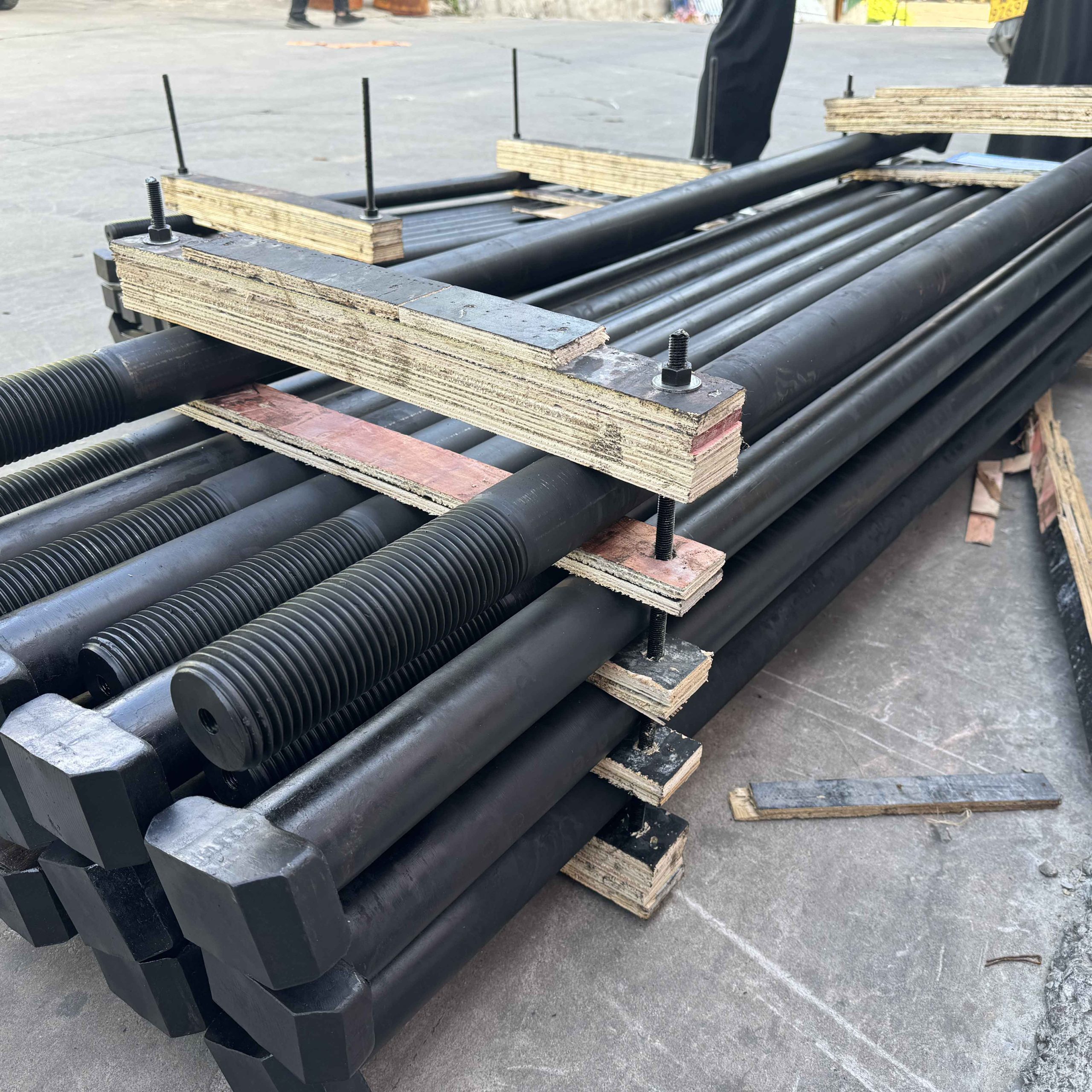
This is where specialized manufacturers matter. You need a supplier who understands these environmental stressors, not just one who punches out standard M20 rods. I’ve worked with factories that get it. For instance, Handan Zitai Fastener Manufacturing Co., Ltd. , based in China’s major fastener production hub in Yongnian, Handan, often deals with these custom, environment-specific requests. Their location near major transport routes is a practical advantage for logistics, but it’s their ability to execute on specialized coatings and material grades that makes them a relevant player. It’s not about off-the-shelf products; it’s about collaborative problem-solving for embedded applications.
Case in Point: The Floating Solar Headache
Floating PV is a booming segment. Everyone focuses on the pontoon material and the panel efficiency. The nightmare? The embedded stainless steel brackets that connect the panel frames to the floating docks. Freshwater is one thing, but in a brackish reservoir, you have a perfect storm: constant moisture, oxygen, and chlorides. We specified 316 stainless for a project, thinking it was conservative.
Two years in, we found stress corrosion cracking at the weld points of the embedded brackets. The issue wasn’t the base material, but the thermal effects from welding during assembly, which altered the microstructure in the heat-affected zone, making it susceptible in that specific environment. The fix was non-trivial: shifting to a premium-grade stainless with higher molybdenum content and enforcing strict post-weld treatment protocols for all embedded components. It blew a hole in the budget but saved the project.
This gets to a core principle: embedded parts in green tech are systems, not commodities. Their performance is tied to material science, manufacturing process, installation method, and the exact micro-environment they sit in. You can’t spec them in isolation from the rest of the engineering design. The floating solar case taught me to always involve the fastener or embedded parts specialist at the CAD stage, not the procurement stage.
The Weight of Expectations and Reality
There’s immense pressure to make every aspect of a green tech project ‘green,’ including the embedded parts. This leads to a push for novel materials like bio-based composites or radically new alloys. I’m all for innovation, but I’ve also witnessed pilot failures. We trialed a high-strength composite rod in a geothermal heat pump field. The theory was perfect: non-corrosive, lower embodied carbon.
In practice, the differential thermal expansion between the composite rod and the surrounding concrete grout created micro-fractures over just 18 months, allowing water ingress and leading to a loss of structural grip. We reverted to a more traditional, corrosion-protected steel alloy. The lesson wasn’t to avoid new materials, but to test them under full-scale, real-world stress and environmental cycles, not just lab conditions. The ‘greenness’ of a component that fails early is zero.
Sometimes, the most sustainable choice is the highly durable, perfectly specified traditional material. Its longevity avoids replacement, mining, and processing of new material. This lifecycle analysis is becoming crucial. We’re now starting to request Environmental Product Declarations (EPDs) for major embedded items, which is pushing manufacturers to provide more transparent data on their processes. It’s a slow shift, but it’s moving the needle from vague claims to verifiable specs.
Logistics and the On-Site Gamble
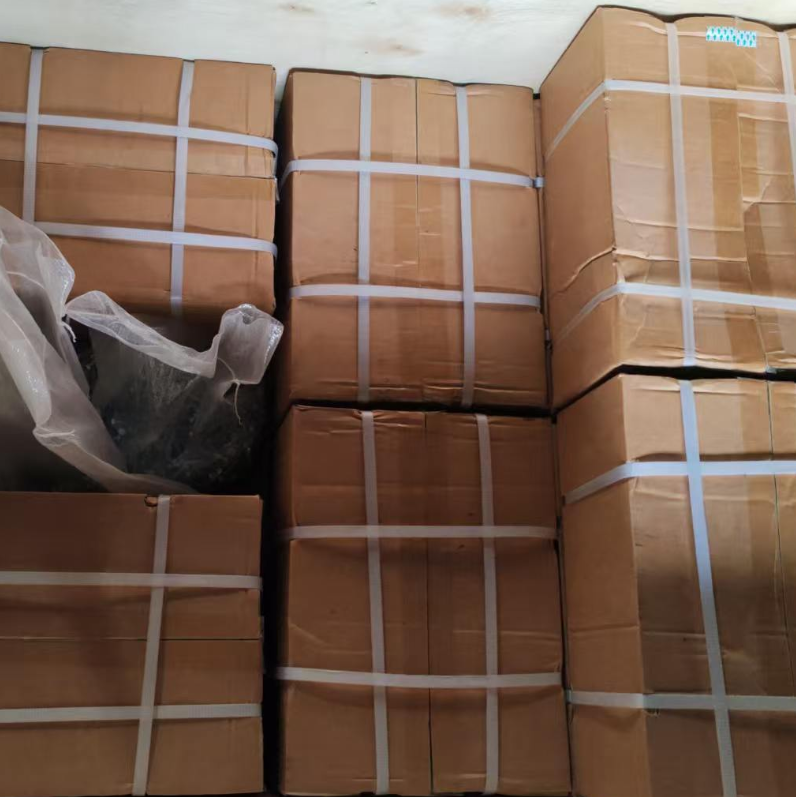
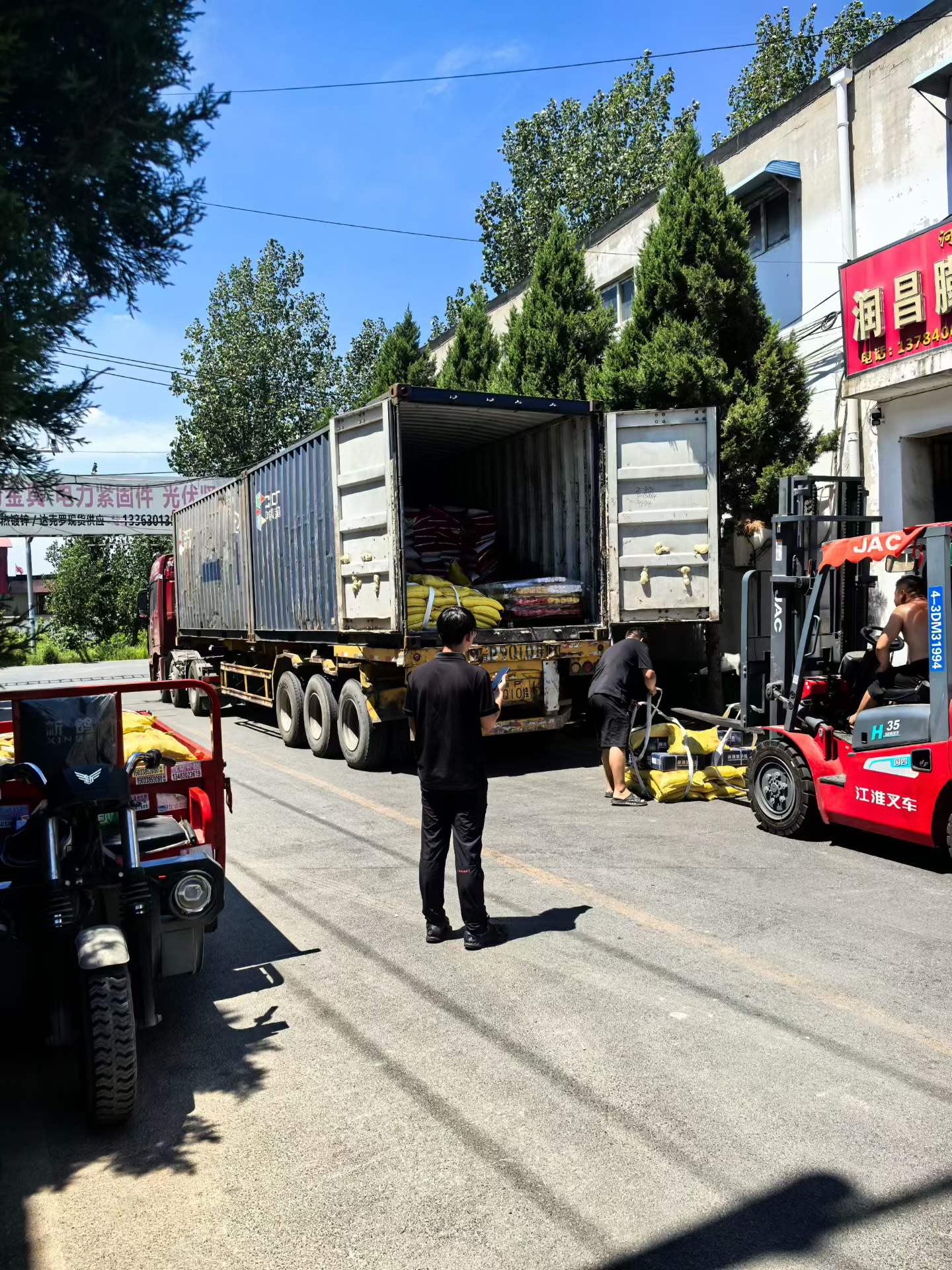
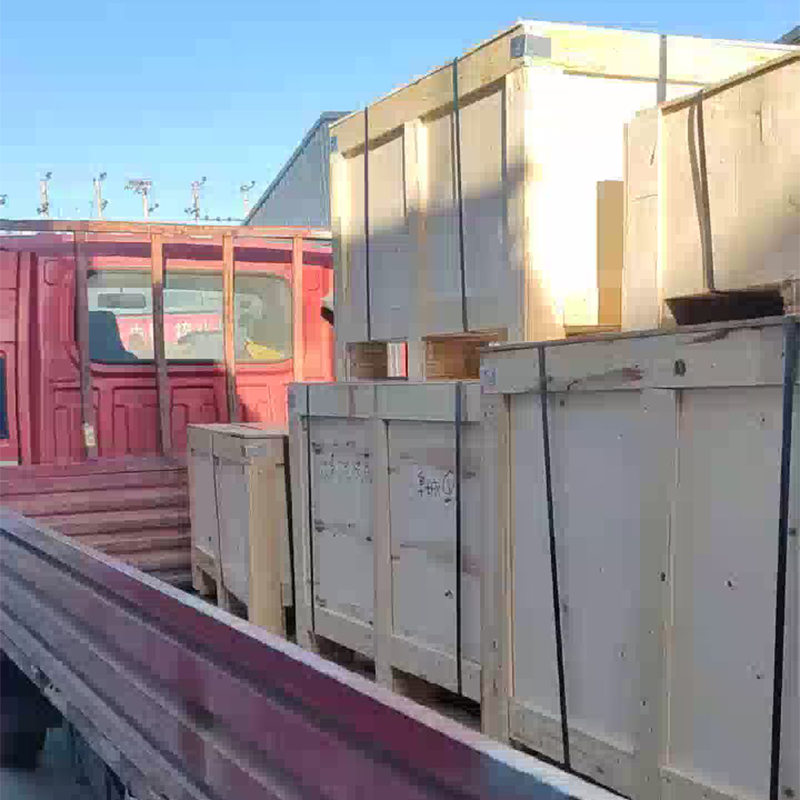
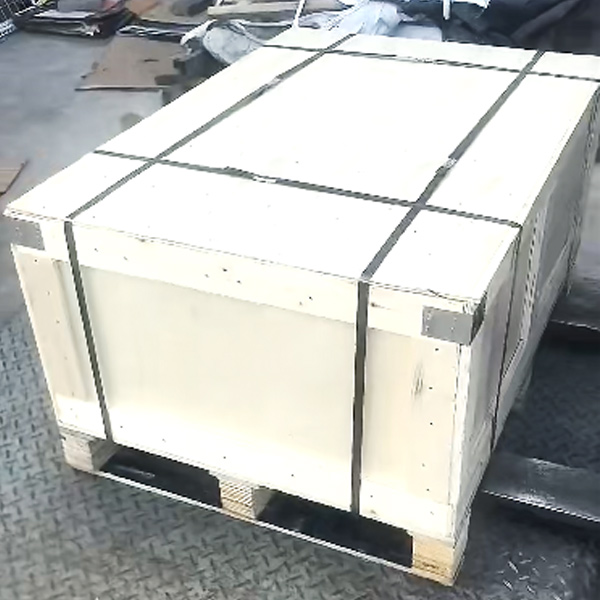
A detail no one talks about until they’re on a remote site: packaging and identification. You order 50 pallets of custom embedded anchors for a wind farm. They arrive, and the heat-number tags for material traceability are washed off from rain during transport, or the protective caps for threaded ends are missing. Now you have a batch of expensive, mission-critical parts with compromised corrosion protection and no way to verify their material certification. Do you install them and hope, or delay the foundation pour by weeks?
I’ve faced this. We chose to delay. The risk of installing an unverified part, especially in a fatigue-critical application like a wind turbine base, is existential. Now, it’s a line item in our supplier contracts: protective packaging standards and permanent, weather-proof identification methods. A supplier’s attention to these mundane details is often a proxy for their overall quality culture. The convenience of a supplier’s location, like Handan Zitai Fastener’s proximity to key highways and rails, only matters if the parts arrive site-ready.
This extends to installation. We’ve had crews mistakenly use impact wrenches on delicate embedded inserts designed for hand-tightening, stripping the threads and making them useless. The training gap between the structural engineer, the parts manufacturer, and the field crew is a real vulnerability. We’ve started producing short, illustrated installation guides in multiple languages for every custom embedded component. It seems obvious, but it was born from costly field errors.
Looking Ahead: Integration is Key
Etorkizuna embedded parts in green tech isn’t just about better coatings. It’s about smarter integration. I’m seeing more interest in ‘instrumented’ anchors or rods with built-in fiber optics to monitor stress and corrosion in real-time, especially in geothermal or offshore applications. The embedded component becomes a sentinel for the entire structure’s health.
Another trend is designing for decommissioning. Can the embedded steel be easily extracted and recycled at end-of-life, or is it destined for landfill? We’re experimenting with sacrificial corrosion links and mechanical anchor systems that allow for disassembly, moving beyond the traditional ‘cast-in-and-forget’ mentality. This is the next frontier of circularity in our field.
Ultimately, the role of these parts is being redefined. They are transitioning from passive, hidden items to active, characterized elements of the green asset. This demands a closer partnership between green tech developers, structural engineers, and a new breed of specialized component manufacturers who think in systems, not just pieces. The companies that understand this shift – that see their bolts and anchors as integral to the longevity and true sustainability of a project – are the ones that will become embedded, pun intended, in the industry’s future.
Mesedez, utzi mezu bat
-

-
-
Urriatu



Privacy Policy
Our Commitment to Privacy
Introduction.
Rainbow Inc. recognizes the importance of protecting the privacy of all personal information provided by its customers, including users of www.rainbow-inkjet.com and other Rainbow Inc. affiliated websites (collectively "Rainbow Inc. Sites"). We created the following policy guidelines with a fundamental respect for our customers´ right to privacy and because we value our relationships with our customers. Your visit to the Rainbow Inc. Sites is subject to this Privacy Statement and our Online Terms and Conditions.
Description.
This Privacy Statement describes the types of information we collect and how we may use that information. Our Privacy Statement also describes the measures we take to protect the security of this information as well as how you may reach us to update your contact information.
Data Collection
Personal Data Collected Directly From Visitors.
Rainbow Inc. collects personal information when: you submit questions or comments to us; you request information or materials; you request warranty or post-warranty service and support; you participate in surveys; and by other means that may be specifically provided for on the Rainbow Inc. Sites or in our correspondence with you.
Type of Personal Data.
The type of information collected directly from the user may include your name, your company's name, physical contact information, address, billing and delivery information, e-mail address, the products you use, demographic information such as your age, preferences, and interests and information relating to the sale or installation of your product.
Non-Personal Data Collected Automatically.
We may collect information about your interaction with Rainbow Inc. Sites and services. For example, we may use website analytics tools on our site to retrieve information from your browser, including the site you came from, the search engine(s) and the keywords you used to find our site, and the pages you view within our site. Additionally, we collect certain standard information that your browser sends to every website you visit, such as your IP address, browser type, capabilities and language, your operating system, access times and referring Web site addresses.
Storage and Processing.
Personal data collected on our websites may be stored and processed in the United States in which Rainbow Inc. or its affiliates, joint ventures, or third party servicers maintain facilities.
How We Use the Data
Services and transactions.
We use your personal data to deliver services or execute transactions you request, such as providing information about Rainbow Inc. products and services, processing orders, answering customer service requests, facilitating use of our Web sites, enabling online shopping, and so forth. In order to offer you a more consistent experience in interacting with Rainbow Inc., information collected by our websites may be combined with information we collect by other means.
Product Development.
We use the personal and non-personal data for product development, including for such processes as idea generation, product design and improvements, detail engineering, market research and marketing analysis.
Website Improvement.
We may use the personal and non-personal data to improve our websites (including our security measures) and related products or services, or to make our websites easier to use by eliminating the need for you to repeatedly enter the same information or by customizing our websites to your particular preference or interests.
Marketing Communications.
We may use your personal data to inform you of products or services available from Rainbow Inc. When collecting information that might be used to contact you about our products and services, we often give you the opportunity to opt-out from receiving such communications. Moreover, in our email communications with you we may include an unsubscribe link allowing you to stop delivery of that type of communication. If you elect to unsubscribe, we will remove you from the relevant list within 15 business days.
Commitment to Data Security
Security.
Rainbow Inc. Corporation uses reasonable precautions to keep the personal information disclosed to us secure. To prevent unauthorized access, maintain data accuracy, and ensure the correct use of information, we have put in place appropriate physical, electronic, and managerial procedures to safeguard and secure your personal information. For example, we store sensitive personal data on computer systems with limited access that are located in facilities to which access is limited. When you move around a site to which you have logged in, or from one site to another that uses the same login mechanism, we verify your identity by means of an encrypted cookie placed on your machine. Nonetheless, Rainbow Inc. Corporation does not guarantee the security, accuracy or completeness of any such information or procedures.
Internet.
The transmission of information via the internet is not completely secure. Although we do our best to protect your personal information, we cannot guarantee the security of your personal information transmitted to our Website. Any transmission of personal information is at your own risk. We are not responsible for circumvention of any privacy settings or security measures contained on the Rainbow Inc. Sites.
Jar zaitez gurekin harremanetan
If you have questions regarding this privacy statement, our handling of your personal data, or your privacy rights under applicable law, please contact us by mail at the address below.
Rainbow Inc.
Attn: Katherine Tan
Add: No.1658 Husong Road, Shanghai, China.
Statement Updates
Revisions.
Rainbow Inc. reserves the right to modify this privacy statement from time to time. If we decide to change our Privacy Statement, we will post the revised Statement here.
Date.
This Privacy Statement was last amended on September 7, 2022.