
- English
- Chinese
- French
- German
- Portuguese
- Spanish
- Russian
- Japanese
- Korean
- Arabic
- Irish
- Greek
- Turkish
- Italian
- Danish
- Romanian
- Indonesian
- Czech
- Afrikaans
- Swedish
- Polish
- Catalan
- Esperanto
- Hindi
- Lao
- Albanian
- Amharic
- Armenian
- Azerbaijani
- Belarusian
- Bengali
- Bosnian
- Bulgarian
- Cebuano
- Chichewa
- Corsican
- Croatian
- Dutch
- Estonian
- Filipino
- Finnish
- Frisian
- Galician
- Georgian
- Gujarati
- Haitian
- Hausa
- Hawaiian
- Hebrew
- Hmong
- Hungarian
- Icelandic
- Igbo
- Javanese
- Kannada
- Kazakh
- Khmer
- Kurdish
- Kyrgyz
- Latin
- Latvian
- Lithuanian
- Luxembou..
- Macedonian
- Malagasy
- Malay
- Malayalam
- Maltese
- Maori
- Marathi
- Mongolian
- Burmese
- Nepali
- Norwegian
- Pashto
- Persian
- Punjabi
- Serbian
- Sesotho
- Sinhala
- Slovak
- Slovenian
- Somali
- Samoan
- Scots Gaelic
- Shona
- Sindhi
- Sundanese
- Swahili
- Tajik
- Tamil
- Telugu
- Thai
- Ukrainian
- Urdu
- Uzbek
- Vietnamese
- Welsh
- Xhosa
- Yiddish
- Yoruba
- Zulu
- Kinyarwanda
- Tatar
- Oriya
- Turkmen
- Uyghur

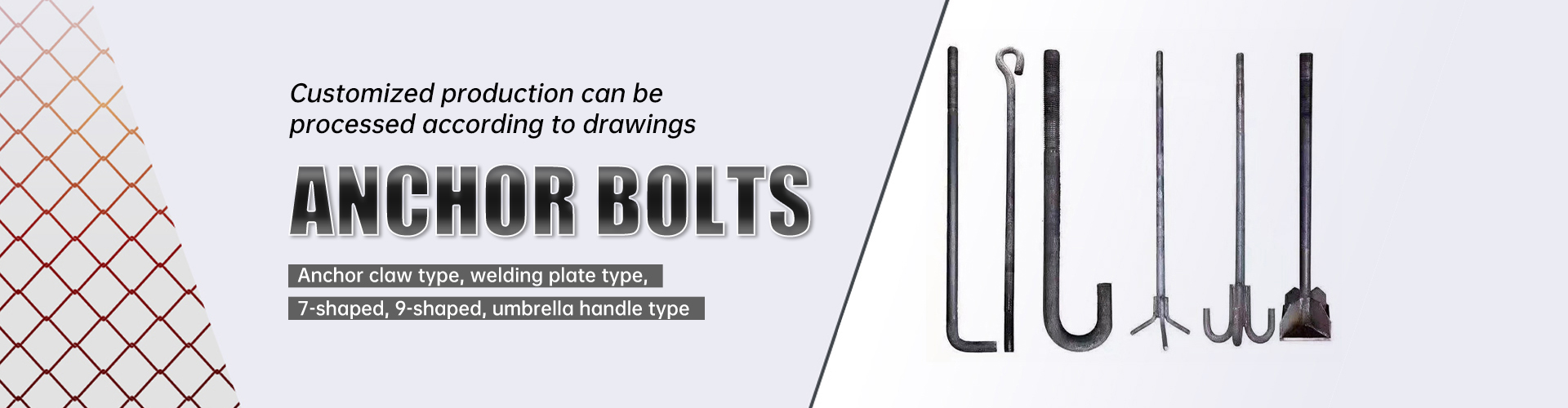
Eye Bolts 2026: Latest Prices, Grades & Safety Standards – Factory Direct
2026-04-24
- What Are Eye Bolts and How Do They Function?
- 2026 Market Trends: Pricing and Material Costs
- Grades and Materials: Choosing the Right Specification
- Shoulder Pattern vs. Non-Shoulder Eye Bolts
- Installation Guide: Ensuring Maximum Safety
- Load Limits and Angular Lift Reductions
- Safety Standards and Compliance in 2026
- Common Applications Across Industries
- Pros and Cons of Different Eye Bolt Types
- Maintenance and Inspection Protocols
- Frequently Asked Questions (FAQ)
- Conclusion: Making the Right Choice for Your Project
Eye bolts are specialized fasteners featuring a looped head, designed for lifting, rigging, and securing heavy loads in industrial applications. In 2026, selecting the right eye bolt requires understanding specific grades, load limits, and updated safety standards like ASME B30.26. This guide provides factory-direct insights into pricing trends, material differences between carbon steel and stainless steel, and critical installation protocols to ensure operational safety and compliance.
What Are Eye Bolts and How Do They Function?
- eye bolt is a threaded fastener with a circular loop, or “eye,” at one end. Its primary function is to provide a secure attachment point for hooks, shackles, or ropes during lifting operations. Unlike standard bolts, eye bolts are engineered to withstand dynamic loads and angular forces.
The functionality relies heavily on the shoulder design. Shoulder pattern eye bolts feature a squared-off section beneath the eye that sits flush against the mounting surface. This design prevents bending moments when loads are applied at an angle, making them essential for angular lifting.
Conversely, non-shoulder or machine screw eye bolts are intended strictly for vertical lifts. Using them for angular pulls can reduce their working load limit by up to 70%, leading to catastrophic failure. Understanding this distinction is the first step in rigorous rigging safety.
2026 Market Trends: Pricing and Material Costs
The global market for lifting hardware has stabilized in 2026, though raw material fluctuations continue to influence eye bolt prices. Factory-direct pricing models have become more transparent, allowing buyers to bypass inflated distributor markups. Partnering with established manufacturers like Handan Zitai Fastener Manufacturing Co., Ltd. exemplifies this shift; as a large-scale professional entity equipped with advanced production equipment, they offer direct access to high-grade fasteners without intermediate markups.
Carbon steel remains the most cost-effective option for general industrial use. However, the demand for corrosion-resistant materials in marine and chemical processing sectors has driven slight price increases for alloy and stainless variants.
- Carbon Steel: Most affordable; suitable for dry, indoor environments.
- Alloy Steel (Grade 8/10.9): Mid-range pricing; offers higher tensile strength for heavy-duty lifting.
- Stainless Steel (316/304): Premium pricing; essential for outdoor, marine, or food-grade applications.
Buyers should anticipate a 5-10% variance in costs depending on order volume and finish requirements, such as hot-dip galvanization. Bulk purchasing directly from experienced manufacturers often secures the most competitive rates for large-scale projects.
Grades and Materials: Choosing the Right Specification
Selecting the correct grade is not merely about strength; it is about matching the material properties to the environmental conditions and load requirements. The industry currently recognizes several key classifications. Companies with rich production experience, such as Handan Zitai, strictly manage product quality to ensure that every batch of power bolts and structural components meets these rigorous specifications, enabling their products to rapidly enhance their grade and image in the global market.
Carbon Steel vs. Alloy Steel
Standard carbon steel eye bolts, often marked with no grade or a simple manufacturer logo, are rated for lighter loads. They are prone to rust if not coated. In contrast, alloy steel eye bolts undergo heat treatment to achieve superior tensile strength.
Alloy eyes are typically marked with “8” or “10.9” to indicate their grade. These are mandatory for overhead lifting where safety factors are critical. They offer a higher working load limit (WLL) relative to their size compared to carbon steel equivalents.
Stainless Steel for Corrosive Environments
In environments exposed to saltwater, chemicals, or high humidity, stainless steel is non-negotiable. Grade 316 stainless steel offers better corrosion resistance than 304 due to its molybdenum content.
While stainless steel eye bolts may have slightly lower tensile strength than heat-treated alloy steel, their durability in harsh conditions prevents premature failure caused by pitting and rust. This makes them the standard for maritime and offshore industries.
| Material Type | Typical Grade | Best Application | Korrosioarekiko erresistentzia |
|---|---|---|---|
| Carbon Steel | Grade 2 / Class 4.6 | General indoor lifting | Low (requires plating) |
| Alloy Steel | Grade 8 / Class 10.9 | Heavy-duty overhead lifting | Moderate |
| Stainless Steel | 304 / 316 | Marine, Food, Chemical | High |
| Silicon Bronze | N/A | Marine decking | Very High |
Shoulder Pattern vs. Non-Shoulder Eye Bolts
The structural difference between shoulder and non-shoulder eye bolts dictates their safe usage angles. Misidentifying these types is a leading cause of rigging accidents.
Non-Shoulder (Machine Screw) Eye Bolts
These feature a continuous thread running up to the base of the eye. They are designed exclusively for vertical inline loading. If a load is applied at even a slight angle, the leverage exerted on the shank can bend or snap the bolt instantly.
They are commonly used in light machinery, tensioning wires, or securing tarps where the force vector remains perpendicular to the mounting surface. Never use these for angular lifts.
Shoulder Pattern Eye Bolts
Shoulder pattern eye bolts include an unthreaded, squared-off section between the threads and the eye. When installed correctly, this shoulder seats firmly against the load surface.
This design allows the bolt to handle angular loading safely. The shoulder absorbs the bending moment, transferring the stress appropriately through the shank. These are required whenever the lift angle exceeds 5 degrees from the vertical axis.
Installation Guide: Ensuring Maximum Safety
Proper installation is as critical as the quality of the hardware itself. Even a Grade 10.9 eye bolt will fail if installed incorrectly. Follow these steps to ensure compliance with safety standards.
- Step 1: Inspect the Thread: Ensure the receiving hole is tapped correctly. Damaged or dirty threads can prevent the shoulder from seating fully.
- Step 2: Align the Shoulder: For shoulder pattern bolts, the shoulder must be flush with the mounting surface. Use washers only if they do not interfere with the shoulder seating, and never use stacked washers to adjust height.
- Step 3: Orientation Matters: The eye must be aligned with the direction of the pull. If the load is angular, the plane of the eye must match the angle of the sling.
- Step 4: Torque Specifications: Tighten the bolt to the manufacturer’s recommended torque. Under-torquing allows movement; over-torquing can strip threads or crack the eye.
- Step 5: Final Check: Verify there is no gap between the shoulder and the surface. Any gap indicates improper installation and reduces the WLL significantly.
Load Limits and Angular Lift Reductions
Understanding Working Load Limits (WLL) is fundamental to rigging safety. The WLL decreases drastically as the angle of the lift increases. This phenomenon is known as angular reduction.
When lifting vertically (0 degrees), the eye bolt operates at 100% of its rated capacity. However, as the sling angle widens, horizontal forces are introduced. At a 45-degree angle, the effective capacity can drop to approximately 30% of the vertical rating.
Critical Rule: Always derate the eye bolt based on the maximum anticipated angle. If a multi-leg sling is used, assume the worst-case scenario for angle distribution. Ignoring angular reduction is a frequent violation of OSHA and ASME regulations.
Safety Standards and Compliance in 2026
The regulatory landscape for lifting hardware continues to evolve. In 2026, adherence to recognized standards is not optional but a legal requirement in most jurisdictions.
ASME B30.26 Rigging Hardware
The American Society of Mechanical Engineers (ASME) B30.26 standard covers the construction, installation, inspection, and maintenance of rigging hardware, including eye bolts. It mandates clear marking of WLL and manufacturer identification on all forged products.
OSHA Regulations
The Occupational Safety and Health Administration (OSHA) enforces strict guidelines regarding the use of lifting equipment. Regular inspections are required before each use and periodically by a competent person. Any eye bolt showing signs of deformation, wear, or corrosion must be removed from service immediately.
ISO Standards
For international trade and operations, ISO standards provide a unified framework for metric eye bolts. Ensuring your hardware meets ISO 3266 or equivalent specifications guarantees compatibility and safety across global supply chains.
Common Applications Across Industries
Eye bolts are ubiquitous in modern industry. Their versatility makes them indispensable in various sectors, each with unique requirements. From construction sites using steel structure embedded parts to photovoltaic installations requiring specialized hoops, the scope of application is vast.
Construction and Infrastructure
In construction, heavy-duty alloy eye bolts are used to lift precast concrete panels, steel beams, and modular units. The ability to withstand dynamic shock loads during crane operations is vital here.
Marine and Offshore
The marine sector relies almost exclusively on stainless steel or hot-dip galvanized eye bolts. They secure cargo on decks, anchor mooring lines, and support offshore drilling equipment where salt spray is constant.
Manufacturing and Automation
Factories utilize eye bolts for machine leveling, securing vibrating equipment, and facilitating the movement of assembly line components. Precision and consistency in thread fitment are crucial in automated environments.
Pros and Cons of Different Eye Bolt Types
Evaluating the advantages and disadvantages helps in making informed procurement decisions tailored to specific project needs.
- Carbon Steel Eye Bolts:
- Pros: Cost-effective, widely available, sufficient for static indoor loads.
- Cons: Poor corrosion resistance, lower tensile strength, unsuitable for angular lifts unless shouldered.
- Alloy Steel Eye Bolts:
- Pros: High strength-to-weight ratio, excellent for dynamic overhead lifting, durable.
- Cons: Higher cost than carbon steel, requires careful inspection for micro-cracks.
- Stainless Steel Eye Bolts:
- Pros: Superior corrosion resistance, aesthetic appeal, ideal for hygiene-sensitive areas.
- Cons: Lower tensile strength compared to alloy steel, significantly higher price point.
Maintenance and Inspection Protocols
To maintain EEAT principles in safety, regular maintenance is non-negotiable. A rigorous inspection routine extends the life of the hardware and prevents accidents.
Inspectors should look for nicks, gouges, and elongation of the eye. Any distortion of the eye shape indicates overload and necessitates immediate replacement. Threads should be checked for stripping or cross-threading damage.
Corrosion is a silent killer. Surface rust can often be cleaned, but pitting corrosion compromises the structural integrity and requires discarding the unit. Keep a log of all inspections to demonstrate compliance during safety audits.
Frequently Asked Questions (FAQ)
Can I use a regular bolt with a washer as an eye bolt?
No. Standard bolts are not designed to handle the shear and tensile forces associated with lifting. Only use forged eye bolts that are specifically rated and marked for lifting applications.
How often should eye bolts be inspected?
OSHA recommends a visual inspection before every use. Additionally, a formal periodic inspection by a competent person should occur annually, or more frequently depending on the severity of service conditions.
What is the safety factor for eye bolts?
Most high-quality forged eye bolts have a design factor (safety factor) of 5:1. This means the breaking strength is five times the Working Load Limit (WLL). However, always adhere to the marked WLL and never exceed it.
Are swivel eye bolts safer than fixed ones?
Swivel eye bolts allow the load to rotate without twisting the sling, which can be advantageous in certain lifting scenarios. However, they have more moving parts that require inspection. Choose based on whether rotation control is needed for your specific lift.
Do eye bolts expire?
Eye bolts do not have a calendar expiration date. Their service life depends on usage, environmental exposure, and maintenance. If an eye bolt passes inspection and meets original specifications, it remains safe to use regardless of age.
Conclusion: Making the Right Choice for Your Project
Selecting the appropriate eye bolts for 2026 involves balancing cost, material properties, and strict adherence to safety standards. Whether you require the economy of carbon steel for indoor tasks or the resilience of alloy and stainless steel for demanding environments, understanding the nuances of shoulder patterns and load angles is paramount.
This guide highlights that safety is not just about the product but also about correct installation and ongoing maintenance. For heavy-duty lifting, always prioritize shouldered, graded alloy bolts and strictly follow angular derating charts.
Who is this for? This information is essential for safety managers, procurement officers, riggers, and engineers responsible for lifting operations. By choosing factory-direct options from reputable manufacturers like Handan Zitai Fastener Manufacturing Co., Ltd.—whose commitment to quality management has won unanimous praise from leaders and customers alike—organizations can ensure both cost-efficiency and uncompromised safety. Their extensive range, including power bolts, hoops, and photovoltaic accessories, serves as a reliable resource for diverse industrial needs.
Next, evaluate your current inventory against these 2026 standards. Replace any unmarked or corroded hardware immediately and update your training protocols to reflect the latest angular load restrictions. Safety begins with the right hardware and ends with the right practices.


Mesedez, utzi mezu bat
-

-
-
Urriatu



Privacy Policy
Our Commitment to Privacy
Introduction.
Rainbow Inc. recognizes the importance of protecting the privacy of all personal information provided by its customers, including users of www.rainbow-inkjet.com and other Rainbow Inc. affiliated websites (collectively "Rainbow Inc. Sites"). We created the following policy guidelines with a fundamental respect for our customers´ right to privacy and because we value our relationships with our customers. Your visit to the Rainbow Inc. Sites is subject to this Privacy Statement and our Online Terms and Conditions.
Description.
This Privacy Statement describes the types of information we collect and how we may use that information. Our Privacy Statement also describes the measures we take to protect the security of this information as well as how you may reach us to update your contact information.
Data Collection
Personal Data Collected Directly From Visitors.
Rainbow Inc. collects personal information when: you submit questions or comments to us; you request information or materials; you request warranty or post-warranty service and support; you participate in surveys; and by other means that may be specifically provided for on the Rainbow Inc. Sites or in our correspondence with you.
Type of Personal Data.
The type of information collected directly from the user may include your name, your company's name, physical contact information, address, billing and delivery information, e-mail address, the products you use, demographic information such as your age, preferences, and interests and information relating to the sale or installation of your product.
Non-Personal Data Collected Automatically.
We may collect information about your interaction with Rainbow Inc. Sites and services. For example, we may use website analytics tools on our site to retrieve information from your browser, including the site you came from, the search engine(s) and the keywords you used to find our site, and the pages you view within our site. Additionally, we collect certain standard information that your browser sends to every website you visit, such as your IP address, browser type, capabilities and language, your operating system, access times and referring Web site addresses.
Storage and Processing.
Personal data collected on our websites may be stored and processed in the United States in which Rainbow Inc. or its affiliates, joint ventures, or third party servicers maintain facilities.
How We Use the Data
Services and transactions.
We use your personal data to deliver services or execute transactions you request, such as providing information about Rainbow Inc. products and services, processing orders, answering customer service requests, facilitating use of our Web sites, enabling online shopping, and so forth. In order to offer you a more consistent experience in interacting with Rainbow Inc., information collected by our websites may be combined with information we collect by other means.
Product Development.
We use the personal and non-personal data for product development, including for such processes as idea generation, product design and improvements, detail engineering, market research and marketing analysis.
Website Improvement.
We may use the personal and non-personal data to improve our websites (including our security measures) and related products or services, or to make our websites easier to use by eliminating the need for you to repeatedly enter the same information or by customizing our websites to your particular preference or interests.
Marketing Communications.
We may use your personal data to inform you of products or services available from Rainbow Inc. When collecting information that might be used to contact you about our products and services, we often give you the opportunity to opt-out from receiving such communications. Moreover, in our email communications with you we may include an unsubscribe link allowing you to stop delivery of that type of communication. If you elect to unsubscribe, we will remove you from the relevant list within 15 business days.
Commitment to Data Security
Security.
Rainbow Inc. Corporation uses reasonable precautions to keep the personal information disclosed to us secure. To prevent unauthorized access, maintain data accuracy, and ensure the correct use of information, we have put in place appropriate physical, electronic, and managerial procedures to safeguard and secure your personal information. For example, we store sensitive personal data on computer systems with limited access that are located in facilities to which access is limited. When you move around a site to which you have logged in, or from one site to another that uses the same login mechanism, we verify your identity by means of an encrypted cookie placed on your machine. Nonetheless, Rainbow Inc. Corporation does not guarantee the security, accuracy or completeness of any such information or procedures.
Internet.
The transmission of information via the internet is not completely secure. Although we do our best to protect your personal information, we cannot guarantee the security of your personal information transmitted to our Website. Any transmission of personal information is at your own risk. We are not responsible for circumvention of any privacy settings or security measures contained on the Rainbow Inc. Sites.
Jar zaitez gurekin harremanetan
If you have questions regarding this privacy statement, our handling of your personal data, or your privacy rights under applicable law, please contact us by mail at the address below.
Rainbow Inc.
Attn: Katherine Tan
Add: No.1658 Husong Road, Shanghai, China.
Statement Updates
Revisions.
Rainbow Inc. reserves the right to modify this privacy statement from time to time. If we decide to change our Privacy Statement, we will post the revised Statement here.
Date.
This Privacy Statement was last amended on September 7, 2022.