
- English
- Chinese
- French
- German
- Portuguese
- Spanish
- Russian
- Japanese
- Korean
- Arabic
- Irish
- Greek
- Turkish
- Italian
- Danish
- Romanian
- Indonesian
- Czech
- Afrikaans
- Swedish
- Polish
- Catalan
- Esperanto
- Hindi
- Lao
- Albanian
- Amharic
- Armenian
- Azerbaijani
- Belarusian
- Bengali
- Bosnian
- Bulgarian
- Cebuano
- Chichewa
- Corsican
- Croatian
- Dutch
- Estonian
- Filipino
- Finnish
- Frisian
- Galician
- Georgian
- Gujarati
- Haitian
- Hausa
- Hawaiian
- Hebrew
- Hmong
- Hungarian
- Icelandic
- Igbo
- Javanese
- Kannada
- Kazakh
- Khmer
- Kurdish
- Kyrgyz
- Latin
- Latvian
- Lithuanian
- Luxembou..
- Macedonian
- Malagasy
- Malay
- Malayalam
- Maltese
- Maori
- Marathi
- Mongolian
- Burmese
- Nepali
- Norwegian
- Pashto
- Persian
- Punjabi
- Serbian
- Sesotho
- Sinhala
- Slovak
- Slovenian
- Somali
- Samoan
- Scots Gaelic
- Shona
- Sindhi
- Sundanese
- Swahili
- Tajik
- Tamil
- Telugu
- Thai
- Ukrainian
- Urdu
- Uzbek
- Vietnamese
- Welsh
- Xhosa
- Yiddish
- Yoruba
- Zulu
- Kinyarwanda
- Tatar
- Oriya
- Turkmen
- Uyghur

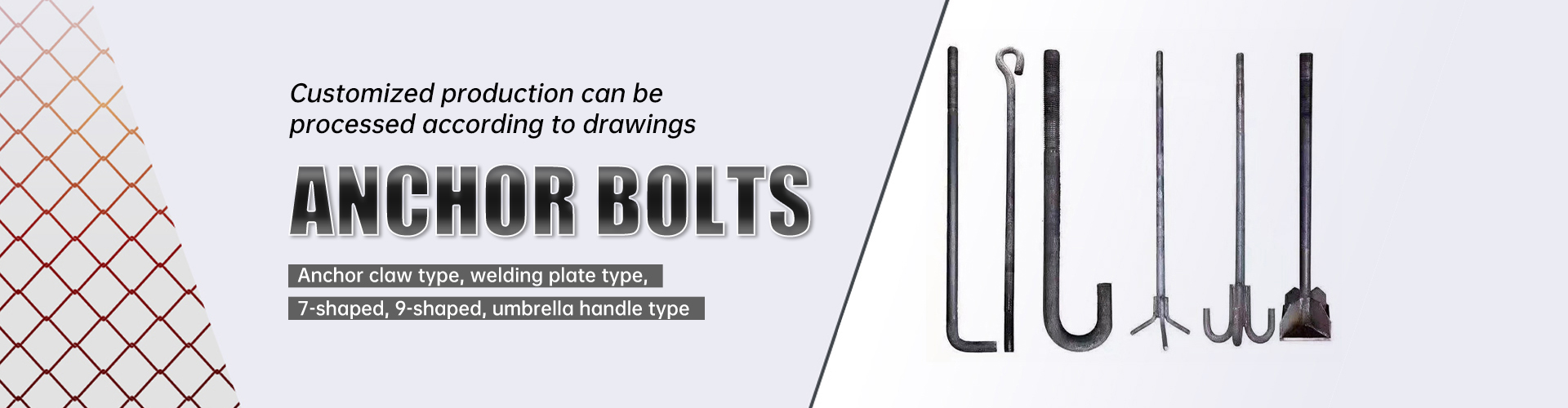
How are expansion bolts at Home Depot eco-friendly?
2025-11-04
Hitz egitean Hedapen boltxoak, Home Depot might not be the first place you think of in terms of eco-friendliness. However, under the surface of these seemingly mundane items lies a surprising contribution to environmental sustainability. Let’s dispel some common misconceptions and explore how these fasteners stand out in a green-conscious market.
Materialak garrantzia
One of the first things you notice about Home Depot’s expansion bolts is their composition. Typically made from steel or galvanized steel, these metals are highly recyclable. Recycling steel is less resource-intensive compared to creating new steel from raw materials, and for each ton recycled, it can save around 1.1 tons of iron ore, 0.6 tons of coal, and prevent 1.8 tons of CO2 emissions.
In my own work, I’ve seen how the lifecycle of steel products contributes significantly to environmental conservation. Reusing old metals to make new expansion bolts helps reduce the environmental footprint significantly. It’s an aspect often overlooked when buying fasteners, but it makes a substantial difference when you consider the scale Home Depot operates on.
Brands like Handan Zitai Fastener Manufacturing Co., Ltd., with their strategic location in China’s largest standard part production base, leverage such methods. Their facility, conveniently positioned near the Beijing-Shenzhen Expressway, optimizes logistics to reduce emissions, furthering their eco-friendly impact.
Eco-Friendly Production Processes
Another element at play is the production process itself. When you dive into the manufacturing side of things, advancements have been made in reducing water usage and chemical runoff. Companies are diligently working on minimizing environmental impact during production.
For instance, one common practice I’ve observed is using environmentally friendly coatings. Instead of traditional toxic coatings, manufacturers are leaning towards zinc-based and other eco-compatible finishes. These are less harmful to the environment and still provide robust protection against corrosion.
Having visited several factories, it’s evident that the push for greener processes is taking hold. While not universal yet, the strides are impressive and provide a glimpse of a cleaner future for industrial manufacturing.
Beyond the Product: Packaging and Transportation
A factor often overlooked is how products like expansion bolts are packaged and transported. Home Depot has been making conscious choices in this department, like using recyclable packaging and optimizing truckloads to ensure they transport maximum quantities per trip.
Reducing the carbon footprint via smarter logistics is key. The proximity of manufacturers such as Handan Zitai Fastener Manufacturing Co., Ltd., nearby major transport lines not only ensures fast delivery but also cuts down on fuel consumption during transit. Efficient logistics play an unseen yet crucial role in the overarching eco-friendliness of such products.
The simple choice of packaging style and material can make a big impact, which is something that becomes evident once you’re more involved in the supply chain intricacies. I’ve seen projects where simply switching to biodegradable materials reduced landfill waste substantially.
Energy Conservation
Another noteworthy point is the energy conservation in manufacturing expansion bolts. Modernized factories often utilize renewable energy sources or implement energy-saving technologies. Even a small percentage of energy savings per unit can result in significant environmental benefits when scaled across thousands of products.
At Handan Zitai Fastener Manufacturing Co., Ltd., the integration of eco-friendly power sources is in motion, contributing to a sustainable model that can be replicated across the industry.
This practice not only decreases pollution but also supports the shift toward a more sustainable energy infrastructure. Collaboration with local authorities for energy-efficient initiatives is one practical step they’re exploring, further bridging the gap between industry standards and sustainable practices.
End of Life and Recycling Initiatives
What happens at the end of a bolt’s life is as crucial as its birth. Luckily, expansion bolts are part of a recyclable category of hardware. After serving their purpose, they can be rerouted back into the cycle of production as raw materials.
I recall working on projects where dismantling was required. The ability to collect and send these fasteners back to the recycling loop not only saved disposal costs but also contributed to the circular economy model, positively impacting resource usage.
Handan Zitai Fastener Manufacturing Co., Ltd.’s focus on leveraging these end-of-life recycling processes highlights an industry-wide recognition of sustainable practices and the growing importance of lifecycle analysis in product development and manufacturing.
Mesedez, utzi mezu bat
-


-
-


Urriatu