
- English
- Chinese
- French
- German
- Portuguese
- Spanish
- Russian
- Japanese
- Korean
- Arabic
- Irish
- Greek
- Turkish
- Italian
- Danish
- Romanian
- Indonesian
- Czech
- Afrikaans
- Swedish
- Polish
- Catalan
- Esperanto
- Hindi
- Lao
- Albanian
- Amharic
- Armenian
- Azerbaijani
- Belarusian
- Bengali
- Bosnian
- Bulgarian
- Cebuano
- Chichewa
- Corsican
- Croatian
- Dutch
- Estonian
- Filipino
- Finnish
- Frisian
- Galician
- Georgian
- Gujarati
- Haitian
- Hausa
- Hawaiian
- Hebrew
- Hmong
- Hungarian
- Icelandic
- Igbo
- Javanese
- Kannada
- Kazakh
- Khmer
- Kurdish
- Kyrgyz
- Latin
- Latvian
- Lithuanian
- Luxembou..
- Macedonian
- Malagasy
- Malay
- Malayalam
- Maltese
- Maori
- Marathi
- Mongolian
- Burmese
- Nepali
- Norwegian
- Pashto
- Persian
- Punjabi
- Serbian
- Sesotho
- Sinhala
- Slovak
- Slovenian
- Somali
- Samoan
- Scots Gaelic
- Shona
- Sindhi
- Sundanese
- Swahili
- Tajik
- Tamil
- Telugu
- Thai
- Ukrainian
- Urdu
- Uzbek
- Vietnamese
- Welsh
- Xhosa
- Yiddish
- Yoruba
- Zulu
- Kinyarwanda
- Tatar
- Oriya
- Turkmen
- Uyghur


How are expansion bolts from Bunnings eco-friendly?
2025-11-01
When people hear “eco-friendly expansion bolts,” it often raises eyebrows. Many ask, aren’t all bolts just chunks of metal? But with the global push for sustainable solutions, even construction materials like those found at Bunnings are evolving. Let me share my insights on how these simple pieces of hardware can indeed be part of a greener future.
Hedapen boltxoak ulertzea
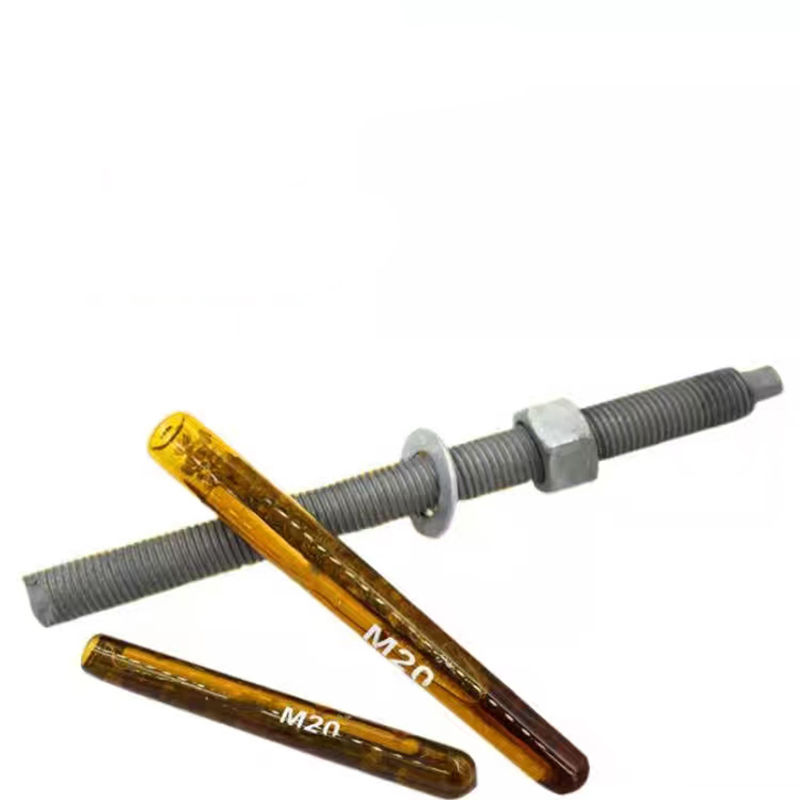
First off, let’s break down what an expansion bolt is. Essentially, it’s a bolt used to attach objects to walls. The magic lies in how it expands within the substrate, ensuring a secure fit. Most folks think of them as just another tool in the toolkit, but it’s more nuanced than that.
Now, why would a bolt be advertised as eco-friendly? Manufacturers, including well-known ones like Handan Zitai Fastener Manufacturing Co., Ltd., located in Hebei Province, are making strides. Their focus isn’t just on reliability but also sustainability. You can see more about their practices on their website, www.zitaifasteners.com. Companies like these are responding to industry demands for reduced environmental impact through smarter manufacturing techniques.
These techniques often involve using recycled materials, which reduces the need for raw material extraction—a practice notorious for its environmental toll. Furthermore, energy-efficient manufacturing processes help in cutting down emissions. In essence, it’s about minimizing the footprint at every stage.
Material Choices and Environmental Impact
One of the key factors is the material composition. At Bunnings, you might notice expansion bolts advertised as using recycled steel. This isn’t just a marketing gimmick. The recycling process significantly cuts down on CO2 emissions compared to traditional steelmaking.
A practical example: in one project I worked on, we specifically sought out these recycled components not just for sustainability logos but for genuine performance gains. Often, recycled steel boasts a remarkable strength-to-weight ratio, which is a hidden boon for heavy-duty applications.
What’s intriguing is how these bolts stand up to their traditionally made counterparts. There’s a misconception that using recycled materials can compromise quality. In reality, advancements have made it possible to maintain, and sometimes exceed, traditional quality standards.
The Role of Design in Sustainability
Let’s talk design innovation. A critical piece of the sustainability puzzle is extending the lifespan of products. At Bunnings, you could come across designs that utilize a modular approach. This makes repairs and replacements much easier, cutting down waste over time.
For instance, removable sleeves in certain expansion bolts allow for easy swapping when parts wear out, instead of discarding the entire unit. It’s a design choice that might sound simple, but it’s deeply impactful.
Construction professionals appreciate these details. Imagine working on a site where a simple swap saves hours and resources. That’s the kind of practical impact thoughtful design can have. It’s not just about the initial installation but the long-term use and reusability.
The Myth of Affordability Versus Sustainability
A stumbling block I often hear about is cost. Many presume eco-friendly options come with inflated price tags. Surprisingly, that’s not always the case. At big-box stores like Bunnings, scaling production often balances out costs.
In one of my recent projects, opting for eco-friendly expansion bolts didn’t break the bank. Bulk buying at stores or via companies like Handan Zitai can even be cost-competitive with less sustainable options. It’s about understanding the lifecycle cost, not just the initial outlay.
Long-term savings in energy, reduced replacements, and even potential tax incentives often outweigh the upfront costs. More companies are beginning to see this holistic view as an essential part of procurement.
Challenges and Opportunities
It’s not always smooth sailing, though. Like any green shift, challenges in supply chain consistency and product testing can arise. Sometimes, there are issues in ensuring every batch maintains the quality we’ve come to expect.
But with challenges come opportunities. Increasing demand for these eco-friendly products is pushing manufacturers to innovate continuously. Bunnings, along with suppliers like Handan Zitai, play a crucial role in pushing the boundaries of what’s possible.
So, are expansion bolts from Bunnings eco-friendly? The evidence suggests it’s not just a label but a tangible shift toward sustainability. It requires effort from all involved—manufacturers, retailers, and consumers alike—to embrace and support these greener options.
Mesedez, utzi mezu bat
-


-
-


Urriatu
