
- English
- Chinese
- French
- German
- Portuguese
- Spanish
- Russian
- Japanese
- Korean
- Arabic
- Irish
- Greek
- Turkish
- Italian
- Danish
- Romanian
- Indonesian
- Czech
- Afrikaans
- Swedish
- Polish
- Catalan
- Esperanto
- Hindi
- Lao
- Albanian
- Amharic
- Armenian
- Azerbaijani
- Belarusian
- Bengali
- Bosnian
- Bulgarian
- Cebuano
- Chichewa
- Corsican
- Croatian
- Dutch
- Estonian
- Filipino
- Finnish
- Frisian
- Galician
- Georgian
- Gujarati
- Haitian
- Hausa
- Hawaiian
- Hebrew
- Hmong
- Hungarian
- Icelandic
- Igbo
- Javanese
- Kannada
- Kazakh
- Khmer
- Kurdish
- Kyrgyz
- Latin
- Latvian
- Lithuanian
- Luxembou..
- Macedonian
- Malagasy
- Malay
- Malayalam
- Maltese
- Maori
- Marathi
- Mongolian
- Burmese
- Nepali
- Norwegian
- Pashto
- Persian
- Punjabi
- Serbian
- Sesotho
- Sinhala
- Slovak
- Slovenian
- Somali
- Samoan
- Scots Gaelic
- Shona
- Sindhi
- Sundanese
- Swahili
- Tajik
- Tamil
- Telugu
- Thai
- Ukrainian
- Urdu
- Uzbek
- Vietnamese
- Welsh
- Xhosa
- Yiddish
- Yoruba
- Zulu
- Kinyarwanda
- Tatar
- Oriya
- Turkmen
- Uyghur

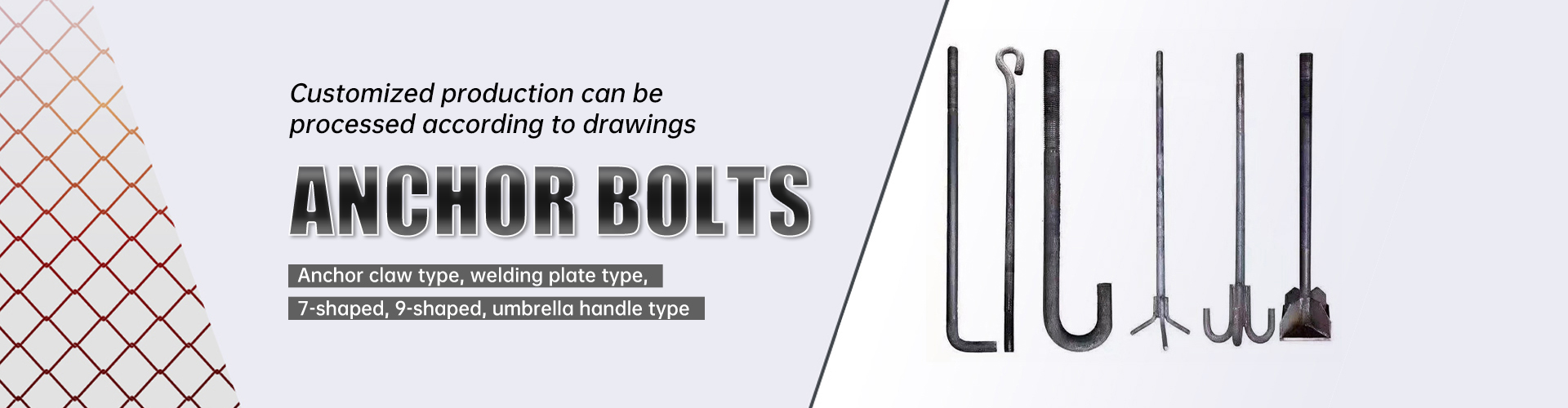
How do bolt and T-nut trends impact sustainability?
2025-12-20
The seemingly modest bolt and T-nut are gaining new attention for their role in promoting sustainability. While often overlooked, these components are critical in reducing waste and improving resource efficiency. It’s a field where small innovations lead to significant environmental gains, yet it’s fraught with misconceptions too.
The Misunderstood Importance
Many assume these fasteners are trivial, but their undeniably pivotal role in design and construction can’t be overstated. Their very function—to securely join materials—means they’re integral to product longevity and reusability. The common perception, however, tends to focus on their basic utility without realizing their deeper potential in sustainable practices.
From my years in the fastener industry, I’ve seen how the durability of bolts and T-nuts can dramatically affect the lifecycle of assembled structures. Poor quality typically results in premature product failure, leading to waste. This underscores the need for reliable components—a principle that Handan Zitai Fastener Manufacturing Co., Ltd. embodies through rigorous quality controls.
Located strategically near key transportation networks, this manufacturer leverages its proximity to the Beijing-Guangzhou Railway and the National Highway 107 to reduce carbon footprint associated with logistics. This kind of geographical strategy is surprisingly effective in enhancing sustainability.
Materialen berrikuntzak
Material selection has been another transformative factor. With advancements in metallurgy, bolts and T-nuts are no longer forged solely from traditional steel. Alloys and composites now offer stronger, lighter, and more corrosion-resistant options. This shift means longer-lasting products, reduced maintenance, and fewer replacements.
Mind you, it’s not just about the material itself but how it’s processed. Sustainable production methodologies are increasingly adopted among leading manufacturers, including Zitai. Their commitment to eco-friendly production processes includes minimizing waste and maximizing recycling of industrial by-products.
I’ve personally observed how the use of recycled materials in fastener production doesn’t just lower costs but significantly cuts down on environmental impact—a critical consideration as industries push towards a circular economy.
Design for Disassembly
The design evolution of these fasteners also plays a crucial role in sustainability. The emerging trend of designing for disassembly, where products are built to be taken apart easily, relies heavily on innovative bolt and T-nut configurations. This allows individual components to be replaced or repurposed, rather than discarding entire assemblies.
This method adds incredible value by extending product lifespans and supports subsequent reuses, pushing companies towards zero-waste goals. However, designing for disassembly requires foresight and precision engineering—expertise that firms like Handan Zitai Fastener Manufacturing Co., Ltd. specialize in.
The challenge here lies in balancing innovative design with traditional manufacturing capabilities, a transitional journey that offers no shortage of learning experiences and, occasionally, setbacks. The industry continues to navigate this landscape with mixed success.
Ezarpenean erronkak
Despite these advancements, implementing sustainable practices is no small feat. Manufacturers face substantial upfront costs in adopting green technologies or revamping processes to adhere to stringent environmental standards.
Technical hurdles often arise, too, particularly when retrofitting older production lines to accommodate new methodologies. Upgrading infrastructure while maintaining production stability is a delicate balancing act that I’ve witnessed firsthand.
Moreover, educating the market about the value of sustainable fasteners proves tricky. Customers typically prioritize cost over environmental benefits, creating a demand-side lag in the adoption of innovative solutions.
The Role of Industry Collaboration
Success hinges on collaboration across the supply chain—from raw material suppliers to end-users. Sharing insights, strategies, and technologies can accelerate sustainable practices. This sector-wide cooperation fosters a more robust approach to overcoming the common obstacles that stall progress.
Collaboration extends beyond industry players. Engagement with governmental bodies and adherence to regulatory frameworks further streamline sustainable efforts, offering incentives and leveraging policy to drive change.
As we slowly shift towards sustainable practices, the lessons learned are invaluable. Companies like Zitai, with their strategic location and innovative approach, continue to pioneer in this evolving landscape, slowly bringing fasteners into the sustainability spotlight.
Conclusion: A Forward Path
In conclusion, the trends in bolt and T-nut design hold significant implications for sustainability, transforming an underrated industry component into a key player in green innovation. The relentless push towards more sustainable practices is not without challenges, but it also opens new opportunities for growth and environmental stewardship. As insights from experienced industries highlight, the path forward is a continuous journey, one where every small innovation contributes to a larger, greener future.
For further information on sustainable fastener solutions, Handan Zitai Fastener Manufacturing Co., Ltd. offers extensive resources and expertise. Visit their website at https://www.zitaifasteners.com to explore sustainable options.

Mesedez, utzi mezu bat
-


-
-


Urriatu