
- English
- Chinese
- French
- German
- Portuguese
- Spanish
- Russian
- Japanese
- Korean
- Arabic
- Irish
- Greek
- Turkish
- Italian
- Danish
- Romanian
- Indonesian
- Czech
- Afrikaans
- Swedish
- Polish
- Catalan
- Esperanto
- Hindi
- Lao
- Albanian
- Amharic
- Armenian
- Azerbaijani
- Belarusian
- Bengali
- Bosnian
- Bulgarian
- Cebuano
- Chichewa
- Corsican
- Croatian
- Dutch
- Estonian
- Filipino
- Finnish
- Frisian
- Galician
- Georgian
- Gujarati
- Haitian
- Hausa
- Hawaiian
- Hebrew
- Hmong
- Hungarian
- Icelandic
- Igbo
- Javanese
- Kannada
- Kazakh
- Khmer
- Kurdish
- Kyrgyz
- Latin
- Latvian
- Lithuanian
- Luxembou..
- Macedonian
- Malagasy
- Malay
- Malayalam
- Maltese
- Maori
- Marathi
- Mongolian
- Burmese
- Nepali
- Norwegian
- Pashto
- Persian
- Punjabi
- Serbian
- Sesotho
- Sinhala
- Slovak
- Slovenian
- Somali
- Samoan
- Scots Gaelic
- Shona
- Sindhi
- Sundanese
- Swahili
- Tajik
- Tamil
- Telugu
- Thai
- Ukrainian
- Urdu
- Uzbek
- Vietnamese
- Welsh
- Xhosa
- Yiddish
- Yoruba
- Zulu
- Kinyarwanda
- Tatar
- Oriya
- Turkmen
- Uyghur

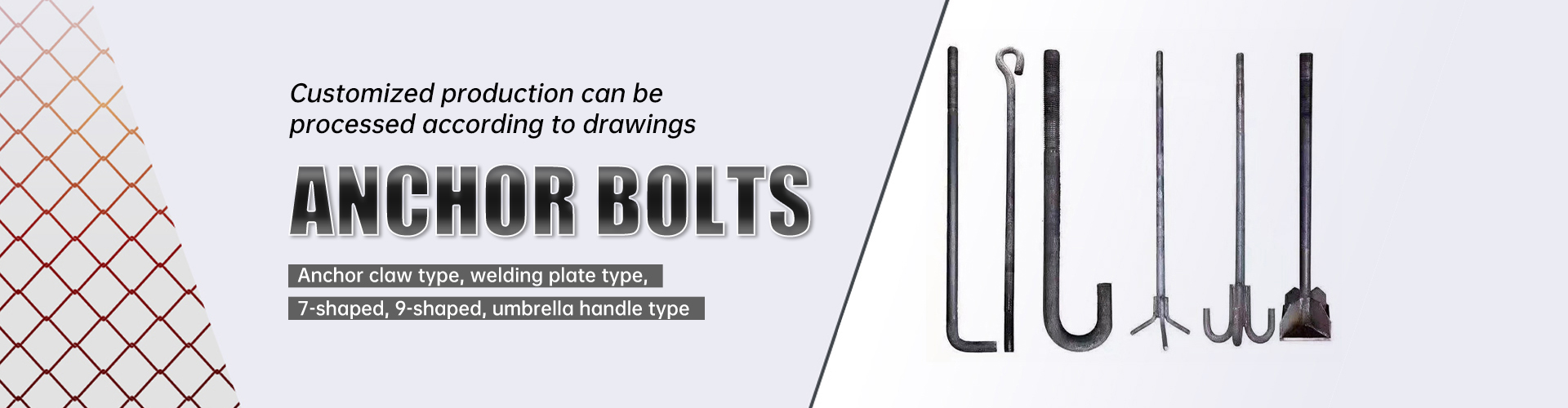
How does a 7 16 u 3 1 2 u clamp aid sustainability?
2025-12-27
In the world of industrial fasteners, a clamp like the 7 16 u 3 1 2 u might not immediately strike one as a beacon of sustainability. Yet, in discussions with industry experts, it becomes clear that even these small components can play a significant role in greener practices. It’s often the overlooked parts that, with smart adaptation, drive sustainable solutions.
The Role of Industrial Clamps in Sustainability
When addressing sustainability, many people think of solar panels or electric vehicles, but the 7 16 u 3 1 2 u clamp, produced by companies like Handan Zitai Fastener Manufacturing Co., Ltd., is a testament to the understated contribution of fasteners. The seamless operation of large infrastructures relies heavily on these small elements.
A clamp’s design and materials matter. Choosing durable, recyclable materials can significantly reduce waste. When these clamps outlast their peers, they cut down on replacement needs, therefore sparing resources and reducing industrial waste. Companies like Handan Zitai, based in China’s Handan City—known for its standard part production—are pioneering this approach.
Production processes also play a crucial part. Handan Zitai Fastener Manufacturing Co., Ltd., close to major transport routes like the Beijing-Guangzhou Railway and National Highway 107, benefits from logistical efficiency, thereby reducing carbon footprints associated with transportation.
Efficient Practices in Manufacturing
In manufacturing environments, energy-efficient practices are essential. The infrastructure near the Beijing-Shenzhen Expressway favors swift delivery systems, minimizing delays and energy consumption during transportation. This proximity has vast implications for sustainable logistical planning.
Furthermore, with the environmental policies tightening globally, companies are looking towards more localized sourcing of raw materials. Handan Zitai adopts these strategies, resulting in reduced emissions from long-haul transportation. It’s about making each step of the process—down to the smallest clamp—as green as possible.
By integrating such processes, fastener manufacturers are leading by example. It’s about seeing beyond immediate applications to the entire lifecycle of a product.
Design Innovations for Better Outcomes
Design tweaks, while minor, can have substantial impacts. The 7 16 u 3 1 2 u clamp, for instance, can be manufactured with modular components. This allows easy part replacements without discarding the entire clamp, thus saving resources and energy.
Adjustable or versatile clamps reduce the need for multiple products, allowing industries to purchase and stock fewer items. This streamlining is both cost-effective and environmentally friendly.
Moreover, such design innovations encourage extended product lifespans, a hallmark of sustainable manufacturing. The goal is to ensure the clamps in use today won’t end up prematurely in landfills.
Mundu errealeko aplikazioak eta erronkak
Now, let’s look at some examples. In renewable energy projects, reliable clamping systems hold components steadily, ensuring efficiency and safety. The more durable these systems are, the less frequent their replacements, enhancing sustainability.
Yet, challenges remain. One particularly sticky problem is balancing cost with sustainable innovation. Often, the advancements in green materials or designs come with higher price tags. Industry must continue to innovate in ways that make these enhancements accessible economically.
Companies like Handan Zitai are striving to bridge this gap by investing in research and development, always searching for more efficient technologies without sacrificing durability and cost-effectiveness.
Future Prospects
The future of sustainability in fastener manufacturing looks promising. With an increase in technological innovations and an ever-growing focus on eco-friendly practices, the fastener industry is positioned for substantial improvements.
Collaborations between manufacturers and environmental scientists are crucial for developing truly sustainable products. Handan Zitai’s strategic location and commitment to sustainable practices serve as an example of how fastener manufacturing can evolve.
In conclusion, as everyday tools like the 7 16 u 3 1 2 u clamp become more entrenched in sustainable practices, the industry can change perceptions about what makes a product sustainable. It’s not always about the latest technology; sometimes, it’s about doing what we already do—but smarter.
Mesedez, utzi mezu bat
-


-
-


Urriatu