
- English
- Chinese
- French
- German
- Portuguese
- Spanish
- Russian
- Japanese
- Korean
- Arabic
- Irish
- Greek
- Turkish
- Italian
- Danish
- Romanian
- Indonesian
- Czech
- Afrikaans
- Swedish
- Polish
- Catalan
- Esperanto
- Hindi
- Lao
- Albanian
- Amharic
- Armenian
- Azerbaijani
- Belarusian
- Bengali
- Bosnian
- Bulgarian
- Cebuano
- Chichewa
- Corsican
- Croatian
- Dutch
- Estonian
- Filipino
- Finnish
- Frisian
- Galician
- Georgian
- Gujarati
- Haitian
- Hausa
- Hawaiian
- Hebrew
- Hmong
- Hungarian
- Icelandic
- Igbo
- Javanese
- Kannada
- Kazakh
- Khmer
- Kurdish
- Kyrgyz
- Latin
- Latvian
- Lithuanian
- Luxembou..
- Macedonian
- Malagasy
- Malay
- Malayalam
- Maltese
- Maori
- Marathi
- Mongolian
- Burmese
- Nepali
- Norwegian
- Pashto
- Persian
- Punjabi
- Serbian
- Sesotho
- Sinhala
- Slovak
- Slovenian
- Somali
- Samoan
- Scots Gaelic
- Shona
- Sindhi
- Sundanese
- Swahili
- Tajik
- Tamil
- Telugu
- Thai
- Ukrainian
- Urdu
- Uzbek
- Vietnamese
- Welsh
- Xhosa
- Yiddish
- Yoruba
- Zulu
- Kinyarwanda
- Tatar
- Oriya
- Turkmen
- Uyghur

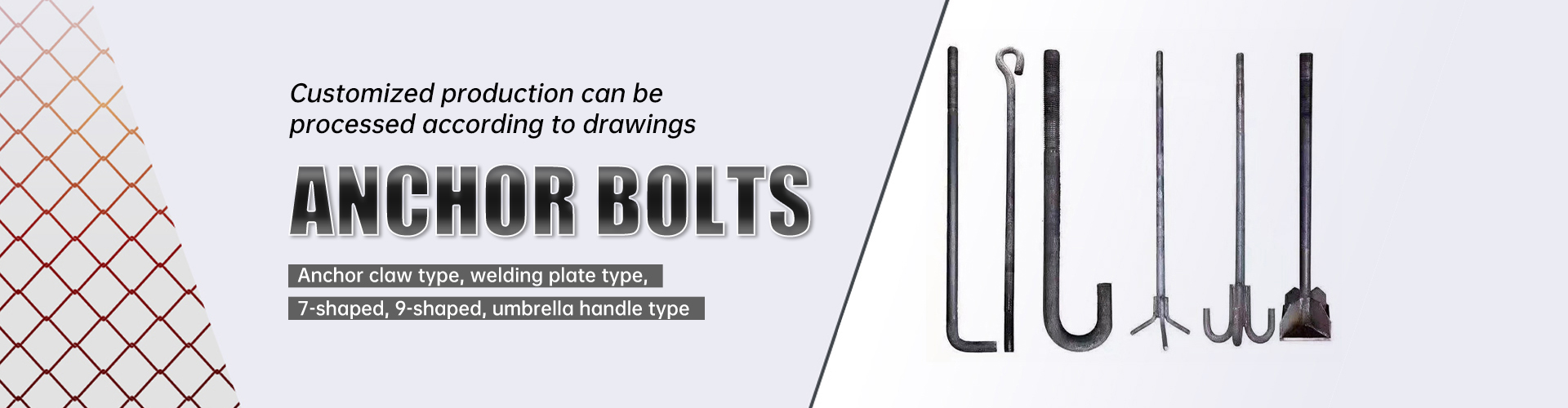
How does ‘m6 t t strap’ impact sustainability?
2025-12-19
When it comes to the enigmatic ‘m6 t t strap’, the first question often involves its role in sustainability. It’s easy to overlook such components in the larger scheme of environmental impact, yet they might be more significant than they appear.
Decoding the ‘M6 T T Strap’
In the context of fasteners, especially those produced by companies like Handan Zitai Fastener Manufacturing Co., Ltd., located in the bustling industrial hub of Yongnian District, the m6 t t strap is a crucial element. This company, which benefits from access to major transport routes like the Beijing-Guangzhou Railway, specializes in manufacturing standard parts that are subtly essential to many applications.
The craftsmanship involved in making these straps can’t be understated. Their design and material choice impact not just the immediate application, but also their recycling potential. I’ve observed that selecting the right alloy vastly improves the recyclability, aligning with sustainable practices.
Another crucial aspect is the ease of disassembly. This is where real-world applications sometimes highlight a gap in theory and practice. In projects I’ve been involved in, quick-release mechanisms within such straps significantly reduced waste down the line, facilitating more efficient end-of-life processes.
Sourcing and Material Choices
Material choice plays a pivotal role in the sustainability narrative, especially for fasteners. At Handan Zitai, the move towards eco-friendly alloys is tangible, perhaps due to its strategic position near transport infrastructures, reducing logistical footprints. I’ve witnessed firsthand how selecting low-impact materials can be cost-effective without sacrificing strength.
Moreover, working closely with suppliers enables better tracking of sustainability metrics. This almost symbiotic relationship drives more innovation in materials, which is essential to maintaining an eco-friendly reputation in this competitive sector.
However, it’s not just about materials but also about the lifecycle. A frequent challenge I’ve seen involves assessing the durability against lifespan, where sometimes extended lifecycle results in increased resource use, a fine balancing act we keep optimizing.
Implementing Efficient Practices
Real-world execution often deviates from the standard best practices literature. While theory may suggest material X, practical challenges such as supply chain disruptions might necessitate alternatives. This adaptability often separates successful projects from failures — experience has taught me to always have contingencies.
Incorporating efficient manufacturing processes, as seen at https://www.zitaifasteners.com, ensures minimal waste production. Techniques such as near-net shape casting and precision machining not only provide high-quality fasteners but also reduce energy consumption — a crucial factor in achieving sustainable goals.
One particular project comes to mind where energy-efficient furnaces slashed emissions by almost 30%. Such innovations are game-changers, not just for the environment but also for operational sustainability.
The Role of Regulations and Certifications
Aligning with international standards and certifications often serves as a roadmap for sustainable manufacturing. It’s a strange mix of red tape and guidance. At Handan Zitai, adherence to such standards isn’t just about compliance but also about enhancing corporate responsibility.
New regulations often push us toward innovation. For example, when a specific regulation mandated biodegradable packaging, many companies saw it as a challenge, but it led to more sustainable operations overall.
Interestingly, engaging with regulatory bodies can provide insights that might not be apparent at first glance — there’s real value in participating actively in these discussions, shaping future mandates.
Long-Term Impacts and Adaptations
Sustainability is a journey with no definitive endpoint. Each modification, from refining materials to adjusting manufacturing processes, contributes a piece to the broader puzzle. At Handan Zitai, the commitment to environmental stewardship is clear, crafting a legacy that balances industrial growth with ecological responsibility.
Continual adaptation is critical. Whether it’s evolving customer demands or shifts in regulatory environments, a proactive stance can transform potential disruptions into opportunities for innovation and leadership.
Azken finean, m6 t t strap is more than a simple fastener. When viewed through the sustainability lens, it encapsulates a microcosm of industrial evolution, one that echoes the persistent pursuit of sustainability in the fastener industry.
Mesedez, utzi mezu bat
-


-
-


Urriatu