
- English
- Chinese
- French
- German
- Portuguese
- Spanish
- Russian
- Japanese
- Korean
- Arabic
- Irish
- Greek
- Turkish
- Italian
- Danish
- Romanian
- Indonesian
- Czech
- Afrikaans
- Swedish
- Polish
- Catalan
- Esperanto
- Hindi
- Lao
- Albanian
- Amharic
- Armenian
- Azerbaijani
- Belarusian
- Bengali
- Bosnian
- Bulgarian
- Cebuano
- Chichewa
- Corsican
- Croatian
- Dutch
- Estonian
- Filipino
- Finnish
- Frisian
- Galician
- Georgian
- Gujarati
- Haitian
- Hausa
- Hawaiian
- Hebrew
- Hmong
- Hungarian
- Icelandic
- Igbo
- Javanese
- Kannada
- Kazakh
- Khmer
- Kurdish
- Kyrgyz
- Latin
- Latvian
- Lithuanian
- Luxembou..
- Macedonian
- Malagasy
- Malay
- Malayalam
- Maltese
- Maori
- Marathi
- Mongolian
- Burmese
- Nepali
- Norwegian
- Pashto
- Persian
- Punjabi
- Serbian
- Sesotho
- Sinhala
- Slovak
- Slovenian
- Somali
- Samoan
- Scots Gaelic
- Shona
- Sindhi
- Sundanese
- Swahili
- Tajik
- Tamil
- Telugu
- Thai
- Ukrainian
- Urdu
- Uzbek
- Vietnamese
- Welsh
- Xhosa
- Yiddish
- Yoruba
- Zulu
- Kinyarwanda
- Tatar
- Oriya
- Turkmen
- Uyghur

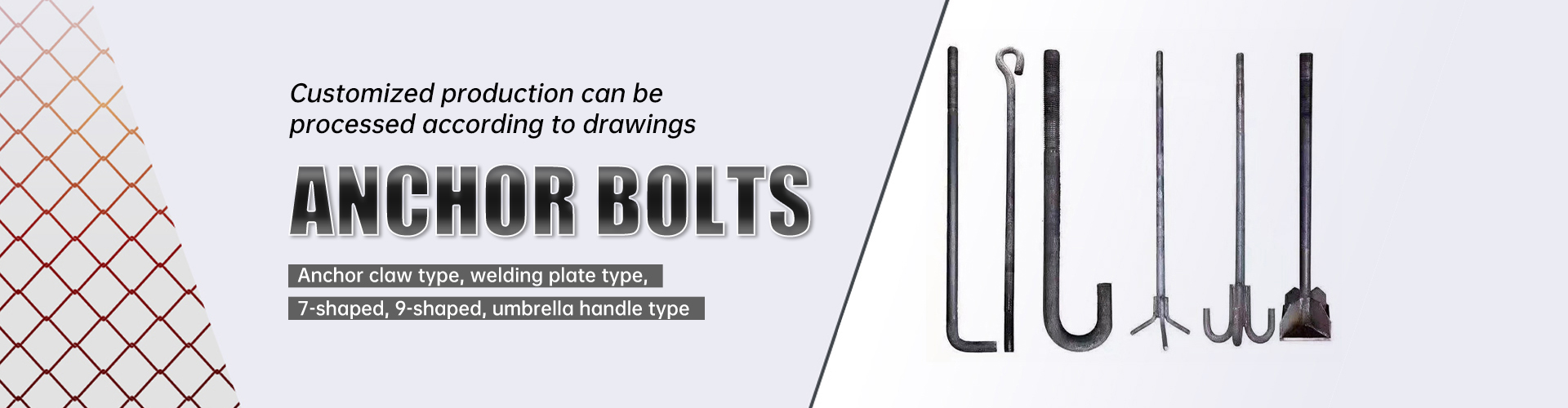
How does the 2.5-inch unistrut bolt enhance sustainability?
2025-12-28
Unistrut bolts, particularly the 2.5-inch unistrut bolt, have started gaining attention not just for their strength and versatility, but also for their role in sustainability. There’s a common misconception that something as small as a bolt can’t possibly make a difference in sustainable construction. But take it from someone who’s spent enough time on sites to appreciate the details—these bolts can indeed be unsung heroes in our eco-conscious efforts.
Understanding the Unistrut System
The first time I worked with an entire Unistrut installation was a revelation. These are not your regular fasteners; they form part of a modular channel system that allows for endless configurations. With the standardization that comes with Unistrut bolts, we reduce wastage significantly. You know exactly what you’re dealing with—less trial and error, fewer discarded materials.
I recall a project involving solar panel installations where deviation from expected norms would have cost us big bucks and more importantly, more materials. The standardized nature of the Unistrut components saved us from this conundrum, lending itself well to a more sustainable practice.
The 2.5-inch option specifically provided the right length without having to resort to cutting down excess, which you might think is negligible. But multiply that across hundreds of installations, and you’ll see why small victories here and there add up to a notable impact.
Reduced Need for New Materials
We often underestimate the environmental cost of constantly producing new materials. The durability of the 2.5-inch Unistrut bolts means less frequent replacements. During a maintenance check on an older project, I was impressed to see these bolts still holding firm, reducing the need for replacements and thus, new material demands.
Plus, these bolts lend themselves to easy disassembly and reuse. I’ve seen old setups being revitalized with minimal waste thanks to the reusability of these components. We’re not just tossing them in a landfill; we’re giving them a second—and sometimes even a third—life.
For those handling multiple projects, like us at Handan Zitai Fastener Manufacturing Co., Ltd. located in Hebei Province—a hub for standard part production—this kind of long-lasting component is invaluable. It aligns perfectly with sustainable practices that are increasingly being demanded by clients who are more environmentally conscious.
Streamlining Logistics and Efficiency
We’ve all been there: ordering different sizes of fasteners only to find logistics eating into your project timelines. With the Unistrut system and the compatible 2.5-inch bolts, there’s a kind of supply chain serenity. It’s a relief to place an order with our network and know we’ll receive exactly what we need—no more, no less.
The proximity to major transport routes like the Beijing-Guangzhou Railway and the National Highway 107 means efficient transportation options for us. This setup reduces the carbon footprint significantly for Handan Zitai Fastener Manufacturing Co., Ltd.
Deliveries are optimized because every piece, including our star bolt, fits into the bigger logistical picture perfectly. We spend less time figuring out what went where and more time actually installing or maintaining sustainably.
Enhancing Project Lifespan
Your project’s sustainability is only as robust as the sum of its parts. The 2.5-inch Unistrut bolt, with its impressive durability, plays a part in enhancing the overall lifespan of any project it’s involved in. From seismic bracings to cable trays, I’ve seen how these bolts hold up under stress in varied conditions.
Scratch the surface of any long-standing construction—odds are you’ll find that the unseen hero holding it together is this very bolt. It’s more than just a piece of metal; it’s a component in a longer story of sustainability strategies that we’re constantly drafting and redrafting.
It keeps structures viable and reduces the tear-downs and rebuilds that often account for substantial waste and resource use. I’ve worked on retrofitting old buildings where the early adoption of such bolts made the difference between easy updates and costly overhauls.
The Less Obvious Costs
Then there are the softer aspects of sustainability, the kind you might not immediately think of. Using standardized parts like these bolts leads to fewer installation errors and reworks. This efficiency is an often overlooked aspect of a project’s environmental impact.
Think about the resources expended when something goes wrong: the time, the labor, the transportation, and yes, the extra materials. These secondary costs rapidly add up and are mostly mitigated by standard, reliable components. Handan Zitai’s location allows us to respond promptly even when such issues arise, minimizing the ripple effect of setbacks.
The steadfast reliability means less runaround for everyone involved, reducing stress—another unsung form of sustainability that shouldn’t be underestimated in any work environment. At the end of the day, less wasted effort translates to more efficient projects, which are inherently more sustainable.
Mesedez, utzi mezu bat
-


-
-


Urriatu