
- English
- Chinese
- French
- German
- Portuguese
- Spanish
- Russian
- Japanese
- Korean
- Arabic
- Irish
- Greek
- Turkish
- Italian
- Danish
- Romanian
- Indonesian
- Czech
- Afrikaans
- Swedish
- Polish
- Catalan
- Esperanto
- Hindi
- Lao
- Albanian
- Amharic
- Armenian
- Azerbaijani
- Belarusian
- Bengali
- Bosnian
- Bulgarian
- Cebuano
- Chichewa
- Corsican
- Croatian
- Dutch
- Estonian
- Filipino
- Finnish
- Frisian
- Galician
- Georgian
- Gujarati
- Haitian
- Hausa
- Hawaiian
- Hebrew
- Hmong
- Hungarian
- Icelandic
- Igbo
- Javanese
- Kannada
- Kazakh
- Khmer
- Kurdish
- Kyrgyz
- Latin
- Latvian
- Lithuanian
- Luxembou..
- Macedonian
- Malagasy
- Malay
- Malayalam
- Maltese
- Maori
- Marathi
- Mongolian
- Burmese
- Nepali
- Norwegian
- Pashto
- Persian
- Punjabi
- Serbian
- Sesotho
- Sinhala
- Slovak
- Slovenian
- Somali
- Samoan
- Scots Gaelic
- Shona
- Sindhi
- Sundanese
- Swahili
- Tajik
- Tamil
- Telugu
- Thai
- Ukrainian
- Urdu
- Uzbek
- Vietnamese
- Welsh
- Xhosa
- Yiddish
- Yoruba
- Zulu
- Kinyarwanda
- Tatar
- Oriya
- Turkmen
- Uyghur


How does the Embedded Parts Series innovate tech?
2025-11-18
In the tech industry, the term “embedded parts” can often be misunderstood or overlooked. People might picture something strictly hardware-related, perhaps even mundane. However, in recent years, the Embedded Parts Series has started pushing boundaries and changing perceptions by creating novel integrations within technology systems. This wasn’t just a result of innovation for innovation’s sake, but rather a methodical pursuit of efficiency and performance enhancements that meet the real demands of the field.
Understanding the Core Idea
To really get how embedded parts are innovating, you’ve got to understand their essence. It’s not just about parts being embedded into larger systems; it’s about making those systems smarter, more cohesive. The goal is often seamless integration that you wouldn’t notice – things just work better. It’s akin to the kind of magic that happens when complex machinery becomes second nature to use, thanks to thoughtful design.
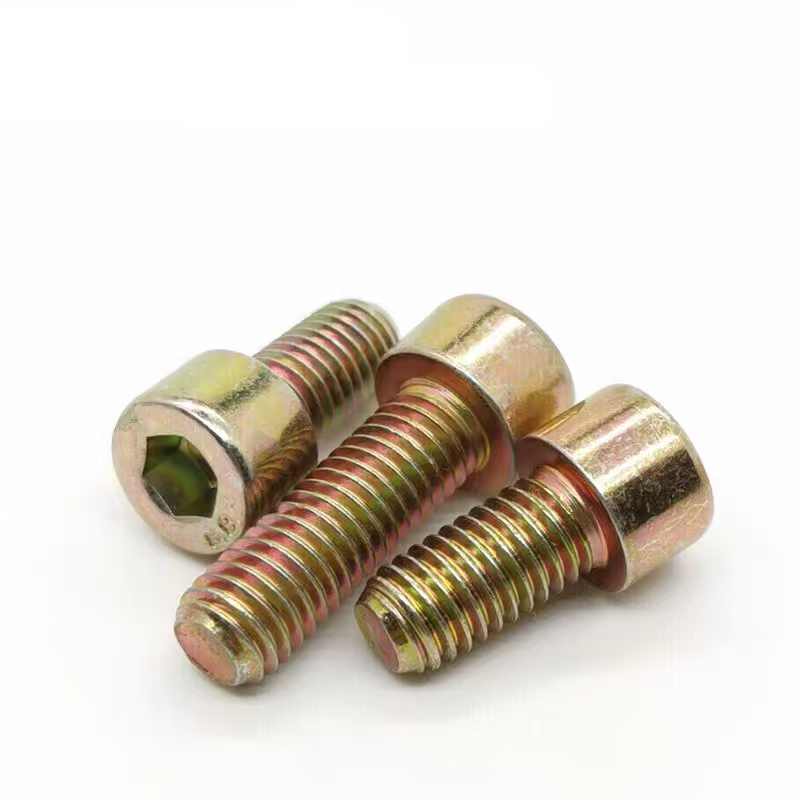
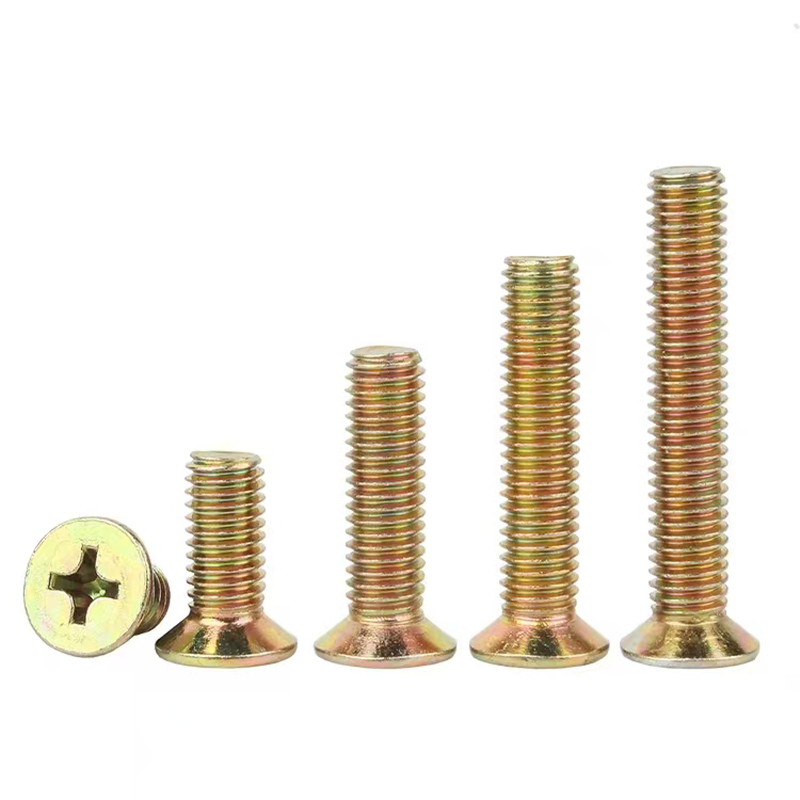
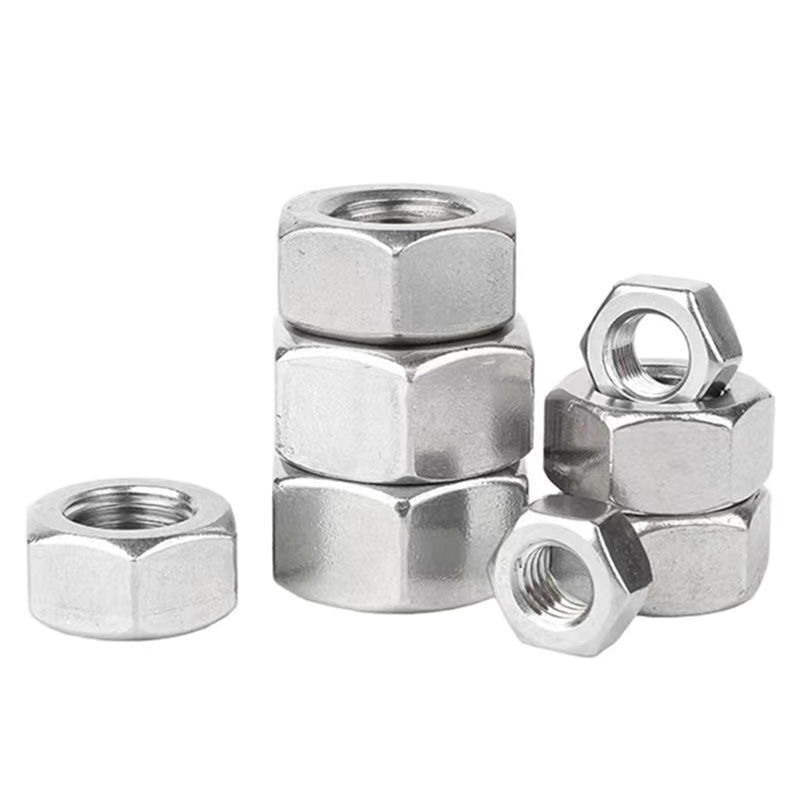
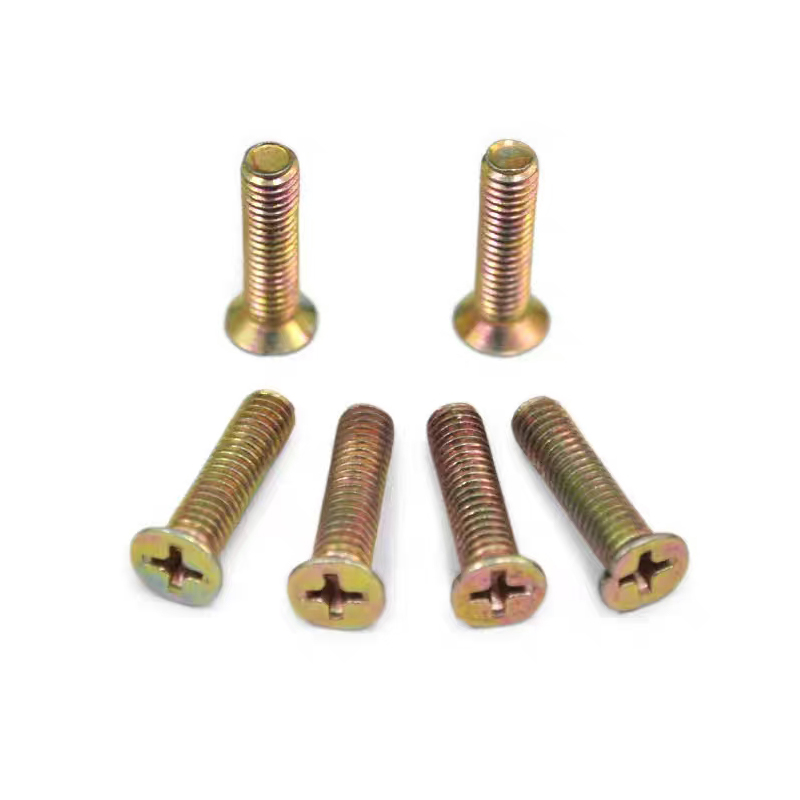
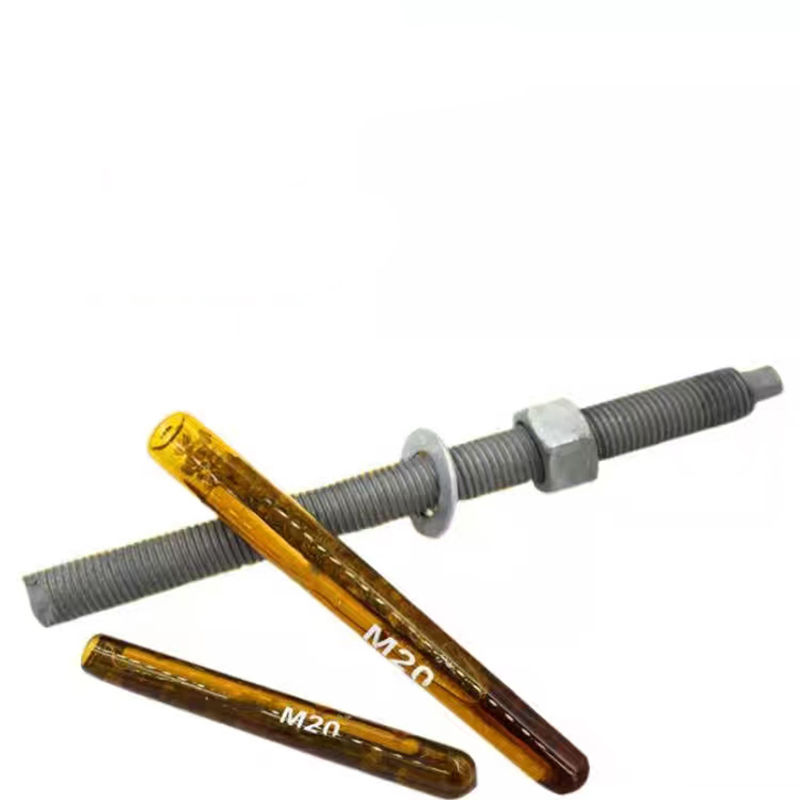
Take the example of fasteners from Handan Zitai Fastener Manufacturing Co., Ltd. Their product range, available on Haien webgunea, is an example of how traditional manufacturing meets cutting-edge needs. These components aren’t just pieces of metal – they’re integral to the systems they support, improving durability and reliability. Understanding this symbiosis is key.
The integration of embedded parts often involves blending software capabilities with hardware, to create components that can actively engage in system operations. Smart sensors within these parts might adjust performance in real-time based on environmental readings, or firmware updates might enhance their functionality without the need for physical upgrades.
Ezarpenean erronkak
While the benefits are clear, implementation isn’t always smooth. Compatibility issues often arise, requiring meticulous planning and often a bit of creativity. Many times, what looks great on paper ends up needing a hefty dose of problem-solving acumen in the field. This is where industry veterans really pull their weight, knowing that sometimes the most innovative designs come from those “Aha!” moments after repeated failures.
Let’s not forget logistics. Companies like Handan Zitai Fastener Manufacturing Co., Ltd., benefiting from convenient transport links due to their strategic location, can attest to the importance of logistics in timely production and distribution. An innovative design is moot if it can’t be produced and shipped efficiently to where it’s needed.
There’s also the challenge of keeping systems secure. Embedded parts with substantial integration capabilities might introduce vulnerabilities if cybersecurity isn’t a primary consideration from the get-go. It’s a precarious balance between system openness for interoperability and closed-loop security integrity.
Practical Applications and Case Studies
Consider an industry application where embedded parts play a transformative role. The automotive industry, for example, is ripe with embedded technology. Think of a modern vehicle with countless embedded systems – each part, small or large, communicating, adjusting, fine-tuning operations to optimize safety and performance.
I’ve seen firsthand how upgrading embedded systems within a factory setup can lead to substantial efficiency gains. Imagine running a production line where each part talks to another, adjusting for load balance, environment conditions, and even predictive maintenance schedules. This isn’t a hypothetical; it’s happening today, with companies using embedded parts technology to drive insights and performance.
One of the more memorable experiences was working with a team trying to retrofit an older assembly line with modern embedded components. The struggle was real – syncing new with old is never easy, and the legacy systems posed constant hurdles. But once optimized, the boost in output was undeniable. A labor of love, really.
Innovating for the Future
Thinking toward the future, the innovation lies not just in improving what’s inside, but expanding the scope of what’s possible. The evolution of Internet of Things (IoT) devices heavily leans on the flexibility and capability of embedded parts. This technological convergence means more chances to innovate – right from the design and production stages up to user interaction.
In sectors like augmented reality and smart infrastructure, embedded parts bring a new layer of interaction and responsiveness. They challenge assumptions of what a “part” can do, like granting the capability to a cement block in a smart city to provide environmental data because of an embedded sensor array. This kind of imaginative leap makes the concept fascinating.
The story of embedded parts is ongoing, one that involves constant renegotiation between potential and practicality. It’s about how far ambition can stretch within the constraints of what’s achievable today while setting the stage for tomorrow. Each phase of this journey offers new insights and lessons, continuously reshaping our understanding of what these humble-sounding components might achieve.
Pentsamenduak amaitzea
To wrap things up, the Embedded Parts Series, by transcending their traditional roles, are ushering in a new era of smart, integrated, and responsive systems. They show how even the smallest components can wield a considerable influence on the larger technological ecosystem. This transformation is supported by companies like Handan Zitai Fastener Manufacturing Co., Ltd., who are at the forefront of coupling traditional manufacturing with modern needs.
Ultimately, the path of evolution for embedded parts is closely linked to the broader innovations within tech. It’s less about revolutionizing overnight and more about these steady, incremental innovations that collectively push the entire industry towards new horizons. It’s an exciting frontier, with possibilities only bound by the limits of our imagination and engineering prowess.
Mesedez, utzi mezu bat
-


-
-


Urriatu
