
- English
- Chinese
- French
- German
- Portuguese
- Spanish
- Russian
- Japanese
- Korean
- Arabic
- Irish
- Greek
- Turkish
- Italian
- Danish
- Romanian
- Indonesian
- Czech
- Afrikaans
- Swedish
- Polish
- Catalan
- Esperanto
- Hindi
- Lao
- Albanian
- Amharic
- Armenian
- Azerbaijani
- Belarusian
- Bengali
- Bosnian
- Bulgarian
- Cebuano
- Chichewa
- Corsican
- Croatian
- Dutch
- Estonian
- Filipino
- Finnish
- Frisian
- Galician
- Georgian
- Gujarati
- Haitian
- Hausa
- Hawaiian
- Hebrew
- Hmong
- Hungarian
- Icelandic
- Igbo
- Javanese
- Kannada
- Kazakh
- Khmer
- Kurdish
- Kyrgyz
- Latin
- Latvian
- Lithuanian
- Luxembou..
- Macedonian
- Malagasy
- Malay
- Malayalam
- Maltese
- Maori
- Marathi
- Mongolian
- Burmese
- Nepali
- Norwegian
- Pashto
- Persian
- Punjabi
- Serbian
- Sesotho
- Sinhala
- Slovak
- Slovenian
- Somali
- Samoan
- Scots Gaelic
- Shona
- Sindhi
- Sundanese
- Swahili
- Tajik
- Tamil
- Telugu
- Thai
- Ukrainian
- Urdu
- Uzbek
- Vietnamese
- Welsh
- Xhosa
- Yiddish
- Yoruba
- Zulu
- Kinyarwanda
- Tatar
- Oriya
- Turkmen
- Uyghur

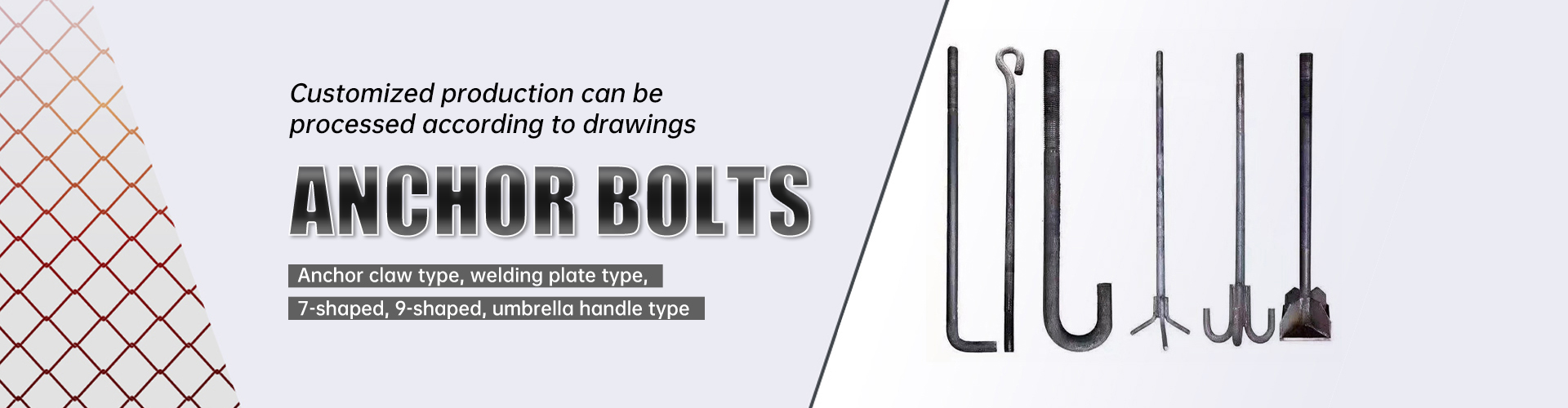
How is a hot-dip galvanized embedded plate used?
2025-11-10
The use of a hot-dip galvanized embedded plate often slips under the radar for many in construction, yet its importance is undeniable. Many misunderstand its role, simplifying it to just a ‘rust prevention’ tool. In reality, its uses extend far beyond that simple definition.
Oinarriak ulertzea
I remember the first time I handled one. Not just another piece of metal, the rough coating gave it away. This protective layer is what makes it invaluable in environments where corrosion can be aggressive. The hot-dip galvanizing process involves dipping the steel components into molten zinc, forming a robust shield of zinc carbonate. Simple sounding, maybe, but a game-changer in extending the life of the piece.
In construction sites, these plates often find themselves embedded in concrete. Imagine a bridge structure where these plates ensure that connections remain intact despite the battering of nature. Not a guarantee, but definitely an assurance of durability.
At Handan Zitai Fastener Manufacturing Co., Ltd., deeply rooted in Hebei, where the largest standard part production base resides, this kind of craftsmanship is a standard. Their expertise means that companies receive parts ready for the challenges they’re meant to face. More details about their offerings can be found at Handako zitai finkatzaileak.
Beyond Corrosion Protection
During my projects, a recurring challenge was the longevity of fastenings exposed to environmental elements. That’s where the real beauty of these Txertatutako plakak shines. Not just resisting rust, they enhance the structural integrity. It’s not just a coating; it’s a commitment to quality.
There’s a common pitfall of assuming that any metal piece will suffice. The truth, from experience, shows otherwise. The embedding and galvanizing together ensure that the connections maintain their strength under stress, without the dreaded creaks and shifts over time.
I recall a case where improper materials led to unforeseen maintenance work, an expensive oversight. The client learned the hard way, realizing too late the value of investing in a hot-dip galvanized solution from the start.
Aplikazio eszenatokiak
In practical terms, these plates find themselves underpinning massive concrete walls in tunnels and underground rail systems. Picture the London Underground or New York Subway, environments challenged daily by moisture and temperature changes. It’s here that the plates demonstrate their endurance.
Once, working in a damp coastal area, we needed something more reliable. A visit to the site confirmed our choice; seeing the embedded plates in action, unaffected by the salt and air, was reaffirming. They didn’t just resist rust; they practically sneered at it.
Manufacturers like Handan Zitai make these with precision, leveraged by their strategic location next to major transport routes like the Beijing-Guangzhou Railway. It ensures efficient delivery of quality parts right where they’re needed most.
Challenges Encountered
Even with all its advantages, integrating a hot-dip galvanized plate isn’t without its hurdles. When installed improperly, it’s akin to using a sledgehammer for finishing nails — misguided efforts leading to unaligned outcomes.
There’s the issue of ensuring proper bonding with concrete. Without it, the potential for failure looms large. When rushing a job, this critical step often gets overlooked. It’s not just about putting a plate into a mix—it’s about creating a perfect union.
Regular training and ongoing communication with manufacturers, like Handan Zitai, become pivotal. Their extensive knowledge base offers guidance on installation best practices, minimizing such mishaps.
The Future and Innovations
What does the future hold for the hot-dip galvanized embedded plate? Innovations are on the horizon, promising even more efficiency and durability. The industry is gradually evolving, with lighter, stronger materials in development.
These innovations could alter how we approach project designs, potentially reducing costs and increasing project longevity. At Handan Zitai, efforts to stay at the forefront of such technological advances are ongoing, blending traditional quality with modern innovation.
For those seeking durability and reliability, the combination of these plates and expert manufacturers proves indispensable. It indicates a promising forward trajectory for construction methodologies worldwide, ensuring structures can withstand the test of time and elements.
Mesedez, utzi mezu bat
-


-
-


Urriatu