
- English
- Chinese
- French
- German
- Portuguese
- Spanish
- Russian
- Japanese
- Korean
- Arabic
- Irish
- Greek
- Turkish
- Italian
- Danish
- Romanian
- Indonesian
- Czech
- Afrikaans
- Swedish
- Polish
- Catalan
- Esperanto
- Hindi
- Lao
- Albanian
- Amharic
- Armenian
- Azerbaijani
- Belarusian
- Bengali
- Bosnian
- Bulgarian
- Cebuano
- Chichewa
- Corsican
- Croatian
- Dutch
- Estonian
- Filipino
- Finnish
- Frisian
- Galician
- Georgian
- Gujarati
- Haitian
- Hausa
- Hawaiian
- Hebrew
- Hmong
- Hungarian
- Icelandic
- Igbo
- Javanese
- Kannada
- Kazakh
- Khmer
- Kurdish
- Kyrgyz
- Latin
- Latvian
- Lithuanian
- Luxembou..
- Macedonian
- Malagasy
- Malay
- Malayalam
- Maltese
- Maori
- Marathi
- Mongolian
- Burmese
- Nepali
- Norwegian
- Pashto
- Persian
- Punjabi
- Serbian
- Sesotho
- Sinhala
- Slovak
- Slovenian
- Somali
- Samoan
- Scots Gaelic
- Shona
- Sindhi
- Sundanese
- Swahili
- Tajik
- Tamil
- Telugu
- Thai
- Ukrainian
- Urdu
- Uzbek
- Vietnamese
- Welsh
- Xhosa
- Yiddish
- Yoruba
- Zulu
- Kinyarwanda
- Tatar
- Oriya
- Turkmen
- Uyghur

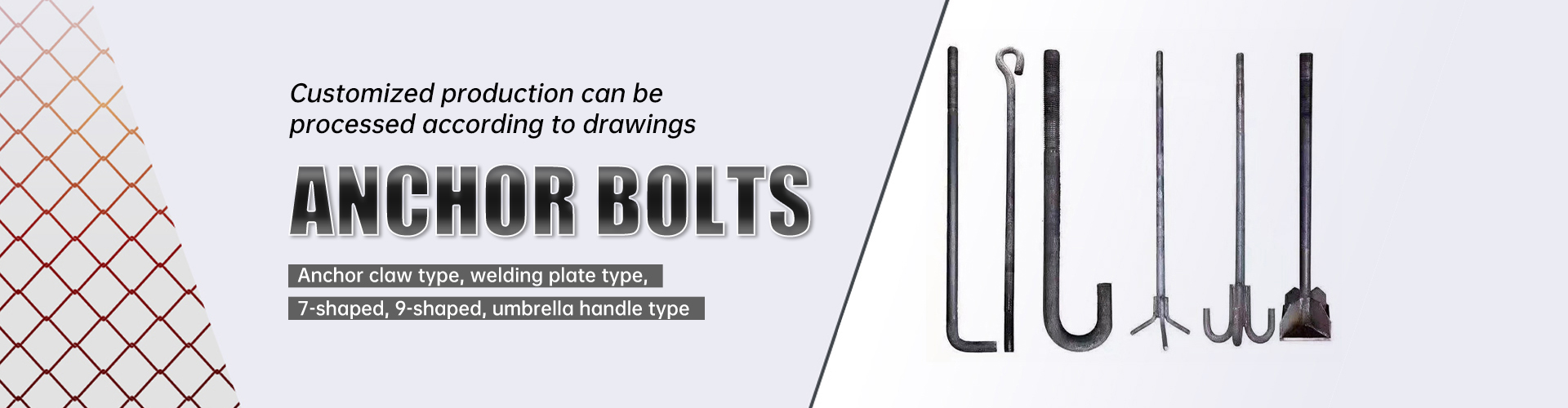
How is footing work innovating industrial sustainability?
2025-11-19
Footing work in industrial sustainability isn’t just a buzzword; it represents tangible shifts in how industries approach foundational practices. It goes beyond the structures themselves, diving into the materials, methods, and mindsets that make up the bedrock of sustainable progress. For those in the field, the focus might naturally turn to technical specifications or construction techniques. Yet, sustainability stretches into unexpected places—like the factories forging the very foundations of our industrial constructs.
Oinarrizko lanen oinarriak ulertzea
At its core, OINARRIZKO LANA supports everything else. Without a proper base, the most well-engineered construct can become a liability. Here’s where companies like Handan Zitai Fastener Manufacturing Co., Ltd. come into play. Located in Yongnian District, Handan City, their approach isn’t just about meeting standards; it’s about exceeding them, in a region rich with production expertise, enhanced by strategic proximity to major transport networks.
Their integration of sustainability starts with material selection. Using recycled steel when possible or opting for more environmentally benign alloys isn’t merely a choice—it’s becoming a necessity. You see it in the factories where digital systems track every ounce and output, reducing waste significantly.
But reality doesn’t always align with intentions—sometimes, early innovations in sustainable footing materials failed under real-world stressors. Yet, these setbacks equally fuel growth and innovation, pushing industries to refine and adapt solutions continuously.
The Role of Advanced Materials
Material science is evolving, prompting a shift from reliance on traditional raw materials to advanced composites and bio-based alternatives. In Handan Zitai Fastener Manufacturing, this has translated into experimenting with new compounds that potentially offer increased strength-to-weight ratios and lower environmental footprints.
These experiments aren’t without challenges. The variability in early testing stages sometimes means that promising alternatives are thwarted by unexpected reactions to environmental stress. It’s a tedious cycle of development, testing, and refinement, but one that promises dividends in reduced carbon emissions and enhanced life cycles.
Close partnerships between engineers, scientists, and environmental specialists are becoming the norm. The boundary between product development and environmental integrity blurs as teams strive to innovate practically and sustainably.
Embracing Digital Transformation
Footing work isn’t all about physical materials; digital technologies are reshaping how we conceive construction. From simulations predicting material longevity to IoT devices monitoring on-site conditions in real-time, the possibilities are expansive.
In practice, firms like Handan Zitai Fastener Manufacturing leverage these technologies to streamline operations and identify areas of improvement in real-time. It’s transformative—enabling more informed decision-making that directly impacts sustainability efforts.
Yet, adopting such tech comes with a learning curve, and integration can be resource-intensive initially. However, the payoff in terms of efficiency and environmental impact often justifies the investment.
Challenges and Practical Realities
No discussion is complete without acknowledging the hurdles. Adopting sustainable practices within industrial footing involves navigating regulatory landscapes, cost constraints, and industry inertia. Sometimes the push for innovation can clash with the immediate need for profit margins and market dynamics.
Companies often find themselves in a dance between innovation and feasibility. The transition is gradual but steady, with incremental achievements often masked by larger, more prominent setbacks. Yet, these setbacks highlight areas needing attention, pushing the industry forward incrementally.
It’s not about a massive systemic overhaul overnight; rather, it’s a series of calculated, mindful changes that sum up to significant impact over time.
The Road Ahead
Looking forward, the journey of industrial sustainability through the lens of OINARRIZKO LANA appears both promising and demanding. It’s an ongoing process of learning, adaptation, and collaboration. Companies like Handan Zitai Fastener Manufacturing are not only participants in this space but also innovators charting new territory.
Ultimately, sustainability in footing work emerges from the intersection of technical excellence and ecological stewardship. As industries continue to grapple with their environmental responsibilities, these foundational shifts offer a blueprint for future innovations. It’s a narrative of progress marked not by unobtainable ideals but by practical, informed decisions made daily on the ground.
In essence, those working within this sphere need to stay nimble, responsive, and ever-curious to ensure that the structures we build today can sustainably support the world of tomorrow.



Mesedez, utzi mezu bat
-


-
-


Urriatu