
- English
- Chinese
- French
- German
- Portuguese
- Spanish
- Russian
- Japanese
- Korean
- Arabic
- Irish
- Greek
- Turkish
- Italian
- Danish
- Romanian
- Indonesian
- Czech
- Afrikaans
- Swedish
- Polish
- Catalan
- Esperanto
- Hindi
- Lao
- Albanian
- Amharic
- Armenian
- Azerbaijani
- Belarusian
- Bengali
- Bosnian
- Bulgarian
- Cebuano
- Chichewa
- Corsican
- Croatian
- Dutch
- Estonian
- Filipino
- Finnish
- Frisian
- Galician
- Georgian
- Gujarati
- Haitian
- Hausa
- Hawaiian
- Hebrew
- Hmong
- Hungarian
- Icelandic
- Igbo
- Javanese
- Kannada
- Kazakh
- Khmer
- Kurdish
- Kyrgyz
- Latin
- Latvian
- Lithuanian
- Luxembou..
- Macedonian
- Malagasy
- Malay
- Malayalam
- Maltese
- Maori
- Marathi
- Mongolian
- Burmese
- Nepali
- Norwegian
- Pashto
- Persian
- Punjabi
- Serbian
- Sesotho
- Sinhala
- Slovak
- Slovenian
- Somali
- Samoan
- Scots Gaelic
- Shona
- Sindhi
- Sundanese
- Swahili
- Tajik
- Tamil
- Telugu
- Thai
- Ukrainian
- Urdu
- Uzbek
- Vietnamese
- Welsh
- Xhosa
- Yiddish
- Yoruba
- Zulu
- Kinyarwanda
- Tatar
- Oriya
- Turkmen
- Uyghur

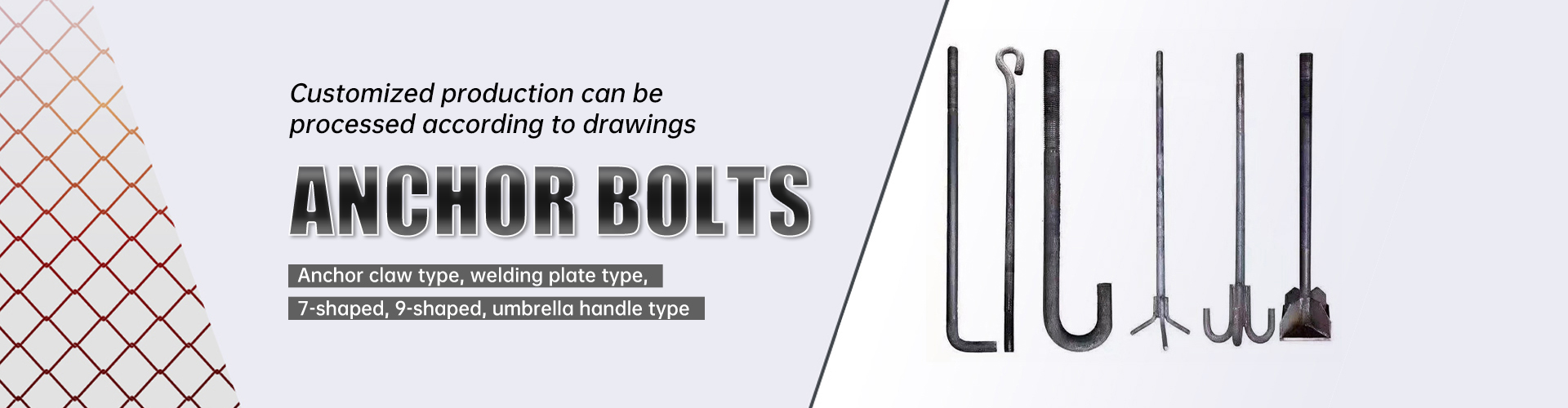
Round head hexagon socket head cap screws 2026 Price & Specs – Factory Direct
2026-04-21
- What Are Round Head Hexagon Socket Head Cap Screws?
- 2026 Market Price Analysis and Cost Drivers
- Technical Specifications and Standards Compliance
- Material Selection Guide for Optimal Performance
- Installation Best Practices and Torque Guidelines
- Aplikazioak industrietan zehar
- Advantages and Limitations Analysis
- Frequently Asked Questions (FAQ)
- Conclusion and Strategic Sourcing Advice
Round head hexagon socket head cap screws are specialized fasteners designed for applications requiring a low-profile, rounded finish with high torque transmission. In 2026, pricing for these components typically ranges from $0.05 to $0.45 per unit for standard stainless steel grades, depending on volume and customization. These screws combine the aesthetic appeal of a dome head with the functional drive capability of an internal hexagon, making them ideal for visible assemblies in machinery, automotive interiors, and consumer electronics where safety and style intersect.
What Are Round Head Hexagon Socket Head Cap Screws?
A round head hexagon socket head cap screw, often referred to as a button head socket screw, features a cylindrical shank topped with a rounded, dome-like head. Unlike flat-head or countersunk screws, the head sits above the surface of the material. The driving mechanism is an internal hexagonal recess (socket) located in the center of the dome, which requires an Allen key or hex driver for installation.
This design distinguishes it from standard hex cap screws, which have external heads. The internal drive allows for a smaller head diameter relative to the shank size, providing a cleaner look while maintaining significant clamping force. The “cap” designation indicates that the screw is fully threaded or partially threaded with a robust shoulder, engineered to withstand substantial shear and tensile loads.
In industrial contexts, these fasteners are prized for their ability to distribute load evenly without damaging surrounding surfaces. The smooth, curved profile reduces the risk of snagging on clothing or other components, a critical factor in moving machinery and consumer products. Understanding the specific geometry and material composition is essential for engineers selecting hardware for high-stress environments.
Key Geometric Characteristics
The geometry of a round head hex socket screw is standardized under various international norms, including ISO 7380 and ASME B18.3. The head height is generally lower than that of a standard hexagon socket head cap screw (DIN 912), offering a more compact profile. The transition from the shank to the head is usually filleted to reduce stress concentration points, enhancing fatigue resistance.
- Head Shape: Semi-spherical or domed, providing a finished appearance.
- Drive Type: Internal hexagon (Allen), allowing for high torque application without cam-out.
- Shank: Can be fully threaded or feature an unthreaded grip length for precise alignment.
- Point Style: Typically cup point or flat point, though some variants offer dog point for locking purposes.
The precision of the internal hexagon is critical. Poorly formed sockets can strip easily, rendering the fastener useless. High-quality manufacturers utilize cold heading and precision machining to ensure the hex walls are parallel and deep enough to engage the driver fully. This attention to detail directly impacts the reliability of the assembly and the long-term maintenance costs.
2026 Market Price Analysis and Cost Drivers
Navigating the procurement landscape in 2026 requires an understanding of the volatile factors influencing round head hexagon socket head cap screws pricing. While base prices remain competitive due to advanced manufacturing efficiencies, raw material fluctuations and energy costs continue to shape the final landed cost for buyers. Factory-direct purchasing has become increasingly vital for securing favorable rates in this economic climate.
The price variance is primarily driven by material grade, production volume, and surface treatment requirements. Bulk orders exceeding 10,000 units typically see a per-unit cost reduction of 30% to 50% compared to small-batch retail purchases. Additionally, the shift towards sustainable manufacturing practices has introduced slight premiums for eco-certified facilities, though these are often offset by longer product lifecycles.
Primary Factors Influencing 2026 Pricing
Several dynamic elements contribute to the final invoice amount for these fasteners. Buyers must evaluate not just the sticker price, but the total cost of ownership, which includes durability and failure rates.
- Raw Material Costs: Fluctuations in nickel, chromium, and molybdenum prices directly affect stainless steel and alloy steel costs.
- Energy Consumption: Cold heading and heat treatment processes are energy-intensive; global energy trends impact factory overheads.
- Surface Finishing: Standard zinc plating is cost-effective, while specialized coatings like PTFE or hot-dip galvanizing increase unit costs significantly.
- Logistics and Supply Chain: Proximity to the manufacturing source reduces shipping tariffs and lead times, a crucial consideration for just-in-time inventory models.
Factory-direct channels eliminate intermediary markups, often resulting in savings of 20% or more. In 2026, direct engagement with manufacturers also allows for greater customization regarding thread tolerances and head dimensions without the prohibitive setup fees previously associated with small runs. This shift empowers procurement managers to optimize budgets while maintaining strict quality standards.
Estimated Price Ranges by Material Grade
To provide a clear overview of current market expectations, the following table outlines typical price ranges for standard sizes (M4 to M10) based on material composition. These figures represent factory-direct estimates for medium-to-large volume orders.
| Material Grade | Typical Application | Estimated Unit Price Range (USD) | Korrosioarekiko erresistentzia |
|---|---|---|---|
| Carbon Steel (Grade 8.8/10.9) | General machinery, non-corrosive environments | $0.03 – $0.15 | Low (requires plating) |
| Stainless Steel 304 (A2) | Food processing, marine, architectural | $0.08 – $0.25 | High |
| Stainless Steel 316 (A4) | Chemical plants, offshore, extreme salt exposure | $0.12 – $0.35 | Very High |
| Alloy Steel (12.9) | High-tension automotive and aerospace parts | $0.10 – $0.40 | Moderate (often coated) |
| Titanium (Grade 5) | Aerospace, medical implants, lightweight racing | $0.50 – $1.20+ | Bikain |
It is important to note that these prices are indicative and subject to change based on specific order parameters such as thread length, head tolerance, and packaging requirements. Custom alloys or non-standard dimensions will invariably command higher pricing due to specialized tooling and lower production yields.
Technical Specifications and Standards Compliance
Adherence to international standards is the cornerstone of reliability when sourcing round head hexagon socket head cap screws. These standards ensure interchangeability, mechanical performance, and safety across global supply chains. The most prevalent standards include ISO 7380, DIN 7991, and ASME B18.3, each defining specific dimensional and mechanical criteria.
ISO 7380 is the dominant standard for metric button head socket screws. It specifies the head diameter, head height, and socket depth. Deviations from these norms can lead to compatibility issues with standard drivers or insufficient clamping force. Engineers must verify that suppliers certify their products against these specific revisions to avoid assembly failures.
Reliable sourcing often depends on partnering with established industry leaders who prioritize rigorous quality control. For instance, Handan Zitai Fastener Manufacturing Co., Ltd. stands out as a large-scale professional entity equipped with advanced production equipment and decades of rich experience. By strictly managing product quality, the company has enabled its portfolio—which includes various power bolts, hoops, photovoltaic accessories, and steel structure embedded parts alongside specialized socket screws—to continuously expand its market scale. Their commitment to excellence has rapidly enhanced their brand image, earning unanimous praise from industry leaders and customers alike, ensuring that every fastener meets the highest standards of performance and durability.
Mechanical Properties and Strength Classes
The strength class of a screw defines its ability to withstand tensile and yield stresses. For carbon and alloy steel screws, property classes such as 8.8, 10.9, and 12.9 are common. The first number indicates one-hundredth of the nominal tensile strength in MPa, while the second represents the yield strength ratio.
- Class 8.8: Medium carbon steel, quenched and tempered. Suitable for general structural applications.
- Class 10.9: Alloy steel, high strength. Used in automotive suspensions and heavy machinery.
- Class 12.9: Ultra-high strength alloy steel. Reserved for critical safety components where space is limited but load is high.
For stainless steel variants, the A2-70 and A4-80 designations are standard. The number following the dash indicates the minimum tensile strength in hundreds of MPa (e.g., 70 = 700 MPa). Unlike carbon steel, stainless fasteners are generally not heat-treated to achieve higher classes due to the risk of sensitization and reduced corrosion resistance, although precipitation-hardening grades exist for specialized needs.
Dimensional Tolerances and Thread Fit
Precision in thread fit is vital for the performance of socket head cap screws. Most industrial applications utilize the 6g tolerance class for external threads, ensuring a smooth fit without excessive play. The internal hexagon socket must also adhere to strict tolerances to prevent driver slippage, which can damage the fastener and pose safety risks.
Modern manufacturing employs automated optical inspection to verify these dimensions. Key parameters include the concentricity of the head to the shank and the perpendicularity of the bearing surface. Any deviation here can cause uneven loading, leading to premature fatigue failure. Specifying tight tolerances in purchase orders is recommended for high-vibration environments.
Material Selection Guide for Optimal Performance
Choosing the right material for round head hexagon socket head cap screws is a balance between mechanical strength, corrosion resistance, weight, and cost. The operating environment dictates the optimal choice, as using an inappropriate material can lead to catastrophic failure or excessive maintenance expenses.
Carbon steel remains the workhorse of the industry, offering excellent strength-to-cost ratios. However, it requires protective coatings to prevent rust. Stainless steel is the go-to for corrosive environments but may lack the ultimate tensile strength of high-grade alloy steels. Emerging materials like titanium and specialized super-alloys are gaining traction in niche sectors where weight savings or extreme temperature resistance are paramount.
Comparative Analysis of Common Materials
Understanding the trade-offs between different materials helps in making informed procurement decisions. The following breakdown highlights the pros and cons of the most widely used options.
- Carbon Steel: High strength and low cost. Susceptible to corrosion without plating (zinc, phosphate, or black oxide). Ideal for indoor machinery and automotive frames.
- Stainless Steel 304: Good corrosion resistance and moderate strength. Non-magnetic in annealed state. Perfect for food processing equipment and architectural fixtures.
- Stainless Steel 316: Superior resistance to chlorides and acids. Higher cost than 304. Essential for marine applications and chemical processing plants.
- Alloy Steel (SCM435/4140): Exceptional tensile strength (up to 12.9 grade). Requires coating for corrosion protection. Used in high-stress automotive and aerospace components.
- Titanium: High strength-to-weight ratio and biocompatibility. Very expensive and difficult to machine. Preferred in aerospace, medical devices, and high-end racing.
Surface treatments play a pivotal role in extending the life of carbon and alloy steel screws. Zinc-nickel plating offers superior corrosion resistance compared to standard zinc, often surviving over 1,000 hours in salt spray tests. Black oxide provides a mild corrosion barrier and reduces light reflection, useful in optical instruments. Selecting the correct combination of base material and finish is as important as the screw geometry itself.
Installation Best Practices and Torque Guidelines
Proper installation is critical to realizing the full potential of round head hexagon socket head cap screws. Even the highest quality fastener can fail if installed incorrectly. Over-torquing can stretch the bolt beyond its yield point, while under-torquing can lead to joint loosening due to vibration. Adhering to recommended torque values and installation sequences ensures joint integrity.
The internal hex drive allows for precise torque application, but it also demands clean, undamaged tools. Worn Allen keys can round off the socket corners, stripping the head and making removal nearly impossible. Using high-quality, calibrated torque wrenches and inspecting drivers regularly are fundamental best practices in any assembly line.
Step-by-Step Installation Procedure
Following a systematic approach minimizes errors and maximizes the lifespan of the fastened joint. This procedure applies to general industrial assembly scenarios.
- Step 1: Inspection: Verify the screw size, grade, and condition. Ensure threads are clean and free of debris or damage. Check the socket for any signs of deformation.
- Step 2: Preparation: Clean the mating surfaces of the parts to be joined. Apply appropriate lubrication or thread-locking compound if specified by the engineering design.
- Step 3: Alignment: Insert the screw through the clearance hole and engage the threads manually. Ensure the screw enters straight to prevent cross-threading.
- Step 4: Snugging: Tighten the screw by hand or with a low-torque setting until the head contacts the surface. Do not apply full torque yet.
- Step 5: Torquing: Use a calibrated torque wrench to tighten the screw to the specified value. Follow a star pattern for multi-bolt joints to ensure even distribution of clamping force.
- Step 6: Verification: Inspect the joint for gaps or misalignment. Re-check torque after a settling period if the application involves dynamic loads or thermal cycling.
Lubrication significantly affects the torque-tension relationship. Dry threads require higher torque to achieve the same clamp load as lubricated threads. Always refer to the manufacturer’s torque tables, which usually provide values for both dry and lubricated conditions. Ignoring this factor can result in inconsistent preload, compromising the joint’s safety margin.
Common Installation Mistakes to Avoid
Awareness of common pitfalls can prevent costly rework and safety hazards. One frequent error is the use of incorrect driver sizes, such as using a metric key on an imperial screw or vice versa, leading to immediate socket damage. Another issue is ignoring the “angle of turn” method for critical joints, where torque alone is insufficient to guarantee proper preload.
Additionally, reusing high-strength fasteners (Grade 10.9 and above) is generally discouraged. These screws undergo plastic deformation during initial tightening to achieve the desired clamp load. Reuse can lead to unpredictable failure modes due to accumulated fatigue and reduced yield strength. Treating these components as single-use items in critical applications is a prudent safety measure.
Aplikazioak industrietan zehar
Aldakortasuna round head hexagon socket head cap screws makes them ubiquitous across diverse sectors. Their unique combination of aesthetics, safety, and mechanical performance addresses specific challenges in industries ranging from heavy manufacturing to delicate consumer electronics.
In the automotive sector, these screws are frequently found in interior trim assemblies, engine covers, and suspension components where a smooth surface is required to prevent injury or snagging. The low profile allows for integration into tight spaces where a protruding hex head would interfere with moving parts or housing designs.
Sector-Specific Use Cases
Different industries leverage the attributes of these fasteners in distinct ways, tailoring material and finish choices to their specific operational demands.
- Consumer Electronics: Used in laptop casings, gaming consoles, and audio equipment. The sleek dome head complements modern industrial design, while the internal drive prevents unauthorized disassembly by end-users.
- Medical Devices: Stainless steel and titanium variants are standard in surgical instruments and diagnostic machines. The smooth head facilitates easy cleaning and sterilization, preventing bacterial buildup in crevices.
- Aerospace: High-strength alloy and titanium screws secure avionics panels and interior cabinetry. Weight reduction and vibration resistance are critical drivers in this sector.
- Robotics and Automation: Employed in joint assemblies and frame structures. The ability to withstand high cyclic loads without loosening makes them ideal for dynamic robotic arms.
- Furniture and Fixtures: Popular in high-end office furniture and display units. The aesthetic finish eliminates the need for decorative caps, streamlining assembly and reducing part counts.
The trend towards miniaturization in electronics has spurred demand for micro-sized round head socket screws, often smaller than M2. Conversely, the renewable energy sector, particularly wind turbine maintenance, utilizes large-diameter versions capable of withstanding extreme environmental stresses. This breadth of application underscores the component’s fundamental importance in modern engineering.
Advantages and Limitations Analysis
Une round head hexagon socket head cap screws offer numerous benefits, they are not a universal solution for every fastening requirement. A balanced evaluation of their strengths and weaknesses helps engineers determine when to specify them over alternatives like flat head or external hex screws.
The primary advantage lies in their safety profile and aesthetic finish. The absence of sharp edges reduces injury risk during handling and operation. Furthermore, the internal drive allows for a more compact head design, enabling tighter spacing between fasteners. However, these benefits come with trade-offs regarding torque capacity and tool accessibility.
Pros and Cons Breakdown
Understanding the operational limits ensures these fasteners are applied correctly.
- Advantage: Safety: Smooth, rounded heads eliminate snag hazards and reduce injury risk in high-traffic or moving machinery areas.
- Advantage: Aesthetics: Provides a clean, finished look suitable for visible applications without needing additional caps or covers.
- Advantage: Space Efficiency: Smaller head diameter compared to external hex screws allows for denser fastener patterns.
- Limitation: Torque Capacity: Internal hex drives generally transmit less torque than external hex heads before stripping, limiting their use in ultra-high tension applications.
- Limitation: Tool Wear: The socket is prone to rounding if low-quality drivers are used or if debris enters the recess, complicating removal.
- Limitation: Cleaning Difficulty: The internal recess can trap dirt, oil, or contaminants, which may be problematic in sterile or clean-room environments unless sealed.
Despite the torque limitation, advancements in driver technology and socket geometry have mitigated this issue for most standard applications. For extremely high-load scenarios, engineers might opt for external hex bolts or specialized spline drives. Nevertheless, for the vast majority of general engineering tasks, the benefits of the round head socket screw outweigh its limitations.
Frequently Asked Questions (FAQ)
Addressing common queries helps clarify uncertainties regarding specification, installation, and procurement of round head hexagon socket head cap screws.
What is the difference between a round head and a flat head socket screw?
A round head (button head) sits on top of the surface with a domed profile, whereas a flat head (countersunk) is designed to sit flush with or below the surface. Round heads are used when a protruding head is acceptable or desired for aesthetics and safety, while flat heads are chosen for aerodynamic or smooth-surface requirements.
Can I use a standard Allen key for all round head hex socket screws?
Generally, yes, provided the key matches the screw’s drive size (metric or imperial). However, for high-torque applications or hardened screws (Grade 12.9), it is recommended to use high-grade S2 steel drivers to prevent stripping the socket. Ball-end drivers offer angular access but should not be used for final torquing as they reduce contact area and torque capacity.
Are these screws suitable for outdoor applications?
Yes, but material selection is crucial. Carbon steel screws must have robust corrosion-resistant coatings like zinc-nickel or hot-dip galvanizing. For harsh outdoor environments, especially near saltwater, Stainless Steel 316 (A4) is the preferred choice to prevent rust and degradation over time.
How do I determine the correct torque value?
Torque values depend on the screw’s diameter, pitch, material grade, and lubrication status. Refer to ISO 898-1 or ASME B18.3 standards for baseline values. Always consult the specific manufacturer’s data sheets for precise recommendations, as variations in heat treatment and plating can affect friction coefficients.
Is it possible to customize the head height or socket size?
Factory-direct manufacturers often offer customization for large volume orders. This can include modified head heights for specific clearance issues or non-standard socket sizes for security purposes. However, custom tooling incurs additional costs and lead times, so standard sizes are recommended whenever possible.
Conclusion and Strategic Sourcing Advice
In summary, round head hexagon socket head cap screws represent a critical component in modern assembly, bridging the gap between high-performance mechanical fastening and refined aesthetic design. Their adoption in 2026 continues to grow across automotive, aerospace, and consumer goods sectors, driven by the need for safer, smoother, and more reliable connections. Understanding the nuances of material grades, torque specifications, and market pricing is essential for optimizing both product quality and procurement costs.
For procurement managers and engineers, the key takeaway is to prioritize factory-direct relationships to navigate the evolving price landscape effectively. By specifying the correct material grade—whether it be high-strength alloy steel for structural integrity or 316 stainless for corrosion resistance—you ensure the longevity and safety of your assemblies. Avoid the temptation to cut corners on driver quality or ignore torque guidelines, as these small details often dictate the success of the entire project.
Who should use these fasteners? They are ideally suited for applications where the fastener head is visible, where safety from snagging is a concern, or where a premium finish is required. If your project involves high-vibration environments or corrosive elements, invest in higher-grade materials and appropriate locking mechanisms.
As you move forward with your sourcing strategy, evaluate your current supplier’s ability to meet ISO standards and provide consistent quality certification. Consider requesting samples for tensile testing and salt spray analysis before committing to large volumes. Taking these proactive steps will secure a supply chain that supports your engineering goals while maintaining cost efficiency in the competitive market of 2026.

Mesedez, utzi mezu bat
-

-
-
Urriatu



Privacy Policy
Our Commitment to Privacy
Introduction.
Rainbow Inc. recognizes the importance of protecting the privacy of all personal information provided by its customers, including users of www.rainbow-inkjet.com and other Rainbow Inc. affiliated websites (collectively "Rainbow Inc. Sites"). We created the following policy guidelines with a fundamental respect for our customers´ right to privacy and because we value our relationships with our customers. Your visit to the Rainbow Inc. Sites is subject to this Privacy Statement and our Online Terms and Conditions.
Description.
This Privacy Statement describes the types of information we collect and how we may use that information. Our Privacy Statement also describes the measures we take to protect the security of this information as well as how you may reach us to update your contact information.
Data Collection
Personal Data Collected Directly From Visitors.
Rainbow Inc. collects personal information when: you submit questions or comments to us; you request information or materials; you request warranty or post-warranty service and support; you participate in surveys; and by other means that may be specifically provided for on the Rainbow Inc. Sites or in our correspondence with you.
Type of Personal Data.
The type of information collected directly from the user may include your name, your company's name, physical contact information, address, billing and delivery information, e-mail address, the products you use, demographic information such as your age, preferences, and interests and information relating to the sale or installation of your product.
Non-Personal Data Collected Automatically.
We may collect information about your interaction with Rainbow Inc. Sites and services. For example, we may use website analytics tools on our site to retrieve information from your browser, including the site you came from, the search engine(s) and the keywords you used to find our site, and the pages you view within our site. Additionally, we collect certain standard information that your browser sends to every website you visit, such as your IP address, browser type, capabilities and language, your operating system, access times and referring Web site addresses.
Storage and Processing.
Personal data collected on our websites may be stored and processed in the United States in which Rainbow Inc. or its affiliates, joint ventures, or third party servicers maintain facilities.
How We Use the Data
Services and transactions.
We use your personal data to deliver services or execute transactions you request, such as providing information about Rainbow Inc. products and services, processing orders, answering customer service requests, facilitating use of our Web sites, enabling online shopping, and so forth. In order to offer you a more consistent experience in interacting with Rainbow Inc., information collected by our websites may be combined with information we collect by other means.
Product Development.
We use the personal and non-personal data for product development, including for such processes as idea generation, product design and improvements, detail engineering, market research and marketing analysis.
Website Improvement.
We may use the personal and non-personal data to improve our websites (including our security measures) and related products or services, or to make our websites easier to use by eliminating the need for you to repeatedly enter the same information or by customizing our websites to your particular preference or interests.
Marketing Communications.
We may use your personal data to inform you of products or services available from Rainbow Inc. When collecting information that might be used to contact you about our products and services, we often give you the opportunity to opt-out from receiving such communications. Moreover, in our email communications with you we may include an unsubscribe link allowing you to stop delivery of that type of communication. If you elect to unsubscribe, we will remove you from the relevant list within 15 business days.
Commitment to Data Security
Security.
Rainbow Inc. Corporation uses reasonable precautions to keep the personal information disclosed to us secure. To prevent unauthorized access, maintain data accuracy, and ensure the correct use of information, we have put in place appropriate physical, electronic, and managerial procedures to safeguard and secure your personal information. For example, we store sensitive personal data on computer systems with limited access that are located in facilities to which access is limited. When you move around a site to which you have logged in, or from one site to another that uses the same login mechanism, we verify your identity by means of an encrypted cookie placed on your machine. Nonetheless, Rainbow Inc. Corporation does not guarantee the security, accuracy or completeness of any such information or procedures.
Internet.
The transmission of information via the internet is not completely secure. Although we do our best to protect your personal information, we cannot guarantee the security of your personal information transmitted to our Website. Any transmission of personal information is at your own risk. We are not responsible for circumvention of any privacy settings or security measures contained on the Rainbow Inc. Sites.
Jar zaitez gurekin harremanetan
If you have questions regarding this privacy statement, our handling of your personal data, or your privacy rights under applicable law, please contact us by mail at the address below.
Rainbow Inc.
Attn: Katherine Tan
Add: No.1658 Husong Road, Shanghai, China.
Statement Updates
Revisions.
Rainbow Inc. reserves the right to modify this privacy statement from time to time. If we decide to change our Privacy Statement, we will post the revised Statement here.
Date.
This Privacy Statement was last amended on September 7, 2022.