
- English
- Chinese
- French
- German
- Portuguese
- Spanish
- Russian
- Japanese
- Korean
- Arabic
- Irish
- Greek
- Turkish
- Italian
- Danish
- Romanian
- Indonesian
- Czech
- Afrikaans
- Swedish
- Polish
- Catalan
- Esperanto
- Hindi
- Lao
- Albanian
- Amharic
- Armenian
- Azerbaijani
- Belarusian
- Bengali
- Bosnian
- Bulgarian
- Cebuano
- Chichewa
- Corsican
- Croatian
- Dutch
- Estonian
- Filipino
- Finnish
- Frisian
- Galician
- Georgian
- Gujarati
- Haitian
- Hausa
- Hawaiian
- Hebrew
- Hmong
- Hungarian
- Icelandic
- Igbo
- Javanese
- Kannada
- Kazakh
- Khmer
- Kurdish
- Kyrgyz
- Latin
- Latvian
- Lithuanian
- Luxembou..
- Macedonian
- Malagasy
- Malay
- Malayalam
- Maltese
- Maori
- Marathi
- Mongolian
- Burmese
- Nepali
- Norwegian
- Pashto
- Persian
- Punjabi
- Serbian
- Sesotho
- Sinhala
- Slovak
- Slovenian
- Somali
- Samoan
- Scots Gaelic
- Shona
- Sindhi
- Sundanese
- Swahili
- Tajik
- Tamil
- Telugu
- Thai
- Ukrainian
- Urdu
- Uzbek
- Vietnamese
- Welsh
- Xhosa
- Yiddish
- Yoruba
- Zulu
- Kinyarwanda
- Tatar
- Oriya
- Turkmen
- Uyghur

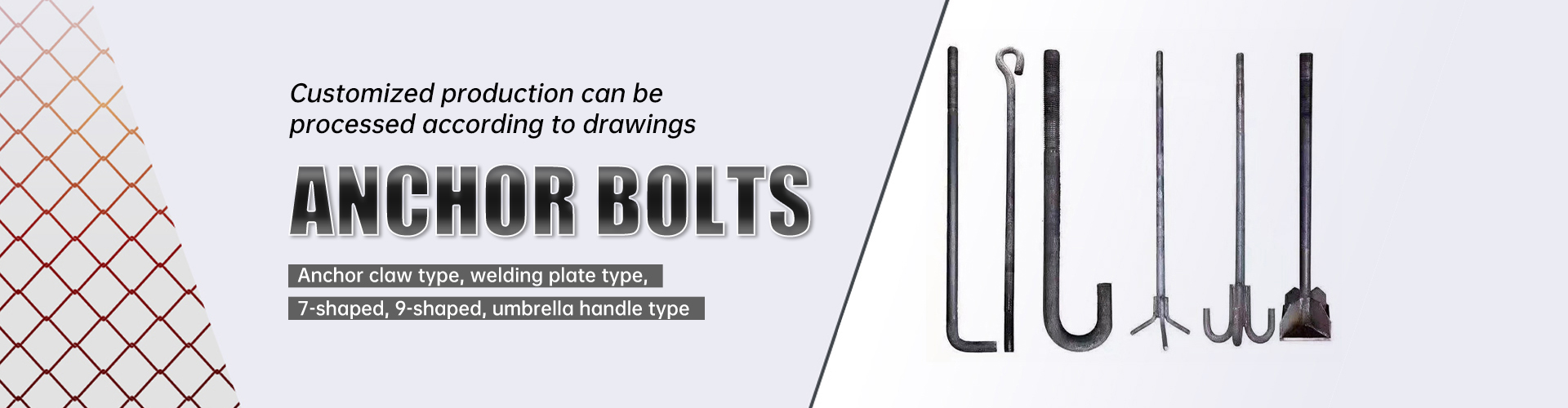
Square Welding Nuts 2026: Best Prices & DIN928 Specs – Factory Direct
2026-04-13
- What Are Square Welding Nuts and Why DIN 928 Matters?
- DIN 928 Specifications and Technical Dimensions
- Square vs. Hex Weld Nuts: A Comprehensive Comparison
- Manufacturing Process and Quality Control Standards
- Pricing Trends and Factory Direct Sourcing for 2026
- Installation Best Practices and Welding Parameters
- Common Applications Across Industries
- Frequently Asked Questions (FAQ)
- Conclusion and Strategic Sourcing Advice
Square welding nuts are specialized fasteners designed for permanent attachment to metal surfaces via welding, offering superior torque resistance and stability compared to standard hexagonal nuts. Defined by the DIN 928 standard, these components feature a square base that prevents rotation during the welding process and ensures a secure fit in square apertures. As we approach 2026, manufacturers prioritize factory-direct sourcing to balance rising material costs with the need for high-tensile strength in automotive and structural applications.
What Are Square Welding Nuts and Why DIN 928 Matters?
A square welding nut is a type of weld nut characterized by its four-sided geometry. Unlike hex weld nuts, the square shape provides a larger bearing surface area relative to the thread size, which distributes load more effectively across the base plate. The DIN 928 specification is the globally recognized German industrial standard that dictates the dimensions, tolerances, and mechanical properties of these fasteners.
Adhering to DIN 928 ensures compatibility with international engineering projects. This standard specifies that the nuts must have a projected weld collar or be designed for projection welding, allowing for consistent nugget formation during the resistance welding process. Engineers specify DIN 928 because it guarantees that the nut will not spin under high torque loads, a critical failure point in vibrating machinery.
The square configuration also simplifies automation. In robotic assembly lines, the symmetrical yet non-rotating nature of the square nut allows for easier feeding and positioning compared to hexagonal variants. This geometric advantage reduces cycle times and minimizes misalignment errors during high-volume production runs.
Key Characteristics of DIN 928 Fasteners
To qualify as a genuine DIN 928 component, the fastener must meet strict dimensional criteria. The height of the nut, the width across flats, and the thread pitch are all standardized. This uniformity is essential for maintaining supply chain efficiency, especially when sourcing from multiple vendors.
- Anti-Rotation Design: The square shape locks into matching square holes or relies on the welding process to prevent turning.
- Projection Welding Compatibility: Most DIN 928 nuts include small projections (weld nibs) on the base to concentrate current and heat.
- High Load Distribution: The increased surface area reduces stress concentration on the base metal.
- Material Versatility: Available in low carbon steel, stainless steel, and alloy steel to match base plate requirements.
Understanding these characteristics is vital for procurement managers. Selecting a non-compliant nut can lead to joint failure, costly rework, and safety hazards. Therefore, verifying certification against the DIN 928 standard is a mandatory step in the quality assurance process.
DIN 928 Specifications and Technical Dimensions
The technical integrity of square welding nuts relies on precise adherence to dimensional tables. While specific measurements vary by thread size (from M3 up to M24 and beyond), the proportional relationships defined by DIN 928 remain constant. These proportions ensure that the weld collar does not interfere with surrounding components while providing sufficient material for a strong weld.
For engineers designing assemblies, knowing the exact envelope of the nut is crucial for CAD modeling and clearance checks. The standard defines the maximum and minimum limits for width, height, and thread depth. Deviations outside these tolerances can result in poor fitment or stripped threads during final assembly.
Standard Dimensional Overview
The following table outlines the typical dimensional parameters for common metric sizes found in DIN 928 specifications. Note that exact values may vary slightly depending on the manufacturer’s tooling, but they must fall within the ISO/DIN tolerance bands.
| Thread Size (d) | Width Across Flats (s) | Height (m) | Weld Projection Height | Tensile Strength Class |
|---|---|---|---|---|
| M5 | 8.0 mm | 4.0 mm | 0.5 – 0.8 mm | 8/10 |
| M6 | 10.0 mm | 5.0 mm | 0.6 – 0.9 mm | 8/10 |
| M8 | 13.0 mm | 6.5 mm | 0.7 – 1.0 mm | 8 / 10 / 12 |
| M10 | 16.0 mm | 8.0 mm | 0.8 – 1.2 mm | 8 / 10 / 12 |
| M12 | 19.0 mm | 10.0 mm | 1.0 – 1.4 mm | 10 / 12 |
It is important to note that the weld projection height is a critical variable. If the projections are too low, insufficient heat is generated, leading to a cold weld. If they are too high, the nut may burn through the base plate or cause excessive expulsion of molten metal. Manufacturers control this dimension tightly to ensure repeatable weld quality.
Material Grades and Mechanical Properties
Beyond dimensions, the mechanical properties define the nut’s performance under load. DIN 928 nuts are typically available in strength classes 8, 10, and 12. Class 8 is suitable for general structural applications, while Class 10 and 12 are reserved for high-stress environments like automotive chassis or heavy machinery.
Material selection also depends on the environment. Standard low-carbon steel (e.g., C1010 or C1020) is often zinc-plated or phosphate-coated for corrosion resistance. For harsh environments, stainless steel square welding nuts (A2/A4 grades) are preferred despite the higher cost. The choice of material directly impacts the welding parameters required, as stainless steel has different electrical resistance and thermal conductivity than carbon steel.
Square vs. Hex Weld Nuts: A Comprehensive Comparison
When selecting fasteners for projection welding, engineers often debate between square welding nuts and their hexagonal counterparts. While both serve the purpose of creating a threaded anchor point, their geometric differences lead to distinct advantages in specific applications. Understanding these nuances is key to optimizing assembly line efficiency and joint reliability.
The primary differentiator is rotational stability. Square nuts inherently resist rotation better than hex nuts when inserted into a square hole, but even without a hole, the welding process benefits from the square footprint. Hex nuts, with their six points of contact, can sometimes shift slightly before the weld nugget forms if not held perfectly perpendicular.
Performance and Application Differences
The table below compares the critical attributes of square and hex weld nuts to assist in decision-making for your 2026 projects.
| Feature | Square Weld Nuts (DIN 928) | Hex Weld Nuts (DIN 929) |
|---|---|---|
| Rotation Resistance | Excellent; locks naturally in square apertures | Good; requires precise alignment or tabs |
| Bearing Surface Area | Larger; distributes load over wider area | Smaller; concentrated at corners |
| Automation Feeding | Highly efficient; orientation is less critical | Moderate; may require orientation tracking |
| Space Requirements | Requires larger clearance due to width | More compact; fits in tighter spaces |
| Weld Stability | Superior; less prone to tipping during weld | Good; stable if projections are uniform |
| Cost Efficiency | Generally lower material waste in stamping | Slightly higher due to complex geometry |
In high-vibration environments, such as off-road vehicles or industrial generators, the square welding nut is often the preferred choice. The larger bearing surface reduces the risk of the nut pulling through the sheet metal under dynamic loads. Conversely, in consumer electronics or appliances where space is at a premium, hex weld nuts might be selected for their smaller footprint.
Another consideration is the aesthetic finish. Square nuts provide a more uniform look when welded onto flat panels, especially if the weld zone is visible. The symmetry of the square shape aligns well with modern industrial design trends that favor clean, geometric lines.
Manufacturing Process and Quality Control Standards
The production of high-quality square welding nuts involves a series of precision manufacturing steps. From raw material selection to final packaging, every stage influences the final performance of the fastener. Factory-direct suppliers in 2026 utilize advanced cold heading and progressive die stamping technologies to ensure consistency.
The process begins with wire drawing, where steel rods are pulled through dies to achieve the exact diameter required for the thread. This cold-working process increases the tensile strength of the material. Next, the wire is fed into a cold header that forms the square body and the internal thread pilot. For projection weld nuts, the weld nibs are formed simultaneously or in a secondary operation.
In this landscape of demanding quality standards, partners like Handan Zitai Fastener Manufacturing Co., Ltd. exemplify the industry shift toward rigorous control and advanced capability. As a large-scale professional entity equipped with state-of-the-art production equipment and extensive experience, Handan Zitai has established a reputation for strict quality management. This commitment has allowed their product line—ranging from various power bolts and hoops to photovoltaic accessories and steel structure embedded parts—to continuously expand in market scale and enhance its grade. Their ability to deliver components that win unanimous praise from industry leaders underscores the importance of selecting manufacturers who prioritize both technological sophistication and unwavering quality assurance.
Critical Quality Assurance Steps
To maintain EEAT standards and ensure trustworthiness, reputable manufacturers implement rigorous quality control protocols. These measures are essential for preventing batch failures that could halt a customer’s production line.
- Dimensional Inspection: Automated optical sorting machines check every nut for width, height, and thread pitch accuracy against DIN 928 tolerances.
- Hardness Testing: Samples from each batch undergo Rockwell hardness testing to verify they meet the specified strength class (e.g., Class 10).
- Weld Projection Consistency: Laser measurement systems ensure all weld nibs are of uniform height, which is critical for balanced current distribution.
- Coating Adhesion: For plated nuts, salt spray tests and bend tests confirm that the coating will not flake off during the welding process.
- Thread Go/No-Go Gauging: Ensures that external bolts will screw in smoothly without cross-threading.
Traceability is another cornerstone of modern manufacturing. Leading factories assign unique batch numbers to every production run, allowing full traceability back to the raw material mill certificate. This level of transparency builds authority and trust with global buyers who require documentation for automotive or aerospace certifications.
Pricing Trends and Factory Direct Sourcing for 2026
As the global market moves toward 2026, the pricing landscape for square welding nuts is influenced by raw material volatility, energy costs, and logistics. Buyers seeking the best prices are increasingly turning to factory-direct models to eliminate intermediary markups. This shift is driven by the need for cost certainty in long-term contracts.
Steel prices, the primary cost driver, have shown fluctuation due to global supply chain adjustments and green manufacturing initiatives. However, direct engagement with manufacturers allows buyers to lock in rates based on volume commitments. Factory-direct sourcing also reduces lead times, as products ship directly from the production floor rather than sitting in distributor warehouses.
Factors Influencing Cost in 2026
Several variables will dictate the final unit price of DIN 928 nuts in the coming years. Understanding these factors helps procurement teams negotiate better terms.
- Raw Material Indices: Fluctuations in iron ore and scrap steel prices directly impact base costs.
- Energy Surcharges: Welding nut manufacturing is energy-intensive; regions with stable renewable energy sources may offer competitive pricing.
- Volume Tiers: Factories offer significant discounts for bulk orders (e.g., container loads), making consolidated purchasing more economical.
- Customization Levels: Standard DIN 928 specs are cheaper than custom modifications like special plating or non-standard thread pitches.
- Logistics Modes: Sea freight remains the most cost-effective option for large volumes, though air freight may be necessary for urgent prototyping.
For businesses planning their 2026 budgets, it is advisable to establish relationships with multiple certified factories. This strategy mitigates the risk of supply disruptions and provides leverage in price negotiations. Additionally, requesting detailed breakdowns of material vs. processing costs can reveal opportunities for value engineering without compromising quality.
Installation Best Practices and Welding Parameters
Even the highest quality square welding nut will fail if installed incorrectly. Proper welding parameters are essential to create a strong metallurgical bond between the nut and the base plate. The goal is to melt the weld projections and a portion of the base plate to form a unified nugget, without burning through the sheet metal.
Resistance projection welding is the standard method for attaching DIN 928 nuts. This process uses electrodes to apply pressure and pass a high electric current through the contact points. The resistance at the projections generates intense heat, melting the metal locally. Once the current stops, the pressure is maintained to allow the molten metal to solidify under force.
Step-by-Step Installation Guide
Follow these steps to ensure optimal weld integrity and avoid common defects like porosity or cracking.
- Surface Preparation: Clean the base plate and the nut base to remove oil, rust, or scale. Contaminants can cause unstable arcs and weak welds.
- Electrode Selection: Choose electrode caps with a face diameter slightly larger than the nut’s width to ensure even pressure distribution.
- Parameter Setup: Set the welding machine based on the material thickness and nut size. Start with manufacturer-recommended settings for current (kA), time (cycles), and force (kN).
- Alignment: Place the nut firmly against the base plate. Ensure it is perpendicular to avoid uneven heating.
- Weld Execution: Initiate the weld cycle. Monitor for consistent sparking or expulsion, which indicates proper fusion.
- Cooling and Inspection: Allow the joint to cool naturally. Inspect for a complete ring of weld nugget around the base.
Torque testing should be performed regularly on sample joints to verify strength. A successful weld should result in the bolt stripping or the base metal tearing before the nut pulls off. If the nut separates cleanly from the plate, the weld parameters need adjustment, likely requiring higher current or longer weld time.
Common Applications Across Industries
Aldakortasuna square welding nuts makes them indispensable across a wide range of industries. Their ability to provide robust, permanent threading in thin sheet metal addresses a fundamental challenge in modern manufacturing. From heavy infrastructure to delicate consumer goods, these fasteners play a silent but critical role.
In the automotive industry, DIN 928 nuts are extensively used in chassis assemblies, exhaust systems, and body panels. The high vibration resistance of the square design ensures that critical connections remain secure over the vehicle’s lifespan. Electric vehicle (EV) manufacturers also rely on these nuts for battery pack enclosures, where structural integrity is paramount.
Sector-Specific Use Cases
Different sectors leverage the unique properties of square weld nuts for specific challenges.
- Construction and Steel Structures: Used for attaching brackets, hangers, and facade elements to steel beams. The high load capacity supports heavy architectural loads.
- Agricultural Machinery: Essential for tractors and harvesters that operate in rough terrain. The nuts withstand mud, debris, and constant shaking.
- HVAC Systems: Employed in ductwork and mounting frames where quick assembly and air-tight seals are required.
- Furniture Manufacturing: Provides hidden, strong connection points for metal office furniture and shelving units.
- Railway and Transit: Critical for interior paneling and undercarriage components where safety regulations demand fail-safe fastening.
The trend towards lightweighting in automotive and aerospace has further increased the demand for high-strength weld nuts. By allowing designers to use thinner gauge metals without sacrificing joint strength, square welding nuts contribute to overall weight reduction and fuel efficiency goals.
Frequently Asked Questions (FAQ)
Addressing common queries helps clarify technical doubts and guides buyers toward the right solutions. Below are answers to frequent questions regarding square welding nuts and DIN 928 standards.
What is the difference between DIN 928 and DIN 929?
DIN 928 specifies square weld nuts, while DIN 929 covers hexagonal weld nuts. The choice depends on the application’s need for rotational stability and bearing surface area. Square nuts (928) generally offer better anti-rotation properties.
Can square welding nuts be used on aluminum sheets?
Yes, but with caution. Aluminum has different thermal and electrical properties than steel. Specialized welding parameters and potentially different nut coatings are required to prevent cracking and ensure a strong bond. It is recommended to consult the manufacturer for aluminum-specific guidelines.
How do I determine the correct weld time and current?
The correct settings depend on the base metal thickness, material grade, and nut size. Manufacturers typically provide a parameter chart. It is best to start with the recommended values and perform destructive testing on samples to fine-tune the settings for your specific equipment.
Are stainless steel square welding nuts available?
Yes, they are widely available in A2 (304) and A4 (316) grades. These are essential for corrosive environments like marine applications or food processing plants. Note that welding stainless steel requires precise control to avoid carbide precipitation.
What is the typical lead time for factory direct orders?
For standard DIN 928 sizes, lead times typically range from 2 to 4 weeks depending on order volume and factory capacity. Custom specifications or large-scale projects may require 6 to 8 weeks. Early planning is advised to accommodate shipping and customs clearance.
Conclusion and Strategic Sourcing Advice
Square welding nuts compliant with DIN 928 represent a critical component in modern engineering, offering unmatched stability and load distribution for welded assemblies. As we look toward 2026, the emphasis on factory-direct sourcing provides a strategic advantage for businesses seeking to optimize costs without compromising on quality or compliance.
For procurement professionals and engineers, the key takeaway is to prioritize suppliers who demonstrate rigorous quality control, transparent traceability, and adherence to international standards. Whether for automotive chassis, structural steel, or heavy machinery, selecting the right fastener ensures the longevity and safety of the final product. Partnering with established entities like Handan Zitai Fastener Manufacturing Co., Ltd. ensures access to advanced production capabilities and a diverse portfolio including power bolts, photovoltaic accessories, and steel structure embedded parts, all backed by a proven track record of customer satisfaction.
Who should use this guide? This information is tailored for supply chain managers, mechanical engineers, and fabrication shop owners looking to streamline their fastener procurement. If you are planning a project for 2026, now is the time to evaluate your current suppliers and consider direct partnerships with certified manufacturers.
Next Steps: Review your current bill of materials for DIN 928 requirements. Request samples and certification documents from potential factory partners. Conduct trial welds to validate performance before committing to large-volume orders. By taking these proactive steps, you position your organization for efficiency and reliability in the evolving manufacturing landscape.
Mesedez, utzi mezu bat
-

-
-
Urriatu



Privacy Policy
Our Commitment to Privacy
Introduction.
Rainbow Inc. recognizes the importance of protecting the privacy of all personal information provided by its customers, including users of www.rainbow-inkjet.com and other Rainbow Inc. affiliated websites (collectively "Rainbow Inc. Sites"). We created the following policy guidelines with a fundamental respect for our customers´ right to privacy and because we value our relationships with our customers. Your visit to the Rainbow Inc. Sites is subject to this Privacy Statement and our Online Terms and Conditions.
Description.
This Privacy Statement describes the types of information we collect and how we may use that information. Our Privacy Statement also describes the measures we take to protect the security of this information as well as how you may reach us to update your contact information.
Data Collection
Personal Data Collected Directly From Visitors.
Rainbow Inc. collects personal information when: you submit questions or comments to us; you request information or materials; you request warranty or post-warranty service and support; you participate in surveys; and by other means that may be specifically provided for on the Rainbow Inc. Sites or in our correspondence with you.
Type of Personal Data.
The type of information collected directly from the user may include your name, your company's name, physical contact information, address, billing and delivery information, e-mail address, the products you use, demographic information such as your age, preferences, and interests and information relating to the sale or installation of your product.
Non-Personal Data Collected Automatically.
We may collect information about your interaction with Rainbow Inc. Sites and services. For example, we may use website analytics tools on our site to retrieve information from your browser, including the site you came from, the search engine(s) and the keywords you used to find our site, and the pages you view within our site. Additionally, we collect certain standard information that your browser sends to every website you visit, such as your IP address, browser type, capabilities and language, your operating system, access times and referring Web site addresses.
Storage and Processing.
Personal data collected on our websites may be stored and processed in the United States in which Rainbow Inc. or its affiliates, joint ventures, or third party servicers maintain facilities.
How We Use the Data
Services and transactions.
We use your personal data to deliver services or execute transactions you request, such as providing information about Rainbow Inc. products and services, processing orders, answering customer service requests, facilitating use of our Web sites, enabling online shopping, and so forth. In order to offer you a more consistent experience in interacting with Rainbow Inc., information collected by our websites may be combined with information we collect by other means.
Product Development.
We use the personal and non-personal data for product development, including for such processes as idea generation, product design and improvements, detail engineering, market research and marketing analysis.
Website Improvement.
We may use the personal and non-personal data to improve our websites (including our security measures) and related products or services, or to make our websites easier to use by eliminating the need for you to repeatedly enter the same information or by customizing our websites to your particular preference or interests.
Marketing Communications.
We may use your personal data to inform you of products or services available from Rainbow Inc. When collecting information that might be used to contact you about our products and services, we often give you the opportunity to opt-out from receiving such communications. Moreover, in our email communications with you we may include an unsubscribe link allowing you to stop delivery of that type of communication. If you elect to unsubscribe, we will remove you from the relevant list within 15 business days.
Commitment to Data Security
Security.
Rainbow Inc. Corporation uses reasonable precautions to keep the personal information disclosed to us secure. To prevent unauthorized access, maintain data accuracy, and ensure the correct use of information, we have put in place appropriate physical, electronic, and managerial procedures to safeguard and secure your personal information. For example, we store sensitive personal data on computer systems with limited access that are located in facilities to which access is limited. When you move around a site to which you have logged in, or from one site to another that uses the same login mechanism, we verify your identity by means of an encrypted cookie placed on your machine. Nonetheless, Rainbow Inc. Corporation does not guarantee the security, accuracy or completeness of any such information or procedures.
Internet.
The transmission of information via the internet is not completely secure. Although we do our best to protect your personal information, we cannot guarantee the security of your personal information transmitted to our Website. Any transmission of personal information is at your own risk. We are not responsible for circumvention of any privacy settings or security measures contained on the Rainbow Inc. Sites.
Jar zaitez gurekin harremanetan
If you have questions regarding this privacy statement, our handling of your personal data, or your privacy rights under applicable law, please contact us by mail at the address below.
Rainbow Inc.
Attn: Katherine Tan
Add: No.1658 Husong Road, Shanghai, China.
Statement Updates
Revisions.
Rainbow Inc. reserves the right to modify this privacy statement from time to time. If we decide to change our Privacy Statement, we will post the revised Statement here.
Date.
This Privacy Statement was last amended on September 7, 2022.