
- English
- Chinese
- French
- German
- Portuguese
- Spanish
- Russian
- Japanese
- Korean
- Arabic
- Irish
- Greek
- Turkish
- Italian
- Danish
- Romanian
- Indonesian
- Czech
- Afrikaans
- Swedish
- Polish
- Catalan
- Esperanto
- Hindi
- Lao
- Albanian
- Amharic
- Armenian
- Azerbaijani
- Belarusian
- Bengali
- Bosnian
- Bulgarian
- Cebuano
- Chichewa
- Corsican
- Croatian
- Dutch
- Estonian
- Filipino
- Finnish
- Frisian
- Galician
- Georgian
- Gujarati
- Haitian
- Hausa
- Hawaiian
- Hebrew
- Hmong
- Hungarian
- Icelandic
- Igbo
- Javanese
- Kannada
- Kazakh
- Khmer
- Kurdish
- Kyrgyz
- Latin
- Latvian
- Lithuanian
- Luxembou..
- Macedonian
- Malagasy
- Malay
- Malayalam
- Maltese
- Maori
- Marathi
- Mongolian
- Burmese
- Nepali
- Norwegian
- Pashto
- Persian
- Punjabi
- Serbian
- Sesotho
- Sinhala
- Slovak
- Slovenian
- Somali
- Samoan
- Scots Gaelic
- Shona
- Sindhi
- Sundanese
- Swahili
- Tajik
- Tamil
- Telugu
- Thai
- Ukrainian
- Urdu
- Uzbek
- Vietnamese
- Welsh
- Xhosa
- Yiddish
- Yoruba
- Zulu
- Kinyarwanda
- Tatar
- Oriya
- Turkmen
- Uyghur

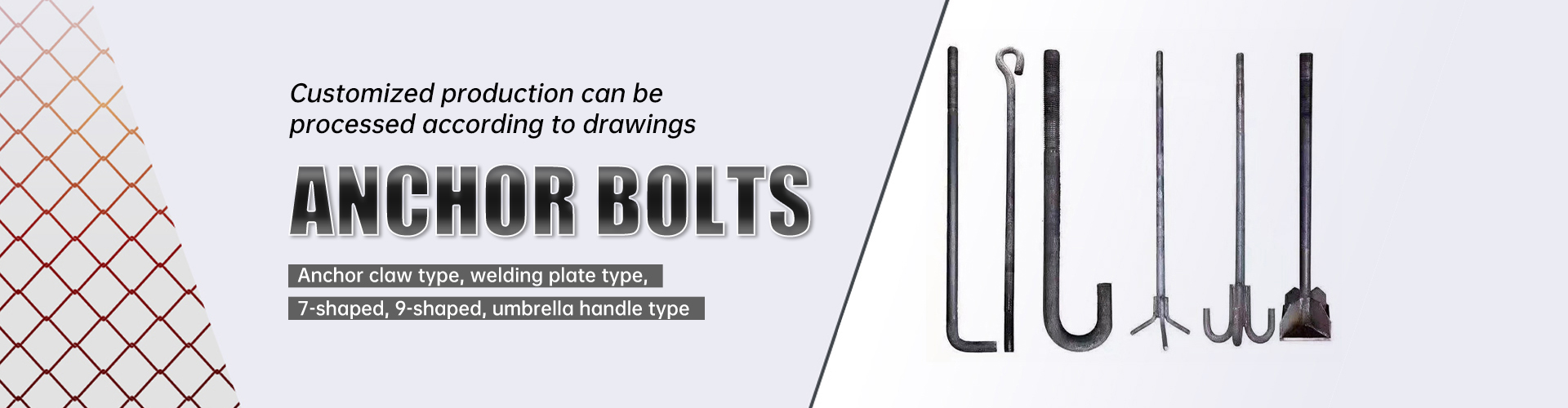
Top 7 Double-Screw Bolt Manufacturers for Industrial Fastening Systems
2026-06-11
- Understanding Double-Screw Bolts in Industrial Applications
- Critical Criteria for Selecting Double-Screw Bolt Manufacturers
- Top Manufacturing Capabilities for Industrial Fastening
- Technical Specifications and Standards Compliance
- Application Scenarios and Selection Guide
- Common Installation Errors and Maintenance Best Practices
- Frequently Asked Questions (FAQ)
- Conclusion and Strategic Procurement Advice
Selecting the right double-screw bolt manufacturers is critical for industrial fastening systems where structural integrity cannot be compromised. A double-screw bolt, often referred to as a stud bolt or double-ended stud, features threading on both ends with an unthreaded shank in the center, designed specifically for high-tension flange connections in petrochemical, power generation, and heavy machinery applications. The top manufacturers distinguish themselves through rigorous adherence to international standards like ASTM, ASME, and ISO, advanced heat treatment capabilities, and comprehensive material traceability. When evaluating suppliers for 2026, engineers must prioritize facilities that offer full certification packages, precise dimensional tolerances, and proven performance in extreme environments involving high pressure and temperature fluctuations.
Understanding Double-Screw Bolts in Industrial Applications
A double-screw bolt is not merely a standard fastener; it is a precision-engineered component essential for creating leak-proof seals in critical piping systems. Unlike hex bolts, which have a head on one end, double-screw bolts are threaded at both extremities. One end, known as the “stud end,” is typically inserted permanently into a tapped hole or secured with a heavy hex nut, while the other end accepts a nut to clamp the flange assembly. This design eliminates the rotational friction associated with turning a bolt head during tightening, allowing for more accurate torque application and uniform load distribution across the gasket.
In the context of industrial fastening systems, these components are ubiquitous in sectors demanding absolute reliability. The oil and gas industry relies heavily on them for wellhead equipment and pipeline flanges. Similarly, power plants utilize double-screw bolts for turbine casings and boiler connections where thermal cycling is frequent. The manufacturing process for these studs involves high-grade alloy steels, often subjected to quenching and tempering to achieve specific yield strengths. Manufacturers must ensure that the thread rolling process does not introduce micro-cracks that could lead to stress corrosion cracking (SCC) under operational loads.
Key Differences Between Stud Bolts and Hex Bolts
Understanding why a double-screw configuration is chosen over traditional bolting methods is vital for procurement engineers. The primary advantage lies in the installation mechanics. With a hex bolt, the friction coefficient varies between the nut and the bolt head, leading to inconsistent preload. In contrast, a double-screw bolt setup uses two nuts, ensuring that the friction conditions are identical on both sides of the joint. This symmetry is crucial for maintaining gasket compression over time.
- Load Distribution: Double-screw bolts distribute tensile loads more evenly along the axis, reducing the risk of bending moments that can occur with headed bolts.
- Space Efficiency: In tight confined spaces common in refineries, the absence of a bolt head allows for easier access and tool maneuverability.
- Replacement Ease: If threads are damaged on one side due to repeated assembly and disassembly, the stud can often be reversed or replaced without disturbing the fixed end connection.
- High-Temperature Performance: The uniform geometry allows for better thermal expansion characteristics, minimizing the risk of loosening during thermal cycles.
Critical Criteria for Selecting Double-Screw Bolt Manufacturers
Identifying the top double-screw bolt manufacturers requires a deep dive into their technical capabilities rather than just pricing structures. In 2026, the market demands suppliers who can guarantee material authenticity and process control. The failure of a single fastener in a high-pressure system can result in catastrophic downtime, safety hazards, and significant financial loss. Therefore, the selection process must focus on verified engineering competencies.
Material Certification and Traceability
The foundation of a reliable fastener is the raw material. Top-tier manufacturers provide full Mill Test Certificates (MTC) compliant with EN 10204 3.1 or 3.2 standards. This documentation traces the chemical composition and mechanical properties of the steel back to the specific melt batch. It is insufficient for a supplier to simply claim compliance with ASTM A193 or A320; they must prove it through independent laboratory testing records. Look for manufacturers who perform spectrographic analysis on every heat of steel before production begins.
Traceability extends beyond the metal itself. It includes the tracking of heat treatment batches, plating processes, and final inspection results. A robust Quality Management System (QMS) ensures that if a defect is discovered years later, the root cause can be identified immediately. Manufacturers lacking this level of documentation pose an unacceptable risk to industrial projects.
Manufacturing Precision and Thread Quality
The method used to create threads significantly impacts the fatigue life of a double-screw bolt. Superior manufacturers utilize thread rolling rather than thread cutting. Rolling compresses the grain structure of the metal, increasing fatigue strength by up to 30% compared to cut threads. Furthermore, rolled threads exhibit a smoother surface finish, which reduces the coefficient of friction during tightening, leading to more accurate preload values.
Precision is also measured by tolerance classes. Industrial applications typically require threads conforming to Class 2A or 3A fits. Manufacturers must employ advanced CNC machining centers and automated optical inspection systems to verify pitch diameter, major diameter, and thread angle. Any deviation can lead to galling, especially when using stainless steel or high-nickel alloys in corrosive environments.
Heat Treatment Capabilities
For high-strength applications, such as those requiring Grade B7 or L7 materials, heat treatment is the most critical phase of production. The manufacturer must possess in-house furnaces capable of precise temperature control and uniform heating. Improper quenching can result in soft spots or excessive brittleness. Top manufacturers monitor the entire thermal cycle digitally, ensuring that the core hardness and surface hardness meet the specified ranges without decarburization.
Post-heat treatment, stress relieving is often necessary to remove residual stresses induced during machining. This step is vital for preventing stress corrosion cracking in chloride-rich environments. When evaluating potential partners, inquire about their furnace calibration schedules and their ability to handle large-diameter studs uniformly.
Top Manufacturing Capabilities for Industrial Fastening
While specific brand rankings fluctuate based on project requirements, the leading manufacturers in the double-screw bolt sector share a set of defining capabilities. These entities do not just sell products; they provide engineered solutions tailored to complex operational challenges. Their facilities are equipped to handle everything from small instrumentation bolts to massive anchor rods used in wind turbine foundations.
Advanced Coating and Plating Technologies
Corrosion protection is a non-negotiable requirement for outdoor and offshore installations. Leading manufacturers offer a variety of surface treatments beyond standard zinc plating. Hot-dip galvanizing provides a thick, durable layer suitable for harsh atmospheric conditions. For more aggressive chemical environments, PTFE (Teflon) coatings or Xylan finishes are applied to reduce friction and prevent seizing.
It is crucial to note that coating thickness affects thread fit. High-quality manufacturers account for this by oversizing the threads before plating or by chasing threads post-plating to ensure proper nut engagement. This attention to detail prevents the common issue of nuts failing to thread onto coated studs, a frequent complaint with lower-quality suppliers.
Customization and Non-Standard Solutions
Industrial projects rarely adhere strictly to off-the-shelf dimensions. Top manufacturers excel in producing custom double-screw bolts with varying thread lengths, diameters, and material grades. Whether a project requires metric threads alongside imperial sizes, or specific undercut shanks to increase flexibility, the ability to customize is a hallmark of a premium supplier. They maintain extensive inventories of raw bar stock in various alloys, including Duplex Stainless Steel, Inconel, and Hastelloy, allowing for rapid turnaround on specialized orders.
Global Logistics and Supply Chain Resilience
In the post-2025 landscape, supply chain stability is as important as product quality. The best manufacturers have diversified sourcing strategies and multiple production facilities to mitigate risks associated with geopolitical tensions or raw material shortages. They offer Just-In-Time (JIT) delivery options and maintain strategic stockpiles of critical fastener grades to ensure project timelines are met without compromise.
Technical Specifications and Standards Compliance
Navigating the landscape of industrial standards is essential for specifying the correct double-screw bolt. Manufacturers must demonstrate fluency in a wide array of international codes. Misapplication of a standard can lead to premature failure. The following table outlines the primary standards governing double-screw bolt production and their typical applications.
| Standard Code | Material Type | Typical Application | Temperature Range |
|---|---|---|---|
| ASTM A193 Grade B7 | Alloy Steel (Chrome-Moly) | High Pressure/Temp Flanges | -100°F to +800°F |
| ASTM A193 Grade B8 | Stainless Steel (304) | Corrosive Environments | Cryogenic to +600°F |
| ASTM A320 Grade L7 | Alloy Steel (Low Temp) | LNG and Cryogenic Service | Down to -150°F |
| ISO 898-1 Class 10.9 | Carbon/Alloy Steel | General Structural/Metric | Standard Ambient |
| ASTM A453 Grade 660 | Superalloy | Turbine/Extreme Heat | Up to +1300°F |
Interpreting Mechanical Properties
When reviewing manufacturer data sheets, focus on three key mechanical properties: Tensile Strength, Yield Strength, and Elongation. Tensile strength indicates the maximum load the bolt can withstand before breaking. Yield strength is the point at which the bolt begins to deform permanently; this is the critical value for determining safe working loads. Elongation measures ductility, or the ability to stretch before fracture. Higher elongation is generally preferred in dynamic loading scenarios as it provides a warning before failure.
Manufacturers should also provide hardness readings, typically in Rockwell C (HRC) scale. For example, ASTM A193 B7 requires a hardness range of HRC 26-34. Deviations outside this range indicate improper heat treatment. A reputable manufacturer will include these specific values in their certification package for every batch shipped.
Application Scenarios and Selection Guide
Choosing the appropriate double-screw bolt depends heavily on the specific operating environment. A “one-size-fits-all” approach is dangerous in industrial engineering. The following sections detail how to match manufacturer capabilities with specific application needs.
Petrochemical and Refinery Operations
In refineries, flanges are subjected to high pressures and temperatures, often in the presence of hydrogen. Hydrogen embrittlement is a significant risk for high-strength steel bolts. Manufacturers serving this sector must produce bolts with hardness limits strictly controlled (often max HRC 22 for sour service per NACE MR0175). They must also offer coatings that resist hydrogen permeation. When sourcing for this industry, verify that the manufacturer has experience with sour service certifications and understands the nuances of sulfide stress cracking.
Power Generation and Energy Sector
Thermal power plants and nuclear facilities require fasteners that can endure thousands of thermal cycles without losing preload. Creep resistance is a key factor here. Manufacturers must utilize materials like ASTM A193 B16 (Chrome-Moly-Vanadium) for temperatures exceeding 900°F. The production process must ensure exceptional grain structure uniformity to prevent creep rupture. For nuclear applications, the level of documentation required increases exponentially, necessitating a manufacturer with a dedicated nuclear quality assurance program.
Offshore and Marine Environments
Saltwater exposure demands superior corrosion resistance. While stainless steel is an option, it is susceptible to chloride stress corrosion cracking. Top manufacturers recommend super-austenitic stainless steels or nickel alloys for critical subsea connections. Additionally, the coating system must be robust. Hot-dip galvanizing combined with a sealant is common, but for submerged parts, solid alloy construction is preferred. Manufacturers specializing in marine fasteners will offer specific advice on cathodic protection compatibility to prevent galvanic corrosion.
Common Installation Errors and Maintenance Best Practices
Even the highest quality double-screw bolt from a top manufacturer can fail if installed incorrectly. Understanding common pitfalls is part of the EEAT framework, demonstrating practical experience. Proper installation ensures the theoretical performance of the fastener translates into real-world reliability.
Torque vs. Tension: The Hidden Variable
A common mistake is relying solely on torque values to achieve preload. Torque is only an indirect indicator of tension; up to 90% of applied torque can be lost to friction. Leading manufacturers advocate for hydraulic tensioning or calibrated torque wrenches used in conjunction with lubricated threads. They often provide specific friction coefficients (K-factors) for their coated products to help engineers calculate the correct torque settings. Ignoring these factors can lead to under-tightened joints (leaks) or over-tightened bolts (yielding).
Lubrication and Galling Prevention
Stainless steel and high-nickel alloy double-screw bolts are prone to galling (cold welding) during assembly. This occurs when friction generates heat, causing the threads to seize. To prevent this, manufacturers insist on the use of anti-seize compounds containing metals like copper, nickel, or graphite. However, care must be taken to ensure the anti-seize does not contaminate the process fluid in sensitive applications like food processing or semiconductor manufacturing. Some top manufacturers offer factory-applied dry film lubricants that eliminate the need for messy现场 application while ensuring consistent friction.
Reusability and Inspection Protocols
Can double-screw bolts be reused? The answer depends on the material and the service history. Generally, high-strength alloy bolts subjected to yields near their limit should not be reused. However, for lower stress applications, reuse is permissible if a thorough inspection is conducted. Manufacturers recommend checking for thread deformation, necking (reduction in shank diameter), and surface cracks using magnetic particle inspection (MPI) or dye penetrant testing. Establishing a routine maintenance schedule that includes retorquing checks is essential for long-term system integrity.
Frequently Asked Questions (FAQ)
What is the difference between a stud bolt and a double-screw bolt?
Technically, the terms are often used interchangeably in the industry. Both refer to a rod threaded on both ends. However, “stud bolt” is the formal term used in ASME and ASTM standards for flange connections, while “double-screw bolt” is a descriptive term often used in general manufacturing. Functionally, they are identical in application.
How do I determine the correct length for a double-screw bolt?
The length is calculated by adding the thickness of the flange, the thickness of the gasket, the height of the two nuts, and the allowance for thread protrusion (usually 2-3 threads past the nut). Manufacturers often provide calculation charts or online tools to assist in determining the exact free length required for specific flange ratings (e.g., 150#, 300#, 600#).
Why choose a manufacturer with in-house testing labs?
Manufacturers with in-house labs can perform immediate verification of chemical composition and mechanical properties. This reduces lead times and ensures that any non-conforming material is caught before it leaves the facility. It demonstrates a higher level of control and commitment to quality compared to traders who rely solely on third-party mill certificates.
Are double-screw bolts suitable for dynamic loading applications?
Yes, provided they are manufactured with rolled threads and made from materials with high fatigue strength. The uniform stress distribution of the double-ended design makes them superior to headed bolts in vibrating environments. However, proper locking mechanisms, such as prevailing torque nuts or thread-locking adhesives, may be required depending on the severity of the vibration.
What certifications should I look for in a 2026 supplier?
Beyond ISO 9001, look for industry-specific certifications like API Q1 for oil and gas, ASME NPT for nuclear, or PED (Pressure Equipment Directive) compliance for the European market. These certifications indicate that the manufacturer’s quality management system has been audited against rigorous sector-specific standards.
Conclusion and Strategic Procurement Advice
Selecting the right partner for industrial double-screw bolts is a decision that impacts the safety, efficiency, and longevity of your entire fastening system. The top manufacturers in 2026 are those who combine metallurgical expertise with advanced manufacturing technologies and unwavering commitment to quality assurance. They do not just supply a commodity; they deliver a critical engineering component backed by data, traceability, and technical support.
For procurement managers and engineers, the path forward involves moving beyond price-based comparisons. Prioritize suppliers who offer transparent certification, demonstrate deep knowledge of application-specific challenges, and possess the capacity for customization. Whether your project involves high-temperature refinery units, cryogenic LNG terminals, or offshore wind farms, the integrity of your connection points relies on the quality of these unseen heroes.
To ensure your next project meets the highest standards of reliability and performance, it is essential to engage with a manufacturer who understands the nuances of your specific industry requirements. Do not compromise on the components that hold your infrastructure together.
Ready to secure your industrial fastening supply chain? Contact our technical team today to discuss your specific double-screw bolt requirements, request detailed material specifications, or obtain a customized quote for your upcoming project. Let us help you engineer a safer, more reliable future.
Explore Our Full Range of Industrial Fastening Solutions & Technical Resources
Mesedez, utzi mezu bat
-

-
-
Urriatu



Privacy Policy
Our Commitment to Privacy
Introduction.
Rainbow Inc. recognizes the importance of protecting the privacy of all personal information provided by its customers, including users of www.rainbow-inkjet.com and other Rainbow Inc. affiliated websites (collectively "Rainbow Inc. Sites"). We created the following policy guidelines with a fundamental respect for our customers´ right to privacy and because we value our relationships with our customers. Your visit to the Rainbow Inc. Sites is subject to this Privacy Statement and our Online Terms and Conditions.
Description.
This Privacy Statement describes the types of information we collect and how we may use that information. Our Privacy Statement also describes the measures we take to protect the security of this information as well as how you may reach us to update your contact information.
Data Collection
Personal Data Collected Directly From Visitors.
Rainbow Inc. collects personal information when: you submit questions or comments to us; you request information or materials; you request warranty or post-warranty service and support; you participate in surveys; and by other means that may be specifically provided for on the Rainbow Inc. Sites or in our correspondence with you.
Type of Personal Data.
The type of information collected directly from the user may include your name, your company's name, physical contact information, address, billing and delivery information, e-mail address, the products you use, demographic information such as your age, preferences, and interests and information relating to the sale or installation of your product.
Non-Personal Data Collected Automatically.
We may collect information about your interaction with Rainbow Inc. Sites and services. For example, we may use website analytics tools on our site to retrieve information from your browser, including the site you came from, the search engine(s) and the keywords you used to find our site, and the pages you view within our site. Additionally, we collect certain standard information that your browser sends to every website you visit, such as your IP address, browser type, capabilities and language, your operating system, access times and referring Web site addresses.
Storage and Processing.
Personal data collected on our websites may be stored and processed in the United States in which Rainbow Inc. or its affiliates, joint ventures, or third party servicers maintain facilities.
How We Use the Data
Services and transactions.
We use your personal data to deliver services or execute transactions you request, such as providing information about Rainbow Inc. products and services, processing orders, answering customer service requests, facilitating use of our Web sites, enabling online shopping, and so forth. In order to offer you a more consistent experience in interacting with Rainbow Inc., information collected by our websites may be combined with information we collect by other means.
Product Development.
We use the personal and non-personal data for product development, including for such processes as idea generation, product design and improvements, detail engineering, market research and marketing analysis.
Website Improvement.
We may use the personal and non-personal data to improve our websites (including our security measures) and related products or services, or to make our websites easier to use by eliminating the need for you to repeatedly enter the same information or by customizing our websites to your particular preference or interests.
Marketing Communications.
We may use your personal data to inform you of products or services available from Rainbow Inc. When collecting information that might be used to contact you about our products and services, we often give you the opportunity to opt-out from receiving such communications. Moreover, in our email communications with you we may include an unsubscribe link allowing you to stop delivery of that type of communication. If you elect to unsubscribe, we will remove you from the relevant list within 15 business days.
Commitment to Data Security
Security.
Rainbow Inc. Corporation uses reasonable precautions to keep the personal information disclosed to us secure. To prevent unauthorized access, maintain data accuracy, and ensure the correct use of information, we have put in place appropriate physical, electronic, and managerial procedures to safeguard and secure your personal information. For example, we store sensitive personal data on computer systems with limited access that are located in facilities to which access is limited. When you move around a site to which you have logged in, or from one site to another that uses the same login mechanism, we verify your identity by means of an encrypted cookie placed on your machine. Nonetheless, Rainbow Inc. Corporation does not guarantee the security, accuracy or completeness of any such information or procedures.
Internet.
The transmission of information via the internet is not completely secure. Although we do our best to protect your personal information, we cannot guarantee the security of your personal information transmitted to our Website. Any transmission of personal information is at your own risk. We are not responsible for circumvention of any privacy settings or security measures contained on the Rainbow Inc. Sites.
Jar zaitez gurekin harremanetan
If you have questions regarding this privacy statement, our handling of your personal data, or your privacy rights under applicable law, please contact us by mail at the address below.
Rainbow Inc.
Attn: Katherine Tan
Add: No.1658 Husong Road, Shanghai, China.
Statement Updates
Revisions.
Rainbow Inc. reserves the right to modify this privacy statement from time to time. If we decide to change our Privacy Statement, we will post the revised Statement here.
Date.
This Privacy Statement was last amended on September 7, 2022.