
- English
- Chinese
- French
- German
- Portuguese
- Spanish
- Russian
- Japanese
- Korean
- Arabic
- Irish
- Greek
- Turkish
- Italian
- Danish
- Romanian
- Indonesian
- Czech
- Afrikaans
- Swedish
- Polish
- Catalan
- Esperanto
- Hindi
- Lao
- Albanian
- Amharic
- Armenian
- Azerbaijani
- Belarusian
- Bengali
- Bosnian
- Bulgarian
- Cebuano
- Chichewa
- Corsican
- Croatian
- Dutch
- Estonian
- Filipino
- Finnish
- Frisian
- Galician
- Georgian
- Gujarati
- Haitian
- Hausa
- Hawaiian
- Hebrew
- Hmong
- Hungarian
- Icelandic
- Igbo
- Javanese
- Kannada
- Kazakh
- Khmer
- Kurdish
- Kyrgyz
- Latin
- Latvian
- Lithuanian
- Luxembou..
- Macedonian
- Malagasy
- Malay
- Malayalam
- Maltese
- Maori
- Marathi
- Mongolian
- Burmese
- Nepali
- Norwegian
- Pashto
- Persian
- Punjabi
- Serbian
- Sesotho
- Sinhala
- Slovak
- Slovenian
- Somali
- Samoan
- Scots Gaelic
- Shona
- Sindhi
- Sundanese
- Swahili
- Tajik
- Tamil
- Telugu
- Thai
- Ukrainian
- Urdu
- Uzbek
- Vietnamese
- Welsh
- Xhosa
- Yiddish
- Yoruba
- Zulu
- Kinyarwanda
- Tatar
- Oriya
- Turkmen
- Uyghur

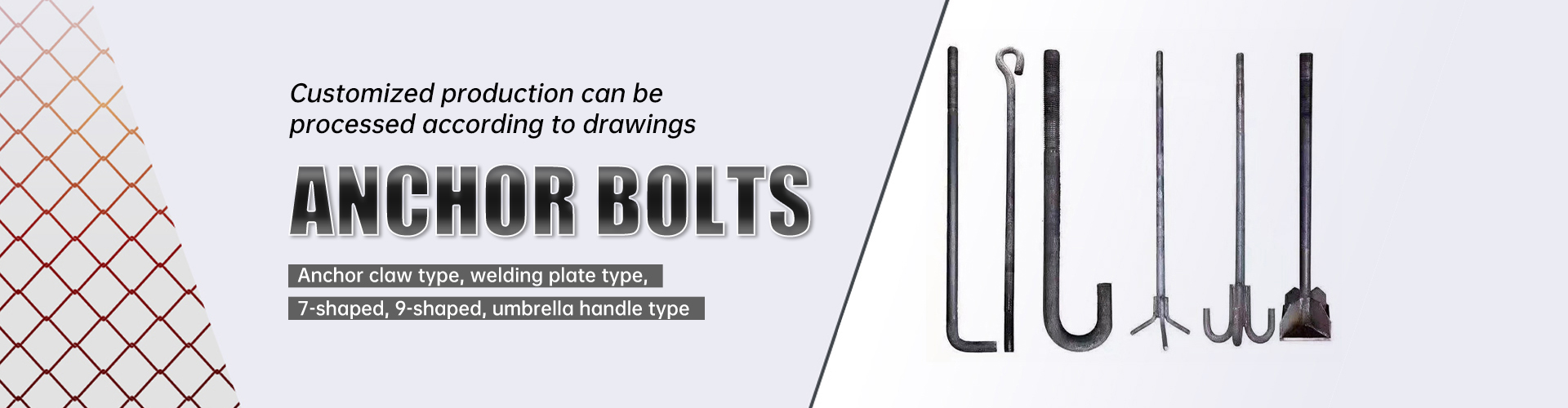
Top Turnlock Bolts Manufacturer: Best Factory Price 2026
2026-05-20
- What Are Turnlock Bolts and How Do They Function?
- Core Advantages of Sourcing Directly from Handan Zitai
- Comparative Analysis: Turnlock Bolts vs. Traditional Fasteners
- Step-by-Step Guide to Selecting the Right Turnlock System
- Future Trends in Fastening Technology for 2026
- Frequently Asked Questions (FAQ)
- Conclusion and Strategic Recommendations
Turnlock bolts are specialized fasteners engineered for rapid engagement and secure locking without the need for tools, making them essential for industries requiring frequent access panels. As a leading manufacturer, Handan Zitai Fastener Manufacturing Co., Ltd. delivers premium turnlock bolts at the best factory prices projected for 2026. Leveraging our advanced production equipment and rich industry experience, we combine aerospace-grade durability with cost-effective mass production capabilities to support global supply chains.
What Are Turnlock Bolts and How Do They Function?
Turnlock bolts represent a critical category of quick-release fastening systems designed to replace traditional nuts and bolts in applications where speed and reliability are paramount. Unlike standard threaded fasteners that require multiple rotations to tighten, these mechanisms utilize a cam-and-groove interface to lock securely with a fraction of a turn.
The core mechanism involves a stud with a specific head geometry and a receptacle containing spring-loaded cams. When the stud is inserted and rotated, typically less than 90 degrees, the cams engage into the grooves of the stud head. This action creates a strong axial clamp load, securing the two components together firmly.
Key operational characteristics include:
- Rapid Actuation: Locking and unlocking occur in seconds, significantly reducing maintenance downtime.
- Vibration Resistance: The mechanical lock prevents loosening under high-frequency vibration, a common failure mode for standard threads.
- Tool-Free Operation: Most designs allow for manual operation, though specialized drivers exist for high-torque requirements.
- Visual Indication: Many models feature alignment marks to confirm proper locking status instantly.
Industry professionals recognize these fasteners as the standard for access panels in aviation, heavy machinery, and electronic enclosures. The design eliminates the risk of lost hardware, as the receptacle remains fixed to the structure while the stud can be captive or removable depending on the specific configuration required.
Core Advantages of Sourcing Directly from Handan Zitai
Procuring turnlock bolts directly from a dedicated manufacturing facility like Handan Zitai Fastener Manufacturing Co., Ltd. offers distinct strategic advantages over purchasing through general distributors. In the current market landscape, supply chain efficiency and cost control are decisive factors for project viability.
By eliminating intermediary markups, buyers gain access to true factory pricing. This is particularly relevant for large-scale projects or OEM integrations where volume dictates margin. Direct engagement also facilitates custom engineering solutions that off-the-shelf distributors cannot support. Our company’s strict quality management ensures that every product not only meets but exceeds industry standards, enhancing our grade and image in the global market.
Primary benefits of direct manufacturing partnerships include:
- Cost Efficiency: Removal of distributor margins results in competitive pricing structures aligned with 2026 market projections.
- Customization Capabilities: Ability to modify materials, plating, and dimensions to suit unique environmental constraints.
- Quality Control Oversight: Direct visibility into production processes ensures adherence to strict tolerance standards, a hallmark of Handan Zitai’s operations.
- Lead Time Optimization: Streamlined communication reduces delays associated with third-party logistics.
Furthermore, working directly with the source allows for better inventory management strategies. Manufacturers can offer consignment stock or just-in-time delivery schedules, reducing the capital tied up in unused inventory for the buyer. This level of service is crucial for maintaining lean operations in modern manufacturing environments.
Material Selection and Environmental Durability
The longevity of a turnlock bolt system is intrinsically linked to the materials chosen during fabrication. Different operating environments demand specific material properties to prevent corrosion, fatigue, or thermal failure.
Stainless steel remains the industry standard for applications exposed to moisture or chemical agents. Its inherent resistance to oxidation ensures reliable performance in marine and food processing sectors. For extreme weight-sensitive applications, such as aerospace, titanium or high-strength aluminum alloys are preferred.
Common material configurations include:
- 304/316 Stainless Steel: Ideal for general industrial and marine environments due to superior corrosion resistance.
- Alloy Steel with Plating: Offers high tensile strength with zinc or cadmium plating for moderate environmental protection.
- Brass: Utilized in electrical applications where non-magnetic properties and conductivity are required.
- Thermoplastics: Used in lightweight, non-conductive, and highly corrosive chemical environments where metal is unsuitable.
Selecting the appropriate material is not merely a cost decision but a safety imperative. Industry experts recommend conducting a thorough environmental analysis before specifying the alloy. Factors such as temperature extremes, exposure to salts, and potential galvanic corrosion with mating surfaces must be evaluated to ensure long-term system integrity.
Comparative Analysis: Turnlock Bolts vs. Traditional Fasteners
Understanding the operational differences between turnlock systems and conventional threaded fasteners is essential for engineers designing accessible assemblies. While both serve the purpose of joining components, their performance profiles diverge significantly in dynamic applications.
Traditional nuts and bolts rely on friction and thread engagement to maintain clamp load. Over time, vibration can cause these fasteners to loosen, necessitating regular retightening or the use of secondary locking devices like lock washers or thread-locking fluids. Turnlock bolts, conversely, utilize a positive mechanical stop that is immune to vibrational loosening.
| Feature | Turnlock Bolts | Traditional Nuts & Bolts |
|---|---|---|
| Installation Speed | Seconds (fraction of a turn) | Minutes (multiple rotations) |
| Vibration Resistance | High (mechanical lock) | Moderate (requires additives) |
| Tool Requirement | Often hand-operable | Wrenches/Drivers always needed |
| Risk of Lost Parts | Low (captive options available) | High (nuts can be dropped) |
| Maintenance Frequency | Low | High (periodic checking) |
| Initial Cost | Higher per unit | Lower per unit |
| Lifecycle Cost | Lower (reduced labor) | Higher (increased labor) |
The table above illustrates that while the initial unit cost of a turnlock bolt may exceed that of a standard hex bolt, the total cost of ownership is often lower. This is primarily driven by the drastic reduction in labor hours required for installation and maintenance. In high-volume production or facilities with hundreds of access points, these savings compound rapidly.
Moreover, the ergonomic benefits cannot be overstated. Technicians working in confined spaces or wearing protective gear benefit immensely from the ability to secure panels without manipulating small nuts or wielding bulky tools. This enhances overall workplace safety and operational efficiency.
Application Scenarios Across Industries
The versatility of turnlock bolts has led to their widespread adoption across diverse sectors. Each industry leverages specific features of the technology to solve unique engineering challenges related to access, security, and environmental resilience.
In the aerospace sector, weight reduction and reliability are non-negotiable. Turnlock fasteners secure cowling panels, inspection hatches, and interior components. Their ability to withstand extreme G-forces and temperature fluctuations while allowing rapid ground crew access makes them indispensable.
-A transportation and automotive industries utilize these fasteners for battery enclosures in electric vehicles, engine covers, and cargo securement systems. The vibration resistance ensures that critical components remain secured even on rough terrain, preventing catastrophic failures.
Electronics and telecommunications rely on turnlock bolts for server rack doors, shielding enclosures, and outdoor antenna housings. The precise alignment they provide ensures electromagnetic interference (EMI) gaskets are compressed correctly, maintaining signal integrity and environmental sealing.
- Marine Applications: Securing deck hatches and engine room panels against saltwater corrosion and wave impact.
- Medical Devices: Facilitating quick sterilization access and panel removal for servicing sensitive diagnostic equipment.
- Energy Sector: Protecting solar inverters and wind turbine control boxes from weather elements while enabling easy technician entry.
- Military & Defense: Ensuring secure closure of ammunition boxes and vehicle armor plates under combat conditions.
These applications highlight the adaptability of the turnlock concept. Whether the requirement is for a miniature fastener in a handheld device or a heavy-duty latch for industrial machinery, the underlying principle of quick, secure locking remains consistent and effective.
Step-by-Step Guide to Selecting the Right Turnlock System
Choosing the correct turnlock bolt configuration requires a systematic approach to ensure compatibility with the application’s mechanical and environmental demands. Following a structured selection process minimizes the risk of premature failure or operational inefficiency.
The first step involves defining the load requirements. Engineers must calculate the shear and tensile loads the fastener will encounter during operation. This determines the necessary diameter and material strength. Under-specifying can lead to structural failure, while over-specifying adds unnecessary weight and cost.
Next, evaluate the panel thickness and stack-up. Turnlock studs are available in various grip lengths to accommodate different material thicknesses. It is crucial to select a length that allows full engagement of the locking mechanism without bottoming out or leaving excessive protrusion.
Selection Procedure:
- Step 1: Determine the environmental conditions (temperature, corrosion risks, UV exposure).
- Step 2: Calculate the required clamp load and select the appropriate material grade.
- Step 3: Measure the total panel thickness to specify the correct stud grip length.
- Step 4: Decide between captive, semi-captive, or loose stud configurations based on loss prevention needs.
- Step 5: Choose the receptacle style (flush, protruding, or welded) to match the aesthetic and functional requirements.
- Step 6: Verify compatibility with existing tooling or determine if new installation tools are required.
Finally, consider the installation method. Some receptacles are designed for blind installation, while others require access to both sides of the panel. Welded, riveted, and bonded options offer different levels of permanence and strength. Consulting with technical experts during this phase can reveal optimization opportunities that standard catalogs may not show.
Installation Best Practices for Maximum Performance
Even the highest quality turnlock bolt will underperform if installed incorrectly. Adhering to established installation protocols ensures the fastener achieves its rated holding power and operational lifespan. Proper preparation of the mounting surface is the foundation of a successful installation.
Hole alignment is critical. Misaligned holes can cause binding, preventing the stud from rotating fully into the locked position. This partial engagement creates a false sense of security and can lead to accidental opening. Using precision jigs or CNC machining for hole placement is recommended for high-volume assemblies.
Key installation guidelines include:
- Clean Surfaces: Remove all debris, oil, and burrs from the mounting area to ensure a flush fit.
- Correct Torque: If using threaded receptacles, apply the specified torque to avoid stripping threads or distorting the panel.
- Alignment Checks: Verify that the stud and receptacle align perfectly before attempting to lock.
- Functional Testing: Perform multiple lock-unlock cycles after installation to confirm smooth operation.
For welded receptacles, controlling heat input is vital to prevent warping the surrounding material or compromising the heat treatment of the fastener itself. Skilled welders should follow manufacturer-specific parameters to maintain the integrity of the component. Regular inspection of installed units should be part of the routine maintenance schedule to detect wear or damage early.
Future Trends in Fastening Technology for 2026
As we approach 2026, the fastening industry is evolving to meet the demands of smarter, lighter, and more sustainable manufacturing processes. Turnlock bolt technology is at the forefront of this transformation, integrating new materials and digital capabilities.
One significant trend is the development of smart fasteners. Embedded sensors within turnlock mechanisms can monitor clamp load in real-time, alerting maintenance teams if a panel becomes loose due to vibration or thermal cycling. This predictive maintenance capability reduces unplanned downtime and enhances safety.
Sustainability is also driving innovation. Manufacturers are increasingly utilizing recycled high-performance alloys and developing plating processes that eliminate hazardous chemicals like hexavalent chromium. These eco-friendly alternatives meet stringent global regulations without sacrificing performance.
Emerging developments include:
- Advanced Composites: Integration of carbon-fiber reinforced polymers for ultra-lightweight applications.
- Self-Lubricating Coatings: Reducing friction and wear over extended lifecycle periods without external maintenance.
- Modular Designs: Systems that allow for easy upgrading of locking mechanisms without replacing the entire assembly.
- Additive Manufacturing: 3D printing of custom receptacles for complex geometries previously impossible to machine.
The shift towards automation in assembly lines also influences fastener design. Turnlock bolts compatible with robotic installation tools are becoming standard, enabling faster production rates and consistent quality. As industries continue to automate, the synergy between fastener design and robotic end-effectors will become a key differentiator for manufacturers.
Frequently Asked Questions (FAQ)
What is the primary advantage of using turnlock bolts over standard screws?
The main advantage is speed and vibration resistance. Turnlock bolts can be secured in seconds without tools and feature a mechanical lock that prevents loosening under vibration, unlike standard screws which rely on friction.
Can turnlock bolts be used in high-temperature environments?
Yes, provided the correct material is selected. Stainless steel and certain nickel-based alloys used in turnlock systems can withstand extreme temperatures, making them suitable for engine compartments and industrial ovens.
Are there different types of turnlock mechanisms available?
Absolutely. Variations include quarter-turn, half-turn, and multi-turn designs. Additionally, options range from captive studs that cannot be removed to loose studs, and receptacles can be welded, riveted, or bonded.
How do I determine the correct grip length for my application?
Measure the total thickness of the materials being joined. The grip length should match this stack-up closely to ensure the locking mechanism engages fully without gaps or excessive compression.
Is it possible to retrofit existing panels with turnlock bolts?
Yes, many turnlock systems are designed for retrofitting. However, this may require drilling new holes or installing weld nuts. Consulting with a manufacturer is recommended to ensure structural integrity is maintained during modification.
Do turnlock bolts require special maintenance?
Generally, they require minimal maintenance. Periodic cleaning to remove debris and visual inspection for wear or corrosion are usually sufficient. In harsh environments, occasional lubrication of the moving parts may be beneficial.
Conclusion and Strategic Recommendations
Turnlock bolts represent a sophisticated solution for modern fastening challenges, offering an unparalleled balance of speed, security, and durability. As industries move towards more efficient and automated processes in 2026, the adoption of these advanced fasteners will continue to accelerate.
This technology is ideally suited for OEMs, maintenance engineers, and procurement specialists who prioritize lifecycle cost savings over initial unit price. Organizations managing large fleets of vehicles, extensive electronic infrastructure, or complex machinery will find the greatest value in transitioning to turnlock systems.
To maximize the benefits, buyers should seek partnerships with established manufacturers capable of providing technical consultation alongside competitive factory pricing. Handan Zitai Fastener Manufacturing Co., Ltd. stands ready to support these needs with our extensive experience in producing power bolts, hoops, photovoltaic accessories, and steel structure embedded parts. Our commitment to strict quality management has earned unanimous praise from customers worldwide, ensuring that your projects are built on a foundation of reliability.
Next Steps: Review your current fastening inventory to identify high-maintenance areas suitable for conversion. Contact Handan Zitai to discuss custom specifications and request samples for testing. Investing in the right fastening strategy today ensures operational excellence and cost efficiency for the future.

Mesedez, utzi mezu bat
-

-
-
Urriatu



Privacy Policy
Our Commitment to Privacy
Introduction.
Rainbow Inc. recognizes the importance of protecting the privacy of all personal information provided by its customers, including users of www.rainbow-inkjet.com and other Rainbow Inc. affiliated websites (collectively "Rainbow Inc. Sites"). We created the following policy guidelines with a fundamental respect for our customers´ right to privacy and because we value our relationships with our customers. Your visit to the Rainbow Inc. Sites is subject to this Privacy Statement and our Online Terms and Conditions.
Description.
This Privacy Statement describes the types of information we collect and how we may use that information. Our Privacy Statement also describes the measures we take to protect the security of this information as well as how you may reach us to update your contact information.
Data Collection
Personal Data Collected Directly From Visitors.
Rainbow Inc. collects personal information when: you submit questions or comments to us; you request information or materials; you request warranty or post-warranty service and support; you participate in surveys; and by other means that may be specifically provided for on the Rainbow Inc. Sites or in our correspondence with you.
Type of Personal Data.
The type of information collected directly from the user may include your name, your company's name, physical contact information, address, billing and delivery information, e-mail address, the products you use, demographic information such as your age, preferences, and interests and information relating to the sale or installation of your product.
Non-Personal Data Collected Automatically.
We may collect information about your interaction with Rainbow Inc. Sites and services. For example, we may use website analytics tools on our site to retrieve information from your browser, including the site you came from, the search engine(s) and the keywords you used to find our site, and the pages you view within our site. Additionally, we collect certain standard information that your browser sends to every website you visit, such as your IP address, browser type, capabilities and language, your operating system, access times and referring Web site addresses.
Storage and Processing.
Personal data collected on our websites may be stored and processed in the United States in which Rainbow Inc. or its affiliates, joint ventures, or third party servicers maintain facilities.
How We Use the Data
Services and transactions.
We use your personal data to deliver services or execute transactions you request, such as providing information about Rainbow Inc. products and services, processing orders, answering customer service requests, facilitating use of our Web sites, enabling online shopping, and so forth. In order to offer you a more consistent experience in interacting with Rainbow Inc., information collected by our websites may be combined with information we collect by other means.
Product Development.
We use the personal and non-personal data for product development, including for such processes as idea generation, product design and improvements, detail engineering, market research and marketing analysis.
Website Improvement.
We may use the personal and non-personal data to improve our websites (including our security measures) and related products or services, or to make our websites easier to use by eliminating the need for you to repeatedly enter the same information or by customizing our websites to your particular preference or interests.
Marketing Communications.
We may use your personal data to inform you of products or services available from Rainbow Inc. When collecting information that might be used to contact you about our products and services, we often give you the opportunity to opt-out from receiving such communications. Moreover, in our email communications with you we may include an unsubscribe link allowing you to stop delivery of that type of communication. If you elect to unsubscribe, we will remove you from the relevant list within 15 business days.
Commitment to Data Security
Security.
Rainbow Inc. Corporation uses reasonable precautions to keep the personal information disclosed to us secure. To prevent unauthorized access, maintain data accuracy, and ensure the correct use of information, we have put in place appropriate physical, electronic, and managerial procedures to safeguard and secure your personal information. For example, we store sensitive personal data on computer systems with limited access that are located in facilities to which access is limited. When you move around a site to which you have logged in, or from one site to another that uses the same login mechanism, we verify your identity by means of an encrypted cookie placed on your machine. Nonetheless, Rainbow Inc. Corporation does not guarantee the security, accuracy or completeness of any such information or procedures.
Internet.
The transmission of information via the internet is not completely secure. Although we do our best to protect your personal information, we cannot guarantee the security of your personal information transmitted to our Website. Any transmission of personal information is at your own risk. We are not responsible for circumvention of any privacy settings or security measures contained on the Rainbow Inc. Sites.
Jar zaitez gurekin harremanetan
If you have questions regarding this privacy statement, our handling of your personal data, or your privacy rights under applicable law, please contact us by mail at the address below.
Rainbow Inc.
Attn: Katherine Tan
Add: No.1658 Husong Road, Shanghai, China.
Statement Updates
Revisions.
Rainbow Inc. reserves the right to modify this privacy statement from time to time. If we decide to change our Privacy Statement, we will post the revised Statement here.
Date.
This Privacy Statement was last amended on September 7, 2022.