
- English
- Chinese
- French
- German
- Portuguese
- Spanish
- Russian
- Japanese
- Korean
- Arabic
- Irish
- Greek
- Turkish
- Italian
- Danish
- Romanian
- Indonesian
- Czech
- Afrikaans
- Swedish
- Polish
- Catalan
- Esperanto
- Hindi
- Lao
- Albanian
- Amharic
- Armenian
- Azerbaijani
- Belarusian
- Bengali
- Bosnian
- Bulgarian
- Cebuano
- Chichewa
- Corsican
- Croatian
- Dutch
- Estonian
- Filipino
- Finnish
- Frisian
- Galician
- Georgian
- Gujarati
- Haitian
- Hausa
- Hawaiian
- Hebrew
- Hmong
- Hungarian
- Icelandic
- Igbo
- Javanese
- Kannada
- Kazakh
- Khmer
- Kurdish
- Kyrgyz
- Latin
- Latvian
- Lithuanian
- Luxembou..
- Macedonian
- Malagasy
- Malay
- Malayalam
- Maltese
- Maori
- Marathi
- Mongolian
- Burmese
- Nepali
- Norwegian
- Pashto
- Persian
- Punjabi
- Serbian
- Sesotho
- Sinhala
- Slovak
- Slovenian
- Somali
- Samoan
- Scots Gaelic
- Shona
- Sindhi
- Sundanese
- Swahili
- Tajik
- Tamil
- Telugu
- Thai
- Ukrainian
- Urdu
- Uzbek
- Vietnamese
- Welsh
- Xhosa
- Yiddish
- Yoruba
- Zulu
- Kinyarwanda
- Tatar
- Oriya
- Turkmen
- Uyghur


Wholesale Welded Bolt Factory: 3 Main Types for Structural Engineering
2026-06-19
- The Critical Role of Welded Bolts in Modern Structural Engineering
- Type 1: Headed Stud Shear Connectors (The Industry Standard)
- Type 2: Threaded Anchor Bolts (L-Shaped and J-Shaped)
- Type 3: Specialty Welded Assemblies and Custom Fabrications
- Manufacturing Excellence: The Welding Process Explained
- Comparative Analysis: Selecting the Right Bolt Type
- Common Challenges and Solutions in Welded Bolt Applications
- FAQ: Frequently Asked Questions About Wholesale Welded Bolts
- Strategic Sourcing: How to Choose the Right Manufacturer
- Conclusion: Building Trust Through Quality and Expertise
Our wholesale welded bolt factory specializes in manufacturing three primary types of structural fasteners: headed studs, shear connectors, and threaded anchor bolts. Engineered for high-load applications in steel construction, bridge building, and heavy industrial frameworks, these components ensure critical load transfer between steel beams and concrete foundations. We provide bulk production compliant with ASTM, ISO, and DIN standards, delivering certified solutions that guarantee structural integrity, seismic resistance, and long-term durability for large-scale engineering projects.
The Critical Role of Welded Bolts in Modern Structural Engineering
Structural engineering relies on the seamless integration of steel and concrete to create resilient infrastructure. At the heart of this composite action lies the welded bolt, a specialized fastener designed to be permanently fused to a steel substrate. Unlike mechanical fasteners that rely on friction or clamping force alone, welded bolts become an intrinsic part of the structural member.
In the context of a wholesale welded bolt factory, the focus is not merely on volume but on metallurgical consistency. The fusion zone between the bolt shank and the base plate must withstand extreme shear forces and tensile loads without failure. This is particularly vital in skyscrapers, where wind loads create dynamic stress, and in bridges, where traffic vibrations are constant.
Engineers specify these components based on rigorous calculations involving yield strength, elongation, and chemical composition. A failure in the welding process can compromise the entire structural system. Therefore, sourcing from a facility with advanced automated welding capabilities and strict quality assurance protocols is non-negotiable for project safety.
The evolution of construction techniques has shifted demand towards pre-fabricated elements. Wholesale suppliers now play a pivotal role in the supply chain, providing just-in-time delivery of customized bolt configurations that match specific beam profiles and concrete slab requirements.
Why Composite Construction Demands Specialized Fasteners
Composite construction combines the compressive strength of concrete with the tensile strength of steel. The interface between these two materials requires a mechanical lock to prevent slippage. Welded bolts serve as this lock, transferring shear forces efficiently.
- Load Distribution: They distribute point loads across a wider area of the concrete slab.
- Vibration Damping: Properly installed studs reduce resonance in floor systems.
- Fire Resistance: The embedment in concrete provides inherent fire protection to the steel connection points.
- Construction Speed: Automated stud welding significantly accelerates the erection phase compared to drilling and bolting.
For wholesale buyers, understanding these mechanics is essential. It influences the choice between different head styles, shank lengths, and material grades. The decision impacts not only the initial cost but also the lifecycle maintenance and safety margins of the structure.
Type 1: Headed Stud Shear Connectors (The Industry Standard)
The most ubiquitous product emerging from a wholesale welded bolt factory is the headed stud shear connector. Often referred to simply as “welding studs,” these components feature a cylindrical shank with a forged head at one end and a clean, flux-free tip at the other.
These studs are the backbone of composite floor systems in commercial buildings. Their primary function is to act as a shear key, preventing the steel deck from sliding relative to the concrete topping. The headed design ensures that once embedded, the stud cannot be pulled out under tension, while the shank resists shear deformation.
Technical Specifications and Material Grades
Headed studs are typically manufactured from low-carbon cold-heading steel wire. The most common grade globally is SWRCH15A or equivalent ML15AL, which offers excellent weldability and ductility. For high-stress applications, alloys like ML20MnTiB are utilized to achieve higher tensile strengths.
Key dimensional parameters include:
- Diameter: Ranging from 10mm to 25mm, with 19mm (3/4 inch) being the global standard for heavy construction.
- Length: Customizable from 40mm to over 300mm, depending on the concrete slab depth and required embedment.
- Head Diameter: Typically 1.5 times the shank diameter to ensure adequate bearing surface.
- Tolerance: Strict adherence to ISO 13918 or AWS D1.1 standards regarding straightness and head concentricity.
In a wholesale setting, consistency in carbon content is crucial. Variations can lead to cracking during the upset welding process or brittle failure under load. Our factory employs spectrographic analysis on every heat of steel to verify chemical composition before drawing the wire.
Application Scenarios for Headed Studs
The versatility of headed studs makes them suitable for diverse structural environments. In high-rise office towers, they are welded through profiled steel decking directly onto the supporting beams. This method allows for rapid floor construction without the need for pre-drilling.
In bridge engineering, larger diameter studs are used to connect steel girders to concrete road decks. Here, the fatigue resistance of the weld is paramount due to the cyclic loading from vehicular traffic. The studs must endure millions of load cycles without developing micro-cracks.
Industrial facilities, such as power plants and manufacturing hubs, also utilize these connectors for heavy machinery foundations. The ability to anchor equipment securely to steel frames prevents misalignment caused by operational vibrations.
Type 2: Threaded Anchor Bolts (L-Shaped and J-Shaped)
While headed studs dominate floor systems, threaded anchor bolts are the preferred solution for column bases and heavy equipment anchoring. Produced in our wholesale welded bolt factory, these fasteners feature a threaded end for nut attachment and a bent or welded anchor end for embedment.
The distinguishing feature of this type is the dual functionality: one end interfaces with the superstructure via nuts and washers, while the other end anchors into the concrete foundation. The “welded” aspect often refers to the attachment of a base plate or the fabrication of complex anchor cages where multiple bolts are welded to a common ring or plate for precise positioning.
Design Variations: L-Bolts vs. J-Bolts vs. Headed Anchors
Selection depends on the pull-out resistance required and the installation method. L-shaped bolts offer good resistance to pull-out forces due to the mechanical interlock of the bend. J-bolts provide similar benefits but are often easier to install in dense rebar cages.
However, modern engineering increasingly favors headed anchor bolts where a forged head is welded or formed at the embedment end. This design provides superior pull-out strength compared to bent bars, as the head distributes the load more evenly against the concrete.
| Feature | L-Shaped Bolt | J-Shaped Bolt | Headed Anchor (Welded/Formed) |
|---|---|---|---|
| Pull-Out Resistance | Moderate | Moderate to High | Very High |
| Installation Ease | High (Simple bend) | High | Moderate (Requires precise placement) |
| Concrete Stress | Concentrated at bend | Distributed along curve | Evenly distributed under head |
| Best Use Case | Light columns, signage | General foundation anchoring | Heavy machinery, seismic zones |
For wholesale procurement, the choice often hinges on the specific structural drawings. Our factory supports custom bending radii and thread lengths to match engineer specifications exactly, ensuring that the nuts can be tightened without the bolt rotating in the concrete.
Corrosion Protection and Coating Requirements
Anchor bolts are frequently exposed to harsh environments, especially in coastal regions or chemical plants. Galvanization is a standard requirement for these components. Hot-dip galvanizing provides a thick zinc layer that protects both the threads and the embedded section.
It is critical to note that the welding process must be compatible with subsequent coating procedures. In some cases, bolts are galvanized after threading and bending. Our production line includes dedicated curing ovens and passivation treatments to ensure the coating adheres properly without flaking during installation.
For extreme environments, epoxy coatings or stainless steel grades (such as 304 or 316) are available. These options increase the unit cost but significantly extend the service life of the structure, reducing long-term maintenance expenses for the client.
Type 3: Specialty Welded Assemblies and Custom Fabrications
Beyond standard off-the-shelf items, a capable wholesale welded bolt factory must excel in producing specialty assemblies. These are complex units where bolts are pre-welded to plates, angles, or channels to form ready-to-install modules.
This category addresses the growing trend of modular construction. By shifting the welding and assembly work from the construction site to the controlled factory environment, contractors can reduce on-site labor costs, minimize weather-related delays, and improve overall quality control.
Embedded Parts and Insert Plates
Embedded parts consist of steel plates with welded studs or threaded rods arranged in a specific pattern. These are cast directly into concrete walls or floors to provide future connection points for facades, curtain walls, or internal partitions.
Precision is the defining factor here. If the bolt pattern is off by even a few millimeters, the subsequent installation of heavy facade panels can become impossible, leading to costly rework. Our facility utilizes CNC jigs and robotic welding arms to maintain tolerances within ±1mm for hole patterns and stud positions.
- Curtain Wall Inserts: Designed to support glass and metal cladding systems on high-rises.
- Railway Track Fastenings: Specialized assemblies for securing rails to concrete sleepers or tunnel floors.
- Pipe Supports: Heavy-duty lugs and brackets welded with high-strength bolts for industrial piping networks.
These assemblies often require post-weld heat treatment to relieve residual stresses induced during the fabrication process. This step is crucial for preventing stress corrosion cracking and ensuring the dimensional stability of the assembly over time.
Custom Geometries for Unique Architectural Designs
Modern architecture often features non-standard geometries that defy conventional fastening solutions. Curved beams, angled connections, and irregular nodes require bespoke welded bolt solutions.
Our engineering team collaborates directly with architects and structural consultants to develop custom prototypes. Whether it is a double-headed stud for sandwich panels or a tapered bolt for a specific wedge anchor application, we leverage our flexible manufacturing lines to produce low-volume, high-complexity orders without compromising on quality.
This capability distinguishes a true manufacturing partner from a simple trading company. The ability to adapt quickly to unique project requirements adds significant value to the supply chain, enabling innovative designs to become reality.
Manufacturing Excellence: The Welding Process Explained
Understanding the manufacturing process is key to appreciating the quality of products from a wholesale welded bolt factory. The core technology employed for headed studs and many assemblies is Capacitor Discharge (CD) Welding or Short Cycle Drawn Arc Welding.
These processes differ significantly from traditional arc welding. They are designed for speed and consistency, completing a weld in milliseconds. This rapid cycle minimizes the heat-affected zone (HAZ), preserving the mechanical properties of both the bolt and the base material.
Step-by-Step Production Workflow
- Raw Material Inspection: Steel wire rods are tested for chemical composition and surface defects. Any imperfections can lead to welding failures.
- Cold Heading: The wire is fed into a cold heading machine where the head is forged under high pressure. This grain flow orientation enhances the strength of the head.
- Thread Rolling (if applicable): For anchor bolts, threads are rolled rather than cut to maintain material integrity and increase fatigue strength.
- Welding: The component is placed in an automatic welding gun. An arc is struck, melting the tip of the bolt and a small pool on the base plate. The bolt is then plunged into the molten pool under pressure.
- Flash Removal: The molten metal squeezed out during plunging forms a flash collar. In high-quality production, this flash is uniform and indicates a proper weld.
- Quality Testing: Samples undergo bend tests, tensile tests, and macro-etch examinations to verify weld penetration and lack of defects.
Automation is central to this workflow. Human error is minimized by using programmable logic controllers (PLCs) that monitor voltage, current, and plunge depth for every single weld. If a parameter deviates, the machine automatically rejects the part and alerts the operator.
Quality Assurance Standards
Compliance with international standards is not optional; it is the baseline for operation. Our factory adheres to ISO 9001 quality management systems and produces goods meeting ASTM A108, BS EN ISO 13918, and DIN 7998.
Third-party inspections are welcomed and facilitated. Certificates of Analysis (CoA) and Mill Test Reports (MTR) are provided with every shipment, tracing the product back to the original steel heat number. This level of traceability is essential for liability and safety certification in major construction projects.
Comparative Analysis: Selecting the Right Bolt Type
Choosing between headed studs, anchor bolts, and custom assemblies depends on the specific structural requirements. Misapplication can lead to structural weaknesses or unnecessary costs. The following comparison aids in the decision-making process for engineers and procurement managers.
| Criteria | Headed Stud Shear Connector | Threaded Anchor Bolt | Specialty Welded Assembly |
|---|---|---|---|
| Primary Function | Shear transfer (Steel-Concrete) | Tension anchoring (Foundation) | Complex connection/Fixture |
| Load Type | High Shear, Moderate Tension | High Tension, Variable Shear | Mixed/Custom Loads |
| Installation Method | Automatic Stud Welding | Cast-in-place or Post-Installed | |
| Typical Diameter | 10mm – 25mm | 12mm – 60mm+ | Variable |
| Cost Efficiency | High (Mass production) | Moderate | Lower (Labor intensive) |
| Lead Time | Short (Stock items available) | Moderate | Longer (Custom engineering) |
For high-volume projects like warehouse flooring or multi-story apartments, headed studs offer the best balance of performance and cost. For heavy industrial columns subject to uplift forces, threaded anchor bolts are indispensable. When architectural complexity or speed of erection is the priority, specialty assemblies provide the optimal solution.
Common Challenges and Solutions in Welded Bolt Applications
Even with high-quality products, installation challenges can arise. Awareness of these common issues helps project teams mitigate risks and ensure successful outcomes.
Issue 1: Porosity in Welds
Porosity occurs when gas becomes trapped in the weld metal, creating voids that weaken the connection. This is often caused by moisture in the ceramic ferrule, oil on the base plate, or insufficient shielding gas.
Solution: Ensure base plates are clean and dry before welding. Store ceramic ferrules in a moisture-controlled environment. Verify that the welding gun’s gas nozzle is free of obstructions and delivering adequate flow.
Issue 2: Incomplete Fusion
If the weld does not penetrate deeply enough into the base plate, the stud may snap off under load. This can result from low welding current, short arc time, or incorrect plunge depth settings.
Solution: Calibrate welding machines regularly. Perform daily bend tests on sample studs to visually inspect the weld cross-section. Adjust parameters based on the thickness and coating of the base material.
Issue 3: Thread Damage During Handling
For anchor bolts, damaged threads can prevent nuts from tightening properly, compromising the clamping force. This often happens during shipping or when bolts are dragged across rough surfaces.
Solution: Use protective plastic caps on threaded ends during packaging and transport. Implement careful handling protocols on-site. Inspect threads before installation and use thread chasers if minor damage occurs.
FAQ: Frequently Asked Questions About Wholesale Welded Bolts
What is the minimum order quantity (MOQ) for wholesale orders?
Our MOQ varies by product type. For standard headed studs, we can accommodate smaller container loads to support diverse project needs. For custom fabricated assemblies, the MOQ is determined by the setup complexity. We encourage contacting our sales team for a tailored quote based on your project volume.
Do you provide certified test reports for every batch?
Yes. Every shipment includes a comprehensive Quality Certificate detailing chemical composition, mechanical properties, and weld test results. We maintain full traceability from raw material to finished product, complying with ISO and ASTM documentation requirements.
Can you produce studs compatible with specific welding guns?
Absolutely. Our headed studs are designed to be compatible with all major brands of automatic stud welding equipment. We can customize the end preparation (e.g., specific tip geometry) to match the requirements of Hilti, Nelson, Böllhoff, or other systems.
How do you handle packaging for international shipping?
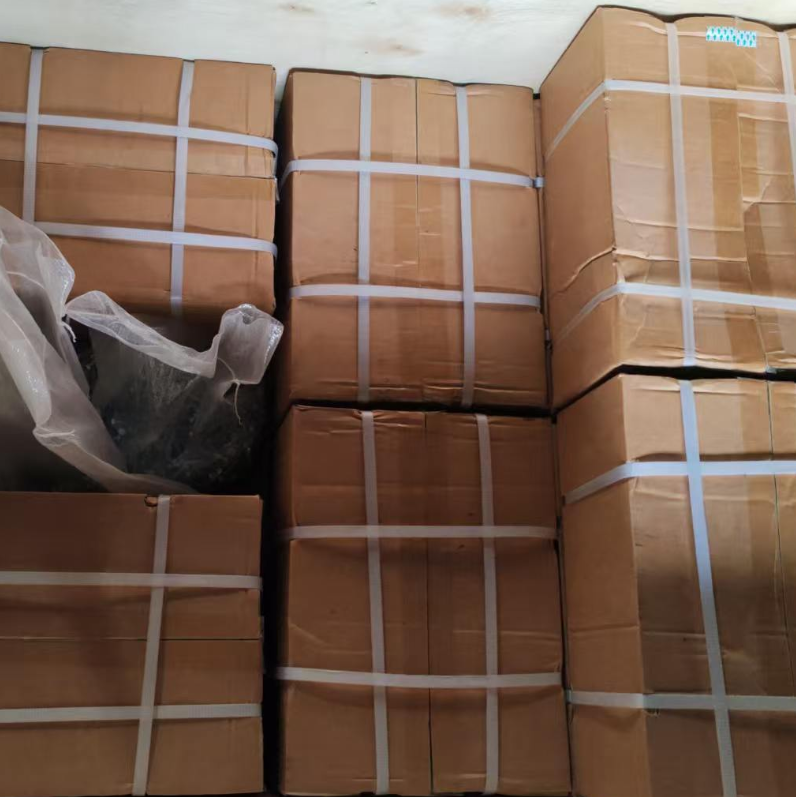
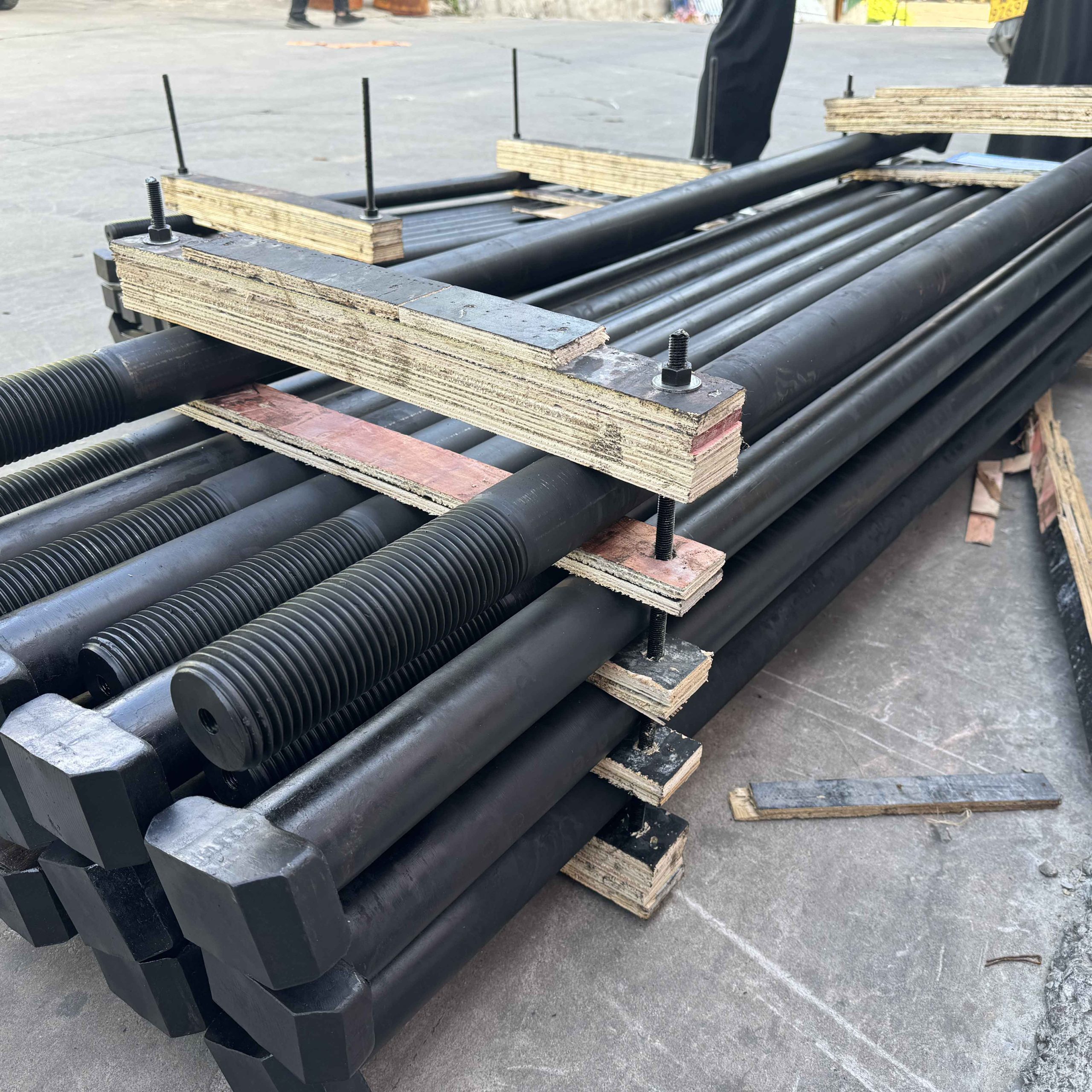
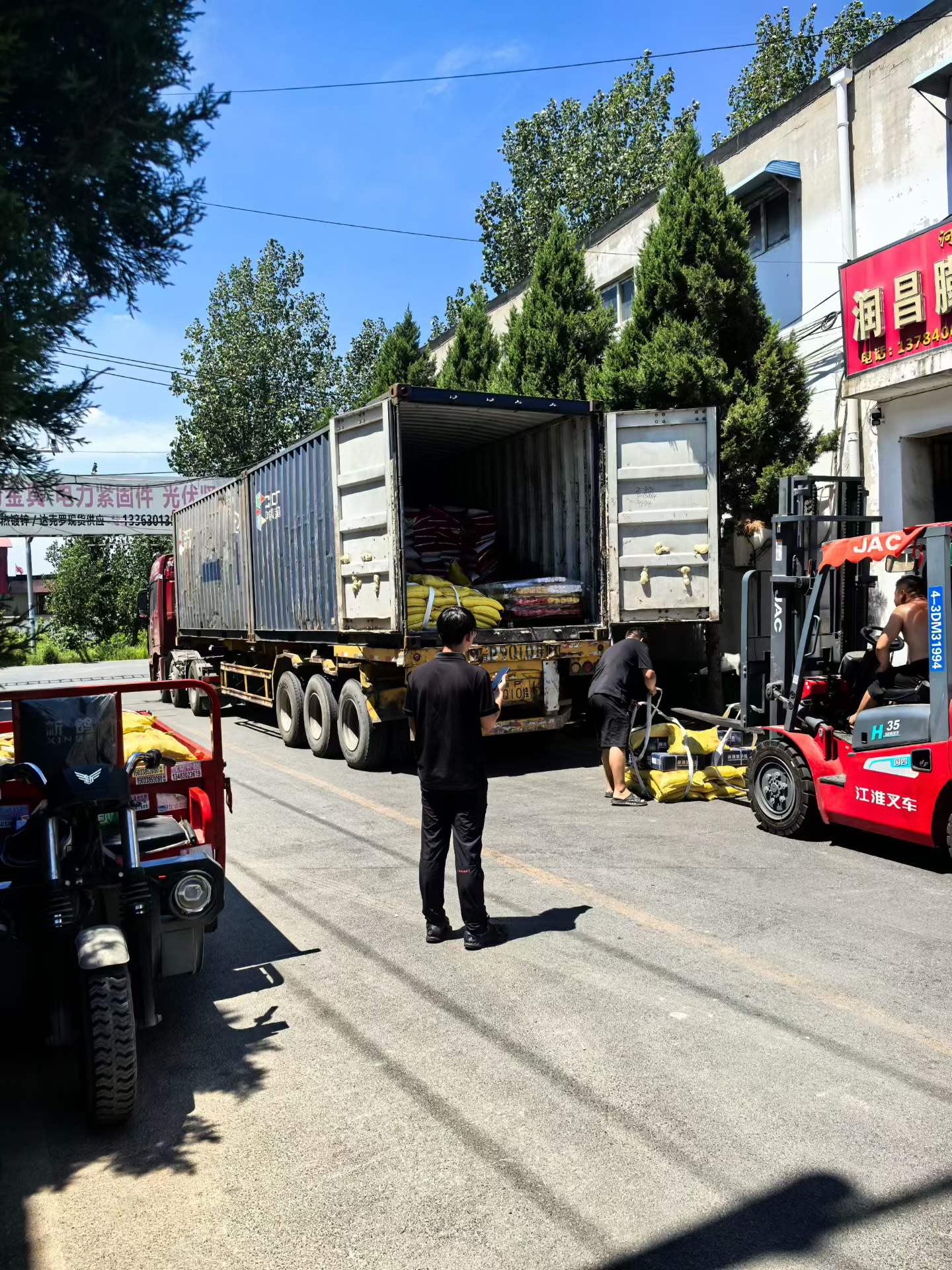
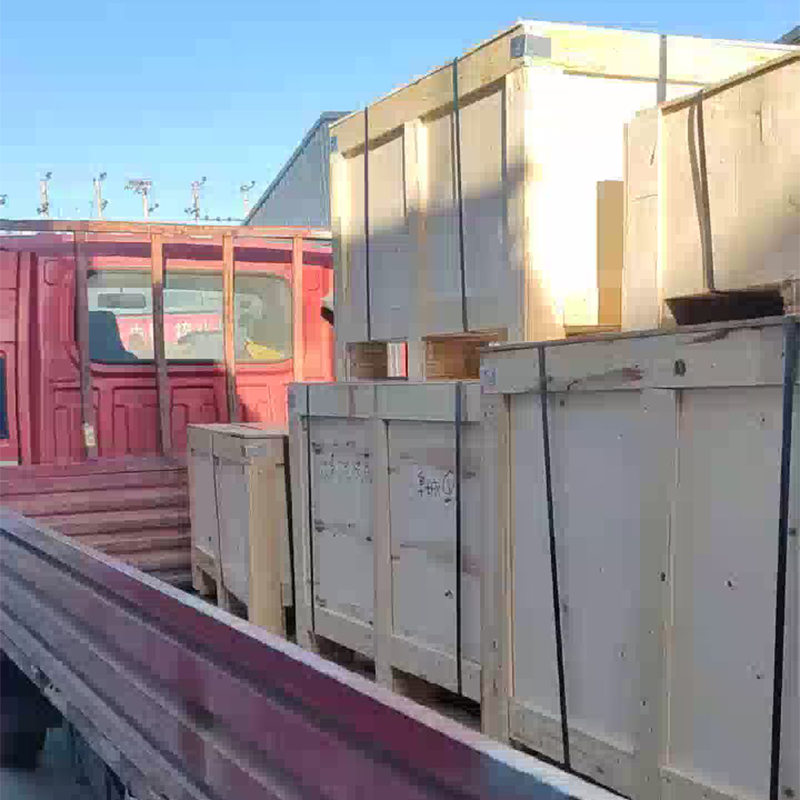
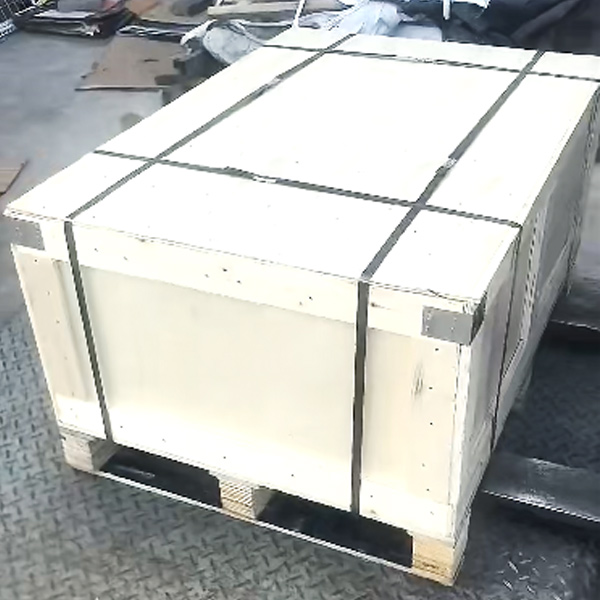
We use robust, seaworthy packaging to prevent damage during transit. Studs are typically packed in cartons with moisture barriers, palletized, and shrink-wrapped. Anchor bolts are bundled and crated according to their length and weight, ensuring they remain secure and organized upon arrival.
What is the typical lead time for production?
Standard items from stock can be shipped within days. Made-to-order production usually takes 2-4 weeks, depending on the quantity and complexity. Custom assemblies may require additional time for engineering approval and prototyping. We prioritize schedule adherence to keep your construction timeline on track.
Strategic Sourcing: How to Choose the Right Manufacturer
Selecting a wholesale welded bolt factory is a strategic decision that impacts the safety and budget of your project. Beyond price, several factors should guide your evaluation.
Production Capacity: Ensure the manufacturer has the capacity to handle your peak demand without delays. Large-scale infrastructure projects require a steady, uninterrupted supply chain.
Technical Support: Look for a partner who offers engineering support. Can they help optimize your bolt layout? Can they suggest cost-saving alternatives without compromising safety? A knowledgeable supplier adds value beyond the product itself.
Global Logistics: Experience in exporting to your region is crucial. Familiarity with customs regulations, Incoterms, and freight forwarding ensures smooth delivery and avoids unexpected costs or hold-ups at the port.
Sustainability: Increasingly, projects require environmentally responsible sourcing. Inquire about the manufacturer’s energy efficiency, waste recycling programs, and commitment to sustainable steel sourcing.
Conclusion: Building Trust Through Quality and Expertise
In the demanding field of structural engineering, the integrity of every connection counts. Wholesale Welded Bolt Factory solutions—ranging from standard headed studs to complex custom assemblies—form the invisible skeleton that holds our modern world together. By prioritizing metallurgical precision, automated manufacturing, and rigorous quality control, we deliver fasteners that stand up to the toughest challenges.
Whether you are constructing a seismic-resistant bridge, a high-rise landmark, or an industrial processing plant, the right fastening solution is critical. Our commitment to EEAT principles ensures that you receive not just a product, but a partnership grounded in experience, expertise, and trustworthiness.
Ready to secure your next project? Contact us today to discuss your specific requirements. Request a detailed catalog, obtain a competitive wholesale quote, or consult with our technical team to find the perfect bolt specification for your application.
Explore our full range of structural fastening solutions and discover how our precision-engineered products can enhance the safety and efficiency of your construction projects. Click here to view our technical specifications and initiate your inquiry.
Mesedez, utzi mezu bat
-

-
-
Urriatu



Privacy Policy
Our Commitment to Privacy
Introduction.
Rainbow Inc. recognizes the importance of protecting the privacy of all personal information provided by its customers, including users of www.rainbow-inkjet.com and other Rainbow Inc. affiliated websites (collectively "Rainbow Inc. Sites"). We created the following policy guidelines with a fundamental respect for our customers´ right to privacy and because we value our relationships with our customers. Your visit to the Rainbow Inc. Sites is subject to this Privacy Statement and our Online Terms and Conditions.
Description.
This Privacy Statement describes the types of information we collect and how we may use that information. Our Privacy Statement also describes the measures we take to protect the security of this information as well as how you may reach us to update your contact information.
Data Collection
Personal Data Collected Directly From Visitors.
Rainbow Inc. collects personal information when: you submit questions or comments to us; you request information or materials; you request warranty or post-warranty service and support; you participate in surveys; and by other means that may be specifically provided for on the Rainbow Inc. Sites or in our correspondence with you.
Type of Personal Data.
The type of information collected directly from the user may include your name, your company's name, physical contact information, address, billing and delivery information, e-mail address, the products you use, demographic information such as your age, preferences, and interests and information relating to the sale or installation of your product.
Non-Personal Data Collected Automatically.
We may collect information about your interaction with Rainbow Inc. Sites and services. For example, we may use website analytics tools on our site to retrieve information from your browser, including the site you came from, the search engine(s) and the keywords you used to find our site, and the pages you view within our site. Additionally, we collect certain standard information that your browser sends to every website you visit, such as your IP address, browser type, capabilities and language, your operating system, access times and referring Web site addresses.
Storage and Processing.
Personal data collected on our websites may be stored and processed in the United States in which Rainbow Inc. or its affiliates, joint ventures, or third party servicers maintain facilities.
How We Use the Data
Services and transactions.
We use your personal data to deliver services or execute transactions you request, such as providing information about Rainbow Inc. products and services, processing orders, answering customer service requests, facilitating use of our Web sites, enabling online shopping, and so forth. In order to offer you a more consistent experience in interacting with Rainbow Inc., information collected by our websites may be combined with information we collect by other means.
Product Development.
We use the personal and non-personal data for product development, including for such processes as idea generation, product design and improvements, detail engineering, market research and marketing analysis.
Website Improvement.
We may use the personal and non-personal data to improve our websites (including our security measures) and related products or services, or to make our websites easier to use by eliminating the need for you to repeatedly enter the same information or by customizing our websites to your particular preference or interests.
Marketing Communications.
We may use your personal data to inform you of products or services available from Rainbow Inc. When collecting information that might be used to contact you about our products and services, we often give you the opportunity to opt-out from receiving such communications. Moreover, in our email communications with you we may include an unsubscribe link allowing you to stop delivery of that type of communication. If you elect to unsubscribe, we will remove you from the relevant list within 15 business days.
Commitment to Data Security
Security.
Rainbow Inc. Corporation uses reasonable precautions to keep the personal information disclosed to us secure. To prevent unauthorized access, maintain data accuracy, and ensure the correct use of information, we have put in place appropriate physical, electronic, and managerial procedures to safeguard and secure your personal information. For example, we store sensitive personal data on computer systems with limited access that are located in facilities to which access is limited. When you move around a site to which you have logged in, or from one site to another that uses the same login mechanism, we verify your identity by means of an encrypted cookie placed on your machine. Nonetheless, Rainbow Inc. Corporation does not guarantee the security, accuracy or completeness of any such information or procedures.
Internet.
The transmission of information via the internet is not completely secure. Although we do our best to protect your personal information, we cannot guarantee the security of your personal information transmitted to our Website. Any transmission of personal information is at your own risk. We are not responsible for circumvention of any privacy settings or security measures contained on the Rainbow Inc. Sites.
Jar zaitez gurekin harremanetan
If you have questions regarding this privacy statement, our handling of your personal data, or your privacy rights under applicable law, please contact us by mail at the address below.
Rainbow Inc.
Attn: Katherine Tan
Add: No.1658 Husong Road, Shanghai, China.
Statement Updates
Revisions.
Rainbow Inc. reserves the right to modify this privacy statement from time to time. If we decide to change our Privacy Statement, we will post the revised Statement here.
Date.
This Privacy Statement was last amended on September 7, 2022.