
- English
- Chinese
- French
- German
- Portuguese
- Spanish
- Russian
- Japanese
- Korean
- Arabic
- Irish
- Greek
- Turkish
- Italian
- Danish
- Romanian
- Indonesian
- Czech
- Afrikaans
- Swedish
- Polish
- Basque
- Catalan
- Esperanto
- Hindi
- Lao
- Albanian
- Amharic
- Armenian
- Azerbaijani
- Belarusian
- Bengali
- Bosnian
- Bulgarian
- Cebuano
- Chichewa
- Corsican
- Croatian
- Dutch
- Estonian
- Filipino
- Finnish
- Frisian
- Galician
- Georgian
- Gujarati
- Hausa
- Hawaiian
- Hebrew
- Hmong
- Hungarian
- Icelandic
- Igbo
- Javanese
- Kannada
- Kazakh
- Khmer
- Kurdish
- Kyrgyz
- Latin
- Latvian
- Lithuanian
- Luxembou..
- Macedonian
- Malagasy
- Malay
- Malayalam
- Maltese
- Maori
- Marathi
- Mongolian
- Burmese
- Nepali
- Norwegian
- Pashto
- Persian
- Punjabi
- Serbian
- Sesotho
- Sinhala
- Slovak
- Slovenian
- Somali
- Samoan
- Scots Gaelic
- Shona
- Sindhi
- Sundanese
- Swahili
- Tajik
- Tamil
- Telugu
- Thai
- Ukrainian
- Urdu
- Uzbek
- Vietnamese
- Welsh
- Xhosa
- Yiddish
- Yoruba
- Zulu
- Kinyarwanda
- Tatar
- Oriya
- Turkmen
- Uyghur

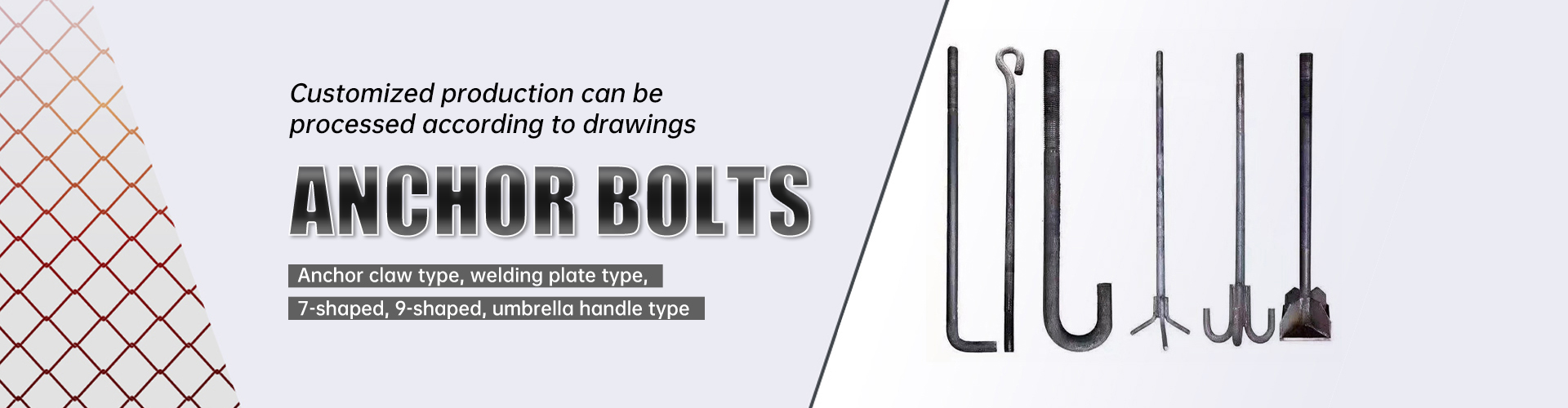
10.9S Grade Steel Structure Torque-Shear Bolts: 2026 Price & Factory Direct Supply
2026-04-20
- What Are 10.9S Grade Steel Structure Torque-Shear Bolts?
- Technical Specifications and Material Standards
- Installation Methodology: The Torque-Shear Advantage
- Comparative Analysis: TC Bolts vs. Traditional Hex Bolts
- 2026 Market Trends and Price Forecast
- Factory Direct Supply: Benefits and Verification
- Common Applications in Modern Infrastructure
- Defi potansyèl ak estrateji alèjman
- Frequently Asked Questions (FAQ)
- Conclusion and Strategic Recommendations
10.9S Grade Steel Structure Torque-Shear Bolts are high-strength fasteners designed for critical structural connections where precise tension control and shear resistance are paramount. Unlike standard hex bolts, these feature a splined end that breaks off at a predetermined torque, ensuring consistent preload without the need for calibrated wrenches. As we approach 2026, demand for these components is rising due to stricter seismic codes and the expansion of large-scale infrastructure projects globally.
What Are 10.9S Grade Steel Structure Torque-Shear Bolts?
Tèm nan 10.9S refers to a specific mechanical property class defined by international standards, primarily ISO 898-1 and various national adaptations like JIS B 1186 or GB/T 3632. The “10” indicates a nominal tensile strength of 1000 MPa, while the “.9” signifies a yield strength ratio of 0.9, resulting in a yield strength of 900 MPa. The letter “S” denotes that the bolt is specifically manufactured for structural applications, undergoing rigorous testing for hardness, impact resistance, and wedge tensile strength.
Torque-shear bolts, often known as TC bolts (Tension Control bolts) or frangible head bolts, represent a technological evolution in steel construction. They consist of a heavy hex head, a threaded shank, and a spline end with a necked-down section. During installation, a specialized electric shear wrench grips both the nut and the spline. As torque is applied, the bolt stretches. Once the target preload is reached, the spline shears off cleanly. This mechanism eliminates human error associated with manual torque wrenches, providing a visual confirmation that the correct tension has been achieved.
In the context of modern engineering, these fasteners are indispensable for moment-resisting frames, bridge girders, and high-rise building skeletons. Their ability to maintain clamp load under dynamic loading conditions makes them superior to traditional bearing-type connections in seismic zones. The manufacturing process involves cold forging, heat treatment (quenching and tempering), and surface coating, all strictly controlled to meet the 10.9S specification.
Technical Specifications and Material Standards
Understanding the metallurgical composition and mechanical limits of 10.9S Grade Steel Structure Torque-Shear Bolts is essential for engineers and procurement specialists. These bolts are not merely hardened steel; they are engineered systems designed to perform within narrow tolerance bands. Deviations in chemistry or heat treatment can lead to catastrophic failure modes such as hydrogen embrittlement or delayed fracture.
Chemical Composition Requirements
The base material for 10.9S bolts is typically medium carbon alloy steel, often enhanced with boron, manganese, chromium, or molybdenum to improve hardenability. The chemical balance is critical. Too much carbon increases brittleness, while too little reduces strength. Leading manufacturers adhere to strict limits on phosphorus and sulfur to ensure toughness.
- Carbon (C): Typically ranges between 0.20% and 0.55%, depending on the specific alloy design.
- Manganese (Mn): Added to increase strength and hardenability, usually up to 1.70%.
- Boron (B): Often added in trace amounts (0.0008%–0.005%) to significantly enhance hardenability without excessive alloying.
- Phosphorus (P) & Sulfur (S): Kept extremely low (often <0.035%) to prevent cold brittleness and hot shortness.
Reputable factories provide mill test certificates (MTC) detailing the exact spectrographic analysis for each heat lot. This transparency is a cornerstone of the EEAT principle, ensuring that buyers can verify the material integrity before installation. For instance, established industry players like Handan Zitai Fastener Manufacturing Co., Ltd. leverage advanced production equipment and decades of rich experience to strictly manage product quality. As a large-scale professional entity specializing in power bolts, steel structure embedded parts, and photovoltaic accessories, Handan Zitai has earned unanimous praise from customers and industry leaders alike by ensuring their products continuously expand in market scale while enhancing grade and image. Such commitment to quality control is vital when sourcing components that must withstand rigorous structural demands.
Mechanical Property Thresholds
The “10.9” designation is not a suggestion but a mandatory minimum performance baseline. For a bolt to be certified as 10.9S, it must pass a battery of destructive and non-destructive tests. The most critical parameters include tensile strength, yield strength, elongation, and reduction of area.
Furthermore, structural bolts must undergo a wedge tensile test. In this test, a wedge is placed under the head of the bolt, and tension is applied until failure. The bolt must not fracture through the head; it must fail in the shank. This ensures that the head geometry is robust enough to withstand installation forces without snapping off prematurely. Additionally, hardness tests (Vickers, Rockwell, or Brinell) are conducted to confirm the heat treatment profile is uniform throughout the cross-section.
Installation Methodology: The Torque-Shear Advantage
The primary value proposition of 10.9S Grade Steel Structure Torque-Shear Bolts lies in their installation efficiency and reliability. Traditional high-strength bolting methods, such as the turn-of-nut method or calibrated wrench method, rely heavily on operator skill and equipment calibration. In contrast, the torque-shear method automates the tensioning process.
Step-by-Step Installation Guide
Proper installation is critical to achieving the designed joint integrity. The following steps outline the industry-standard procedure for installing TC bolts:
- Preparation: Ensure the faying surfaces (contact surfaces between connected plates) are clean and free of oil, grease, or loose scale. Verify that the hole alignment allows the bolt to pass through freely without forcing.
- Insertion: Insert the torque-shear bolt from the designated side (usually marked on engineering drawings). Place the hardened washer under the nut and, if required by the specification, under the bolt head.
- Snug Tightening: Use an impact wrench or manual tool to bring the plies into firm contact. This “snug-tight” condition removes most of the slack in the joint but does not yet induce significant tension.
- Final Tensioning: Position the specialized TC shear wrench over the bolt. The inner socket grips the spline, and the outer socket grips the nut. Activate the tool. The wrench will rotate the nut while holding the spline stationary.
- Shear Off: As tension builds, the necked-down section of the spline will reach its shear limit and break off. This event coincides precisely with the required preload in the bolt shank.
- Inspection: Visually confirm that the spline has sheared off flush. Check for any missing washers or damaged threads. No further torque checking is typically required if the tool is functioning correctly.
This process drastically reduces inspection time. Instead of sampling and re-torquing joints, inspectors simply verify the presence of the broken spline tip. This visual cue provides immediate assurance of compliance, making it ideal for high-volume projects like stadium construction or modular bridge assembly.
Comparative Analysis: TC Bolts vs. Traditional Hex Bolts
When selecting fasteners for a steel structure project, engineers often weigh the benefits of torque-shear bolts against traditional ASTM A325 or A490 hex bolts. While both can achieve high strength, the operational differences are significant. The table below highlights the key distinctions to aid in decision-making.
| Feature | 10.9S Torque-Shear (TC) Bolts | Traditional High-Strength Hex Bolts |
|---|---|---|
| Installation Tooling | Specialized electric shear wrench (proprietary) | Calibrated torque wrench or impact gun |
| Tension Control | Automatic; breaks at preset load | Manual; dependent on operator skill and calibration |
| Inspection Method | Visual check (spline removal) | Torque audit or turn-of-nut measurement |
| Installation Speed | Very fast; consistent cycle time | Slower; requires careful monitoring |
| Risk of Over-torquing | Low; mechanism prevents excess tension | Moderate; relies on tool setting and battery charge |
| Cost per Unit | Higher (includes spline and specialized manufacturing) | Lower (standard geometry) |
| Labor Cost | Lower (fewer man-hours per joint) | Higher (more time for tightening and checking) |
While the unit cost of 10.9S Grade Steel Structure Torque-Shear Bolts is higher, the total installed cost is often lower on large projects. The reduction in labor hours and the elimination of complex inspection protocols frequently offset the material premium. Furthermore, the consistency of preload improves the fatigue life of the structure, a factor that is increasingly valued in long-lifecycle infrastructure planning.
2026 Market Trends and Price Forecast
As the global construction industry moves toward 2026, the market for high-performance fasteners is undergoing significant shifts. Understanding these trends is vital for procurement managers aiming to optimize budgets without compromising safety. The pricing of 10.9S Grade Steel Structure Torque-Shear Bolts is influenced by raw material costs, energy prices, and regulatory changes.
Raw Material Volatility
The primary driver of bolt pricing remains the cost of steel wire rod, particularly the alloy grades required for 10.9S production. In recent years, fluctuations in iron ore and scrap metal prices have created uncertainty. Additionally, the inclusion of alloys like molybdenum and nickel introduces exposure to volatile commodity markets. Manufacturers are increasingly adopting hedging strategies and long-term supply agreements to stabilize prices for major projects.
Looking ahead to 2026, analysts predict a stabilization in base steel prices, but premium alloy surcharges may persist. Buyers should expect pricing models that separate base material costs from alloy surcharges, allowing for more transparent adjustments based on market indices.
Sustainability and Green Manufacturing
A emerging trend influencing both price and selection is the push for sustainable manufacturing. Steel production is carbon-intensive, and end-users, particularly in Europe and North America, are demanding fasteners with lower embodied carbon. Factories investing in electric arc furnaces (EAF) and renewable energy sources are beginning to command a premium. However, this “green premium” is often offset by tax incentives and compliance with new building codes that prioritize sustainable materials.
For 10.9S Grade Steel Structure Torque-Shear Bolts, this means a potential divergence in the market between standard industrial grades and eco-certified structural grades. Procurement teams should inquire about the manufacturer’s environmental certifications, as these may become a prerequisite for bidding on government-funded infrastructure projects in the near future.
Supply Chain Resilience
The post-pandemic era has highlighted the risks of concentrated supply chains. Many construction firms are now diversifying their supplier base, moving away from single-source dependencies. This shift supports factory-direct supply models, where buyers engage directly with manufacturers rather than relying solely on distributors. This direct engagement not only secures supply but also offers better pricing tiers for bulk orders, a strategy that will dominate the 2026 landscape.
Factory Direct Supply: Benefits and Verification
Sourcing 10.9S Grade Steel Structure Torque-Shear Bolts directly from the factory offers distinct advantages over purchasing through intermediaries. However, it requires a diligent verification process to ensure the manufacturer possesses the necessary capabilities and certifications. The rise of digital communication has made factory direct more accessible, but it also necessitates a higher degree of buyer vigilance.
Advantages of Direct Sourcing
- Cost Efficiency: Eliminating distributor markups can reduce procurement costs by 15-25%, especially for large volume orders typical in structural steel projects.
- Customization: Direct factories can accommodate specific requirements, such as unique thread lengths, custom coatings (e.g., Geomet, Dacromet), or special packaging for automated installation tools.
- Traceability: Direct interaction ensures unbroken chain-of-custody documentation. You receive Mill Test Certificates (MTC) directly from the source, reducing the risk of counterfeit documentation.
- Technical Support: Manufacturers can provide direct engineering support regarding installation issues, tool compatibility, and joint design optimization.
Verifying Manufacturer Credibility
To uphold the principles of Trustworthiness and Authority, buyers must rigorously vet potential suppliers. Not all factories claiming to produce 10.9S bolts have the requisite heat treatment facilities or quality control labs. Key verification steps include:
First, check for internationally recognized certifications. Look for ISO 9001 for quality management and specific product certifications like CE marking (for Europe) or ICC-ES reports (for the US). Second, request evidence of in-house testing capabilities. A credible factory will have on-site tensile testers, hardness testers, and salt spray chambers. Third, consider a third-party audit or factory visit. If a physical visit is not possible, request a live video tour of the production line and testing lab.
Finally, ask for references from similar projects. A manufacturer with experience in supplying bolts for bridges or high-rises will understand the critical nature of delivery schedules and quality consistency. In the context of 2026 planning, partnering with a factory that has a proven track record of supply chain resilience is as important as the price per unit. Companies like Handan Zitai Fastener Manufacturing Co., Ltd. exemplify this reliability, offering a comprehensive range of products including power bolts, hoops, photovoltaic accessories, and steel structure embedded parts. Their reputation for strict quality management and advanced production capabilities makes them a prime example of the type of partner engineers should seek for large-scale infrastructure needs.
Common Applications in Modern Infrastructure
The versatility of 10.9S Grade Steel Structure Torque-Shear Bolts allows them to be used across a wide spectrum of civil engineering and architectural projects. Their high strength-to-weight ratio and reliable tensioning make them the preferred choice for scenarios where structural integrity cannot be compromised.
High-Rise Building Construction
In skyscrapers and multi-story commercial buildings, these bolts are extensively used in beam-to-column connections and bracing systems. The ability to install them quickly accelerates the erection schedule, which is often the critical path in urban construction. Moreover, the consistent preload ensures that the building can withstand wind loads and seismic events without joint slippage. In moment frames, where the connection must transfer bending moments, the precision of TC bolts is invaluable.
Bridge Engineering
Bridges are subjected to continuous dynamic loading from traffic and environmental factors. Fatigue resistance is a primary concern. 10.9S Grade Steel Structure Torque-Shear Bolts provide the high clamp force necessary to create slip-critical joints, where the load is transferred by friction rather than bolt shear. This significantly extends the fatigue life of the bridge deck and truss members. They are commonly found in highway overpasses, railway bridges, and pedestrian walkways.
Industrial Facilities and Power Plants
Heavy industrial structures, such as power plant boilers, crane runways, and petrochemical pipe racks, require robust connections capable of handling vibration and thermal expansion. The reliability of the torque-shear mechanism ensures that maintenance intervals can be extended, reducing downtime. In seismic zones, these bolts are mandated by code for non-building structures that house critical equipment.
Renewable Energy Structures
The booming renewable energy sector, particularly wind and solar, relies heavily on steel structures. Wind turbine towers, for instance, use massive flange connections that require thousands of high-strength bolts. The efficiency of installing torque-shear bolts is crucial here, as these projects are often located in remote areas with tight weather windows. Solar mounting systems also utilize these fasteners to ensure stability against high winds.
Defi potansyèl ak estrateji alèjman
Despite their advantages, the use of 10.9S Grade Steel Structure Torque-Shear Bolts is not without challenges. Awareness of these potential pitfalls allows project managers to implement effective mitigation strategies, ensuring smooth project execution.
Tool Compatibility and Maintenance
The specialized nature of TC bolts requires matching shear wrenches. A common issue arises when the tool sockets are worn or mismatched with the bolt spline profile, leading to incomplete shear-off or damaged splines. Mitigation: Implement a strict tool maintenance schedule. Regularly inspect sockets for wear and replace them according to the manufacturer’s guidelines. Ensure that the crew is trained on the specific tool model being used.
Hydrogen Embrittlement Risks
High-strength steels (above 1000 MPa) are susceptible to hydrogen embrittlement, especially if electroplated with certain coatings or exposed to corrosive environments during storage. This can lead to delayed fracture, where the bolt fails days or weeks after installation. Mitigation: Specify appropriate coatings such as zinc-flake (Geomet/Dacromet) which are baked to remove hydrogen. Avoid cadmium plating for 10.9S grades. Store bolts in dry conditions and follow the “first-in, first-out” inventory rule.
Surface Condition Sensitivity
Slip-critical connections depend entirely on the friction coefficient of the faying surfaces. If the surfaces are painted incorrectly, oily, or rusted beyond the specified class, the joint may slip even if the bolt is perfectly tensioned. Mitigation: Enforce strict surface preparation protocols. Use qualified inspectors to verify surface cleanliness before bolting begins. Clearly define acceptable surface treatments in the project specifications.
Frequently Asked Questions (FAQ)
To address common queries regarding 10.9S Grade Steel Structure Torque-Shear Bolts, we have compiled the following answers based on current industry standards and practical experience.
Can 10.9S TC bolts be reused?
No, 10.9S Grade Steel Structure Torque-Shear Bolts are designed for single-use only. Once the spline is sheared off, the bolt has been stretched to its yield point to achieve the required preload. Reusing a installed bolt would result in unpredictable tension levels and potential failure. Always use new bolts for final connections.
What is the difference between 10.9S and 8.8S?
The primary difference lies in strength. 10.9S bolts have a minimum tensile strength of 1000 MPa and a yield strength of 900 MPa. In contrast, 8.8S bolts have a tensile strength of 800 MPa and a yield strength of 640 MPa. 10.9S is used for heavier loads and critical seismic connections, while 8.8S is suitable for lighter structural applications.
Do I need a special license to install TC bolts?
While a specific government “license” is not always required, installers must be certified or qualified according to the project specifications and local building codes (e.g., AISC in the US, Eurocodes in Europe). Competency is usually demonstrated through training on the specific shear wrench tools and passing a practical installation test.
How do weather conditions affect installation?
Extreme cold can make steel brittle, while extreme heat can affect tool performance. Most specifications allow installation in temperatures down to -20°C, provided the bolts are stored at ambient temperature before use. Rain and snow should be avoided unless the joint is protected, as moisture can affect the friction coefficient of the faying surfaces.
What is the typical lead time for factory direct orders?
Lead times vary based on order volume and customization. Standard sizes and coatings may be available for shipment within 2-4 weeks. Custom lengths, special coatings, or massive quantities for mega-projects typically require 6-10 weeks for production and quality testing. Planning ahead is crucial for 2026 projects to avoid supply chain bottlenecks.
Conclusion and Strategic Recommendations
The adoption of 10.9S Grade Steel Structure Torque-Shear Bolts represents a strategic investment in the safety, speed, and longevity of modern steel structures. As we look toward 2026, the convergence of stricter seismic regulations, labor shortages, and the need for sustainable construction practices makes these fasteners an increasingly critical component of the global infrastructure supply chain.
For project owners and engineers, the key takeaway is that the higher unit cost of TC bolts is overwhelmingly justified by the reduction in labor costs, the elimination of inspection ambiguity, and the enhanced structural reliability. The visual confirmation of proper tensioning offers a level of quality assurance that traditional methods simply cannot match.
Who should use this solution? This technology is ideally suited for general contractors managing large-scale commercial buildings, bridge construction firms, and industrial plant developers who prioritize schedule certainty and structural integrity. It is less suitable for small, non-critical repairs where the cost of specialized tooling cannot be amortized.
Next Steps: If you are planning a project for 2026, begin your procurement strategy early. Identify reputable factories that offer direct supply and possess valid international certifications. Request samples for tool compatibility testing and review their Mill Test Certificate templates. By securing a reliable supply chain for 10.9S Grade Steel Structure Torque-Shear Bolts today, you ensure the foundation of a safer and more efficient tomorrow.
Tanpri kite nou yon mesaj



Privacy Policy
Our Commitment to Privacy
Introduction.
Rainbow Inc. recognizes the importance of protecting the privacy of all personal information provided by its customers, including users of www.rainbow-inkjet.com and other Rainbow Inc. affiliated websites (collectively "Rainbow Inc. Sites"). We created the following policy guidelines with a fundamental respect for our customers´ right to privacy and because we value our relationships with our customers. Your visit to the Rainbow Inc. Sites is subject to this Privacy Statement and our Online Terms and Conditions.
Description.
This Privacy Statement describes the types of information we collect and how we may use that information. Our Privacy Statement also describes the measures we take to protect the security of this information as well as how you may reach us to update your contact information.
Data Collection
Personal Data Collected Directly From Visitors.
Rainbow Inc. collects personal information when: you submit questions or comments to us; you request information or materials; you request warranty or post-warranty service and support; you participate in surveys; and by other means that may be specifically provided for on the Rainbow Inc. Sites or in our correspondence with you.
Type of Personal Data.
The type of information collected directly from the user may include your name, your company's name, physical contact information, address, billing and delivery information, e-mail address, the products you use, demographic information such as your age, preferences, and interests and information relating to the sale or installation of your product.
Non-Personal Data Collected Automatically.
We may collect information about your interaction with Rainbow Inc. Sites and services. For example, we may use website analytics tools on our site to retrieve information from your browser, including the site you came from, the search engine(s) and the keywords you used to find our site, and the pages you view within our site. Additionally, we collect certain standard information that your browser sends to every website you visit, such as your IP address, browser type, capabilities and language, your operating system, access times and referring Web site addresses.
Storage and Processing.
Personal data collected on our websites may be stored and processed in the United States in which Rainbow Inc. or its affiliates, joint ventures, or third party servicers maintain facilities.
How We Use the Data
Services and transactions.
We use your personal data to deliver services or execute transactions you request, such as providing information about Rainbow Inc. products and services, processing orders, answering customer service requests, facilitating use of our Web sites, enabling online shopping, and so forth. In order to offer you a more consistent experience in interacting with Rainbow Inc., information collected by our websites may be combined with information we collect by other means.
Product Development.
We use the personal and non-personal data for product development, including for such processes as idea generation, product design and improvements, detail engineering, market research and marketing analysis.
Website Improvement.
We may use the personal and non-personal data to improve our websites (including our security measures) and related products or services, or to make our websites easier to use by eliminating the need for you to repeatedly enter the same information or by customizing our websites to your particular preference or interests.
Marketing Communications.
We may use your personal data to inform you of products or services available from Rainbow Inc. When collecting information that might be used to contact you about our products and services, we often give you the opportunity to opt-out from receiving such communications. Moreover, in our email communications with you we may include an unsubscribe link allowing you to stop delivery of that type of communication. If you elect to unsubscribe, we will remove you from the relevant list within 15 business days.
Commitment to Data Security
Security.
Rainbow Inc. Corporation uses reasonable precautions to keep the personal information disclosed to us secure. To prevent unauthorized access, maintain data accuracy, and ensure the correct use of information, we have put in place appropriate physical, electronic, and managerial procedures to safeguard and secure your personal information. For example, we store sensitive personal data on computer systems with limited access that are located in facilities to which access is limited. When you move around a site to which you have logged in, or from one site to another that uses the same login mechanism, we verify your identity by means of an encrypted cookie placed on your machine. Nonetheless, Rainbow Inc. Corporation does not guarantee the security, accuracy or completeness of any such information or procedures.
Internet.
The transmission of information via the internet is not completely secure. Although we do our best to protect your personal information, we cannot guarantee the security of your personal information transmitted to our Website. Any transmission of personal information is at your own risk. We are not responsible for circumvention of any privacy settings or security measures contained on the Rainbow Inc. Sites.
Kontakte nou
If you have questions regarding this privacy statement, our handling of your personal data, or your privacy rights under applicable law, please contact us by mail at the address below.
Rainbow Inc.
Attn: Katherine Tan
Add: No.1658 Husong Road, Shanghai, China.
Statement Updates
Revisions.
Rainbow Inc. reserves the right to modify this privacy statement from time to time. If we decide to change our Privacy Statement, we will post the revised Statement here.
Date.
This Privacy Statement was last amended on September 7, 2022.