
- English
- Chinese
- French
- German
- Portuguese
- Spanish
- Russian
- Japanese
- Korean
- Arabic
- Irish
- Greek
- Turkish
- Italian
- Danish
- Romanian
- Indonesian
- Czech
- Afrikaans
- Swedish
- Polish
- Basque
- Catalan
- Esperanto
- Hindi
- Lao
- Albanian
- Amharic
- Armenian
- Azerbaijani
- Belarusian
- Bengali
- Bosnian
- Bulgarian
- Cebuano
- Chichewa
- Corsican
- Croatian
- Dutch
- Estonian
- Filipino
- Finnish
- Frisian
- Galician
- Georgian
- Gujarati
- Hausa
- Hawaiian
- Hebrew
- Hmong
- Hungarian
- Icelandic
- Igbo
- Javanese
- Kannada
- Kazakh
- Khmer
- Kurdish
- Kyrgyz
- Latin
- Latvian
- Lithuanian
- Luxembou..
- Macedonian
- Malagasy
- Malay
- Malayalam
- Maltese
- Maori
- Marathi
- Mongolian
- Burmese
- Nepali
- Norwegian
- Pashto
- Persian
- Punjabi
- Serbian
- Sesotho
- Sinhala
- Slovak
- Slovenian
- Somali
- Samoan
- Scots Gaelic
- Shona
- Sindhi
- Sundanese
- Swahili
- Tajik
- Tamil
- Telugu
- Thai
- Ukrainian
- Urdu
- Uzbek
- Vietnamese
- Welsh
- Xhosa
- Yiddish
- Yoruba
- Zulu
- Kinyarwanda
- Tatar
- Oriya
- Turkmen
- Uyghur

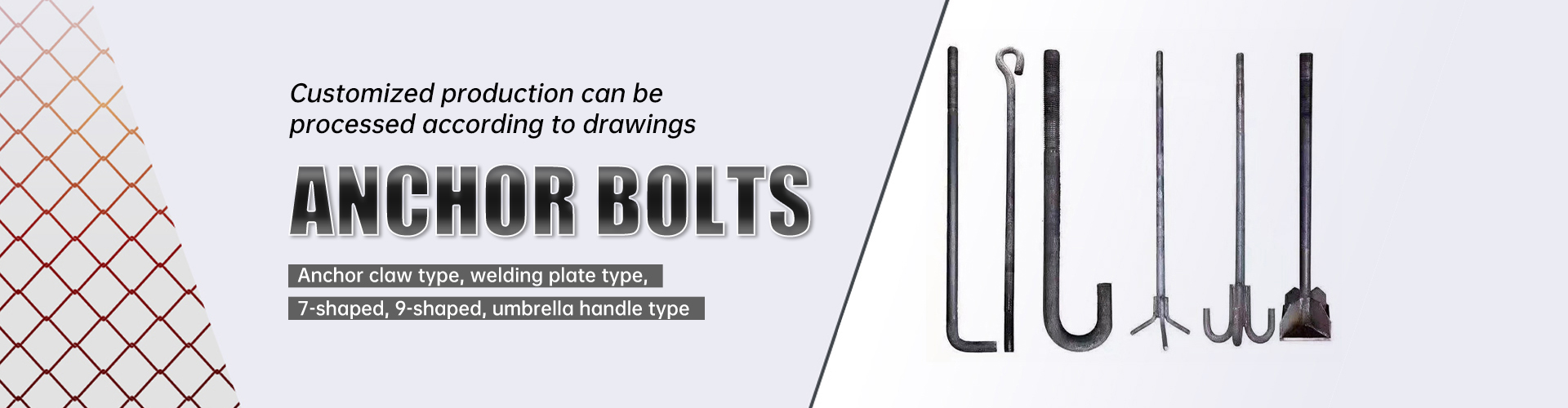
Best Casing Bolt Factory with Latest 2026 Industrial Price List
2026-06-16
- Understanding the 2026 Industrial Landscape for Casing Bolts
- Comprehensive 2026 Price List and Cost Structure Analysis
- Technical Specifications and Manufacturing Capabilities
- Material Selection Guide for Harsh Environments
- Application Scenarios Across Energy Sectors
- Step-by-Step Procurement and Quality Assurance Process
- Frequently Asked Questions (FAQ)
- Expert Insights on Maintaining Bolt Integrity
- Why Choose Our Factory for Your 2026 Projects
- Conclusion and Next Steps
Our facility stands as the premier destination for sourcing high-performance casing bolts, delivering a comprehensive 2026 industrial price list that balances advanced metallurgy with cost-efficiency. We specialize in manufacturing heavy-duty fasteners designed for extreme downhole environments, ensuring API compliance and structural integrity for oil, gas, and geothermal applications. This guide details our latest pricing structures, material specifications, and engineering capabilities to help procurement managers make informed decisions for their upcoming projects.
Understanding the 2026 Industrial Landscape for Casing Bolts
The global energy sector in 2026 demands fastening solutions that withstand increasingly harsh extraction conditions. Casing bolts are not merely standard hardware; they are critical safety components that maintain wellbore integrity under immense pressure and temperature fluctuations. As drilling operations extend into deeper reserves and more corrosive environments, the requirement for specialized alloy compositions has become the industry norm.
Manufacturers now prioritize materials that offer superior resistance to sulfide stress cracking (SSC) and hydrogen-induced cracking (HIC). The shift towards renewable geothermal energy has also introduced new thermal cycling challenges, requiring bolts that maintain preload tension despite repeated expansion and contraction. Our production lines have adapted to these shifts by integrating real-time spectral analysis and automated heat treatment monitoring.
Price volatility in raw materials such as nickel, molybdenum, and chromium continues to influence market rates. However, strategic inventory management and vertical integration allow us to stabilize costs for long-term contracts. Buyers in 2026 are less focused on the lowest unit price and more concerned with total cost of ownership, which includes failure rates, maintenance intervals, and logistical reliability.
Supply chain resilience remains a top priority for engineering firms. Delays in fastener delivery can halt entire rig operations, costing millions per day. Consequently, the definition of a “best factory” has evolved to include logistical agility and guaranteed lead times alongside technical specifications. Our facility addresses this by maintaining strategic stockpiles of semi-finished blanks for rapid customization.
Key Market Drivers Influencing Bolt Specifications
- Deepwater Exploration: Increased hydrostatic pressure requires higher yield strength grades, often exceeding 125 ksi.
- Sour Service Environments: Strict adherence to NACE MR0175/ISO 15156 standards is mandatory for fields containing H2S.
- Geothermal Expansion: High-temperature stability up to 400°C drives demand for Inconel and specialized stainless alloys.
- Regulatory Compliance: Enhanced documentation requirements for traceability from melt to final inspection.
Comprehensive 2026 Price List and Cost Structure Analysis
Pricing for industrial casing bolts in 2026 is determined by a complex matrix of material grade, dimensional complexity, heat treatment requirements, and testing protocols. Unlike commodity fasteners, each order is engineered to specific load cases, making a static price list insufficient without context. The following breakdown provides a transparent view of how costs are calculated across different tiers of performance.
Base pricing typically starts with carbon steel variants for non-critical surface applications. As the operational environment becomes more aggressive, the inclusion of alloying elements significantly impacts the final cost. For instance, moving from ASTM A320 L7 to L43 or proprietary high-nickel alloys can increase material costs by a factor of three to five. However, this investment mitigates the risk of catastrophic failure.
Volume discounts remain a standard practice for large-scale infrastructure projects. Orders exceeding 50,000 units often qualify for tiered pricing models that lock in rates for the duration of the project. This approach helps operators budget accurately despite fluctuating metal exchanges. Additionally, bundled services such as third-party inspection and custom packaging are factored into the final quotation.
It is crucial to note that the “lowest price” option often excludes essential value-added services. A competitive 2026 price list must include full certification packages, material test reports (MTRs), and traceability codes. Omitting these to reduce upfront costs can lead to significant delays during regulatory audits or site acceptance testing.
Estimated Pricing Tiers by Material Grade (Per Unit Basis)
| Material Grade / Standard | Tensile Strength (Min) | Typical Application | Relative Cost Index (2026) | Lead Time Estimate |
|---|---|---|---|---|
| ASTM A320 Gr. L7 (Alloy Steel) | 125 ksi | General Low-Temp Service | 1.0x (Base) | 4-6 Weeks |
| ASTM A320 Gr. L43 (High Strength) | 150 ksi | High-Pressure Wellheads | 1.4x | 6-8 Weeks |
| ASTM A193 Gr. B7M (Sour Service) | 100 ksi | H2S Environments (NACE) | 1.6x | 5-7 Weeks |
| Duplex Stainless Steel (2205) | 95 ksi | Offshore/Corrosive | 2.8x | 8-10 Weeks |
| Inconel 718 / 625 | 180+ ksi | Extreme Heat/Corrosion | 5.5x+ | 10-14 Weeks |
Note: Relative Cost Index is based on current raw material futures and processing complexity. Final quotes depend on diameter, length, and thread pitch specifics.
Technical Specifications and Manufacturing Capabilities
Our manufacturing process integrates state-of-the-art cold forging and hot heading technologies to ensure grain flow follows the contour of the bolt head and shank. This directional grain structure enhances fatigue resistance, a critical factor for bolts subjected to dynamic loads in pumping systems. Every batch undergoes rigorous quality control measures aligned with ISO 9001:2015 standards.
Heat treatment is performed in controlled atmosphere furnaces to prevent decarburization and ensure uniform hardness throughout the cross-section. We utilize induction hardening for specific surface requirements and through-hardening for bulk strength. Post-treatment processes include shot peening to introduce compressive residual stresses, further extending fatigue life.
Thread rolling is executed using precision dies that create smoother surface finishes compared to cut threads. This cold working process increases the tensile strength of the threaded section and improves resistance to stripping. All threads are inspected using go/no-go gauges and optical comparators to verify pitch diameter and flank angles against ASME B1.1 standards.
Surface finishing options range from plain oil coats for temporary protection to heavy-duty zinc flake coatings and hot-dip galvanizing for long-term corrosion resistance. For subsea applications, we offer specialized polymer coatings that provide an additional barrier against chloride ingress. Each coating type is tested for adhesion and thickness consistency.
Dimensional Tolerances and Inspection Protocols
- Head Dimensions: Compliant with ASME B18.2.6 for heavy hex structural bolts.
- Shank Straightness: Maximum deviation of 0.005 inches per foot of length.
- Thread Fit: Class 2A or 3A depending on application criticality.
- Hardness Testing: Rockwell C scale verification at multiple points along the shank.
- Magnetic Particle Inspection: 100% screening for surface defects on critical orders.
Material Selection Guide for Harsh Environments
Selecting the appropriate material for casing bolts is a decision that directly impacts the safety and longevity of the installation. Engineers must evaluate the specific chemical composition of the well fluid, operating temperatures, and expected pressure cycles. A mismatch between material capability and environmental conditions can lead to premature failure modes such as stress corrosion cracking.
For standard onshore applications with mild conditions, low-alloy steels like ASTM A320 L7 provide an excellent balance of strength and toughness. These materials perform reliably down to -100°F, making them suitable for cryogenic services as well. However, when hydrogen sulfide is present, the microstructure must be tempered to lower hardness levels to prevent sulfide stress cracking.
Offshore platforms and subsea installations face constant exposure to salt spray and humid air. In these scenarios, duplex stainless steels offer superior pitting resistance equivalent numbers (PREN). Their dual-phase microstructure combines the strength of ferrite with the corrosion resistance of austenite, providing a robust solution for marine environments.
When temperatures exceed 450°F or aggressive acids are involved, nickel-based superalloys become necessary. Materials like Inconel 718 retain their mechanical properties at elevated temperatures where conventional steels would soften or creep. While the initial cost is higher, the reduction in downtime and replacement frequency justifies the expenditure for critical wells.
Common Failure Modes and Prevention Strategies
- Hydrogen Embrittlement: Prevented by proper baking after plating and avoiding over-pickling during acid cleaning.
- Galvanic Corrosion: Mitigated by using insulating gaskets or selecting fastener materials compatible with the flange alloy.
- Creep Rupture: Addressed by selecting materials with high stress-rupture strength for sustained high-temperature service.
- Fatigue Fracture: Reduced through optimized thread root geometry and shot peening treatments.
Application Scenarios Across Energy Sectors
The versatility of our casing bolts allows them to serve diverse roles across the energy spectrum. In upstream oil and gas operations, they secure wellhead equipment, Christmas trees, and blowout preventers (BOPs). The reliability of these connections is paramount, as a single leak can result in severe environmental damage and operational shutdowns.
Midstream infrastructure, including pipelines and compressor stations, relies on high-strength bolting for flange connections that transport fluids over long distances. These bolts must withstand vibration from pumps and compressors while maintaining a seal against varying internal pressures. Our vibration-resistant designs incorporate prevailing torque features or specialized locking mechanisms.
The emerging geothermal sector presents unique challenges due to the combination of high heat and mineral-laden brines. Casing bolts in geothermal plants are subjected to continuous thermal cycling, which can cause relaxation of preload forces. Our engineered solutions utilize materials with low coefficients of thermal expansion to maintain clamp load stability.
Nuclear power generation facilities also utilize specialized casing bolts for reactor vessel heads and primary coolant loops. These applications require materials with low cobalt content to minimize radiation activation and strict adherence to nuclear quality assurance programs. Traceability for these components extends back to the original ore source.
Industry-Specific Requirements Summary
| Sector | Critical Challenge | Recommended Solution | Key Standard |
|---|---|---|---|
| Upstream Oil & Gas | H2S Corrosion | NACE Compliant Alloy Steel | NACE MR0175 |
| Offshore Drilling | Saltwater Exposure | Duplex Stainless Steel | API 6A |
| Geothermal | Thermal Cycling | Inconel / High-Nickel Alloys | ASTM A193 B8 |
| Nuclear | Radiation Resistance | Low-Cobalt Stainless | ASME Section III |
Step-by-Step Procurement and Quality Assurance Process
Securing the right casing bolts involves a structured procurement workflow designed to eliminate ambiguity and ensure product conformity. The process begins with a detailed technical inquiry where the buyer specifies the application parameters, including design pressure, temperature range, and fluid composition. This data forms the basis for our material recommendation.
Once the material grade and dimensions are agreed upon, we generate a formal quotation that includes a breakdown of costs, delivery schedule, and inspection milestones. Upon order confirmation, a dedicated project manager is assigned to oversee the production timeline and serve as the single point of contact for the client.
During manufacturing, clients have the option to witness critical stages such as heat treatment and mechanical testing. Third-party inspection agencies like SGS, Bureau Veritas, or DNV can be engaged to verify compliance with purchase order requirements. All test results are compiled into a comprehensive dossier delivered with the shipment.
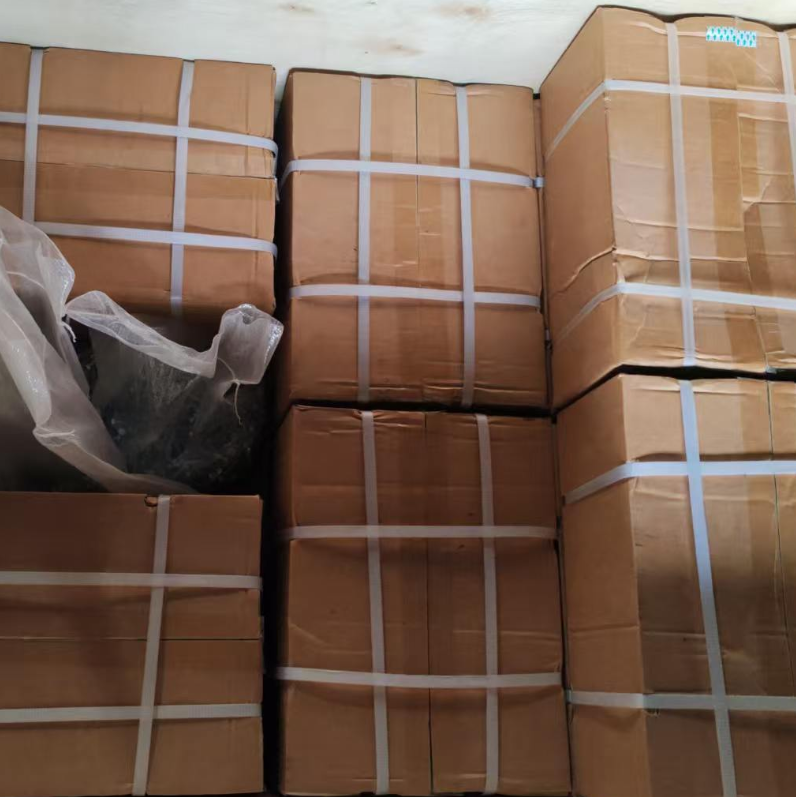
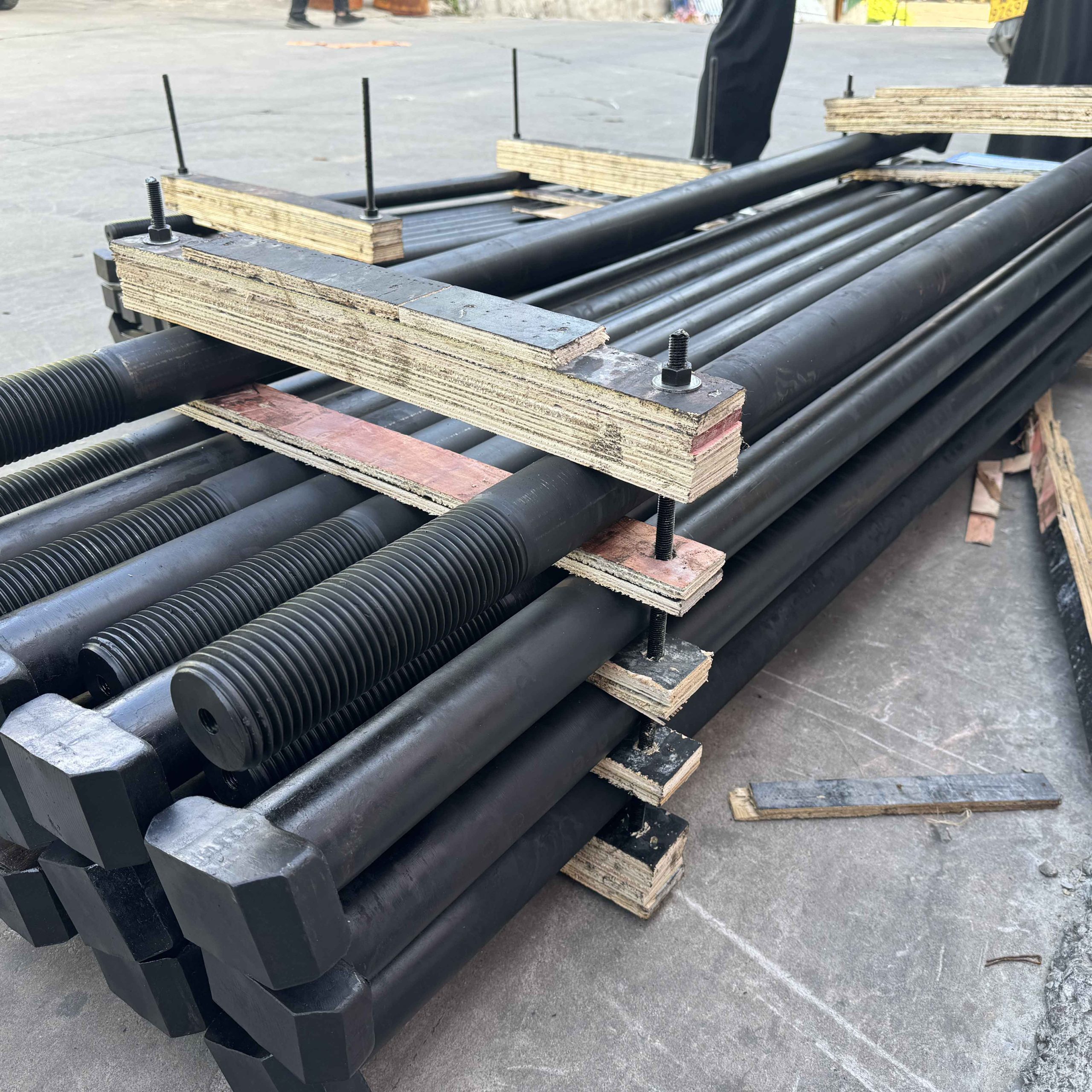
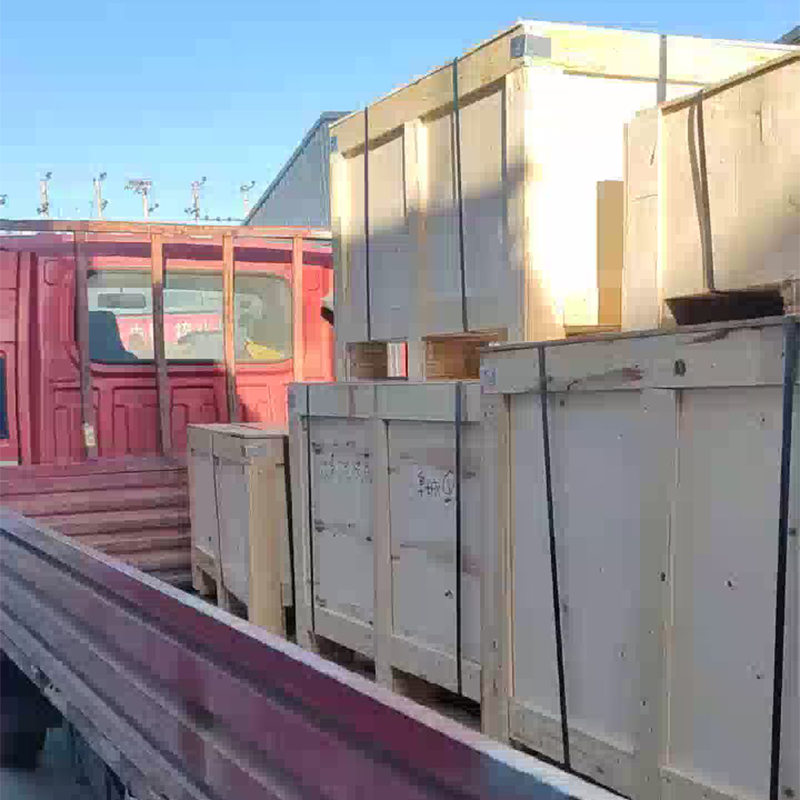
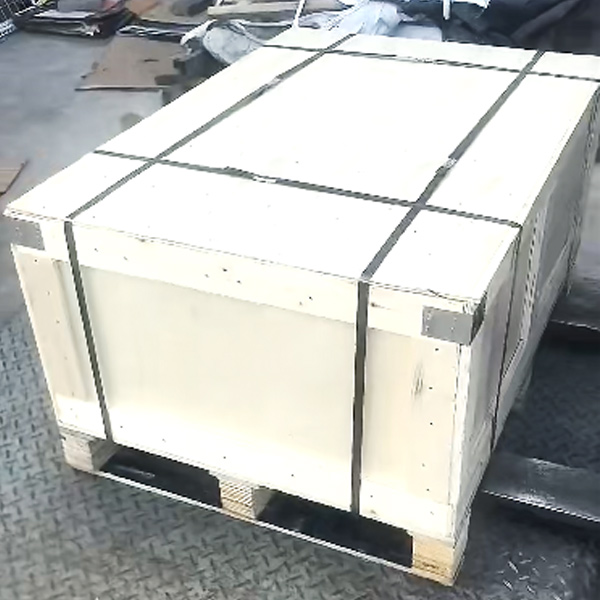
Final packaging is customized to protect the threads and surfaces during transit. Wooden crates with moisture barriers are standard for international shipments. Each package is labeled with heat numbers and part descriptions to facilitate easy identification upon arrival at the job site. Documentation is provided in both digital and physical formats.
Quality Control Checkpoints
- Raw Material Verification: Spectrometric analysis of incoming steel bars.
- In-Process Inspection: Dimensional checks after heading and threading.
- Heat Treatment Audit: Continuous monitoring of furnace temperature curves.
- Mechanical Testing: Tensile, yield, impact, and hardness tests on representative samples.
- Final Visual Exam: 100% visual inspection for surface defects before coating.
Frequently Asked Questions (FAQ)
What is the difference between ASTM A320 L7 and L43 casing bolts?
ASTM A320 L7 is a chromium-molybdenum alloy steel quenched and tempered for low-temperature service, offering a minimum tensile strength of 125 ksi. L43 is a higher strength variant with a minimum tensile strength of 150 ksi, achieved through modified chemistry and heat treatment. L43 is typically selected for high-pressure wellhead applications where additional load capacity is required, while L7 is the standard for general low-temperature environments.
How do you ensure compliance with NACE MR0175 for sour service?
Compliance is achieved by严格控制 the hardness of the material, typically keeping it below 22 HRC for carbon and low-alloy steels. We utilize specific tempering cycles to relieve internal stresses and refine the microstructure. Every batch intended for sour service undergoes mandatory hardness testing and, if requested, full-scale SSC testing in an accredited laboratory to certify fitness for H2S environments.
Can you provide custom lengths and non-standard thread pitches?
Yes, our manufacturing facility is equipped to produce casing bolts in custom lengths ranging from short studs to several meters. We can accommodate non-standard thread pitches and special head configurations based on engineering drawings. Custom orders usually require a slightly longer lead time to account for tooling setup and prototype approval, but we maintain flexibility to meet urgent project needs.
What certifications accompany the shipment?
Every shipment includes a full set of Mill Test Reports (MTRs) EN 10204 3.1 certified, which trace the chemical and mechanical properties of the bolts back to the specific heat number. Additional documentation may include certificates of conformance, NACE compliance statements, and third-party inspection reports depending on the purchase order requirements. Digital copies are available immediately upon request.
What is the typical lead time for a standard order?
For standard material grades like ASTM A320 L7 in common sizes, our lead time is typically 4 to 6 weeks from order confirmation. Exotic alloys or large diameter bolts may require 8 to 12 weeks due to raw material procurement and extended heat treatment cycles. We offer expedited production slots for critical emergencies, subject to capacity availability.
Expert Insights on Maintaining Bolt Integrity
Proper installation is just as critical as the quality of the bolt itself. Even the highest grade fastener can fail if not torqued correctly. We recommend using calibrated torque wrenches and following a star-pattern tightening sequence to ensure even gasket compression. Lubrication of threads is essential to achieve accurate preload and prevent galling, especially with stainless steel and nickel alloys.
Regular maintenance schedules should include periodic re-torquing checks, particularly after the first few thermal cycles of operation. Creep and relaxation can occur over time, leading to a loss of clamp force. Implementing a bolt management program that tracks installation dates, torque values, and inspection history helps predict maintenance needs before leaks develop.
Storage conditions prior to installation also play a role in longevity. Bolts should be kept in dry, covered areas to prevent rust formation on threads. If surface corrosion occurs, it can act as a stress riser and initiate cracks under load. Proper handling practices, such as avoiding dropping or striking the bolts, preserve their mechanical integrity.
Why Choose Our Factory for Your 2026 Projects
Our commitment to excellence extends beyond mere manufacturing; we partner with our clients to solve complex fastening challenges. With over 15 years of specialized experience in the energy sector, we understand the nuances of downhole dynamics and surface equipment requirements. Our engineering team works collaboratively with purchasers to optimize designs for cost and performance.
We invest heavily in research and development to stay ahead of industry trends. Our 2026 product lineup reflects the latest advancements in metallurgy and coating technologies. By controlling the entire production chain from raw material selection to final dispatch, we guarantee consistent quality and rapid response to market changes.
Transparency is the cornerstone of our business model. We provide clear, itemized pricing without hidden fees and maintain open lines of communication throughout the project lifecycle. Our track record of on-time delivery and zero-defect performance has made us a trusted supplier for major EPC contractors and operators worldwide.
Conclusion and Next Steps
Selecting the right casing bolt manufacturer is a strategic decision that impacts the safety, efficiency, and profitability of your industrial operations. Our 2026 industrial price list offers competitive value without compromising on the rigorous standards demanded by the modern energy sector. From standard alloy steels to exotic superalloys, we deliver precision-engineered solutions tailored to your specific application needs.
This guide serves as a foundation for understanding the technical and commercial aspects of casing bolts. Whether you are upgrading existing infrastructure or launching a new exploration project, our team is ready to provide the expertise and products necessary for success. We invite you to leverage our experience to optimize your supply chain and enhance operational reliability.
For enterprises seeking reliable partners for high-specification fasteners, our facility offers the ideal blend of technical capability and commercial flexibility. We are prepared to support projects of any scale, ensuring that every bolt meets the highest expectations of performance and durability.
To receive a customized quotation based on your specific project requirements or to request sample MTRs, please contact our sales engineering team today. Let us help you secure your operations with the best casing bolts available in the 2026 market.
Tanpri kite nou yon mesaj



Privacy Policy
Our Commitment to Privacy
Introduction.
Rainbow Inc. recognizes the importance of protecting the privacy of all personal information provided by its customers, including users of www.rainbow-inkjet.com and other Rainbow Inc. affiliated websites (collectively "Rainbow Inc. Sites"). We created the following policy guidelines with a fundamental respect for our customers´ right to privacy and because we value our relationships with our customers. Your visit to the Rainbow Inc. Sites is subject to this Privacy Statement and our Online Terms and Conditions.
Description.
This Privacy Statement describes the types of information we collect and how we may use that information. Our Privacy Statement also describes the measures we take to protect the security of this information as well as how you may reach us to update your contact information.
Data Collection
Personal Data Collected Directly From Visitors.
Rainbow Inc. collects personal information when: you submit questions or comments to us; you request information or materials; you request warranty or post-warranty service and support; you participate in surveys; and by other means that may be specifically provided for on the Rainbow Inc. Sites or in our correspondence with you.
Type of Personal Data.
The type of information collected directly from the user may include your name, your company's name, physical contact information, address, billing and delivery information, e-mail address, the products you use, demographic information such as your age, preferences, and interests and information relating to the sale or installation of your product.
Non-Personal Data Collected Automatically.
We may collect information about your interaction with Rainbow Inc. Sites and services. For example, we may use website analytics tools on our site to retrieve information from your browser, including the site you came from, the search engine(s) and the keywords you used to find our site, and the pages you view within our site. Additionally, we collect certain standard information that your browser sends to every website you visit, such as your IP address, browser type, capabilities and language, your operating system, access times and referring Web site addresses.
Storage and Processing.
Personal data collected on our websites may be stored and processed in the United States in which Rainbow Inc. or its affiliates, joint ventures, or third party servicers maintain facilities.
How We Use the Data
Services and transactions.
We use your personal data to deliver services or execute transactions you request, such as providing information about Rainbow Inc. products and services, processing orders, answering customer service requests, facilitating use of our Web sites, enabling online shopping, and so forth. In order to offer you a more consistent experience in interacting with Rainbow Inc., information collected by our websites may be combined with information we collect by other means.
Product Development.
We use the personal and non-personal data for product development, including for such processes as idea generation, product design and improvements, detail engineering, market research and marketing analysis.
Website Improvement.
We may use the personal and non-personal data to improve our websites (including our security measures) and related products or services, or to make our websites easier to use by eliminating the need for you to repeatedly enter the same information or by customizing our websites to your particular preference or interests.
Marketing Communications.
We may use your personal data to inform you of products or services available from Rainbow Inc. When collecting information that might be used to contact you about our products and services, we often give you the opportunity to opt-out from receiving such communications. Moreover, in our email communications with you we may include an unsubscribe link allowing you to stop delivery of that type of communication. If you elect to unsubscribe, we will remove you from the relevant list within 15 business days.
Commitment to Data Security
Security.
Rainbow Inc. Corporation uses reasonable precautions to keep the personal information disclosed to us secure. To prevent unauthorized access, maintain data accuracy, and ensure the correct use of information, we have put in place appropriate physical, electronic, and managerial procedures to safeguard and secure your personal information. For example, we store sensitive personal data on computer systems with limited access that are located in facilities to which access is limited. When you move around a site to which you have logged in, or from one site to another that uses the same login mechanism, we verify your identity by means of an encrypted cookie placed on your machine. Nonetheless, Rainbow Inc. Corporation does not guarantee the security, accuracy or completeness of any such information or procedures.
Internet.
The transmission of information via the internet is not completely secure. Although we do our best to protect your personal information, we cannot guarantee the security of your personal information transmitted to our Website. Any transmission of personal information is at your own risk. We are not responsible for circumvention of any privacy settings or security measures contained on the Rainbow Inc. Sites.
Kontakte nou
If you have questions regarding this privacy statement, our handling of your personal data, or your privacy rights under applicable law, please contact us by mail at the address below.
Rainbow Inc.
Attn: Katherine Tan
Add: No.1658 Husong Road, Shanghai, China.
Statement Updates
Revisions.
Rainbow Inc. reserves the right to modify this privacy statement from time to time. If we decide to change our Privacy Statement, we will post the revised Statement here.
Date.
This Privacy Statement was last amended on September 7, 2022.