
- English
- Chinese
- French
- German
- Portuguese
- Spanish
- Russian
- Japanese
- Korean
- Arabic
- Irish
- Greek
- Turkish
- Italian
- Danish
- Romanian
- Indonesian
- Czech
- Afrikaans
- Swedish
- Polish
- Basque
- Catalan
- Esperanto
- Hindi
- Lao
- Albanian
- Amharic
- Armenian
- Azerbaijani
- Belarusian
- Bengali
- Bosnian
- Bulgarian
- Cebuano
- Chichewa
- Corsican
- Croatian
- Dutch
- Estonian
- Filipino
- Finnish
- Frisian
- Galician
- Georgian
- Gujarati
- Hausa
- Hawaiian
- Hebrew
- Hmong
- Hungarian
- Icelandic
- Igbo
- Javanese
- Kannada
- Kazakh
- Khmer
- Kurdish
- Kyrgyz
- Latin
- Latvian
- Lithuanian
- Luxembou..
- Macedonian
- Malagasy
- Malay
- Malayalam
- Maltese
- Maori
- Marathi
- Mongolian
- Burmese
- Nepali
- Norwegian
- Pashto
- Persian
- Punjabi
- Serbian
- Sesotho
- Sinhala
- Slovak
- Slovenian
- Somali
- Samoan
- Scots Gaelic
- Shona
- Sindhi
- Sundanese
- Swahili
- Tajik
- Tamil
- Telugu
- Thai
- Ukrainian
- Urdu
- Uzbek
- Vietnamese
- Welsh
- Xhosa
- Yiddish
- Yoruba
- Zulu
- Kinyarwanda
- Tatar
- Oriya
- Turkmen
- Uyghur


Best Wholesale Hanging Head Manufacturer for Heavy Duty Hardware Systems
2026-06-01
- Defining the Heavy Duty Hanging Head in Industrial Applications
- Key Technical Specifications for Heavy Duty Systems
- Why Choosing the Best Wholesale Manufacturer Matters
- Comparative Analysis: Standard vs. Heavy Duty Hanging Heads
- Applications Across Industries
- How to Select the Right Manufacturer: A Step-by-Step Guide
- Common Mistakes to Avoid When Procuring Hanging Heads
- Maintenance and Longevity Strategies
- Frequently Asked Questions (FAQ)
- Conclusion: Partnering for Long-Term Success
Finding the best wholesale hanging head manufacturer for heavy duty hardware systems requires a partner capable of delivering precision-engineered components that withstand extreme loads and harsh industrial environments. A top-tier manufacturer combines advanced metallurgy, rigorous quality control (ISO 9001), and custom engineering to produce hanging heads optimized for conveyor systems, assembly lines, and material handling infrastructure. This guide details the technical specifications, selection criteria, and manufacturing standards necessary to identify a supplier that ensures long-term system reliability and operational safety.
Defining the Heavy Duty Hanging Head in Industrial Applications
A heavy duty hanging head is a critical structural component used to suspend loads from overhead conveyor systems, monorails, and gantry frameworks. Unlike standard light-duty hangers, these units are engineered to support significant static and dynamic weights, often exceeding several tons depending on the configuration. They serve as the primary interface between the moving load and the stationary or moving track system.
In modern manufacturing and logistics, the integrity of the hanging head directly impacts system uptime and safety. These components must resist fatigue, corrosion, and mechanical deformation over thousands of operational cycles. The best wholesale hanging head manufacturer for heavy duty hardware systems understands that these are not commodity items but engineered solutions tailored to specific load paths and environmental stressors.
Industrial applications range from automotive assembly lines, where car bodies are suspended during painting and welding, to warehouse distribution centers managing palletized goods. In each scenario, the hanging head must maintain precise alignment to prevent binding, excessive wear on the track, or catastrophic failure. Understanding the fundamental mechanics of these components is the first step in selecting a reliable wholesale partner.
Core Functions and Mechanical Roles
The primary function of a heavy duty hanging head is load transfer. It converts the gravitational force of the suspended object into a distributed load across the trolley wheels or fixed mounting points. Key mechanical roles include:
- Load Distribution: Ensuring weight is evenly shared across multiple contact points to prevent localized stress concentrations.
- Pivot and Rotation: Allowing the load to rotate or swing slightly without transferring torque to the main track, which is crucial for curved sections of a conveyor.
- Vibration Dampening: Absorbing shocks from start-stop cycles or uneven floor conditions to protect both the load and the track structure.
- Safety Locking: Incorporating secondary retention mechanisms to prevent accidental disengagement in high-vibration environments.
Manufacturers specializing in heavy duty systems design these functions into the core geometry of the part, rather than adding them as afterthoughts. This engineering-first approach distinguishes premium suppliers from generic fabricators.
Key Technical Specifications for Heavy Duty Systems
When evaluating a wholesale manufacturer, technical specifications provide the objective data needed to assess capability. Heavy duty hardware systems operate under strict physical constraints, and the hanging heads must meet or exceed industry standards for strength, durability, and tolerance.
Top manufacturers provide detailed datasheets that go beyond simple weight ratings. They offer insights into material composition, heat treatment processes, and testing protocols. Buyers should look for transparency in these areas, as vague specifications often indicate a lack of engineering rigor.
Material Composition and Metallurgy
The choice of material is the foundation of performance. For heavy duty applications, carbon steel alloys are common, but high-strength low-alloy (HSLA) steels are increasingly preferred for their superior strength-to-weight ratio. Some specialized environments require stainless steel or galvanized finishes to resist chemical corrosion.
- Carbon Steel (e.g., Q235, Q345): Offers excellent tensile strength and cost-effectiveness for general indoor industrial use.
- Alloy Steel (e.g., 4140, 4340): Used for high-stress components like pins and axles, offering enhanced toughness and fatigue resistance.
- Stainless Steel (e.g., 304, 316): Essential for food processing, pharmaceutical, or marine environments where hygiene and corrosion resistance are paramount.
A reputable manufacturer will specify the exact grade of steel used and provide mill certificates upon request. This traceability is a hallmark of EEAT (Expertise, Authoritativeness, Trustworthiness) in the B2B hardware sector.
Load Ratings and Safety Factors
Understanding load ratings is critical for system safety. Manufacturers typically provide two key metrics: Working Load Limit (WLL) and Ultimate Breaking Strength (UBS). The WLL is the maximum weight the hanging head is designed to carry during normal operation. The UBS is the point at which the component fails.
Industry best practices dictate a safety factor of at least 3:1 or 4:1 for heavy duty lifting and suspension equipment. This means if a hanging head has a WLL of 1,000 kg, its ultimate breaking strength should be no less than 3,000 to 4,000 kg. Wholesale partners should clearly communicate these ratios and adhere to international standards such as ASME B30 or EN 13157.
Overlooking safety factors can lead to premature fatigue failures, especially in systems with frequent start-stop cycles or dynamic loading conditions. A professional manufacturer will never recommend operating near the ultimate limit and will instead guide clients toward conservative, safe design parameters.
Tolerance and Precision Engineering
In automated conveyor systems, dimensional tolerance is as important as raw strength. If the wheel spacing or mounting hole alignment deviates even slightly from the track specification, it can cause binding, increased friction, and accelerated wear. High-precision CNC machining ensures that every hanging head fits perfectly within the system architecture.
Key tolerance areas include:
- Wheel Base Width: Must match the track flange width exactly to ensure stable rolling.
- Bore Diameter: Critical for pivot pins; too loose causes wobble, too tight prevents assembly.
- Parallelism: The mounting plates must be perfectly parallel to distribute load evenly.
Advanced manufacturers utilize Coordinate Measuring Machines (CMM) to verify these tolerances on every production batch, ensuring consistency across large wholesale orders.
Why Choosing the Best Wholesale Manufacturer Matters
Selecting the right wholesale partner is a strategic decision that affects the entire lifecycle of a hardware system. The “best” manufacturer is not necessarily the cheapest, but the one that offers the optimal balance of quality, reliability, technical support, and scalability. In the realm of heavy duty hardware, cutting corners on component quality can lead to costly downtime, safety liabilities, and reputational damage.
Consistency in Mass Production
One of the biggest challenges in wholesale procurement is maintaining quality consistency across large volumes. A prototype might be perfect, but can the factory reproduce that quality for 10,000 units? Top-tier manufacturers implement Statistical Process Control (SPC) to monitor production variables in real-time.
This approach detects deviations before they result in defective parts. For example, if a forging die begins to wear, SPC data will show a trend in dimensional drift, prompting immediate maintenance. This proactive quality assurance ensures that the thousandth unit performs identically to the first, a critical requirement for system integrators and OEMs.
Customization and Engineering Support
Off-the-shelf solutions do not always fit unique application requirements. Complex conveyor layouts, unusual load shapes, or extreme environmental conditions often demand custom-designed hanging heads. The best wholesale manufacturers act as engineering partners, offering R&D support to develop bespoke solutions.
This collaboration might involve:
- Modifying the hook geometry to accommodate specific lifting points.
- Integrating sensors for smart monitoring of load status.
- Designing specialized coatings for high-temperature or corrosive zones.
A manufacturer’s willingness and ability to engage in this level of technical dialogue is a strong indicator of their expertise and commitment to client success.
Supply Chain Reliability and Lead Times
In global trade, supply chain disruptions can halt production lines. A reliable wholesale manufacturer maintains robust inventory management and diversified raw material sourcing. They provide realistic lead times and communicate proactively about any potential delays.
Furthermore, they often offer value-added services such as kitting, pre-assembly, or just-in-time delivery to streamline the customer’s receiving and installation processes. This logistical efficiency reduces the total cost of ownership, even if the unit price is slightly higher than a less organized competitor.
Comparative Analysis: Standard vs. Heavy Duty Hanging Heads
To make an informed purchasing decision, it is essential to understand the distinctions between standard light-duty hangers and true heavy duty systems. The table below highlights the key differences in construction, performance, and application suitability.
| Feature | Standard Light-Duty Hanger | Heavy Duty Hanging Head |
|---|---|---|
| Primary Material | Mild Steel, Cast Iron, or Aluminum | High-Strength Alloy Steel, Forged Steel |
| Manufacturing Process | Stamping, Basic Casting | Precision Forging, CNC Machining, Heat Treatment |
| Load Capacity | Up to 500 kg typically | 500 kg to 10+ tons, customizable |
| Safety Factor | 2:1 to 3:1 | 4:1 to 5:1 (Strict adherence to ASME/EN) |
| Bearing System | Bushings or Simple Ball Bearings | Tapered Roller Bearings, Sealed Precision Bearings |
| Application Environment | Indoor, Controlled, Low Frequency | Harsh, Outdoor, High Cycle, High Vibration |
| Lifespan Expectancy | 3-5 Years | 10-20+ Years with proper maintenance |
| Cost Structure | Low Initial Cost, Higher Replacement Frequency | Higher Initial Investment, Lower Total Cost of Ownership |
This comparison illustrates that while standard hangers suffice for light tasks, heavy duty systems require a fundamentally different engineering approach. Investing in the correct category prevents premature failure and ensures operational continuity.
Applications Across Industries
The versatility of heavy duty hanging heads allows them to serve a wide array of industries. Each sector imposes unique demands, requiring the manufacturer to adapt designs accordingly. Understanding these applications helps buyers specify the right features for their needs.
Automotive Manufacturing
In automotive plants, hanging heads support vehicle chassis and bodies through paint shops, assembly stations, and inspection areas. These systems operate continuously, often in high-temperature curing ovens. The hanging heads must withstand thermal cycling without losing structural integrity or lubrication effectiveness. Specialized high-temp bearings and heat-resistant coatings are standard requirements here.
Warehousing and Logistics
Distribution centers utilize overhead conveyors to move heavy pallets and bulk items efficiently. Speed and reliability are crucial in this fast-paced environment. Hanging heads here are designed for smooth, low-friction movement to minimize energy consumption of the drive motors. Durability against impact loads from shifting cargo is also a key consideration.
Steel and Metal Processing
Foundries and steel mills present some of the harshest conditions, involving extreme heat, dust, and heavy molten metal loads. Hanging heads in these facilities are often custom-forged from premium alloys and feature redundant safety locks. Resistance to oxidation and scale buildup is vital to prevent jamming.
Aerospace and Defense
Handling large aircraft components or missile systems requires absolute precision and zero tolerance for error. Hanging heads in this sector undergo rigorous non-destructive testing (NDT) such as ultrasonic or magnetic particle inspection to ensure there are no internal flaws. Traceability of every component back to the raw material batch is mandatory.
How to Select the Right Manufacturer: A Step-by-Step Guide
Navigating the market to find the best wholesale hanging head manufacturer for heavy duty hardware systems involves a structured evaluation process. Following these steps ensures that you partner with a supplier capable of meeting your technical and commercial requirements.
Step 1: Define Your Technical Requirements
Before contacting suppliers, compile a detailed specification sheet. Include maximum load weight, dimensions of the load, operating temperature range, environmental conditions (dust, moisture, chemicals), and required travel speed. Clearly defining these parameters filters out manufacturers who cannot meet your specific needs.
Step 2: Verify Certifications and Compliance
Request copies of relevant certifications. ISO 9001 is the baseline for quality management. Depending on your region and industry, you may also require CE marking, OSHA compliance documentation, or specific lifting equipment directives. A legitimate manufacturer will have these readily available and up to date.
Step 3: Assess Manufacturing Capabilities
If possible, conduct a factory audit or request a virtual tour. Look for evidence of in-house forging, machining, and heat treatment capabilities. Manufacturers that outsource all core processes may struggle with quality control and lead times. Check for the presence of modern CNC machines, robotic welding cells, and testing laboratories.
Step 4: Evaluate Engineering Support
Engage with their technical team. Ask specific questions about your application. Do they offer thoughtful suggestions? Can they explain the trade-offs between different materials or designs? Their responsiveness and depth of knowledge are strong indicators of their ability to support you post-purchase.
Step 5: Review References and Case Studies
Ask for examples of similar projects they have completed. Contact previous clients if possible to inquire about product performance and after-sales service. Real-world feedback provides invaluable insight into what it is actually like to work with the manufacturer.
Common Mistakes to Avoid When Procuring Hanging Heads
Even experienced procurement professionals can make errors when sourcing heavy duty hardware. Being aware of these pitfalls can save time, money, and potential safety hazards.
- Ignoring Dynamic Loads: Many buyers calculate based on static weight only. However, acceleration, deceleration, and swinging create dynamic forces that can double or triple the effective load. Always factor in dynamic coefficients.
- Overlooking Maintenance Access: Designing a system without considering how the hanging heads will be lubricated or inspected leads to neglected maintenance and early failure. Choose designs that facilitate easy servicing.
- Prioritizing Price Over Quality: The cheapest option often uses inferior materials or skips critical heat treatment steps. This false economy results in higher replacement costs and downtime in the long run.
- Mismatched Track Compatibility: Assuming all tracks are standard can lead to compatibility issues. Ensure the hanging head wheel profile matches the specific track manufacturer’s specifications exactly.
- Neglecting Corrosion Protection: Even in indoor environments, humidity and industrial pollutants can cause rust. Specify appropriate surface treatments like galvanizing or powder coating based on the actual environment.
Maintenance and Longevity Strategies
To maximize the return on investment from heavy duty hanging heads, a proactive maintenance regimen is essential. Proper care extends the service life of the components and maintains system safety.
Routine Inspection Protocols
Implement a schedule for visual and functional inspections. Look for signs of wear on the wheels, cracks in the body, or deformation of the hook. Check for loose fasteners and ensure safety latches are functioning correctly. Any sign of abnormal noise during operation should be investigated immediately.
Lubrication Best Practices
Bearings and pivot points require regular lubrication to reduce friction and prevent wear. Use the grease type recommended by the manufacturer, as incompatible lubricants can degrade seals or wash out existing grease. In high-temperature applications, use synthetic high-heat greases.
Replacement Criteria
Establish clear criteria for replacing hanging heads. Do not wait for a component to break. If wear exceeds the manufacturer’s specified limits, or if there is any suspicion of structural compromise, replace the unit immediately. Keeping a stock of spare parts minimizes downtime during replacements.
Frequently Asked Questions (FAQ)
What is the typical lead time for wholesale orders of heavy duty hanging heads?
Lead times vary based on order volume and customization levels. Standard models may ship within 2-4 weeks, while custom-engineered solutions typically require 6-10 weeks for production and testing. Reputable manufacturers provide a detailed timeline upon quotation.
Can hanging heads be customized for non-standard track profiles?
Yes, leading manufacturers offer custom machining services to adapt hanging heads to proprietary or non-standard track systems. This involves modifying the wheel tread profile and axle spacing to ensure a perfect fit.
What certifications should I look for in a hanging head manufacturer?
At a minimum, look for ISO 9001 certification for quality management. Depending on your location and industry, CE marking (Europe), OSHA compliance (USA), or specific lifting equipment directives may be required. Material test reports (MTRs) are also essential for verifying steel grades.
How do I determine the correct safety factor for my application?
The safety factor depends on the nature of the load and the consequences of failure. General industrial applications typically use a 4:1 ratio. For personnel lifting or critical infrastructure, a 5:1 or higher ratio is often mandated by local regulations. Consult with the manufacturer’s engineering team for specific advice.
Are stainless steel hanging heads worth the extra cost?
In corrosive environments such as food processing, chemical plants, or outdoor marine settings, stainless steel is absolutely worth the investment. It prevents rust-induced failure and meets hygiene standards, reducing long-term maintenance and replacement costs significantly.
Do you offer testing reports for batch production?
Professional manufacturers provide batch testing reports, including load tests and dimensional checks. For critical applications, third-party inspection reports from agencies like SGS or TUV can also be arranged.
Conclusion: Partnering for Long-Term Success
Selecting the best wholesale hanging head manufacturer for heavy duty hardware systems is a decision that impacts the safety, efficiency, and profitability of your operations. It requires a partner who combines engineering excellence with manufacturing reliability. By prioritizing technical specifications, verifying certifications, and valuing long-term durability over short-term savings, you secure a supply chain foundation that supports your growth.
The ideal manufacturer acts as an extension of your own engineering team, offering insights that optimize your system design and reduce total cost of ownership. Whether you are upgrading an existing line or building a new facility, the quality of your hanging heads sets the tone for overall system performance.
Ready to Upgrade Your Hardware Systems?
If you are looking for a trusted partner to supply high-performance heavy duty hanging heads, our team is ready to assist. We specialize in custom engineering, bulk wholesale supply, and comprehensive technical support tailored to your specific industrial needs.
Contact us today to discuss your project requirements, request a detailed quote, or obtain sample specifications. Let us help you build a safer, more efficient material handling system.
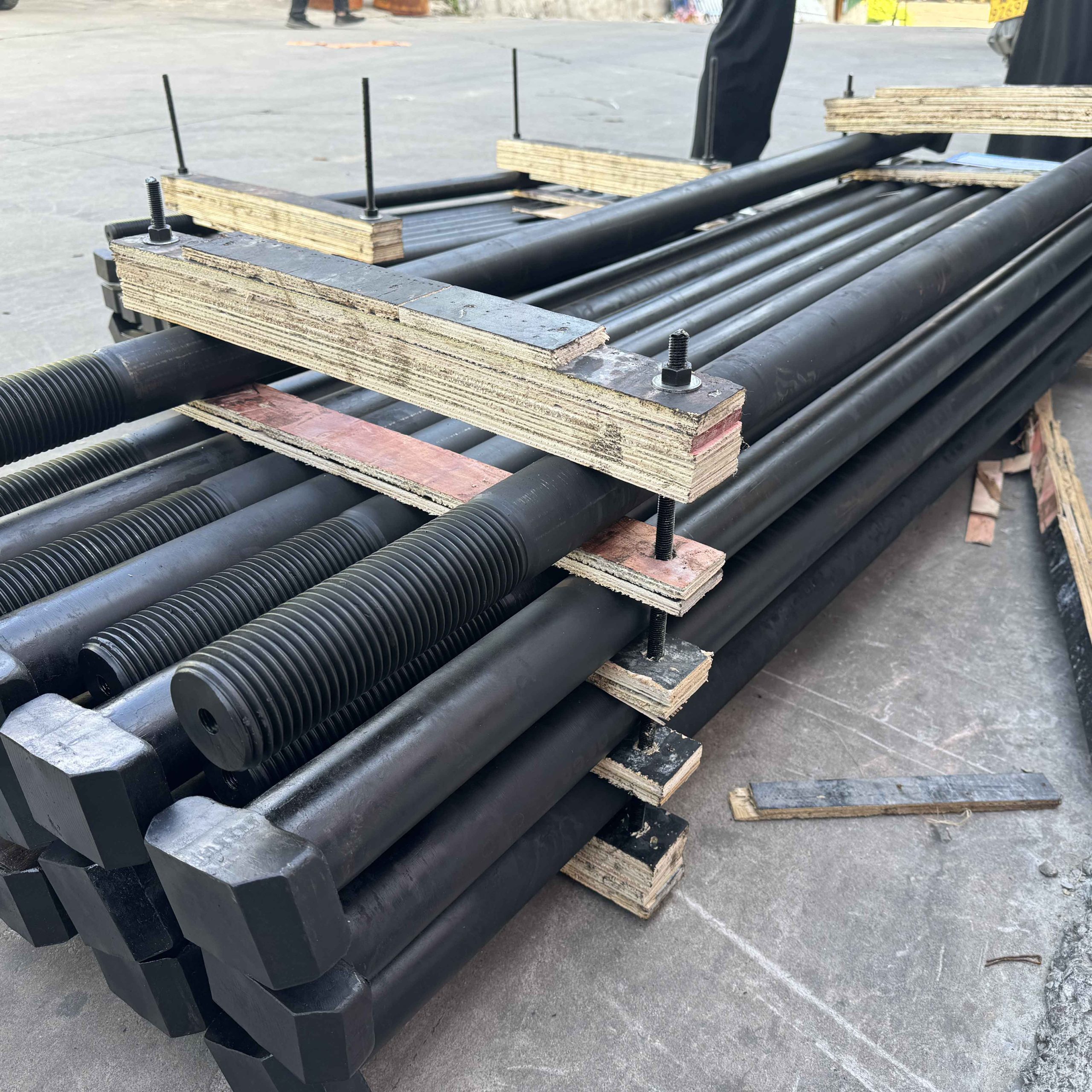
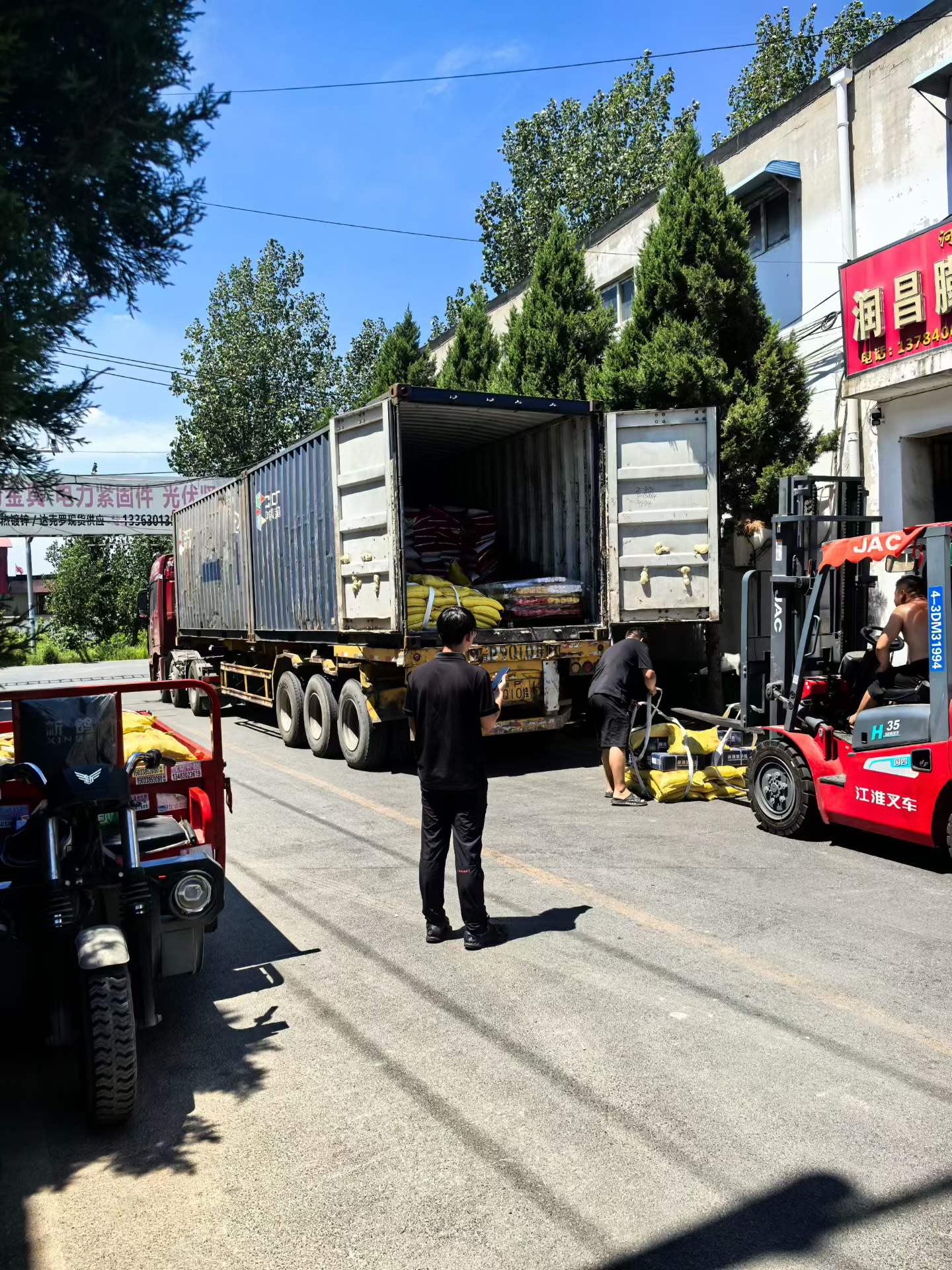
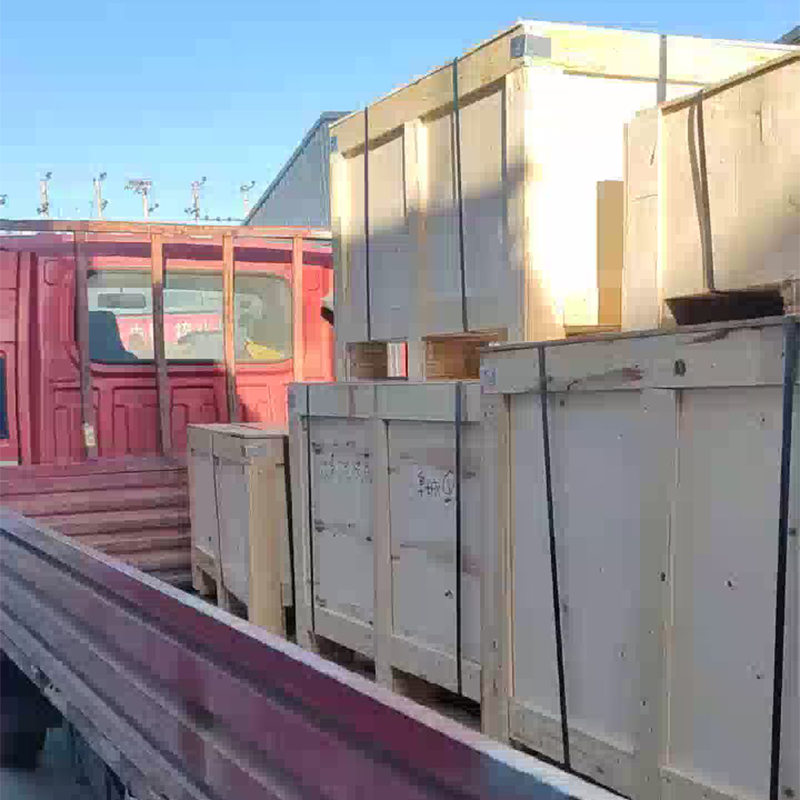
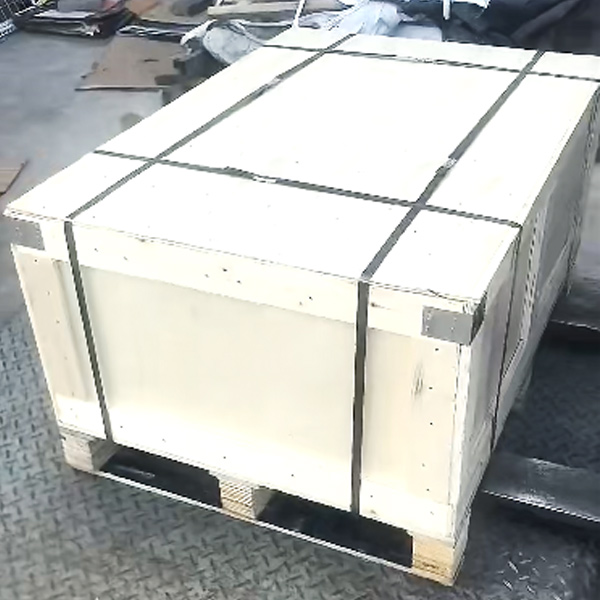
Explore Our Heavy Duty Hanging Head Solutions & Technical Catalog

Tanpri kite nou yon mesaj



Privacy Policy
Our Commitment to Privacy
Introduction.
Rainbow Inc. recognizes the importance of protecting the privacy of all personal information provided by its customers, including users of www.rainbow-inkjet.com and other Rainbow Inc. affiliated websites (collectively "Rainbow Inc. Sites"). We created the following policy guidelines with a fundamental respect for our customers´ right to privacy and because we value our relationships with our customers. Your visit to the Rainbow Inc. Sites is subject to this Privacy Statement and our Online Terms and Conditions.
Description.
This Privacy Statement describes the types of information we collect and how we may use that information. Our Privacy Statement also describes the measures we take to protect the security of this information as well as how you may reach us to update your contact information.
Data Collection
Personal Data Collected Directly From Visitors.
Rainbow Inc. collects personal information when: you submit questions or comments to us; you request information or materials; you request warranty or post-warranty service and support; you participate in surveys; and by other means that may be specifically provided for on the Rainbow Inc. Sites or in our correspondence with you.
Type of Personal Data.
The type of information collected directly from the user may include your name, your company's name, physical contact information, address, billing and delivery information, e-mail address, the products you use, demographic information such as your age, preferences, and interests and information relating to the sale or installation of your product.
Non-Personal Data Collected Automatically.
We may collect information about your interaction with Rainbow Inc. Sites and services. For example, we may use website analytics tools on our site to retrieve information from your browser, including the site you came from, the search engine(s) and the keywords you used to find our site, and the pages you view within our site. Additionally, we collect certain standard information that your browser sends to every website you visit, such as your IP address, browser type, capabilities and language, your operating system, access times and referring Web site addresses.
Storage and Processing.
Personal data collected on our websites may be stored and processed in the United States in which Rainbow Inc. or its affiliates, joint ventures, or third party servicers maintain facilities.
How We Use the Data
Services and transactions.
We use your personal data to deliver services or execute transactions you request, such as providing information about Rainbow Inc. products and services, processing orders, answering customer service requests, facilitating use of our Web sites, enabling online shopping, and so forth. In order to offer you a more consistent experience in interacting with Rainbow Inc., information collected by our websites may be combined with information we collect by other means.
Product Development.
We use the personal and non-personal data for product development, including for such processes as idea generation, product design and improvements, detail engineering, market research and marketing analysis.
Website Improvement.
We may use the personal and non-personal data to improve our websites (including our security measures) and related products or services, or to make our websites easier to use by eliminating the need for you to repeatedly enter the same information or by customizing our websites to your particular preference or interests.
Marketing Communications.
We may use your personal data to inform you of products or services available from Rainbow Inc. When collecting information that might be used to contact you about our products and services, we often give you the opportunity to opt-out from receiving such communications. Moreover, in our email communications with you we may include an unsubscribe link allowing you to stop delivery of that type of communication. If you elect to unsubscribe, we will remove you from the relevant list within 15 business days.
Commitment to Data Security
Security.
Rainbow Inc. Corporation uses reasonable precautions to keep the personal information disclosed to us secure. To prevent unauthorized access, maintain data accuracy, and ensure the correct use of information, we have put in place appropriate physical, electronic, and managerial procedures to safeguard and secure your personal information. For example, we store sensitive personal data on computer systems with limited access that are located in facilities to which access is limited. When you move around a site to which you have logged in, or from one site to another that uses the same login mechanism, we verify your identity by means of an encrypted cookie placed on your machine. Nonetheless, Rainbow Inc. Corporation does not guarantee the security, accuracy or completeness of any such information or procedures.
Internet.
The transmission of information via the internet is not completely secure. Although we do our best to protect your personal information, we cannot guarantee the security of your personal information transmitted to our Website. Any transmission of personal information is at your own risk. We are not responsible for circumvention of any privacy settings or security measures contained on the Rainbow Inc. Sites.
Kontakte nou
If you have questions regarding this privacy statement, our handling of your personal data, or your privacy rights under applicable law, please contact us by mail at the address below.
Rainbow Inc.
Attn: Katherine Tan
Add: No.1658 Husong Road, Shanghai, China.
Statement Updates
Revisions.
Rainbow Inc. reserves the right to modify this privacy statement from time to time. If we decide to change our Privacy Statement, we will post the revised Statement here.
Date.
This Privacy Statement was last amended on September 7, 2022.