
- English
- Chinese
- French
- German
- Portuguese
- Spanish
- Russian
- Japanese
- Korean
- Arabic
- Irish
- Greek
- Turkish
- Italian
- Danish
- Romanian
- Indonesian
- Czech
- Afrikaans
- Swedish
- Polish
- Basque
- Catalan
- Esperanto
- Hindi
- Lao
- Albanian
- Amharic
- Armenian
- Azerbaijani
- Belarusian
- Bengali
- Bosnian
- Bulgarian
- Cebuano
- Chichewa
- Corsican
- Croatian
- Dutch
- Estonian
- Filipino
- Finnish
- Frisian
- Galician
- Georgian
- Gujarati
- Hausa
- Hawaiian
- Hebrew
- Hmong
- Hungarian
- Icelandic
- Igbo
- Javanese
- Kannada
- Kazakh
- Khmer
- Kurdish
- Kyrgyz
- Latin
- Latvian
- Lithuanian
- Luxembou..
- Macedonian
- Malagasy
- Malay
- Malayalam
- Maltese
- Maori
- Marathi
- Mongolian
- Burmese
- Nepali
- Norwegian
- Pashto
- Persian
- Punjabi
- Serbian
- Sesotho
- Sinhala
- Slovak
- Slovenian
- Somali
- Samoan
- Scots Gaelic
- Shona
- Sindhi
- Sundanese
- Swahili
- Tajik
- Tamil
- Telugu
- Thai
- Ukrainian
- Urdu
- Uzbek
- Vietnamese
- Welsh
- Xhosa
- Yiddish
- Yoruba
- Zulu
- Kinyarwanda
- Tatar
- Oriya
- Turkmen
- Uyghur


China Inserted Nut Factory: Ultimate Guide for Injection Molding Applications
2026-06-22
- Understanding the Role of a China Inserted Nut Factory in Modern Manufacturing
- Types of Inserted Nuts for Injection Molding Applications
- Material Selection: Matching Metal to Plastic
- Technical Design Parameters for Optimal Performance
- Comparison of Installation Methods and Performance Metrics
- Quality Control Standards in Chinese Manufacturing
- Common Challenges and Troubleshooting in Insert Molding
- How to Select the Right China Inserted Nut Factory
- Frequently Asked Questions (FAQ)
- Conclusion: Optimizing Your Supply Chain with Expert Partners
A China Inserted Nut Factory specializing in injection molding applications provides precision-engineered threaded inserts designed to be molded directly into plastic components. These factories utilize advanced automation to place brass, stainless steel, or aluminum nuts into molds before resin injection, creating permanent, high-strength threads capable of withstanding repeated assembly and disassembly. This guide details the manufacturing processes, material selection, design standards, and quality control measures essential for sourcing reliable inserted nuts from Chinese manufacturers for industrial, automotive, and consumer electronics applications.
Understanding the Role of a China Inserted Nut Factory in Modern Manufacturing
The global supply chain for plastic assembly relies heavily on specialized component suppliers. A dedicated inserted nut factory in China serves as a critical link between raw metal processing and final plastic part assembly. Unlike general hardware distributors, these facilities focus exclusively on the geometry, knurling patterns, and thermal properties required for successful integration during the injection molding cycle.
Manufacturing inserted nuts is not merely a machining operation; it is a synergy of metallurgy and polymer science. The factory must understand how different thermoplastics—such as ABS, Polycarbonate, Nylon, or PEEK—shrink and cool around the metal insert. Improper design leads to part failure, including boss cracking or thread stripping. Therefore, top-tier factories in China operate with engineering teams that collaborate directly with molders to optimize insert designs before production begins.
The strategic advantage of sourcing from these specialized facilities lies in their ability to scale. They manage high-volume production runs while maintaining tight tolerances on thread fit and concentricity. This capability supports industries ranging from medical devices, where biocompatibility and sterilization resistance are paramount, to heavy-duty automotive under-hood components requiring heat resistance.
Core Capabilities of Specialized Insert Manufacturers
To qualify as a reliable partner for injection molding applications, a factory must demonstrate specific technical competencies beyond simple metal stamping or turning.
- Precision Machining: Utilizing CNC lathes and multi-stage cold heading to achieve micron-level accuracy on thread profiles (ISO, UNC, UNF, Metric).
- Surface Engineering: Applying specific knurling patterns (diamond, straight, helical) that maximize pull-out and torque-out resistance without overstressing the plastic boss.
- Material Traceability: Maintaining strict records of alloy composition (e.g., CW614N Brass, 303/316 Stainless Steel) to ensure consistency across batches.
- Automated Sorting: Employing optical sorting machines to detect micro-cracks, burrs, or plating defects that could compromise the molding process.
Types of Inserted Nuts for Injection Molding Applications
Selecting the correct insert type is the first step in ensuring product longevity. A professional China Inserted Nut Factory typically categorizes its inventory based on the installation method and the structural requirements of the final assembly.
Molded-In Inserts
These are the most common type produced by specialized factories. The insert is placed into the mold cavity manually or via robotics before the mold closes. Molten plastic flows around the external features of the nut, locking it in place upon cooling.
Key Design Features:
- Undercuts and Grooves: External ridges provide mechanical interlocking with the plastic.
- Sealing Ribs: Prevent resin from leaking into the internal threads during injection.
- Pilot Tips: Facilitate easy placement into mold pins and ensure alignment.
This method offers the highest pull-out strength and is ideal for applications where the assembled product will undergo significant stress or thermal cycling.
Self-Tapping and Heat-Set Inserts
While molded-in inserts are placed during the initial molding phase, some projects require post-molding installation. Factories often produce these variants alongside standard molded-in types.
- Heat-Set Inserts: Installed using a heated tool that melts the surrounding plastic, allowing the insert to sink into place. Ideal for retrofitting or low-volume production.
- Ultrasonic Inserts: Driven into pre-formed holes using ultrasonic vibration, which fluidizes the plastic locally. This creates a strong bond with minimal residual stress.
- Self-Tapping Inserts: Feature aggressive external threads that cut into the plastic boss as they are screwed in. Best for softer plastics but offer lower torque resistance compared to molded-in options.
Blind Hole vs. Through-Hole Inserts
The geometry of the insert depends on the part design. Through-hole inserts allow plastic to flow through the center, creating a “pillow” of resin that locks the bottom of the insert, significantly enhancing torque resistance. Blind-hole inserts have a closed bottom and are used when the back of the component must remain sealed or when aesthetic requirements dictate no visible resin breakthrough.
Material Selection: Matching Metal to Plastic
The performance of an inserted nut assembly is dictated by the compatibility between the metal insert and the host plastic. A knowledgeable factory guides clients in selecting the optimal alloy based on environmental exposure, load requirements, and cost constraints.
Brass Alloys (CW614N / C36000)
Brass remains the industry standard for most general-purpose injection molding applications.
- Thermal Conductivity: Excellent heat transfer allows for rapid heating (in heat-set applications) and efficient cooling during molded-in cycles.
- Machinability: Enables high-speed production with smooth thread finishes, reducing friction during screw assembly.
- Corrosion Resistance: Naturally resistant to rust, though often plated for enhanced protection in harsh environments.
Brass is the preferred choice for consumer electronics, appliances, and automotive interior components where extreme tensile strength is not the primary concern.
Stainless Steel (303, 304, 316)
For applications demanding superior strength and corrosion resistance, stainless steel is the definitive solution.
- High Tensile Strength: Withstands higher installation torques and clamp loads without deforming.
- Chemical Inertness: Essential for medical devices, marine equipment, and chemical processing instruments.
- Temperature Stability: Maintains integrity in high-heat environments where brass might soften or expand excessively.
Note that stainless steel has lower thermal conductivity than brass, requiring adjusted parameters for heat-set or ultrasonic installation methods.
Aluminum and Specialty Alloys
In weight-critical applications, such as aerospace or portable drones, aluminum inserts offer a significant mass reduction. However, their lower shear strength limits their use to low-torque assemblies. Some factories also offer nickel-silver or titanium inserts for highly specialized niche markets.
Technical Design Parameters for Optimal Performance
Engineering a successful inserted nut application requires adherence to specific geometric ratios. Deviating from these standards often results in boss failure. Leading factories provide design guidelines to ensure the plastic part is optimized for the insert.
Knurling Patterns and Pull-Out Strength
The external surface texture of the insert is critical for mechanical locking. The two primary patterns are:
- Diamond Knurl: Provides maximum resistance to both pull-out and rotation. It is the most versatile pattern but can induce higher hoop stress in the plastic boss.
- Straight or Helical Knurl: Offers good pull-out strength with reduced radial stress, making it suitable for brittle plastics or thin-walled bosses.
The depth and pitch of the knurl must be calibrated to the specific plastic’s shrinkage rate. Overly aggressive knurling can cause the plastic boss to crack immediately upon cooling.
Wall Thickness and Boss Design
The plastic surrounding the insert, known as the boss, must be thick enough to support the load but not so thick that it causes sink marks or voids.
- Minimum Wall Thickness: Generally recommended to be at least equal to the major diameter of the insert threads.
- Outer Diameter Ratio: The outer diameter of the plastic boss should typically be 2.0 to 2.5 times the outer diameter of the insert for optimal strength.
- Corner Radii: Sharp internal corners in the mold design should be avoided to reduce stress concentration points around the insert.
Thread Engagement and Depth
Standard practice suggests a thread engagement length of 1.5 to 2 times the nominal screw diameter for full strength. Deep-thread inserts are available for applications requiring extended engagement without increasing the overall height of the component.
Comparison of Installation Methods and Performance Metrics
Understanding the trade-offs between different insert types and installation methods is crucial for procurement decisions. The following table contrasts the primary characteristics relevant to injection molding projects.
| Feature | Molded-In Insert | Heat-Set / Ultrasonic | Self-Tapping Insert |
|---|---|---|---|
| Installation Timing | During molding cycle | Post-molding secondary operation | Post-molding secondary operation |
| Pull-Out Strength | Highest (Mechanical + Thermal bond) | High (Thermal bond) | Moderate (Friction/Cutting bond) |
| Torque-Out Resistance | Eselan | Very Good | Bon |
| Cycle Time Impact | Increases mold cycle time slightly | Adds separate assembly step | Adds separate assembly step |
| Cost Efficiency (High Vol) | Most Cost-Effective | Moderate | Lowest for high volume |
| Plastic Stress Induction | Low (if designed correctly) | Low to Moderate | High (cutting action) |
| Ideal Application | Mass production, structural parts | Retrofit, repair, low volume | Soft plastics, non-critical loads |
Quality Control Standards in Chinese Manufacturing
When partnering with a China Inserted Nut Factory, verifying their quality assurance protocols is non-negotiable. High-volume injection molding demands zero-defect components, as a single faulty insert can ruin an entire molded batch.
Dimensional Inspection
Reputable factories employ Coordinate Measuring Machines (CMM) and optical projectors to verify critical dimensions. Key checkpoints include:
- Thread Fit: Ensuring compliance with ISO 965 or ASME B1.1 standards using GO/NO-GO gauges.
- Concentricity: Verifying that the internal thread is perfectly centered relative to the external knurl to prevent wobble during screw insertion.
- Length and Diameter: Strict tolerance checks (typically ±0.05mm) to ensure consistent mold fitment.
Material Certification and Testing
Trustworthy suppliers provide Material Test Reports (MTR) for every batch of raw metal. Additional testing may include:
- Salt Spray Testing: Validating plating thickness and corrosion resistance (e.g., 48-hour or 96-hour neutral salt spray tests).
- Torque Testing: Destructive testing of sample inserts molded into standard plastic blocks to verify pull-out and torque-out values match engineering specifications.
- Microscopy: Inspecting grain structure and surface finish to detect micro-fractures from cold heading or machining.
Process Control and Traceability
Advanced factories implement Statistical Process Control (SPC) to monitor production trends in real-time. This proactive approach identifies tool wear or machine drift before out-of-spec parts are produced. Full traceability ensures that any specific batch of inserts can be traced back to the raw material lot and the specific production shift.
Common Challenges and Troubleshooting in Insert Molding
Even with high-quality inserts, issues can arise during the molding process. Understanding these common pitfalls helps engineers collaborate more effectively with their manufacturing partners.
Resin Leakage into Threads
If molten plastic enters the internal threads, the part becomes unusable. This is often caused by damaged sealing ribs on the insert or excessive injection pressure.
- Solution: Ensure the factory applies robust end-caps or utilizes inserts with integrated sealing features. Verify mold venting is adequate to prevent air trapping which can force resin into gaps.
Boss Cracking
Cracks radiating from the insert indicate excessive hoop stress. This can result from overly aggressive knurling, insufficient boss wall thickness, or mismatched thermal expansion coefficients.
- Solution: Re-evaluate the knurl pattern (switch to straight knurl), increase the boss outer diameter, or switch to a plastic material with higher impact strength.
Insert Rotation or Pull-Out
If the insert spins or pulls out under load, the mechanical bond is insufficient. Causes include contaminated mold surfaces, incorrect melt temperature, or inadequate cooling time.
- Solution: Clean mold cavities regularly, optimize melt temperature to ensure proper flow around knurls, and extend cooling time to allow the plastic to fully crystallize around the insert.
How to Select the Right China Inserted Nut Factory
Navigating the vast landscape of Chinese manufacturers requires a structured evaluation process. The goal is to find a partner who acts as an extension of your engineering team rather than just a commodity vendor.
Evaluation Criteria
- Specialization: Does the factory focus primarily on fasteners and inserts, or are they a general machine shop? Specialists usually offer better pricing and deeper technical knowledge.
- Tooling Capability: Can they manufacture custom dies for unique knurl patterns or non-standard sizes? In-house tooling reduces lead times for custom projects.
- Communication: Effective technical communication is vital. Look for suppliers with engineering staff who speak your language or have dedicated technical sales support.
- Certifications: Verify ISO 9001 certification and industry-specific accreditations (e.g., IATF 16949 for automotive, ISO 13485 for medical).
Requesting Samples and Prototyping
Before committing to mass production, always request samples for trial molding. A confident factory will provide free or low-cost samples for evaluation. Use these samples to test:
- Fitment in your specific mold.
- Resistance to rotation and pull-out in your chosen resin.
- Consistency across a small batch (e.g., 50-100 pieces).
Frequently Asked Questions (FAQ)
What is the typical lead time for custom inserted nuts from China?
For standard catalog items, shipment can often occur within 7–15 days. Custom designs requiring new tooling typically take 3–5 weeks for sample approval, followed by 2–4 weeks for mass production, depending on order volume and factory capacity.
Can a China Inserted Nut Factory produce inserts for high-temperature plastics like PEEK?
Yes, specialized factories routinely manufacture inserts for high-performance thermoplastics. However, the design may require modified knurling depths and tighter tolerances to accommodate the different shrinkage rates and processing temperatures of materials like PEEK or PEI.
What plating options are available for corrosion resistance?
Common plating options include Nickel, Zinc, Tin, and Silver. For extreme environments, passivation (for stainless steel) or specialized polymer coatings can be applied. The choice depends on the specific chemical exposure and electrical conductivity requirements of the application.
How do you ensure the threads are not damaged during shipping?
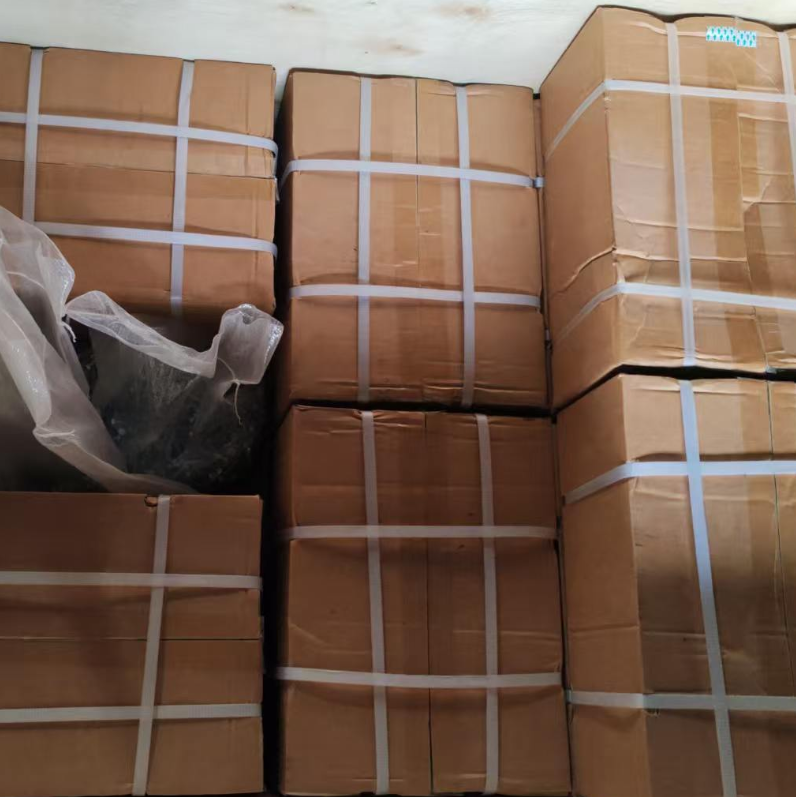
Professional packaging is critical. Inserts are typically bulk-packed in sealed plastic bags with desiccants, then placed in sturdy cartons. For sensitive applications or automated feeding systems, reels, trays, or divided boxes are used to prevent tangling and thread abrasion.
Is it possible to get inserts with pre-applied adhesive patches?
Some advanced factories offer inserts with pre-applied adhesive dots or rings. These adhesives activate during the molding process or upon heating, providing an additional chemical bond to the plastic, further enhancing torque and pull-out resistance.
Conclusion: Optimizing Your Supply Chain with Expert Partners
Integrating high-quality inserted nuts into your injection molding workflow is a strategic decision that impacts product durability, assembly efficiency, and total cost of ownership. Partnering with a specialized China Inserted Nut Factory provides access to advanced manufacturing capabilities, diverse material options, and rigorous quality control systems that are difficult to replicate in-house.
By prioritizing suppliers who demonstrate deep engineering expertise, maintain transparent quality certifications, and offer collaborative design support, businesses can mitigate risks associated with part failure and supply chain disruptions. Whether the requirement is for standard brass inserts for consumer goods or custom stainless steel solutions for medical devices, the right manufacturing partner ensures seamless integration and long-term reliability.
Next Steps for Procurement and Engineering Teams
If your project demands precision threaded inserts tailored to specific molding parameters, it is essential to engage with a supplier who understands the nuances of your application. Evaluate your current design against the technical guidelines provided, identify potential areas for optimization, and initiate a dialogue with a qualified manufacturer.
For detailed technical specifications, custom prototyping services, or to request a comprehensive quote for your upcoming production run, explore our range of engineered solutions.
Tanpri kite nou yon mesaj



Privacy Policy
Our Commitment to Privacy
Introduction.
Rainbow Inc. recognizes the importance of protecting the privacy of all personal information provided by its customers, including users of www.rainbow-inkjet.com and other Rainbow Inc. affiliated websites (collectively "Rainbow Inc. Sites"). We created the following policy guidelines with a fundamental respect for our customers´ right to privacy and because we value our relationships with our customers. Your visit to the Rainbow Inc. Sites is subject to this Privacy Statement and our Online Terms and Conditions.
Description.
This Privacy Statement describes the types of information we collect and how we may use that information. Our Privacy Statement also describes the measures we take to protect the security of this information as well as how you may reach us to update your contact information.
Data Collection
Personal Data Collected Directly From Visitors.
Rainbow Inc. collects personal information when: you submit questions or comments to us; you request information or materials; you request warranty or post-warranty service and support; you participate in surveys; and by other means that may be specifically provided for on the Rainbow Inc. Sites or in our correspondence with you.
Type of Personal Data.
The type of information collected directly from the user may include your name, your company's name, physical contact information, address, billing and delivery information, e-mail address, the products you use, demographic information such as your age, preferences, and interests and information relating to the sale or installation of your product.
Non-Personal Data Collected Automatically.
We may collect information about your interaction with Rainbow Inc. Sites and services. For example, we may use website analytics tools on our site to retrieve information from your browser, including the site you came from, the search engine(s) and the keywords you used to find our site, and the pages you view within our site. Additionally, we collect certain standard information that your browser sends to every website you visit, such as your IP address, browser type, capabilities and language, your operating system, access times and referring Web site addresses.
Storage and Processing.
Personal data collected on our websites may be stored and processed in the United States in which Rainbow Inc. or its affiliates, joint ventures, or third party servicers maintain facilities.
How We Use the Data
Services and transactions.
We use your personal data to deliver services or execute transactions you request, such as providing information about Rainbow Inc. products and services, processing orders, answering customer service requests, facilitating use of our Web sites, enabling online shopping, and so forth. In order to offer you a more consistent experience in interacting with Rainbow Inc., information collected by our websites may be combined with information we collect by other means.
Product Development.
We use the personal and non-personal data for product development, including for such processes as idea generation, product design and improvements, detail engineering, market research and marketing analysis.
Website Improvement.
We may use the personal and non-personal data to improve our websites (including our security measures) and related products or services, or to make our websites easier to use by eliminating the need for you to repeatedly enter the same information or by customizing our websites to your particular preference or interests.
Marketing Communications.
We may use your personal data to inform you of products or services available from Rainbow Inc. When collecting information that might be used to contact you about our products and services, we often give you the opportunity to opt-out from receiving such communications. Moreover, in our email communications with you we may include an unsubscribe link allowing you to stop delivery of that type of communication. If you elect to unsubscribe, we will remove you from the relevant list within 15 business days.
Commitment to Data Security
Security.
Rainbow Inc. Corporation uses reasonable precautions to keep the personal information disclosed to us secure. To prevent unauthorized access, maintain data accuracy, and ensure the correct use of information, we have put in place appropriate physical, electronic, and managerial procedures to safeguard and secure your personal information. For example, we store sensitive personal data on computer systems with limited access that are located in facilities to which access is limited. When you move around a site to which you have logged in, or from one site to another that uses the same login mechanism, we verify your identity by means of an encrypted cookie placed on your machine. Nonetheless, Rainbow Inc. Corporation does not guarantee the security, accuracy or completeness of any such information or procedures.
Internet.
The transmission of information via the internet is not completely secure. Although we do our best to protect your personal information, we cannot guarantee the security of your personal information transmitted to our Website. Any transmission of personal information is at your own risk. We are not responsible for circumvention of any privacy settings or security measures contained on the Rainbow Inc. Sites.
Kontakte nou
If you have questions regarding this privacy statement, our handling of your personal data, or your privacy rights under applicable law, please contact us by mail at the address below.
Rainbow Inc.
Attn: Katherine Tan
Add: No.1658 Husong Road, Shanghai, China.
Statement Updates
Revisions.
Rainbow Inc. reserves the right to modify this privacy statement from time to time. If we decide to change our Privacy Statement, we will post the revised Statement here.
Date.
This Privacy Statement was last amended on September 7, 2022.