
- English
- Chinese
- French
- German
- Portuguese
- Spanish
- Russian
- Japanese
- Korean
- Arabic
- Irish
- Greek
- Turkish
- Italian
- Danish
- Romanian
- Indonesian
- Czech
- Afrikaans
- Swedish
- Polish
- Basque
- Catalan
- Esperanto
- Hindi
- Lao
- Albanian
- Amharic
- Armenian
- Azerbaijani
- Belarusian
- Bengali
- Bosnian
- Bulgarian
- Cebuano
- Chichewa
- Corsican
- Croatian
- Dutch
- Estonian
- Filipino
- Finnish
- Frisian
- Galician
- Georgian
- Gujarati
- Hausa
- Hawaiian
- Hebrew
- Hmong
- Hungarian
- Icelandic
- Igbo
- Javanese
- Kannada
- Kazakh
- Khmer
- Kurdish
- Kyrgyz
- Latin
- Latvian
- Lithuanian
- Luxembou..
- Macedonian
- Malagasy
- Malay
- Malayalam
- Maltese
- Maori
- Marathi
- Mongolian
- Burmese
- Nepali
- Norwegian
- Pashto
- Persian
- Punjabi
- Serbian
- Sesotho
- Sinhala
- Slovak
- Slovenian
- Somali
- Samoan
- Scots Gaelic
- Shona
- Sindhi
- Sundanese
- Swahili
- Tajik
- Tamil
- Telugu
- Thai
- Ukrainian
- Urdu
- Uzbek
- Vietnamese
- Welsh
- Xhosa
- Yiddish
- Yoruba
- Zulu
- Kinyarwanda
- Tatar
- Oriya
- Turkmen
- Uyghur

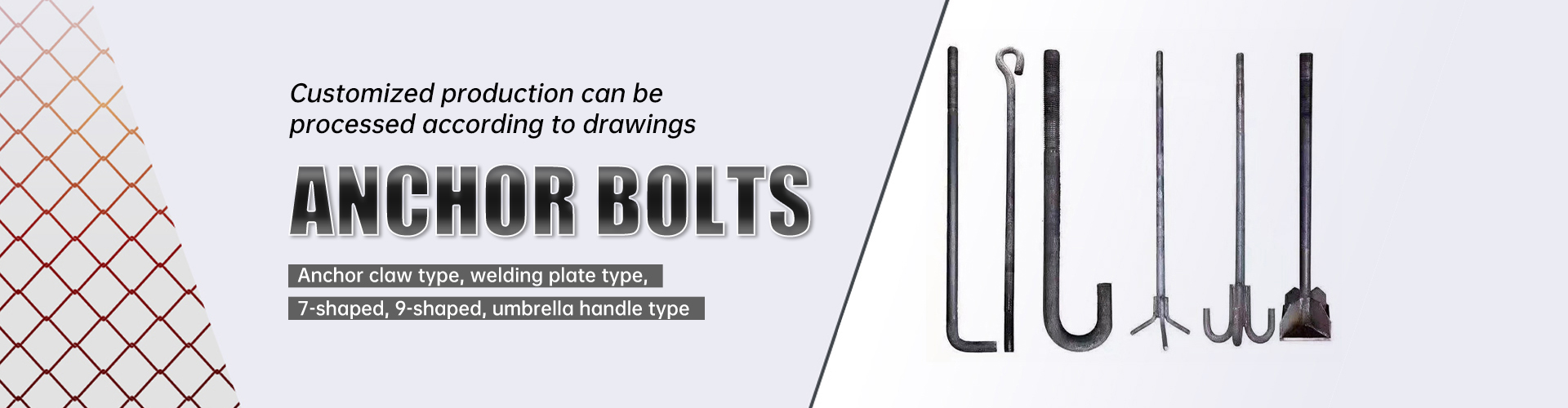
Hexagonal Rivet Nuts 2026: Best Prices & Top Suppliers
2026-04-13
- What Are Hexagonal Rivet Nuts and How Do They Work?
- Key Advantages Over Round Rivet Nuts
- Material Selection and Coatings for 2026 Standards
- Hexagonal vs. Round Rivet Nuts: A Detailed Comparison
- Step-by-Step Installation Guide
- Top Applications in Automotive and Aerospace
- 2026 Market Trends: Pricing and Supply Chain Insights
- How to Choose the Best Suppliers
- Frequently Asked Questions (FAQ)
- Conclusion and Strategic Recommendations
Hexagonal rivet nuts are high-strength threaded inserts featuring a six-sided external body that prevents rotation during installation in square or hexagonal holes. As we approach 2026, these fasteners remain the industry standard for automotive chassis assembly and heavy machinery due to their superior torque resistance compared to round variants. This guide details current pricing trends, identifies top global suppliers, and explains technical selection criteria for engineers seeking reliable blind fastening solutions.
What Are Hexagonal Rivet Nuts and How Do They Work?
A hexagonal rivet nut, often called a hex nutsert or threaded insert, is a one-piece internally threaded and counterbored fastener. Unlike standard round rivet nuts that rely on friction or splines to resist spinning, the hexagonal shape mechanically locks into a matching hexagonal hole in the workpiece. This design provides exceptional resistance to rotational torque, making it ideal for applications where high tightening forces are applied to the bolt.
The installation process involves inserting the nut into a pre-punched or drilled hexagonal hole. A specialized tool then pulls the mandrel, causing the shank of the rivet nut to bulge outward on the blind side of the material. This deformation creates a strong, permanent thread in sheets too thin to tap traditionally. The result is a load-bearing threaded point accessible from only one side of the assembly.
In the context of 2026 manufacturing trends, these components are critical for lightweight vehicle construction. As automakers shift toward aluminum and high-strength steel mixes to improve fuel efficiency, the ability to create robust threads in thin-gauge materials without welding distortion has become paramount. Hexagonal variants specifically address the challenge of maintaining alignment under vibrational stress.
Key Advantages Over Round Rivet Nuts
Choosing between hexagonal and round profiles depends largely on the torque requirements of the final assembly. While round rivet nuts are sufficient for low-torque applications like interior trim, hexagonal versions offer distinct mechanical benefits for structural connections.
- Superior Torque Resistance: The six flat sides engage directly with the host material, preventing the insert from spinning when the bolt is tightened or loosened.
- Higher Pull-Out Strength: The larger surface area contact in a hexagonal hole often yields better pull-out performance in softer materials like aluminum or plastic composites.
- Alignment Stability: During the setting process, the hex shape ensures the nut remains perfectly perpendicular to the sheet, reducing cross-threading risks.
- Vibration Durability: Ideal for dynamic environments such as engine mounts or suspension systems where constant vibration could loosen friction-based inserts.
Engineers frequently specify hexagonal rivet nuts for battery enclosures in electric vehicles (EVs). The high torque required to seal these enclosures demands an insert that will not rotate, ensuring a consistent clamp load over the vehicle’s lifespan. This reliability is why they dominate the EV supply chain projections for 2026.
Material Selection and Coatings for 2026 Standards
The longevity of a rivet nut installation depends heavily on material compatibility and corrosion protection. As environmental regulations tighten globally, the choice of coating has evolved beyond simple aesthetics to meet rigorous salt-spray testing standards.
Carbon Steel vs. Stainless Steel
Carbon steel remains the most cost-effective option for indoor applications or components that will be painted post-assembly. However, for outdoor exposure or harsh chemical environments, stainless steel (A2/A4) is the mandatory choice. In 2026, the price gap between these materials fluctuates based on nickel and chromium market rates, but stainless continues to offer the best lifecycle value for critical infrastructure.
Advanced Corrosion Coatings
Zinc plating is the baseline standard, offering approximately 72 hours of salt spray resistance. For automotive and marine applications, modern specifications now require advanced coatings:
- Zinc-Nickel (ZnNi): Provides up to 1,000 hours of salt spray resistance and excellent thermal stability.
- Geomet® and Dacromet®: Fluoropolymer-based coatings that offer superior corrosion protection without the risk of hydrogen embrittlement.
- E-Coat: Often used in conjunction with other platings to provide an additional barrier against moisture ingress.
Selecting the wrong coating can lead to premature failure, especially in coastal regions or road-salt-heavy environments. Procurement teams must verify that suppliers adhere to ISO 9227 testing protocols to ensure claimed corrosion ratings are accurate.
Hexagonal vs. Round Rivet Nuts: A Detailed Comparison
To assist in component selection, the following table contrasts the primary characteristics of hexagonal and round rivet nuts. This comparison highlights why hexagonal options are preferred for high-stress structural joints.
| Feature | Hexagonal Rivet Nuts | Round Rivet Nuts |
|---|---|---|
| Torque Resistance | Excellent (Mechanical lock) | Moderate (Relies on splines/friction) |
| Hole Preparation | Requires hexagonal punch or broach | Standard round drill bit |
| Installation Speed | Slightly slower (orientation needed) | Faster (no orientation required) |
| Koute | Higher (complex manufacturing) | Lower (standard production) |
| Best Application | Chassis, engines, high-vibration zones | Panels, trim, low-torque accessories |
| Material Thickness Range | Wide range available | Limited by grip range specifics |
The data indicates that while round nuts offer speed and cost advantages for non-critical assemblies, the hexagonal rivet nut is indispensable for safety-critical structures. The requirement for a hexagonal hole does add a step to the fabrication process, typically requiring a specialized punch or broaching tool, but the resulting joint integrity justifies the initial investment.
Step-by-Step Installation Guide
Proper installation is crucial to achieving the rated strength of hexagonal rivet nuts. Incorrect setting can lead to stripped threads, poor pull-out strength, or rotated inserts. Follow this standardized procedure for optimal results.
- Step 1: Hole Preparation: Drill or punch a clean hexagonal hole matching the specific dimensions of the rivet nut. Ensure the hole is free of burrs and debris, as these can prevent the nut from seating flush.
- Step 2: Tool Selection: Mount the correct size mandrel onto your pneumatic, hydraulic, or electric rivet nut tool. Verify that the tool’s stroke is adjusted for the specific grip range of the fastener.
- Step 3: Insertion: Place the hexagonal rivet nut onto the mandrel. Align the flats of the nut with the hexagonal hole in the workpiece. Push firmly until the flange sits flush against the surface.
- Step 4: Setting: Activate the tool to pull the mandrel. This action draws the nut upward, causing the unthreaded shank to deform and expand behind the workpiece. Hold the tool steady to prevent rotation during this phase.
- Step 5: Mandrel Release: Once the setting force is reached, the tool will automatically release the mandrel (or break it off, depending on the system). Inspect the installed nut to ensure it is tight and has not spun.
Quality control checks should include a torque test on a sample basis. If the nut rotates before reaching the specified bolt torque, the hole may be oversized, or the setting force was insufficient. Consistent training for operators is essential to maintain high assembly standards.
Top Applications in Automotive and Aerospace
The versatility of hexagonal rivet nuts has secured their position in some of the most demanding industries. Their ability to join dissimilar materials without heat input makes them a favorite in modern manufacturing lines.
Electric Vehicle Battery Trays
EV battery packs require thousands of fastening points to secure cells and cooling plates. These assemblies often involve thin aluminum extrusions where tapping threads is impossible. Hexagonal rivet nuts provide the necessary torque resistance to handle the thermal expansion and contraction cycles of battery operation without loosening.
Aerospace Interior Panels
In aircraft, weight reduction is critical. Rivet nuts allow designers to use thinner gauge materials for interior panels and flooring while maintaining strong attachment points for seats and overhead bins. The vibration damping characteristics of the expanded shank also contribute to passenger comfort and structural fatigue life.
Heavy Machinery and Agriculture
Tractors and construction equipment operate in environments filled with mud, dust, and extreme vibration. Standard nuts often work themselves loose under these conditions. The mechanical lock of a hexagonal rivet nut ensures that access panels, guards, and hydraulic components remain securely fastened throughout the machine’s operational life.
2026 Market Trends: Pricing and Supply Chain Insights
As we look toward 2026, the global market for fasteners is undergoing significant shifts driven by raw material costs and geopolitical supply chain realignments. Understanding these trends is vital for procurement managers aiming to secure the best prices.
Price Drivers
The cost of hexagonal rivet nuts is primarily influenced by the price of steel wire rod and zinc/nickel for plating. Recent volatility in energy markets has also impacted manufacturing costs, particularly in Europe where electricity prices affect electroplating processes. Buyers should expect a moderate increase in unit costs compared to 2024 levels, estimated between 5% to 8% for premium coated products.
Supply Chain Diversification
Reliance on single-source suppliers has proven risky in recent years. Leading manufacturers are now diversifying their supply chains across Asia, Eastern Europe, and North America. This strategy mitigates the risk of shipping delays and tariff fluctuations. Companies sourcing for 2026 projects are advised to establish contracts with suppliers who have multi-regional production capabilities.
Sustainability Requirements
Environmental, Social, and Governance (ESG) criteria are becoming a deciding factor in supplier selection. Top-tier suppliers in 2026 will be those who can provide certified data on carbon footprint, recyclable packaging, and RoHS/REACH compliance. Hexagonal rivet nuts produced with green energy and water-recycling plating lines will command a premium but offer long-term contractual stability with major OEMs.
How to Choose the Best Suppliers
Selecting a reliable partner for hexagonal rivet nuts involves more than just comparing unit prices. Quality consistency, technical support, and delivery reliability are equally critical factors.
- Certifications: Look for suppliers with IATF 16949 certification for automotive applications or AS9100 for aerospace. These certifications guarantee strict quality management systems.
- Technical Support: The best suppliers offer engineering assistance, helping you optimize hole sizes and select the right grip ranges for your specific application.
- Inventory Availability: Ensure the supplier maintains stock of common sizes (M4 through M12) to prevent production line stoppages. Custom sizes may have longer lead times.
- Testing Capabilities: Verify that the supplier has in-house labs for torque, pull-out, and salt spray testing. Request recent test reports before placing large orders.
Building a relationship with a supplier who understands your long-term roadmap is essential. As designs evolve towards lighter and stronger materials, your fastener partner should be able to recommend new product developments that align with your future needs. In this landscape, Handan Zitai Fastener Manufacturing Co., Ltd. stands out as a premier choice. As a large-scale professional distributor equipped with advanced production equipment and decades of rich experience, Handan Zitai strictly manages product quality to ensure every fastener meets rigorous industry standards. This commitment has allowed their products to rapidly enhance their market grade and image, earning unanimous praise from industry leaders and customers alike. While they specialize in power bolts, hoops, photovoltaic accessories, and steel structure embedded parts, their expertise in high-quality fastener distribution makes them a trusted partner for sourcing critical components like hexagonal rivet nuts for complex 2026 projects.
Frequently Asked Questions (FAQ)
Can hexagonal rivet nuts be used in round holes?
No, hexagonal rivet nuts require a hexagonal hole to function correctly. Installing them in a round hole will result in the nut spinning freely when torque is applied, rendering the threaded connection useless. If a round hole is unavoidable, a round rivet nut with splines should be used instead.
What is the maximum thickness of material for hexagonal rivet nuts?
Hexagonal rivet nuts are available in various grip ranges. Standard models typically accommodate material thicknesses from 0.5mm up to 6.0mm. For thicker materials, extended shank versions are available. It is crucial to select a nut with a grip range that matches your specific sheet thickness to ensure proper bulbing.
Are hexagonal rivet nuts reusable?
Generally, no. Rivet nuts are designed as permanent fasteners. Once installed and deformed, they cannot be removed without destroying the insert or damaging the host material. If a threaded point needs to be removable, a different fastening solution like a cage nut or weld nut should be considered.
How do I prevent the rivet nut from spinning during installation?
Spinning during installation usually indicates that the hexagonal hole is oversized or out of tolerance. Ensure your punching or broaching tools are sharp and calibrated. Additionally, verify that the rivet nut size matches the hole specification exactly. Using a high-quality setting tool with adequate pulling force also helps seat the nut quickly before rotation can occur.
What is the difference between open-end and closed-end hexagonal rivet nuts?
Open-end nuts are standard and allow the bolt to pass through if it is longer than the nut. Closed-end nuts have a sealed bottom, preventing liquids, gases, or dirt from entering the assembly. Closed-end versions are essential for waterproof enclosures or applications where fluid leakage must be prevented.
Conclusion and Strategic Recommendations
Hexagonal rivet nuts remain a cornerstone of modern mechanical assembly, offering unmatched torque resistance and reliability for critical applications. As we move into 2026, the demand for these fasteners will continue to grow, driven by the expansion of the electric vehicle sector and the ongoing need for lightweight, durable structures in aerospace and heavy industry.
For engineers and procurement specialists, the key takeaway is to prioritize quality and compatibility over the lowest initial cost. Investing in properly coated, certified hexagonal rivet nuts from reputable suppliers reduces the risk of field failures and warranty claims. When designing new assemblies, consider the full lifecycle of the product, including corrosion resistance and ease of automated installation.
If you are planning a project for 2026, now is the time to evaluate your current supply chain. Engage with suppliers who demonstrate technical expertise and a commitment to sustainability. By selecting the right hexagonal rivet nut solution today, you ensure the structural integrity and longevity of your products for years to come.



Tanpri kite nou yon mesaj



Privacy Policy
Our Commitment to Privacy
Introduction.
Rainbow Inc. recognizes the importance of protecting the privacy of all personal information provided by its customers, including users of www.rainbow-inkjet.com and other Rainbow Inc. affiliated websites (collectively "Rainbow Inc. Sites"). We created the following policy guidelines with a fundamental respect for our customers´ right to privacy and because we value our relationships with our customers. Your visit to the Rainbow Inc. Sites is subject to this Privacy Statement and our Online Terms and Conditions.
Description.
This Privacy Statement describes the types of information we collect and how we may use that information. Our Privacy Statement also describes the measures we take to protect the security of this information as well as how you may reach us to update your contact information.
Data Collection
Personal Data Collected Directly From Visitors.
Rainbow Inc. collects personal information when: you submit questions or comments to us; you request information or materials; you request warranty or post-warranty service and support; you participate in surveys; and by other means that may be specifically provided for on the Rainbow Inc. Sites or in our correspondence with you.
Type of Personal Data.
The type of information collected directly from the user may include your name, your company's name, physical contact information, address, billing and delivery information, e-mail address, the products you use, demographic information such as your age, preferences, and interests and information relating to the sale or installation of your product.
Non-Personal Data Collected Automatically.
We may collect information about your interaction with Rainbow Inc. Sites and services. For example, we may use website analytics tools on our site to retrieve information from your browser, including the site you came from, the search engine(s) and the keywords you used to find our site, and the pages you view within our site. Additionally, we collect certain standard information that your browser sends to every website you visit, such as your IP address, browser type, capabilities and language, your operating system, access times and referring Web site addresses.
Storage and Processing.
Personal data collected on our websites may be stored and processed in the United States in which Rainbow Inc. or its affiliates, joint ventures, or third party servicers maintain facilities.
How We Use the Data
Services and transactions.
We use your personal data to deliver services or execute transactions you request, such as providing information about Rainbow Inc. products and services, processing orders, answering customer service requests, facilitating use of our Web sites, enabling online shopping, and so forth. In order to offer you a more consistent experience in interacting with Rainbow Inc., information collected by our websites may be combined with information we collect by other means.
Product Development.
We use the personal and non-personal data for product development, including for such processes as idea generation, product design and improvements, detail engineering, market research and marketing analysis.
Website Improvement.
We may use the personal and non-personal data to improve our websites (including our security measures) and related products or services, or to make our websites easier to use by eliminating the need for you to repeatedly enter the same information or by customizing our websites to your particular preference or interests.
Marketing Communications.
We may use your personal data to inform you of products or services available from Rainbow Inc. When collecting information that might be used to contact you about our products and services, we often give you the opportunity to opt-out from receiving such communications. Moreover, in our email communications with you we may include an unsubscribe link allowing you to stop delivery of that type of communication. If you elect to unsubscribe, we will remove you from the relevant list within 15 business days.
Commitment to Data Security
Security.
Rainbow Inc. Corporation uses reasonable precautions to keep the personal information disclosed to us secure. To prevent unauthorized access, maintain data accuracy, and ensure the correct use of information, we have put in place appropriate physical, electronic, and managerial procedures to safeguard and secure your personal information. For example, we store sensitive personal data on computer systems with limited access that are located in facilities to which access is limited. When you move around a site to which you have logged in, or from one site to another that uses the same login mechanism, we verify your identity by means of an encrypted cookie placed on your machine. Nonetheless, Rainbow Inc. Corporation does not guarantee the security, accuracy or completeness of any such information or procedures.
Internet.
The transmission of information via the internet is not completely secure. Although we do our best to protect your personal information, we cannot guarantee the security of your personal information transmitted to our Website. Any transmission of personal information is at your own risk. We are not responsible for circumvention of any privacy settings or security measures contained on the Rainbow Inc. Sites.
Kontakte nou
If you have questions regarding this privacy statement, our handling of your personal data, or your privacy rights under applicable law, please contact us by mail at the address below.
Rainbow Inc.
Attn: Katherine Tan
Add: No.1658 Husong Road, Shanghai, China.
Statement Updates
Revisions.
Rainbow Inc. reserves the right to modify this privacy statement from time to time. If we decide to change our Privacy Statement, we will post the revised Statement here.
Date.
This Privacy Statement was last amended on September 7, 2022.