- English
- Chinese
- French
- German
- Portuguese
- Spanish
- Russian
- Japanese
- Korean
- Arabic
- Irish
- Greek
- Turkish
- Italian
- Danish
- Romanian
- Indonesian
- Czech
- Afrikaans
- Swedish
- Polish
- Basque
- Catalan
- Esperanto
- Hindi
- Lao
- Albanian
- Amharic
- Armenian
- Azerbaijani
- Belarusian
- Bengali
- Bosnian
- Bulgarian
- Cebuano
- Chichewa
- Corsican
- Croatian
- Dutch
- Estonian
- Filipino
- Finnish
- Frisian
- Galician
- Georgian
- Gujarati
- Hausa
- Hawaiian
- Hebrew
- Hmong
- Hungarian
- Icelandic
- Igbo
- Javanese
- Kannada
- Kazakh
- Khmer
- Kurdish
- Kyrgyz
- Latin
- Latvian
- Lithuanian
- Luxembou..
- Macedonian
- Malagasy
- Malay
- Malayalam
- Maltese
- Maori
- Marathi
- Mongolian
- Burmese
- Nepali
- Norwegian
- Pashto
- Persian
- Punjabi
- Serbian
- Sesotho
- Sinhala
- Slovak
- Slovenian
- Somali
- Samoan
- Scots Gaelic
- Shona
- Sindhi
- Sundanese
- Swahili
- Tajik
- Tamil
- Telugu
- Thai
- Ukrainian
- Urdu
- Uzbek
- Vietnamese
- Welsh
- Xhosa
- Yiddish
- Yoruba
- Zulu
- Kinyarwanda
- Tatar
- Oriya
- Turkmen
- Uyghur


How are nuts impacting renewable energy tech?
2025-12-14
When talking about renewable energy technologies, nuts might not be the first thing that comes to mind. Yet, these tiny components have a surprising role to play in the reliability and efficiency of this industry. It might sound trivial, but let’s dive into how something seemingly insignificant can actually be pretty game-changing.
Understanding the Role of Fasteners in Renewable Energy
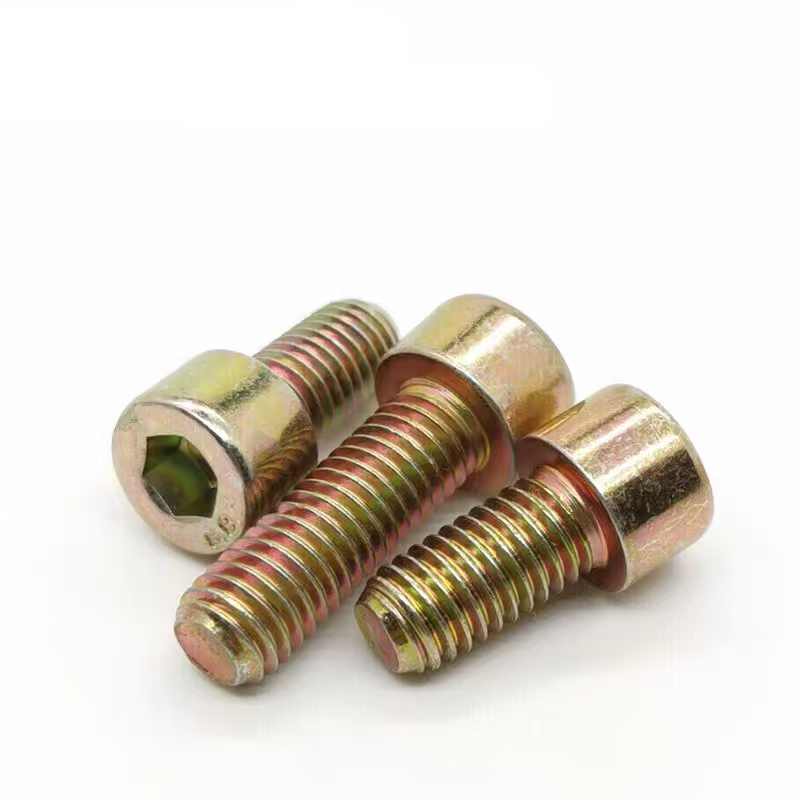
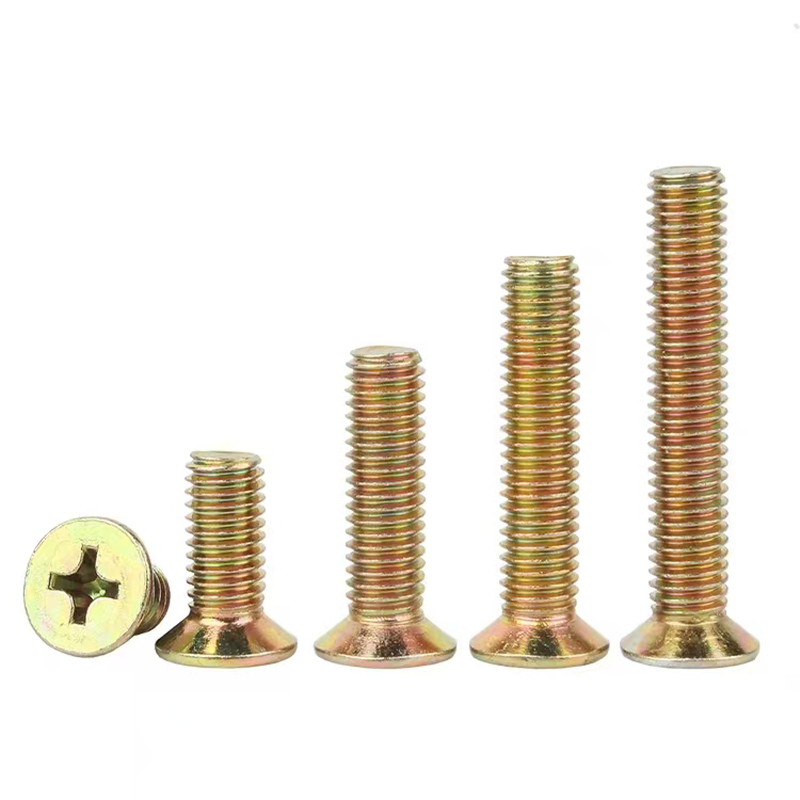
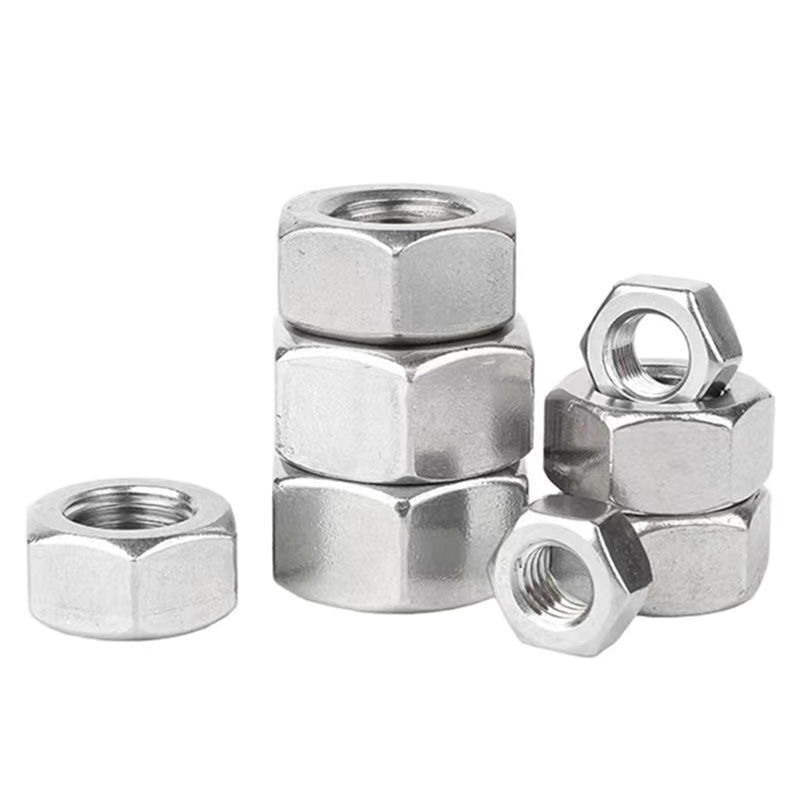
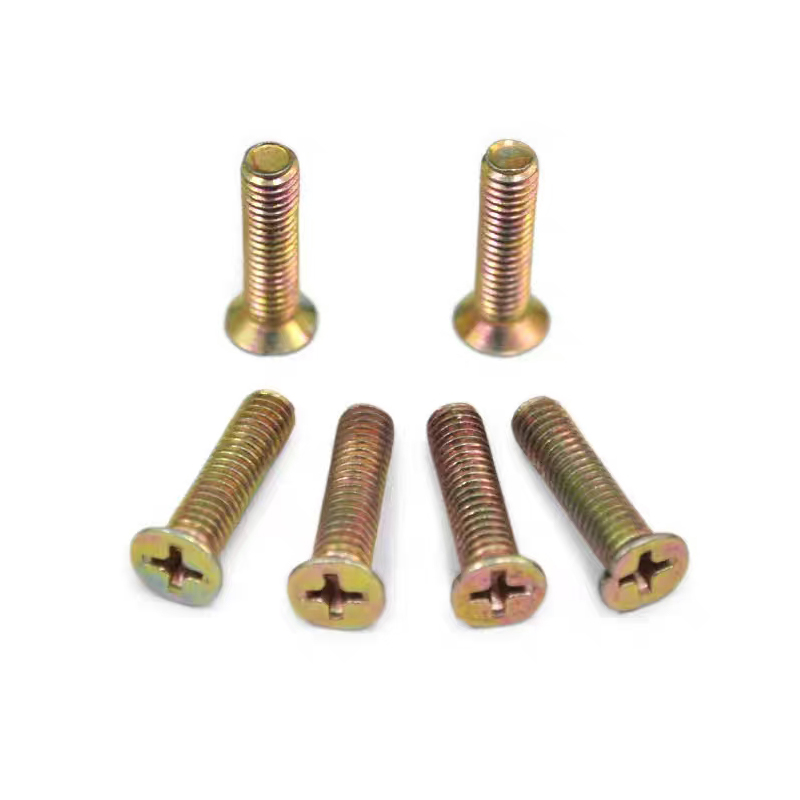
First off, let’s clarify why fasteners like nuts are crucial in renewable energy systems. Wind turbines, solar panels, and even bioenergy facilities rely heavily on high-quality fasteners to keep everything in place. A single loose nut could mean downtime or maintenance headaches, and that’s not ideal when you’re harnessing the power of nature.
That’s where expertise from companies like Handan Zitai Fastener Manufacturing Co., Ltd. becomes vital. Situated in the largest standard part production base in China, they offer specialized solutions that keep these systems running smoothly. Their strategic location near major transportation hubs ensures they meet project timelines effectively.
Installation and maintenance teams often share insights about the common pitfalls in fastening systems, and it always boils down to the quality of fasteners. The significance of using the right type—appropriate grade, coating, and material—is something repeatedly emphasized. A well-selected nut can withstand the elements and mechanical stress significantly better.
The Influence of Quality Standards
Quality standards are not just buzzwords. In renewables, the quality of each component can make a difference between productive uptime and costly repairs. Companies like Handan Zitai Fastener Manufacturing Co., Ltd. follow stringent production processes, ensuring that every fastener can truly bear the load it’s supposed to withstand.
I recall an incident during a wind farm installation where substandard fasteners led to significant delays. The bolt threads wore out prematurely under pressure. It was a classic case of cutting corners on quality, which was rectified by switching to nuts from a certified producer. Clearly, quality assurance is non-negotiable.
In practice, knowing which fasteners meet the necessary certifications and performance standards is essential. Custom solutions often need tailored components, reinforcing the importance of a reliable manufacturer partnership.
Innovations in Fastening Technology
Innovation isn’t just confined to the big-ticket items like panels or turbines. Fasteners are also seeing technological advancements. Manufacturers are exploring self-locking mechanisms and anti-corrosive coatings to enhance durability and performance.
At a recent renewable energy symposium, experts highlighted the shift towards materials that could better withstand harsh environments, emphasizing fasteners’ role in future-proofing technology. Discussions often touch on the balance between cost and innovation, striving to find solutions that offer longevity without escalating project budgets.
In my experience, a project went smoother when we employed advanced fasteners designed for rapid installation. The nuts’ ease of use resulted in time efficiency and helped us navigate tight project schedules smoothly. It’s this kind of practical innovation that can’t be overlooked.
The Economic Implications
Certainly, investing in high-quality fasteners up front adds to initial outlays. However, the long-term savings in reduced maintenance and avoided downtimes often outweigh these costs. The financial teams now frequently include such durable components in lifecycle cost assessments.
More than once, I’ve sat through cost-benefit presentations where we’ve seen tangible proof that investing wisely here pays off down the line. Missed energy harnessing opportunities because of equipment failure can be costly, making the choice of the right fasteners financially wise.
Even hand in hand with manufacturers, companies make well-informed decisions. Partnering with trusted sources assures consistency, necessary for long-term economic planning and energy yield maximization.
Impact on Future Projects and Developments
Looking ahead, the push for renewables continues to grow. As project scales increase, the demand for premium fastening solutions will only rise. Manufacturers committed to high standards will play a crucial role in supporting this growth.
Every advancement or tweak—no matter how small—has cascading effects. It mirrors a conversation I had with a project engineer who predicted more integration of smart technology into fastener systems. Real-time monitoring of structural health could soon become the norm, driven by IoT innovations.
To conclude, never underestimate the impact of these small but mighty components. As renewable energy tech advances, so too must the quality and innovation of nuts and fasteners, ensuring they aren’t the weak link in the chain. The sustainable development of our energy resources hinges, quite literally, on these foundational pieces.