- English
- Chinese
- French
- German
- Portuguese
- Spanish
- Russian
- Japanese
- Korean
- Arabic
- Irish
- Greek
- Turkish
- Italian
- Danish
- Romanian
- Indonesian
- Czech
- Afrikaans
- Swedish
- Polish
- Basque
- Catalan
- Esperanto
- Hindi
- Lao
- Albanian
- Amharic
- Armenian
- Azerbaijani
- Belarusian
- Bengali
- Bosnian
- Bulgarian
- Cebuano
- Chichewa
- Corsican
- Croatian
- Dutch
- Estonian
- Filipino
- Finnish
- Frisian
- Galician
- Georgian
- Gujarati
- Hausa
- Hawaiian
- Hebrew
- Hmong
- Hungarian
- Icelandic
- Igbo
- Javanese
- Kannada
- Kazakh
- Khmer
- Kurdish
- Kyrgyz
- Latin
- Latvian
- Lithuanian
- Luxembou..
- Macedonian
- Malagasy
- Malay
- Malayalam
- Maltese
- Maori
- Marathi
- Mongolian
- Burmese
- Nepali
- Norwegian
- Pashto
- Persian
- Punjabi
- Serbian
- Sesotho
- Sinhala
- Slovak
- Slovenian
- Somali
- Samoan
- Scots Gaelic
- Shona
- Sindhi
- Sundanese
- Swahili
- Tajik
- Tamil
- Telugu
- Thai
- Ukrainian
- Urdu
- Uzbek
- Vietnamese
- Welsh
- Xhosa
- Yiddish
- Yoruba
- Zulu
- Kinyarwanda
- Tatar
- Oriya
- Turkmen
- Uyghur


How is an expansion bolt M16 used sustainably?
2025-11-06
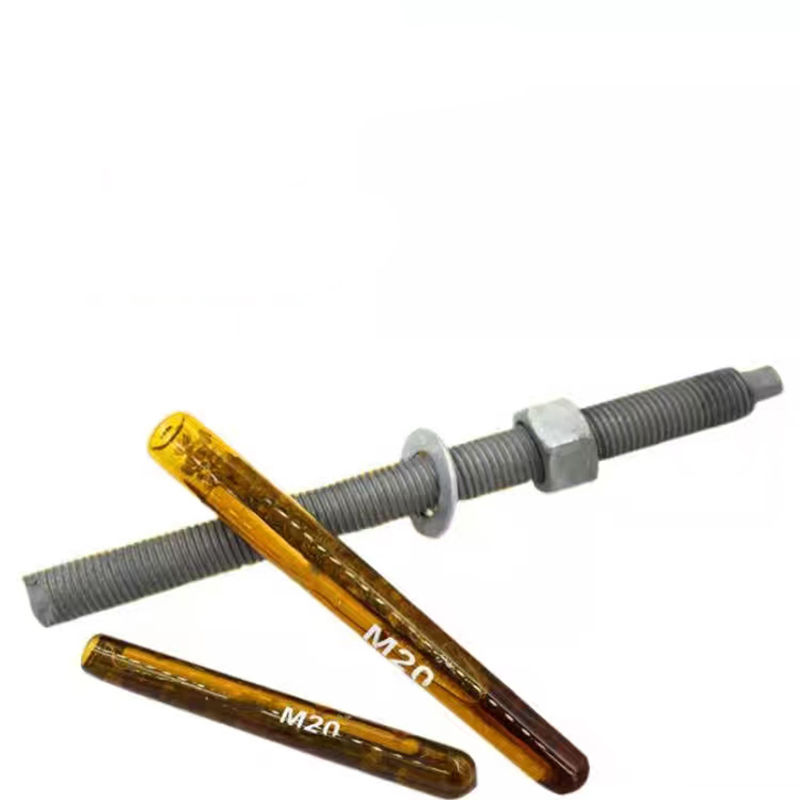
Expansion bolts, like the expansion bolt M16, are a staple in construction. But how can we use them sustainably? It’s more than just choosing the right material; it involves understanding their full life cycle. Let’s explore what this means in practice.
Konprann Basics yo
First off, people often overlook the basic principle that using an M16 expansion bolt sustainably starts with the material choice. Many assume that all bolts are created equal, but choose wisely. Stainless steel, for instance, is more durable and less prone to corrosion, extending its lifespan.
I’ve seen many projects where shortcuts in material choice led to costly replacements. Investing in quality may seem expensive upfront, but it pays off over time. It reduces waste and contributes to sustainability.
Moreover, sourcing from reputable manufacturers like Handan Zitai Fastener Manufacturing Co., Ltd. ensures quality. They’ve got a strategic location near major transport routes, which minimizes environmental impact during distribution. You can check them out at their website: Handan Zitai Fastener Manufacturing Co., Ltd.
Efikasite enstalasyon
Beyond materials, let’s talk about installation. A botched install increases the likelihood of failure, leading to more replacements and waste. Proper training of the installation crew is a step often skipped.
I’ve been on sites where an incorrectly installed M16 expansion bolt compromised the entire project. The bolt must be inserted to the correct depth and tightened appropriately. Too often, poor workmanship exacerbates material waste.
Using torque wrenches instead of impact drivers can improve accuracy. It’s a simple switch, but many overlook it. Training on these little details can greatly impact sustainability.
Maintenance Practices
Once installed, consistent maintenance checks are crucial. Regular inspections can catch potential issues before they lead to failure, further reducing unnecessary waste.
In practice, maintenance schedules are set but not always adhered to. A project I worked on had missed several maintenance intervals, resulting in premature failure of fasteners. It’s a lesson on diligence.
Implementing digital tracking for maintenance can improve compliance. Automation tools remind crews of necessary checks, a small technological step with big impacts on sustainability.
Recycling and Reuse
Next comes the end-of-life phase. Unfortunately, recycling is often an afterthought in construction, yet bolts like the M16 expansion bolt can often be recycled.
Scrap yards readily accept metal components. Encouraging crews to sort materials on-site can improve recycling rates significantly. I’ve seen projects where skipping this step resulted in tons of recyclable material going to landfill.
Moreover, reusing bolts when possible is another strategy. Not every project allows it, sure, but when feasible, it reduces the demand for new materials. It’s a mindset shift towards seeing the lifecycle fully.
Innovative Alternatives
It’s also worth considering new innovations. Industry developments like smarter materials or modular designs might change how M16 bolts fit into the bigger picture.
I recall one prototype project where the choice was made to replace traditional fasteners with modular systems. In many respects, this decreased reliance on singular fastener types and improved adaptability.
Staying updated with industry trends, such as eco-friendly treatments or biodegradable coatings, ensures that we make informed choices. Keeping an eye on product showcases and industry expos often uncovers these advancements.
Konklizyon
In summary, using an expansion bolt M16 sustainably involves a comprehensive understanding of its lifecycle. It’s about quality choice, meticulous installation, thorough maintenance, and thoughtful disposal. By considering each step, from selecting Handan Zitai’s products to innovating on-site practices, sustainability becomes not just a goal but a practical reality.