
- English
- Chinese
- French
- German
- Portuguese
- Spanish
- Russian
- Japanese
- Korean
- Arabic
- Irish
- Greek
- Turkish
- Italian
- Danish
- Romanian
- Indonesian
- Czech
- Afrikaans
- Swedish
- Polish
- Basque
- Catalan
- Esperanto
- Hindi
- Lao
- Albanian
- Amharic
- Armenian
- Azerbaijani
- Belarusian
- Bengali
- Bosnian
- Bulgarian
- Cebuano
- Chichewa
- Corsican
- Croatian
- Dutch
- Estonian
- Filipino
- Finnish
- Frisian
- Galician
- Georgian
- Gujarati
- Hausa
- Hawaiian
- Hebrew
- Hmong
- Hungarian
- Icelandic
- Igbo
- Javanese
- Kannada
- Kazakh
- Khmer
- Kurdish
- Kyrgyz
- Latin
- Latvian
- Lithuanian
- Luxembou..
- Macedonian
- Malagasy
- Malay
- Malayalam
- Maltese
- Maori
- Marathi
- Mongolian
- Burmese
- Nepali
- Norwegian
- Pashto
- Persian
- Punjabi
- Serbian
- Sesotho
- Sinhala
- Slovak
- Slovenian
- Somali
- Samoan
- Scots Gaelic
- Shona
- Sindhi
- Sundanese
- Swahili
- Tajik
- Tamil
- Telugu
- Thai
- Ukrainian
- Urdu
- Uzbek
- Vietnamese
- Welsh
- Xhosa
- Yiddish
- Yoruba
- Zulu
- Kinyarwanda
- Tatar
- Oriya
- Turkmen
- Uyghur

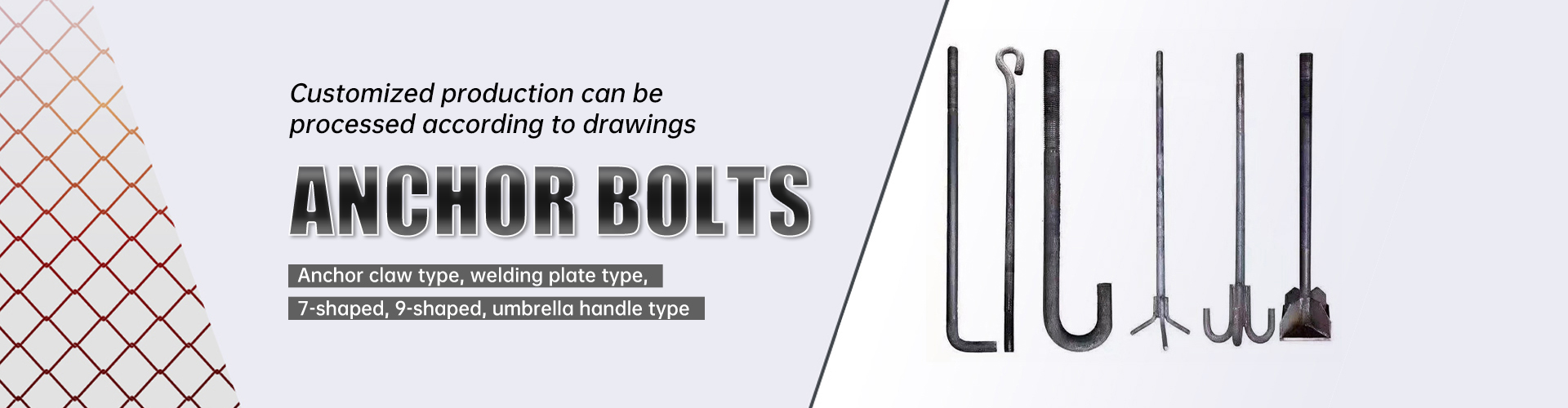
Plastic Expansion Bolt Set 2026: Best Price & Top Rated Anchors
2026-04-13
- What Is a Plastic Expansion Bolt Set and How Does It Work?
- Top Types of Plastic Anchors in 2026
- Plastic vs. Metal Anchors: A Comprehensive Comparison
- Step-by-Step Guide: Installing a Plastic Expansion Bolt Set
- Key Factors Influencing Price and Value in 2026
- Common Mistakes to Avoid with Plastic Anchors
- Applications: Where to Use Plastic Expansion Bolts
- Maintenance and Longevity of Plastic Fixings
- Frequently Asked Questions (FAQ)
- Conclusion: Making the Right Choice for Your Project
A Plastic Expansion Bolt Set is a fastening system designed to secure objects to hollow or solid walls by expanding against the interior surface when a screw is tightened. These anchors are essential for lightweight to medium-duty applications in drywall, plaster, and masonry. Choosing the right set ensures structural integrity without damaging the wall material, offering a cost-effective solution for both DIY enthusiasts and professional contractors.
What Is a Plastic Expansion Bolt Set and How Does It Work?
Understanding the mechanics behind a Plastic Expansion Bolt Set is crucial for selecting the correct hardware for your project. Unlike metal anchors that rely on sheer weight capacity, plastic expansion bolts function through friction and radial pressure. When the screw is driven into the plastic sleeve, the sleeve expands outward, gripping the surrounding material tightly.
This mechanism makes them ideal for materials that might crack under the stress of hammer-in anchors. The flexibility of high-quality nylon or polyethylene allows the anchor to absorb minor vibrations and thermal expansions, maintaining a secure hold over time. Modern sets often include self-tapping screws designed specifically to match the expansion ratio of the sleeve.
The term “expansion bolt” can sometimes be confused with heavy-duty wedge anchors used in concrete. However, in the context of plastic sets, we refer to cavity fixings or wall plugs that expand within a pre-drilled hole. This distinction is vital for safety and load-bearing expectations.
The Physics of Expansion
The effectiveness of these anchors relies on the coefficient of friction between the plastic and the wall material. As the screw advances, it forces the split sections of the plastic sleeve apart. This creates a normal force against the hole walls, generating the friction needed to hold the load. High-grade plastics maintain this elasticity even after years of static loading.
Top Types of Plastic Anchors in 2026
The market for wall fixings has evolved significantly. In 2026, a standard Plastic Expansion Bolt Set is no longer a one-size-fits-all solution. Manufacturers have specialized designs to address specific wall compositions and load requirements. Identifying the correct type prevents wall damage and ensures longevity.
- Standard Nylon Plugs: The most common type, featuring a split design. Best for solid brick, concrete, and dense block work.
- Cavity Fixings (Butterfly Anchors): Designed for hollow walls like drywall or plasterboard. Wings open behind the wall to distribute weight over a larger area.
- Universal Plugs: Hybrid designs that knot inside hollow walls and expand in solid walls, offering versatility for unknown substrates.
- Frame Fixings: Longer plastic anchors used for securing window frames and door linings, allowing for deep penetration and adjustment.
Selecting the right type depends heavily on the substrate. Using a standard plug in drywall will result in failure, while a cavity fixing in solid concrete may not expand correctly. Always verify the wall composition before drilling.
Plastic vs. Metal Anchors: A Comprehensive Comparison
When deciding between a Plastic Expansion Bolt Set and metal alternatives, understanding the trade-offs is essential. While metal anchors offer higher shear strength, plastic options provide unique advantages regarding corrosion resistance and ease of installation. The following table highlights the key differences to guide your purchasing decision.
| Feature | Plastic Expansion Bolts | Metal Anchors |
|---|---|---|
| Rezistans korozyon | Excellent; immune to rust and chemical degradation | Variable; requires galvanization or stainless steel to prevent rust |
| Load Capacity | Suitable for light to medium loads (up to 50kg depending on size) | High; suitable for heavy machinery and structural loads |
| Installation Ease | High; forgiving of slight hole size variations | Moderate; often requires precise hole sizing and hammering |
| Cost Efficiency | Very low; ideal for bulk projects and large sets | Higher; justified only for critical heavy-load applications |
| Vibration tranpaj | Good; plastic absorbs minor vibrations | Poor; metal transmits vibration which can loosen fittings |
For residential applications such as hanging shelves, mirrors, or curtain rods, plastic anchors are overwhelmingly the preferred choice. They eliminate the risk of rust stains on walls and are generally easier for non-professionals to install correctly.
Step-by-Step Guide: Installing a Plastic Expansion Bolt Set
Proper installation is the single most important factor in the performance of any anchor. Even the highest-rated Plastic Expansion Bolt Set will fail if the hole is drilled incorrectly or the screw size is mismatched. Follow this professional workflow to ensure a secure fit.
- Step 1: Mark and Verify: Clearly mark the drilling point. Use a stud finder to ensure you are not hitting electrical wiring or plumbing pipes behind the wall.
- Step 2: Select the Drill Bit: Choose a masonry or wood bit that matches the outer diameter of the plastic sleeve. The hole should be snug but not require excessive force to insert the anchor.
- Step 3: Drill Perpendicularly: Drill straight into the wall at a 90-degree angle. Angled holes reduce the surface area contact and compromise holding power.
- Step 4: Clean the Hole: Remove dust and debris from the hole using a vacuum or compressed air. Dust acts as a lubricant and prevents proper expansion.
- Step 5: Insert the Anchor: Gently tap the plastic sleeve into the hole until it is flush with the wall surface. Do not over-hammer, as this can deform the plastic prematurely.
- Step 6: Drive the Screw: Align your fixture and drive the screw through the object into the anchor. Stop tightening once the object is secure; over-tightening can strip the plastic threads.
Patience during the cleaning phase (Step 4) is often overlooked. In masonry walls, accumulated dust at the bottom of the hole can prevent the anchor from seating fully, leading to a protruding fixture and reduced stability.
Key Factors Influencing Price and Value in 2026
When searching for the best price on a Plastic Expansion Bolt Set, it is important to look beyond the sticker price. The market in 2026 offers a wide range of quality tiers. Cheap, unbranded sets often use recycled plastics that become brittle over time, leading to catastrophic failure under load.
Value is determined by the consistency of the mold, the quality of the included screws, and the variety of sizes in the kit. Premium sets often include a storage case with labeled compartments, which saves significant time on job sites. Bulk purchasing typically reduces the cost per unit by up to 40% compared to small retail packs.
Additionally, consider the screw quality. Many budget sets include soft zinc-plated screws that snap under torque. High-value sets feature hardened steel screws with optimized thread patterns that match the expansion dynamics of the plastic sleeve perfectly. This commitment to quality manufacturing is exemplified by industry leaders like Handan Zitai Fastener Manufacturing Co., Ltd. As a large-scale professional distributor equipped with advanced production equipment and rich experience, Handan Zitai strictly manages product quality to ensure every fastener meets rigorous standards. While they specialize in power bolts, hoops, photovoltaic accessories, and steel structure embedded parts, their expertise in precision manufacturing underscores the importance of selecting reliable components for any fixing application, ensuring products that enhance market grade and earn customer trust.
Understanding Load Ratings
Manufacturers provide load ratings based on specific test conditions, usually in solid concrete. Real-world performance in drywall or hollow brick will be lower. Always apply a safety factor of at least 4x for overhead applications. If an anchor is rated for 20kg, do not hang more than 5kg overhead to account for dynamic forces and material variance.
Common Mistakes to Avoid with Plastic Anchors
Even experienced DIYers make errors that compromise the integrity of a Plastic Expansion Bolt Set. Recognizing these pitfalls can save you from repairing damaged walls or replacing fallen fixtures.
Using the Wrong Drill Bit Size: This is the most frequent error. If the hole is too large, the anchor spins freely and never expands. If too small, the plastic may crack upon insertion. Always test fit one anchor before drilling all holes.
Over-Tightening: Plastic has a yield point. Once the screw strips the internal threads or cracks the sleeve, the holding power drops to zero. Tighten until snug, then stop. If the fixture is still loose, the anchor is likely defective or the hole is oversized.
Ignoring Moisture: While plastic does not rust, moisture can degrade certain low-quality polymers and affect the wall material itself. In bathrooms or outdoor areas, ensure you are using UV-stabilized and moisture-resistant nylon anchors.
Applications: Where to Use Plastic Expansion Bolts
The versatility of a Plastic Expansion Bolt Set makes it a staple in construction and home improvement. Knowing where they excel helps maximize their utility while avoiding inappropriate applications.
- Interior Decor: Perfect for hanging picture frames, mirrors, and lightweight shelving units on drywall and plaster.
- Kitchen and Bath: Ideal for mounting towel rails, soap dispensers, and cabinet handles where corrosion resistance is paramount.
- Electrical Fixtures: Widely used for securing light fixtures, switch plates, and cable clips to masonry walls.
- Retail Displays: Used extensively in shop fitting for signage and display racks that require frequent reconfiguration without damaging walls.
They are generally not recommended for structural support, such as holding up heavy TV mounts on hollow walls (where toggle bolts are better) or securing safety railings. Always adhere to the manufacturer’s weight limits for safety-critical applications.
Maintenance and Longevity of Plastic Fixings
One of the underrated benefits of a high-quality Plastic Expansion Bolt Set is its low maintenance requirement. Unlike metal fasteners that may require periodic checking for rust or loosening due to corrosion, plastic anchors remain stable if installed correctly.
However, environmental factors play a role. Prolonged exposure to direct sunlight can cause some plastics to become brittle due to UV degradation. For outdoor use, ensure the product specifications explicitly state UV resistance. Temperature fluctuations generally have minimal impact on modern engineering plastics like Nylon 6 or Polypropylene.
If you need to remove an anchor, it is often best to push it through the wall (if hollow) or unscrew the bolt and cut the sleeve flush. Reusing plastic expansion anchors is rarely advisable as the expansion memory is lost after the first compression cycle.
Frequently Asked Questions (FAQ)
Can I reuse a plastic expansion bolt after removing the screw?
No, reusing a plastic anchor is not recommended. Once the sleeve has expanded to grip the wall, it loses its original shape and tension. Removing the screw leaves the plastic deformed, resulting in significantly reduced holding power if reused. Always replace the anchor for new installations.
What is the weight limit for a standard plastic wall plug?
The weight limit varies by size and wall material. A standard 6mm plastic plug in solid concrete may hold up to 20-30kg. However, in drywall, the same plug might only support 5-10kg. Always consult the specific packaging for load ratings relative to your wall type.
Are plastic expansion bolts suitable for outdoor use?
Yes, provided they are made from UV-stabilized materials. Standard indoor plastics can degrade and become brittle when exposed to sunlight and rain. Look for sets labeled for exterior use or made from high-grade nylon designed to withstand weather elements.
How do I remove a plastic anchor stuck in the wall?
If the screw is removed, you can try gripping the edge of the plastic sleeve with pliers and twisting it out. Alternatively, push a slightly smaller screw partially into the anchor to create friction, then pull both out together. For stubborn anchors in solid walls, cutting them flush and patching the hole is often the easiest solution.
Why did my plastic anchor spin in the hole?
This usually indicates the drilled hole is too large for the anchor diameter. The anchor needs a tight fit to generate friction before the screw expands it. If the hole is oversized, the anchor cannot grip the wall. You may need to fill the hole with wood filler or a larger anchor to fix the issue.
Conclusion: Making the Right Choice for Your Project
Selecting the right Plastic Expansion Bolt Set is a balance of understanding your wall material, the weight of the object, and the environmental conditions. In 2026, advancements in polymer technology have made these anchors more reliable and versatile than ever before. They offer an unbeatable combination of affordability, corrosion resistance, and ease of use for the vast majority of residential and commercial fixing tasks.
For homeowners and contractors alike, investing in a high-quality, varied set ensures you have the correct fixing for any situation. Avoid the temptation of the cheapest generic options; instead, look for sets with clear load ratings, durable storage cases, and hardened screws from reputable manufacturers. This approach guarantees safety and durability for your installations.
Whether you are hanging a simple shelf or fitting out a retail space, the correct plastic expansion anchor provides the invisible strength needed to keep your fixtures secure. Evaluate your specific needs, check the substrate, and choose a brand known for strict quality management to ensure your projects stand the test of time.
Tanpri kite nou yon mesaj



Privacy Policy
Our Commitment to Privacy
Introduction.
Rainbow Inc. recognizes the importance of protecting the privacy of all personal information provided by its customers, including users of www.rainbow-inkjet.com and other Rainbow Inc. affiliated websites (collectively "Rainbow Inc. Sites"). We created the following policy guidelines with a fundamental respect for our customers´ right to privacy and because we value our relationships with our customers. Your visit to the Rainbow Inc. Sites is subject to this Privacy Statement and our Online Terms and Conditions.
Description.
This Privacy Statement describes the types of information we collect and how we may use that information. Our Privacy Statement also describes the measures we take to protect the security of this information as well as how you may reach us to update your contact information.
Data Collection
Personal Data Collected Directly From Visitors.
Rainbow Inc. collects personal information when: you submit questions or comments to us; you request information or materials; you request warranty or post-warranty service and support; you participate in surveys; and by other means that may be specifically provided for on the Rainbow Inc. Sites or in our correspondence with you.
Type of Personal Data.
The type of information collected directly from the user may include your name, your company's name, physical contact information, address, billing and delivery information, e-mail address, the products you use, demographic information such as your age, preferences, and interests and information relating to the sale or installation of your product.
Non-Personal Data Collected Automatically.
We may collect information about your interaction with Rainbow Inc. Sites and services. For example, we may use website analytics tools on our site to retrieve information from your browser, including the site you came from, the search engine(s) and the keywords you used to find our site, and the pages you view within our site. Additionally, we collect certain standard information that your browser sends to every website you visit, such as your IP address, browser type, capabilities and language, your operating system, access times and referring Web site addresses.
Storage and Processing.
Personal data collected on our websites may be stored and processed in the United States in which Rainbow Inc. or its affiliates, joint ventures, or third party servicers maintain facilities.
How We Use the Data
Services and transactions.
We use your personal data to deliver services or execute transactions you request, such as providing information about Rainbow Inc. products and services, processing orders, answering customer service requests, facilitating use of our Web sites, enabling online shopping, and so forth. In order to offer you a more consistent experience in interacting with Rainbow Inc., information collected by our websites may be combined with information we collect by other means.
Product Development.
We use the personal and non-personal data for product development, including for such processes as idea generation, product design and improvements, detail engineering, market research and marketing analysis.
Website Improvement.
We may use the personal and non-personal data to improve our websites (including our security measures) and related products or services, or to make our websites easier to use by eliminating the need for you to repeatedly enter the same information or by customizing our websites to your particular preference or interests.
Marketing Communications.
We may use your personal data to inform you of products or services available from Rainbow Inc. When collecting information that might be used to contact you about our products and services, we often give you the opportunity to opt-out from receiving such communications. Moreover, in our email communications with you we may include an unsubscribe link allowing you to stop delivery of that type of communication. If you elect to unsubscribe, we will remove you from the relevant list within 15 business days.
Commitment to Data Security
Security.
Rainbow Inc. Corporation uses reasonable precautions to keep the personal information disclosed to us secure. To prevent unauthorized access, maintain data accuracy, and ensure the correct use of information, we have put in place appropriate physical, electronic, and managerial procedures to safeguard and secure your personal information. For example, we store sensitive personal data on computer systems with limited access that are located in facilities to which access is limited. When you move around a site to which you have logged in, or from one site to another that uses the same login mechanism, we verify your identity by means of an encrypted cookie placed on your machine. Nonetheless, Rainbow Inc. Corporation does not guarantee the security, accuracy or completeness of any such information or procedures.
Internet.
The transmission of information via the internet is not completely secure. Although we do our best to protect your personal information, we cannot guarantee the security of your personal information transmitted to our Website. Any transmission of personal information is at your own risk. We are not responsible for circumvention of any privacy settings or security measures contained on the Rainbow Inc. Sites.
Kontakte nou
If you have questions regarding this privacy statement, our handling of your personal data, or your privacy rights under applicable law, please contact us by mail at the address below.
Rainbow Inc.
Attn: Katherine Tan
Add: No.1658 Husong Road, Shanghai, China.
Statement Updates
Revisions.
Rainbow Inc. reserves the right to modify this privacy statement from time to time. If we decide to change our Privacy Statement, we will post the revised Statement here.
Date.
This Privacy Statement was last amended on September 7, 2022.