
- English
- Chinese
- French
- German
- Portuguese
- Spanish
- Russian
- Japanese
- Korean
- Arabic
- Irish
- Greek
- Turkish
- Italian
- Danish
- Romanian
- Indonesian
- Czech
- Afrikaans
- Swedish
- Polish
- Basque
- Catalan
- Esperanto
- Hindi
- Lao
- Albanian
- Amharic
- Armenian
- Azerbaijani
- Belarusian
- Bengali
- Bosnian
- Bulgarian
- Cebuano
- Chichewa
- Corsican
- Croatian
- Dutch
- Estonian
- Filipino
- Finnish
- Frisian
- Galician
- Georgian
- Gujarati
- Haitian
- Hausa
- Hawaiian
- Hebrew
- Hmong
- Hungarian
- Icelandic
- Igbo
- Javanese
- Kannada
- Kazakh
- Khmer
- Kurdish
- Kyrgyz
- Latin
- Latvian
- Lithuanian
- Luxembou..
- Macedonian
- Malagasy
- Malay
- Malayalam
- Maltese
- Maori
- Marathi
- Mongolian
- Burmese
- Nepali
- Norwegian
- Pashto
- Persian
- Punjabi
- Serbian
- Sesotho
- Sinhala
- Slovak
- Slovenian
- Somali
- Scots Gaelic
- Shona
- Sindhi
- Sundanese
- Swahili
- Tajik
- Tamil
- Telugu
- Thai
- Ukrainian
- Urdu
- Uzbek
- Vietnamese
- Welsh
- Xhosa
- Yiddish
- Yoruba
- Zulu
- Kinyarwanda
- Tatar
- Oriya
- Turkmen
- Uyghur

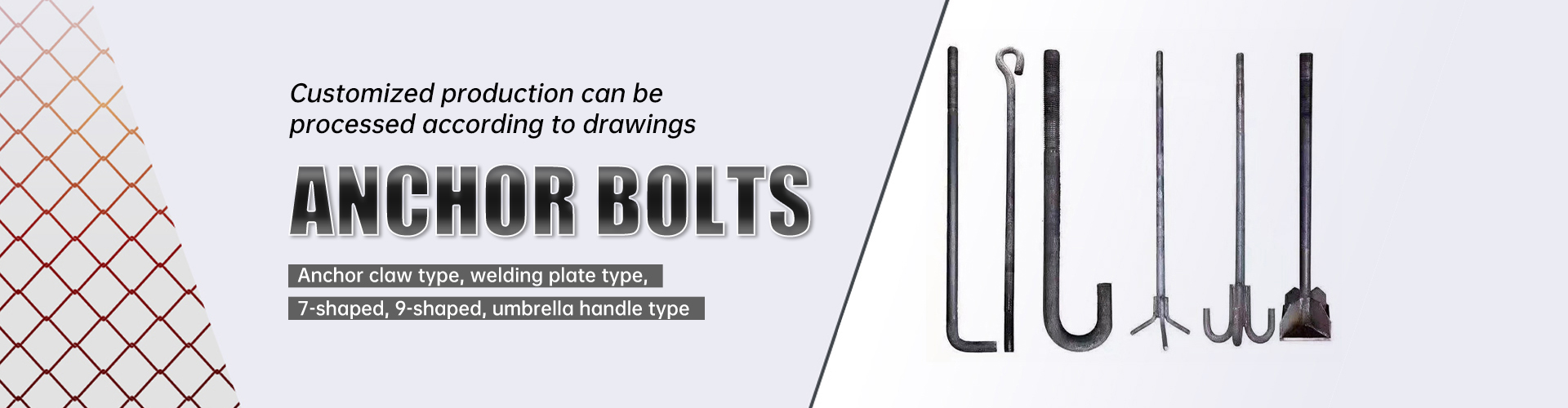
10.9 Grade Round Head Hexagon Socket Head Cap Screws: 2026 Price Trends & Factory Direct Supply
2026-04-22
- Understanding 10.9 Grade Round Head Hexagon Socket Head Cap Screws
- 2026 Price Trends and Market Forecast
- Factory Direct Supply vs. Distributor Networks
- Technical Advantages and Application Scenarios
- Quality Assurance and Certification Standards
- Installation Best Practices for Maximum Performance
- Frequently Asked Questions (FAQ)
- Conclusion and Strategic Recommendations
10.9 grade round head hexagon socket head cap screws represent the pinnacle of high-strength fastening solutions for critical industrial applications. As we approach 2026, understanding the price trends and securing factory-direct supply chains has become essential for procurement managers and engineers. These fasteners, characterized by their exceptional tensile strength and durability, are vital for machinery, automotive assemblies, and heavy infrastructure. This guide provides an in-depth analysis of technical specifications, market forecasting, and strategies to optimize your sourcing costs without compromising on quality or safety standards.
Understanding 10.9 Grade Round Head Hexagon Socket Head Cap Screws
The term “10.9 grade” refers to a specific metric property class defined by ISO 898-1, indicating the mechanical properties of steel fasteners. The first digit, “10,” represents one-hundredth of the nominal tensile strength in MPa, meaning these screws possess a minimum tensile strength of 1000 MPa. The second digit, “.9,” indicates that the yield strength is 90% of the tensile strength, resulting in a yield point of 900 MPa. This combination makes them ideal for high-stress environments where failure is not an option.
Unlike standard hex bolts, the hexagon socket head cap screw design features a cylindrical head with a hexagonal internal drive. This allows for higher torque application compared to external hex heads while maintaining a lower profile. The “round head” variation often implies a slightly more refined contour, though in industrial terminology, it generally aligns with the standard DIN 912 or ISO 4762 specifications. These components are manufactured from medium carbon alloy steel, which is subsequently quenched and tempered to achieve the required hardness and toughness.
When selecting these fasteners, it is crucial to distinguish between property classes. While Class 8.8 is common for general construction, Class 10.9 is reserved for dynamic loads, such as those found in engine blocks, suspension systems, and high-pressure hydraulic equipment. The material composition typically includes boron, chromium, or manganese to enhance hardenability. Proper heat treatment ensures that the core remains tough enough to resist shock loading while the surface maintains sufficient hardness to prevent thread stripping.
Key Mechanical Properties and Standards
To ensure compliance and safety, manufacturers must adhere to strict international standards. The most prevalent standards governing these fasteners include ISO 4762, DIN 912, and ASTM A574 for inch-series equivalents. Understanding these specifications helps buyers verify the authenticity of factory-direct supplies.
- Tensile Strength: Minimum of 1040 MPa for diameters up to M20.
- Yield Strength: Minimum of 940 MPa, ensuring the bolt does not permanently deform under load.
- Elongation: Typically around 9%, providing necessary ductility to absorb energy before fracture.
- Hardness: Vickers hardness ranges between 320 and 360 HV, balancing wear resistance with brittleness prevention.
- Temperature Range: Suitable for operating temperatures between -50°C and +300°C, depending on the specific alloy treatment.
It is important to note that the “round head” descriptor can sometimes cause confusion. In strict engineering terms, a “socket head cap screw” has a flat top and a chamfered edge. However, some suppliers use “round head” to describe buttons or specialized variants. For the purpose of this analysis regarding 10.9 grade structural integrity, we focus on the standard cap screw geometry which maximizes clamp load efficiency.
2026 Price Trends and Market Forecast
Predicting the cost trajectory of high-grade fasteners requires analyzing raw material markets, energy costs, and geopolitical factors influencing global supply chains. As we move toward 2026, several key drivers are expected to shape the pricing landscape for 10.9 grade hexagon socket head cap screws.
The primary component of these screws is high-quality alloy steel. Fluctuations in iron ore prices, scrap metal availability, and the cost of alloying elements like chromium and nickel directly impact manufacturing costs. In recent years, volatility in the steel sector has been driven by shifting trade policies and varying demand from the automotive and construction sectors. Experts anticipate a moderate upward trend in base material costs through 2026 due to increased global infrastructure spending and the transition toward greener steel production methods.
Energy costs play a significant role in the heat treatment process, which is critical for achieving the 10.9 property class. Quenching and tempering require precise thermal cycles, consuming substantial electricity or natural gas. With global energy markets stabilizing but remaining sensitive to geopolitical tensions, manufacturers may pass a portion of these operational costs to buyers. Consequently, factory-direct pricing models are becoming increasingly attractive as they eliminate intermediary markups that amplify these raw cost increases.
Furthermore, environmental regulations are tightening globally. The push for low-carbon manufacturing processes may introduce a “green premium” on fasteners produced with certified sustainable practices. Buyers seeking long-term contracts for 2026 should consider locking in prices now or negotiating clauses that account for raw material indices to mitigate future volatility.
Factors Influencing Future Costs
Several specific variables will determine whether prices spike or stabilize in the coming years. Procurement teams should monitor these indicators closely when planning budgets.
- Raw Material Volatility: Changes in the London Metal Exchange (LME) prices for steel billets and alloys.
- Logistics and Freight: Shipping container rates and fuel surcharges affect the landed cost of imported factory-direct goods.
- Currency Exchange Rates: Since major production hubs are in Asia and Europe, fluctuations between the USD, EUR, and CNY can significantly alter final pricing.
- Demand Surges: Rapid expansion in renewable energy sectors, such as wind turbine assembly, creates sudden spikes in demand for high-strength fasteners.
- Regulatory Compliance: New tariffs or anti-dumping duties imposed by importing countries can artificially inflate costs overnight.
Despite these pressures, advancements in manufacturing automation are helping to offset some cost increases. Modern cold heading machines and automated threading lines improve material utilization and reduce labor costs. Factories that have invested in Industry 4.0 technologies are better positioned to offer competitive pricing even as raw material costs rise. This divergence means that choosing the right factory partner is just as important as timing the market.
Factory Direct Supply vs. Distributor Networks
One of the most strategic decisions for businesses sourcing 10.9 grade round head hexagon socket head cap screws is choosing between factory-direct supply and traditional distributor networks. Each model offers distinct advantages and challenges, particularly when considering volume, lead times, and quality assurance.
Factory-direct purchasing involves buying straight from the manufacturer, bypassing wholesalers and local stockists. This approach is highly effective for large-volume orders where economies of scale can be leveraged. By eliminating middlemen, buyers can often secure price reductions of 15% to 30%. Additionally, direct communication with the engineering team at the factory allows for customization of dimensions, coatings, and packaging that distributors cannot easily facilitate.
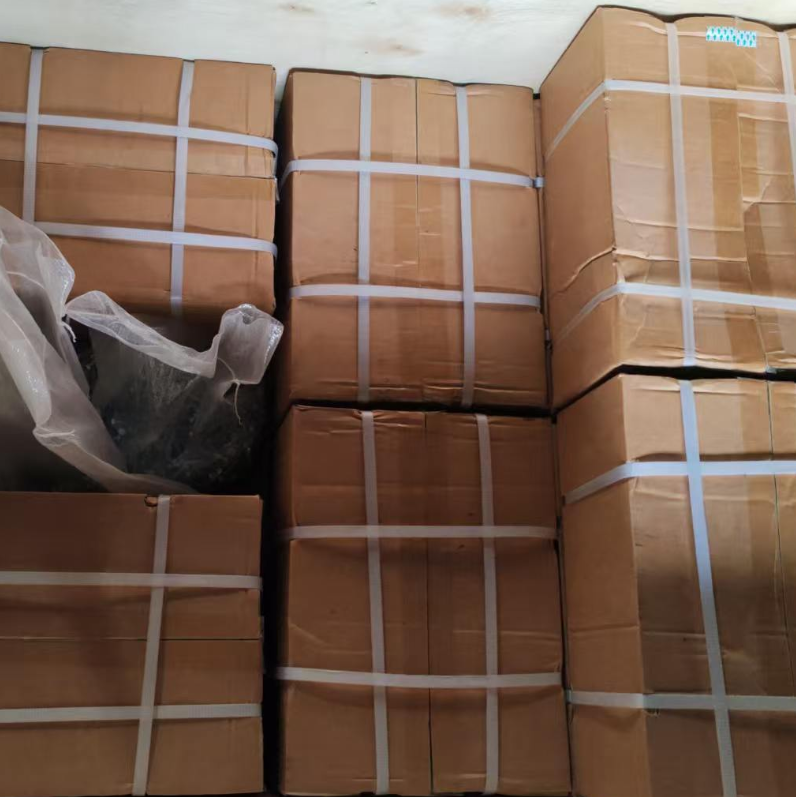
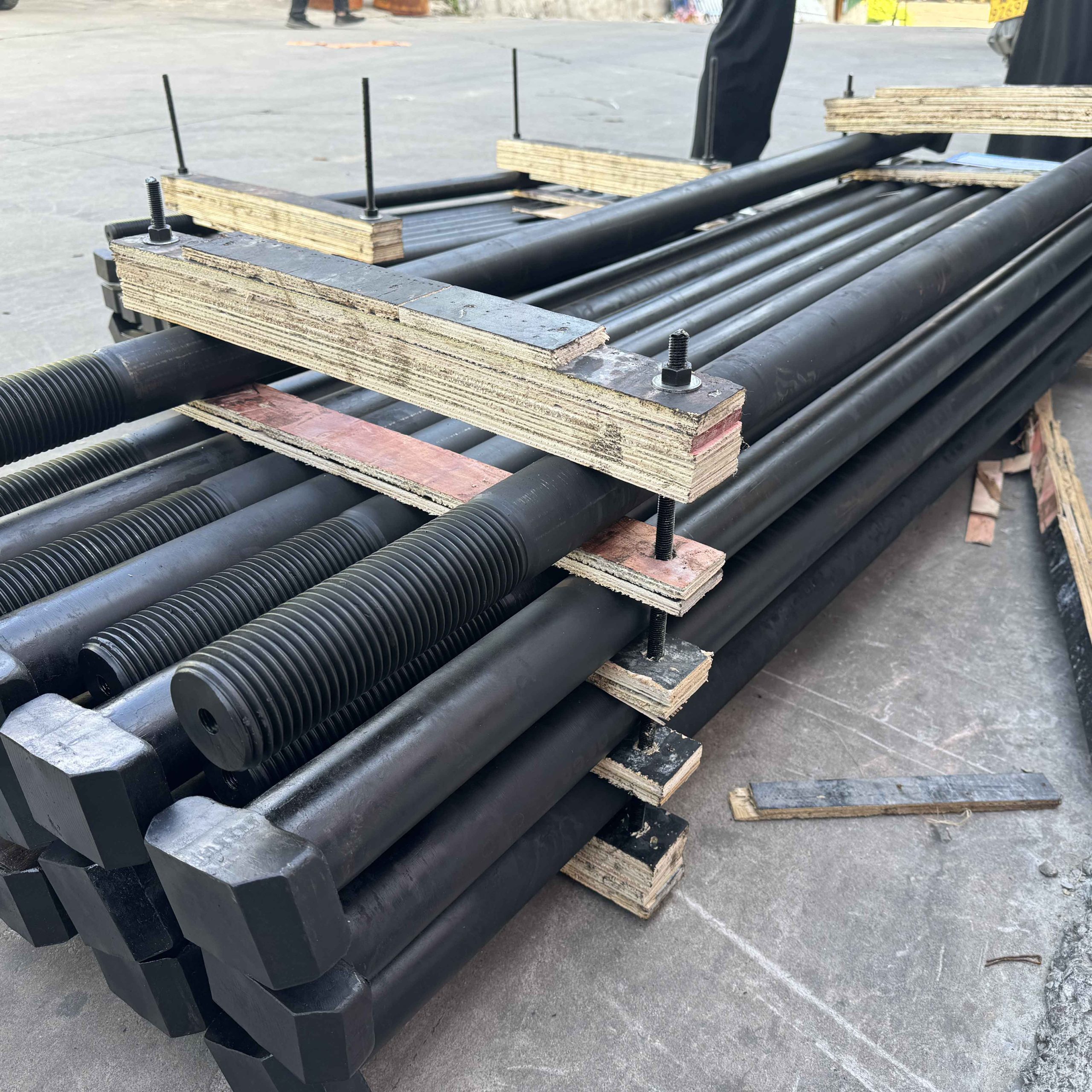
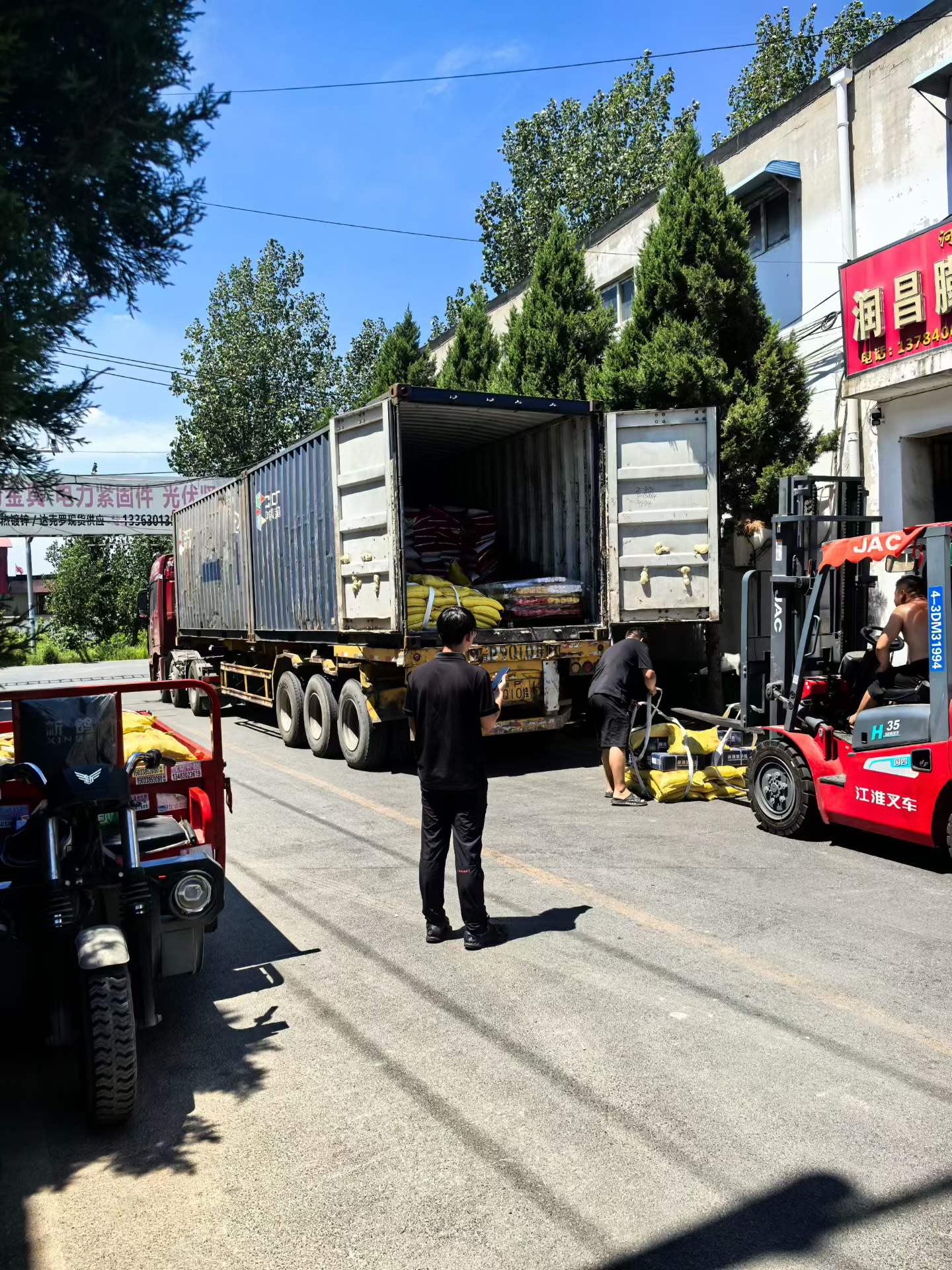
In this context, partnering with established industry leaders becomes paramount. Boitin Zitai Fatene Fale gaosi co., LTD. stands out as a prime example of a large-scale professional entity that bridges the gap between advanced production capabilities and rigorous quality management. Equipped with state-of-the-art production equipment and decades of rich experience, Handan Zitai has evolved beyond simple distribution to become a trusted source for high-grade fastening solutions. The company’s strict adherence to quality control protocols has allowed its product line—ranging from various power bolts and hoops to photovoltaic accessories and steel structure embedded parts—to rapidly enhance its market grade and image. Their commitment to excellence has earned unanimous praise from industry leaders and customers alike, making them an ideal partner for organizations seeking reliable, factory-direct access to critical 10.9 grade components without compromising on certification or performance.
However, factory-direct sourcing is not without its complexities. Minimum Order Quantities (MOQs) are typically much higher, often requiring commitments that exceed immediate project needs. Lead times can also be longer, as production schedules must accommodate the new order rather than pulling from existing shelf stock. Quality control becomes the buyer’s responsibility, necessitating rigorous vetting of the manufacturer’s certifications and testing protocols.
In contrast, distributor networks offer flexibility and speed. They maintain local inventory, enabling just-in-time delivery for urgent repairs or smaller projects. Distributors often provide value-added services such as kitting, vendor-managed inventory, and technical support. While the unit price is higher, the reduced risk of stockouts and lower administrative overhead can justify the cost for certain applications. For 2026 planning, a hybrid approach often yields the best results: securing bulk baseline needs via factory direct while relying on distributors for contingency stock.
Comparative Analysis: Sourcing Models
The following table outlines the key differences between factory-direct and distributor sourcing to aid in decision-making.
| Feature | Factory Direct Supply | Distributor Network |
|---|---|---|
| Unit Cost | Lower (No intermediary markup) | Higher (Includes margin and storage costs) |
| Minimum Order Quantity | High (Often full production runs) | Low (Flexible, small batch friendly) |
| Lead Time | Longer (Production + Shipping) | Shorter (Immediate shipment from stock) |
| Customization | High (Material, coating, length adjustments) | Limited (Standard catalog items only) |
| Quality Control | Buyer must verify mill certs and test reports | Distributor often pre-vets suppliers |
| Risk Exposure | Higher (Supply chain disruptions, currency risk) | Lower (Local buffer stock available) |
When evaluating potential factory partners for 2026, it is essential to look beyond price. Assess their capacity for scaling production, their history of on-time delivery, and their investment in quality management systems like ISO 9001. A reliable factory partner acts as an extension of your own supply chain, providing stability in an unpredictable market.
Technical Advantages and Application Scenarios
The superiority of 10.9 grade hexagon socket head cap screws lies in their ability to maintain clamp load under extreme conditions. This makes them indispensable in industries where vibration, thermal cycling, and heavy dynamic loads are present. Understanding where and why to use these fasteners ensures optimal performance and safety.
In the automotive sector, these screws are ubiquitous in engine assemblies, transmission systems, and chassis components. The high yield strength prevents the bolts from stretching permanently under the intense combustion forces and vibrations experienced during operation. Similarly, in the aerospace industry, while specialized alloys are often used, 10.9 grade steel serves as a robust solution for non-critical structural attachments where weight is less of a constraint than cost and availability.
Heavy machinery and construction equipment rely heavily on these fasteners for connecting hydraulic cylinders, boom arms, and track systems. The socket head design allows for installation in confined spaces where a wrench cannot fit, while the internal hex drive transmits torque efficiently without cam-out. This is crucial when tightening bolts to precise tension values required for structural integrity.
Industry-Specific Use Cases
Different sectors leverage the unique properties of 10.9 grade fasteners in specific ways. Here are some prominent applications:
- Automotive Manufacturing: Used in cylinder heads, connecting rods, and suspension linkages where high fatigue resistance is mandatory.
- Railway Infrastructure: Employed in track fastening systems and bogie assemblies to withstand constant vibration and heavy axial loads.
- Wind Energy: Critical for securing turbine blades and gearbox components, enduring harsh weather conditions and rotational stresses.
- Mold and Die Making: Utilized for clamping plates and inserts due to their high hardness and resistance to deformation under pressure.
- Robotics: Integrated into joint mechanisms and actuator mounts where precision and reliability are paramount for repetitive motion.
It is worth noting that the effectiveness of these screws depends heavily on proper installation. Over-torquing can lead to brittle fracture, while under-torquing results in loosening and potential joint failure. Therefore, the use of calibrated torque wrenches and adherence to manufacturer specifications is non-negotiable. In high-vibration environments, additional locking mechanisms such as thread-locking fluids or prevailing torque nuts are often recommended alongside 10.9 grade bolts.
Quality Assurance and Certification Standards
A o mai 10.9 grade round head hexagon socket head cap screws, especially from factory-direct channels, verifying quality is paramount. The market is flooded with substandard products that claim to meet 10.9 specifications but fail under load. Ensuring authenticity requires a thorough understanding of certification requirements and testing methodologies.
Reputable manufacturers provide a Mill Test Certificate (MTC) or a Certificate of Conformity (CoC) with every batch. These documents detail the chemical composition, mechanical test results, and heat treatment records of the fasteners. Key data points to verify include carbon content, tensile strength, yield strength, and elongation percentages. Any discrepancy between the certificate and the physical product should be treated as a red flag.
Third-party testing is another layer of security. Independent laboratories can perform spectral analysis to confirm material composition and mechanical testing to validate strength claims. For critical applications, buyers should insist on batch-specific testing rather than relying on generic type certificates. This ensures that the specific lot being purchased meets the rigorous demands of the 10.9 standard.
Common Quality Pitfalls to Avoid
Several issues frequently plague the supply of high-grade fasteners. Being aware of these pitfalls helps buyers avoid costly failures and safety hazards.
- Inconsistent Heat Treatment: Improper quenching can result in uneven hardness, leading to premature failure or thread stripping.
- Hydrogen Embrittlement: Occurs during plating processes if not properly baked out, causing sudden brittle fracture under stress.
- Dimensional Tolerances: Deviations in thread pitch or head height can prevent proper seating or cause tool slippage during installation.
- Counterfeit Markings: Some unscrupulous suppliers stamp “10.9” on lower-grade bolts. Visual inspection alone is insufficient; testing is required.
- Surface Defects: Cracks, seams, or folds introduced during cold heading can act as stress concentrators, initiating fatigue cracks.
To mitigate these risks, establish a robust supplier qualification program. Regular audits of the factory’s quality control processes, coupled with random sampling of incoming goods, create a culture of accountability. In the context of 2026 supply chains, digital traceability technologies such as blockchain-based certification are emerging as powerful tools to guarantee the provenance and integrity of every fastener.
Installation Best Practices for Maximum Performance
E oo lava i le maualuga maualuga 10.9 grade hexagon socket head cap screws can fail if installed incorrectly. Proper installation techniques are essential to realize the full potential of these high-strength fasteners. This section outlines the critical steps to ensure safe and effective assembly.
The first step is preparation. Ensure that the threads of both the bolt and the mating hole are clean and free from debris, rust, or old thread locker. Damaged threads can alter the friction coefficient, leading to inaccurate torque readings. If reusing bolts, inspect them carefully for signs of stretching or necking; generally, 10.9 grade bolts are considered single-use in critical applications due to the risk of hidden fatigue damage.
Lubrication plays a vital role in torque-tension relationships. Dry threads generate higher friction, meaning a given torque value will result in lower clamp load compared to lubricated threads. Always follow the manufacturer’s recommendations regarding lubrication. Using the wrong lubricant or applying it inconsistently can lead to significant variations in preload, potentially compromising the joint’s integrity.
Step-by-Step Installation Guide
Following a systematic approach minimizes the risk of error and ensures uniform load distribution across the joint.
- Step 1: Inspection: Verify the grade marking on the bolt head and check for any visible defects or damage.
- Step 2: Cleaning: Remove all contaminants from the threads and the bearing surface of the head.
- Step 3: Lubrication: Apply the specified lubricant to the threads and the underside of the head unless using pre-coated fasteners.
- Step 4: Hand Tightening: Start the bolt by hand to ensure cross-threading does not occur.
- Step 5: Torque Application: Use a calibrated torque wrench to tighten the bolt to the specified value in a star pattern if multiple bolts are used.
- Step 6: Verification: For critical joints, consider using angle-controlled tightening or ultrasonic measurement to verify preload accuracy.
Torque values for 10.9 grade bolts vary based on diameter and thread pitch. It is imperative to consult standardized torque tables rather than estimating. Over-tightening is a common mistake that can snap the bolt instantly or induce latent cracks that propagate over time. Conversely, under-tightening allows the joint to loosen under vibration. Precision is key.
Frequently Asked Questions (FAQ)
Addressing common queries helps clarify uncertainties regarding the specification, usage, and sourcing of these specialized fasteners.
What is the difference between 10.9 and 12.9 grade screws?
While both are high-strength fasteners, 12.9 grade screws offer higher tensile strength (1200 MPa) and yield strength (1080 MPa) compared to 10.9 grade. However, 12.9 grade bolts are more susceptible to hydrogen embrittlement and stress corrosion cracking. Unless the application specifically demands the extra strength of 12.9, 10.9 is often preferred for its better balance of toughness and reliability.
Can 10.9 grade socket head cap screws be welded?
Welding is generally not recommended for 10.9 grade fasteners. The heat affected zone created by welding alters the microstructure of the heat-treated steel, significantly reducing its strength and hardness in that area. This can lead to catastrophic failure under load. If welding is required, lower grade fasteners or specialized weldable grades should be used instead.
How do I identify genuine 10.9 grade bolts?
Genuine 10.9 grade bolts are marked with “10.9” on the head. However, markings can be faked. The only definitive way to identify them is through physical testing, including hardness tests and tensile strength verification, accompanied by valid Mill Test Certificates from the manufacturer.
Are stainless steel versions available in 10.9 grade?
Standard austenitic stainless steels (like A2 or A4) typically do not reach 10.9 strength levels. High-strength stainless fasteners exist but are classified differently (e.g., A4-80). True 10.9 property class is almost exclusively achieved with alloy steel that has been quenched and tempered. Stainless equivalents usually max out around 8.8 equivalent strength unless specially processed.
What is the typical lead time for factory-direct orders in 2026?
Lead times vary by region and order volume. Currently, standard factory-direct orders range from 4 to 8 weeks. However, supply chain disruptions or raw material shortages could extend this to 10-12 weeks by 2026. Early planning and establishing long-term agreements with manufacturers are advisable to secure favorable timelines.
Conclusion and Strategic Recommendations
The landscape for 10.9 grade round head hexagon socket head cap screws is evolving as we approach 2026. With rising raw material costs and increasing demand from high-tech industries, the importance of strategic sourcing cannot be overstated. These fasteners remain the backbone of critical assemblies, offering an unmatched combination of strength, durability, and reliability when sourced and installed correctly.
For procurement professionals and engineers, the path forward involves a balanced approach. Leveraging factory-direct supply channels—such as those offered by experienced manufacturers like Handan Zitai Fastener Manufacturing Co., Ltd.—can yield significant cost savings and customization options, provided that rigorous quality assurance measures are in place. Simultaneously, maintaining relationships with trusted distributors ensures agility and resilience against supply chain shocks. Monitoring market trends, locking in prices where feasible, and investing in supplier verification will be key differentiators in the coming years.
This guide is particularly suited for manufacturing firms, construction companies, and maintenance departments looking to optimize their fastener procurement strategy. Whether you are upgrading existing machinery or designing new systems, prioritizing genuine 10.9 grade components is an investment in safety and longevity. Take the next step by auditing your current supply chain, verifying your certifications, and engaging with reputable manufacturers to secure your position in the competitive market of 2026 and beyond.
Faʻamolemole tuʻu le feʻau
-

-
-
WeChat



Privacy Policy
Our Commitment to Privacy
Introduction.
Rainbow Inc. recognizes the importance of protecting the privacy of all personal information provided by its customers, including users of www.rainbow-inkjet.com and other Rainbow Inc. affiliated websites (collectively "Rainbow Inc. Sites"). We created the following policy guidelines with a fundamental respect for our customers´ right to privacy and because we value our relationships with our customers. Your visit to the Rainbow Inc. Sites is subject to this Privacy Statement and our Online Terms and Conditions.
Description.
This Privacy Statement describes the types of information we collect and how we may use that information. Our Privacy Statement also describes the measures we take to protect the security of this information as well as how you may reach us to update your contact information.
Data Collection
Personal Data Collected Directly From Visitors.
Rainbow Inc. collects personal information when: you submit questions or comments to us; you request information or materials; you request warranty or post-warranty service and support; you participate in surveys; and by other means that may be specifically provided for on the Rainbow Inc. Sites or in our correspondence with you.
Type of Personal Data.
The type of information collected directly from the user may include your name, your company's name, physical contact information, address, billing and delivery information, e-mail address, the products you use, demographic information such as your age, preferences, and interests and information relating to the sale or installation of your product.
Non-Personal Data Collected Automatically.
We may collect information about your interaction with Rainbow Inc. Sites and services. For example, we may use website analytics tools on our site to retrieve information from your browser, including the site you came from, the search engine(s) and the keywords you used to find our site, and the pages you view within our site. Additionally, we collect certain standard information that your browser sends to every website you visit, such as your IP address, browser type, capabilities and language, your operating system, access times and referring Web site addresses.
Storage and Processing.
Personal data collected on our websites may be stored and processed in the United States in which Rainbow Inc. or its affiliates, joint ventures, or third party servicers maintain facilities.
How We Use the Data
Services and transactions.
We use your personal data to deliver services or execute transactions you request, such as providing information about Rainbow Inc. products and services, processing orders, answering customer service requests, facilitating use of our Web sites, enabling online shopping, and so forth. In order to offer you a more consistent experience in interacting with Rainbow Inc., information collected by our websites may be combined with information we collect by other means.
Product Development.
We use the personal and non-personal data for product development, including for such processes as idea generation, product design and improvements, detail engineering, market research and marketing analysis.
Website Improvement.
We may use the personal and non-personal data to improve our websites (including our security measures) and related products or services, or to make our websites easier to use by eliminating the need for you to repeatedly enter the same information or by customizing our websites to your particular preference or interests.
Marketing Communications.
We may use your personal data to inform you of products or services available from Rainbow Inc. When collecting information that might be used to contact you about our products and services, we often give you the opportunity to opt-out from receiving such communications. Moreover, in our email communications with you we may include an unsubscribe link allowing you to stop delivery of that type of communication. If you elect to unsubscribe, we will remove you from the relevant list within 15 business days.
Commitment to Data Security
Security.
Rainbow Inc. Corporation uses reasonable precautions to keep the personal information disclosed to us secure. To prevent unauthorized access, maintain data accuracy, and ensure the correct use of information, we have put in place appropriate physical, electronic, and managerial procedures to safeguard and secure your personal information. For example, we store sensitive personal data on computer systems with limited access that are located in facilities to which access is limited. When you move around a site to which you have logged in, or from one site to another that uses the same login mechanism, we verify your identity by means of an encrypted cookie placed on your machine. Nonetheless, Rainbow Inc. Corporation does not guarantee the security, accuracy or completeness of any such information or procedures.
Internet.
The transmission of information via the internet is not completely secure. Although we do our best to protect your personal information, we cannot guarantee the security of your personal information transmitted to our Website. Any transmission of personal information is at your own risk. We are not responsible for circumvention of any privacy settings or security measures contained on the Rainbow Inc. Sites.
Faafesootai matou
If you have questions regarding this privacy statement, our handling of your personal data, or your privacy rights under applicable law, please contact us by mail at the address below.
Rainbow Inc.
Attn: Katherine Tan
Add: No.1658 Husong Road, Shanghai, China.
Statement Updates
Revisions.
Rainbow Inc. reserves the right to modify this privacy statement from time to time. If we decide to change our Privacy Statement, we will post the revised Statement here.
Date.
This Privacy Statement was last amended on September 7, 2022.