
- English
- Chinese
- French
- German
- Portuguese
- Spanish
- Russian
- Japanese
- Korean
- Arabic
- Irish
- Greek
- Turkish
- Italian
- Danish
- Romanian
- Indonesian
- Czech
- Afrikaans
- Swedish
- Polish
- Basque
- Catalan
- Esperanto
- Hindi
- Lao
- Albanian
- Amharic
- Armenian
- Azerbaijani
- Belarusian
- Bengali
- Bosnian
- Bulgarian
- Cebuano
- Chichewa
- Corsican
- Croatian
- Dutch
- Estonian
- Filipino
- Finnish
- Frisian
- Galician
- Georgian
- Gujarati
- Haitian
- Hausa
- Hawaiian
- Hebrew
- Hmong
- Hungarian
- Icelandic
- Igbo
- Javanese
- Kannada
- Kazakh
- Khmer
- Kurdish
- Kyrgyz
- Latin
- Latvian
- Lithuanian
- Luxembou..
- Macedonian
- Malagasy
- Malay
- Malayalam
- Maltese
- Maori
- Marathi
- Mongolian
- Burmese
- Nepali
- Norwegian
- Pashto
- Persian
- Punjabi
- Serbian
- Sesotho
- Sinhala
- Slovak
- Slovenian
- Somali
- Scots Gaelic
- Shona
- Sindhi
- Sundanese
- Swahili
- Tajik
- Tamil
- Telugu
- Thai
- Ukrainian
- Urdu
- Uzbek
- Vietnamese
- Welsh
- Xhosa
- Yiddish
- Yoruba
- Zulu
- Kinyarwanda
- Tatar
- Oriya
- Turkmen
- Uyghur


External Hexagonal Phillips Head Cap Screws 2026: Best Price & Bulk Supply
2026-04-12
- Understanding External Hexagonal Phillips Head Cap Screws in 2026
- Market Trends and Pricing Dynamics for Bulk Supply
- Technical Specifications and Material Grades
- Advantages of Dual-Drive Fastener Systems
- Talosaga i luga o malae
- Installation Best Practices and Guidelines
- Quality Assurance and Certification Standards
- Frequently Asked Questions (FAQ)
- Strategic Sourcing for Best Price and Supply
- Future Outlook: Innovation in Fastener Technology
- Conclusion and Final Recommendations
External hexagonal Phillips head cap screws are hybrid fasteners combining a six-sided external drive with a cross-recessed top, designed for versatile installation and high torque application. In 2026, these components represent a critical solution for industries requiring dual-drive compatibility, offering manufacturers the best price through optimized bulk supply chains and advanced cold-heading production techniques.
Understanding External Hexagonal Phillips Head Cap Screws in 2026
The evolution of fastener technology has led to the widespread adoption of dual-drive systems. An external hexagonal Phillips head cap screw is not merely a standard bolt; it is an engineering response to complex assembly line requirements. These fasteners feature a hexagonal outer shape that allows for high-torque application using a wrench or socket, while the internal Phillips recess provides a secondary drive method for finer adjustments or automated screwdriving.
In the current industrial landscape of 2026, the demand for such versatility has surged. Manufacturers across automotive, aerospace, and heavy machinery sectors prioritize components that reduce tooling changes and minimize assembly errors. The dual-head design ensures that if one drive type is inaccessible due to spatial constraints, the alternative remains available. This redundancy significantly enhances operational efficiency on the factory floor.
Furthermore, the “cap screw” designation indicates a higher precision manufacturing standard compared to ordinary bolts. These screws are machined to tighter tolerances, ensuring a smooth finish and consistent thread engagement. When sourcing these items for bulk projects, understanding the specific grade and material composition is vital for maintaining structural integrity under load.
Key Structural Components
To fully appreciate the value of these fasteners, one must analyze their geometric design. The external hexagon provides a large surface area for torque transfer, reducing the risk of rounding off during high-stress tightening. Conversely, the Phillips head offers self-centering capabilities, which accelerates the initial threading process in automated assembly lines.
- Head Geometry: The hexagonal profile typically adheres to ISO 4014 or DIN 931 standards, ensuring compatibility with global metric tooling.
- Drive Recess: The Phillips cross is stamped or machined to precise depths, preventing cam-out under moderate torque while allowing rapid driver engagement.
- Shank and Thread: Fully threaded or partially threaded options exist, with thread pitches optimized for vibration resistance in dynamic environments.
- Underhead Fillet: A radiused transition between the head and shank reduces stress concentration, enhancing fatigue life.
This combination of features makes the external hexagonal Phillips head cap screw a superior choice for applications where reliability cannot be compromised. The design mitigates the limitations of single-drive fasteners, providing engineers with a robust solution for critical joints.
Market Trends and Pricing Dynamics for Bulk Supply
The global fastener market in 2026 is characterized by volatile raw material costs and shifting supply chain logistics. However, suppliers specializing in external hexagonal Phillips head cap screws have managed to stabilize pricing through strategic stockpiling and localized manufacturing hubs. For buyers seeking the best price, understanding these market dynamics is essential for negotiating favorable bulk contracts.
Raw material fluctuations, particularly in steel and stainless steel alloys, directly impact unit costs. Recent trends show a slight stabilization in carbon steel prices, while specialty alloys like Inconel or Titanium remain premium. Bulk purchasers can leverage long-term agreements to lock in rates, shielding their projects from sudden market spikes. Suppliers who integrate vertical manufacturing processes often pass these savings directly to the customer.
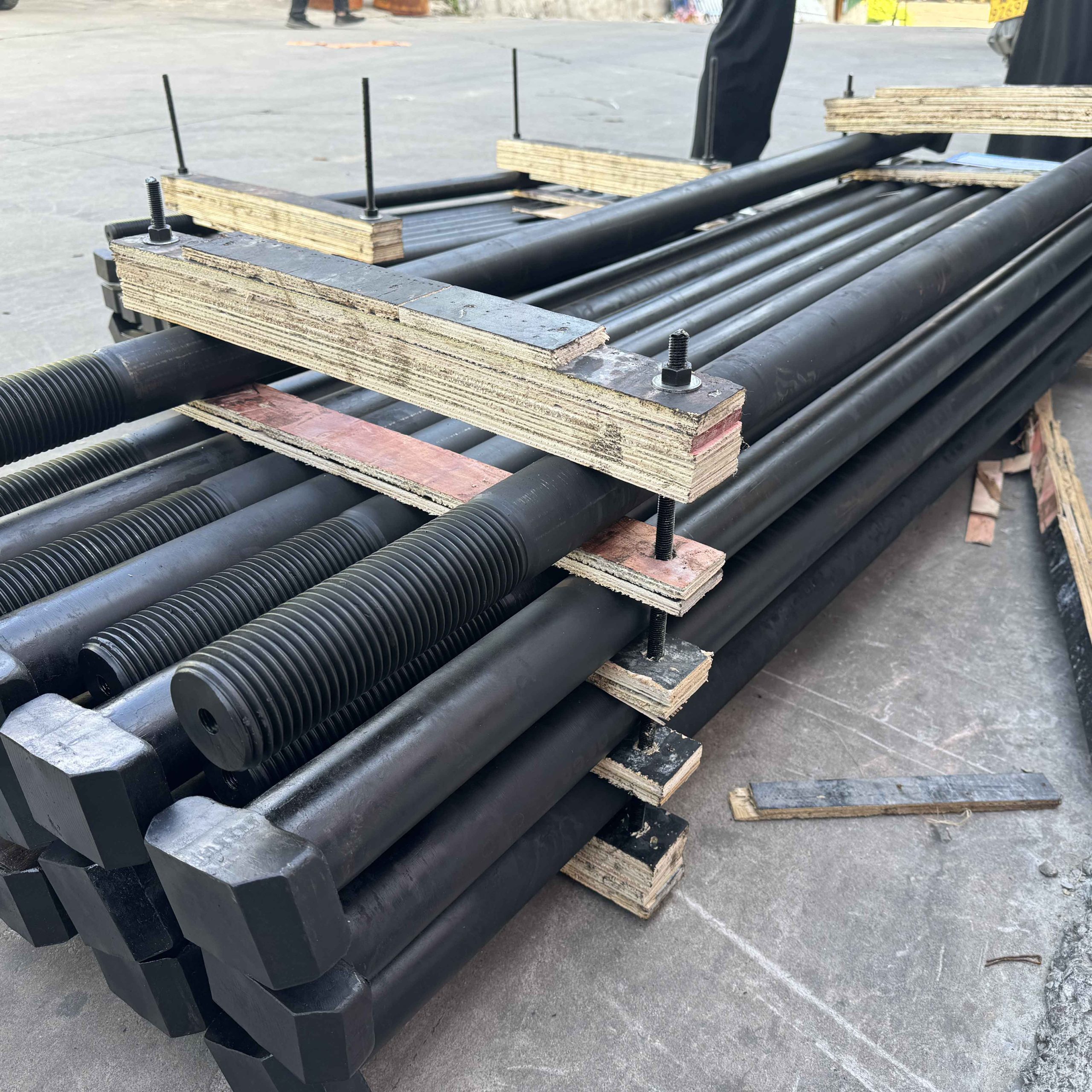
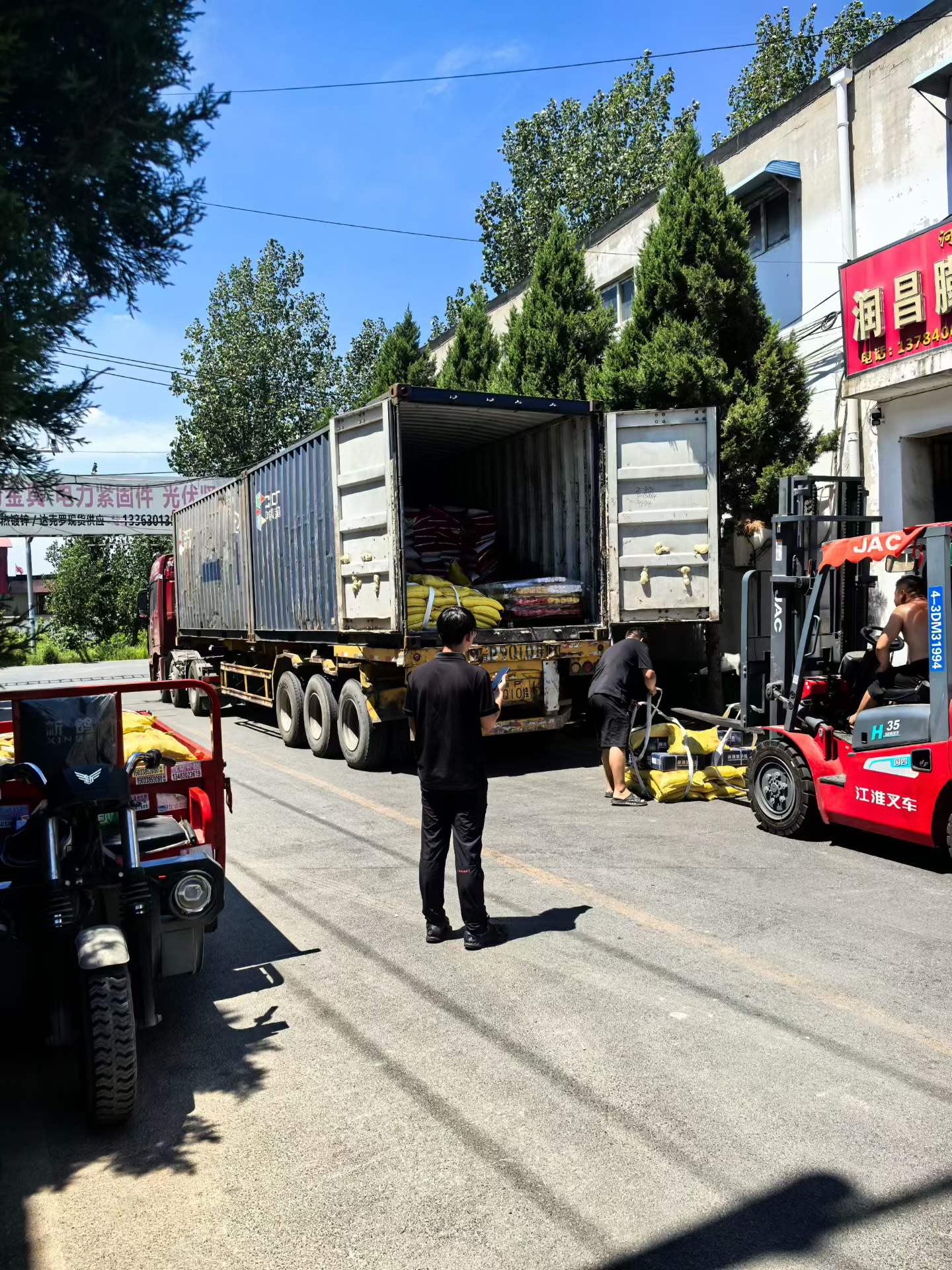
Leading this charge in quality and scale is Boitin Zitai Fatene Fale gaosi co., LTD., a large-scale professional distributor equipped with advanced production equipment and decades of rich industry experience. By strictly managing product quality from raw material selection to final inspection, Handan Zitai has enabled its products to continuously expand their market presence while rapidly enhancing their grade and image. Their commitment to excellence has won unanimous praise from industry leaders and customers alike, making them a trusted partner for sourcing various power bolts, hoops, photovoltaic accessories, steel structure embedded parts, and specialized dual-drive cap screws.
Factors Influencing Unit Cost
Several variables determine the final price per unit when ordering in volume. Ignoring these factors can lead to budget overruns or the procurement of substandard materials. A comprehensive cost analysis should consider the following elements:
- Material Grade: Standard carbon steel (Grade 8.8) is the most economical, whereas stainless steel (A2/A4) or alloy steel (Grade 10.9/12.9) commands a higher price due to corrosion resistance and tensile strength.
- Surface Coatings: Zinc plating, hot-dip galvanizing, or geometric coatings add cost but extend service life. The choice of coating depends on the environmental exposure of the final application.
- Order Volume: Economies of scale play a significant role. Orders exceeding pallet quantities often trigger tiered discount structures, drastically reducing the cost per piece.
- Customization: Non-standard lengths, unique head heights, or proprietary thread forms require specialized tooling, increasing the initial setup cost.
Smart procurement strategies involve balancing immediate project needs with long-term inventory planning. By forecasting usage rates accurately, companies can optimize order sizes to hit the most advantageous price brackets without tying up excessive capital in static inventory.
Technical Specifications and Material Grades
Selecting the correct specification is paramount for the safety and longevity of any mechanical assembly. External hexagonal Phillips head cap screws are available in a wide range of material grades, each suited for specific environmental and load-bearing conditions. Misidentifying the required grade can lead to catastrophic failure or unnecessary expenditure on over-engineered solutions.
International standards such as ISO, DIN, and ASTM provide the framework for these specifications. In 2026, adherence to these standards is more rigorous than ever, driven by increased liability concerns and quality assurance protocols. Buyers must verify certification documents, such as Mill Test Reports (MTRs), to ensure compliance with stated properties.
Comparison of Common Material Grades
The following table outlines the primary differences between common material grades used in the production of these cap screws. This comparison aids engineers in selecting the optimal balance between strength, corrosion resistance, and cost.
| Material Grade | Tensile Strength (MPa) | Faatafunaina o tetee | Typical Applications | Cost Index |
|---|---|---|---|---|
| Carbon Steel 8.8 | 800 | Low (Requires Coating) | General Machinery, Automotive Frames | Low |
| Alloy Steel 10.9 | 1040 | Low (Requires Coating) | High-Stress Joints, Suspension Systems | Feololo |
| Stainless Steel A2 (304) | 700 | High | Food Processing, Marine Environments | Medium-High |
| Stainless Steel A4 (316) | 800 | Very High | Chemical Plants, Offshore Platforms | High |
| Titanium Grade 5 | 900+ | Sili ona lelei | Aerospace, Medical Implants | Very High |
It is crucial to note that while higher grades offer superior performance, they are not always necessary. Over-specifying materials can inflate project costs without adding tangible value. Conversely, under-specifying can compromise safety. Engineers must evaluate the specific loads, environmental exposures, and regulatory requirements of their projects before finalizing material choices.
Advantages of Dual-Drive Fastener Systems
The integration of both hexagonal and Phillips drives into a single fastener offers distinct operational advantages. These benefits extend beyond mere convenience, impacting the overall efficiency, safety, and maintenance of mechanical systems. As industries move towards more automated and flexible manufacturing processes, the role of dual-drive screws becomes increasingly prominent.
Operational Flexibility and Efficiency
One of the primary advantages is the ability to switch between drive types based on the tooling available or the specific phase of assembly. During the initial installation, the Phillips drive allows for rapid spinning of the screw into place using powered screwdrivers. Once seated, the external hexagon enables the application of high torque to achieve the required clamp load without stripping the head.
- Reduced Tooling Changes: Assembly lines can operate with fewer tool changeovers, minimizing downtime and increasing throughput.
- Accessibility: In confined spaces where a socket wrench cannot fit, a screwdriver can be used, and vice versa.
- Error Reduction: The dual-drive design reduces the likelihood of stripped heads, a common issue that leads to rework and part rejection.
- Maintenance Ease: Field technicians benefit from the flexibility to use whatever tool is at hand during repairs, reducing equipment burden.
This flexibility is particularly valuable in complex assemblies where access angles vary significantly. The external hexagonal Phillips head cap screw ensures that the joint can be secured reliably regardless of the physical constraints surrounding the fastener location.
Enhanced Torque Transmission
While Phillips drives are excellent for speed, they are prone to cam-out under high torque. The external hexagon compensates for this limitation by providing a robust interface for final tightening. This hybrid approach maximizes the strengths of both drive types while mitigating their individual weaknesses. The result is a joint that is both quickly assembled and securely locked.
In high-vibration environments, the ability to apply precise torque is critical for preventing loosening. The hexagonal drive allows for the use of calibrated torque wrenches, ensuring that every fastener meets the exact specification required for safety. This level of control is difficult to achieve with a Phillips drive alone, especially in larger diameter screws.
Talosaga i luga o malae
O le mea a external hexagonal Phillips head cap screws has led to their adoption across a diverse range of industries. From heavy infrastructure to delicate electronic enclosures, these fasteners play a pivotal role in securing critical components. Understanding their specific applications helps in tailoring procurement strategies to meet industry-specific demands.
Automotive and Transportation
In the automotive sector, these screws are extensively used in engine assemblies, chassis components, and interior fittings. The dual-drive capability supports high-speed robotic assembly while allowing manual intervention for quality checks. The trend towards electric vehicles (EVs) has further increased demand, as battery pack assemblies require secure, high-torque fastening with minimal risk of damage to sensitive components.
Transportation infrastructure, including rail and aviation, also relies heavily on these fasteners. The stringent safety regulations in these sectors mandate the use of high-grade materials and precise torque application. The external hexagon ensures compliance with these rigorous standards, while the Phillips head facilitates efficient maintenance procedures.
Construction and Heavy Machinery
Heavy machinery operating in harsh environments benefits from the durability of these cap screws. Whether in excavators, cranes, or agricultural equipment, the ability to withstand high loads and vibrations is essential. The option to apply protective coatings like hot-dip galvanizing makes them suitable for outdoor construction projects exposed to moisture and corrosive elements.
Structural steel connections often utilize high-strength alloy versions of these screws. The dual-drive feature proves invaluable during on-site construction, where weather conditions or space limitations might restrict the use of certain tools. Workers can adapt quickly, ensuring that project timelines are met without compromising structural integrity.
Electronics and Precision Equipment
Even in the realm of precision electronics, smaller variants of these screws find application. Enclosures for servers, telecommunications equipment, and industrial control panels often require a clean, professional appearance combined with secure fastening. The Phillips head allows for careful hand-tightening to avoid damaging delicate threads, while the hex head provides a backup for removal if necessary.
The aesthetic appeal of the hexagonal head also contributes to its popularity in consumer-facing products. It conveys a sense of robustness and quality, aligning with brand images that prioritize durability and reliability.
Installation Best Practices and Guidelines
Proper installation is critical to realizing the full potential of external hexagonal Phillips head cap screws. Incorrect techniques can lead to premature failure, stripped drives, or insufficient clamp load. Adhering to established best practices ensures the longevity and safety of the assembled structure.
Step-by-Step Installation Procedure
Following a systematic approach minimizes errors and maximizes joint performance. The following steps outline the recommended procedure for installing these dual-drive fasteners:
- Preparation: Inspect the screw and the mating hole for debris, damage, or misalignment. Ensure the threads are clean and free of burrs.
- Initial Engagement: Use a Phillips screwdriver or bit to start the screw. Apply light pressure to ensure the threads engage smoothly without cross-threading.
- Hand Tightening: Spin the screw down until the head contacts the surface. Avoid using power tools for this stage to prevent galling or stripping.
- Final Torquing: Switch to a hex socket or wrench. Apply torque gradually in a star pattern if multiple screws are involved, to ensure even distribution of load.
- Verification: Use a calibrated torque wrench to verify that the final torque matches the specification. Check for any signs of head deformation or stripping.
It is important to lubricate threads when working with high-strength alloy steels or stainless steel to reduce friction and ensure accurate torque readings. Dry threads can lead to false torque values, resulting in either under-tightened or over-tightened joints.
Masani foliga e aloese ai
Several common mistakes can compromise the effectiveness of these fasteners. One frequent error is attempting to apply full torque using only the Phillips drive. This often results in cam-out, damaging the recess and rendering the screw difficult to remove. Always reserve the Phillips drive for low-torque operations and rely on the hex head for final tightening.
Another pitfall is mixing incompatible materials. Using a stainless steel screw in a carbon steel hole without proper isolation can lead to galvanic corrosion. Similarly, overtightening soft materials like aluminum can strip the internal threads, leading to joint failure. Always consult material compatibility charts and torque tables before beginning assembly.
Quality Assurance and Certification Standards
In 2026, the emphasis on quality assurance has reached new heights. Buyers of external hexagonal Phillips head cap screws must insist on comprehensive documentation to verify the authenticity and performance of the products. Counterfeit or substandard fasteners pose significant risks to safety and liability.
Essential Certifications
Reputable suppliers should provide certifications that align with international standards. Key documents include:
- Mill Test Reports (MTRs): These documents detail the chemical composition and mechanical properties of the raw material, traceable to the specific heat number.
- ISO 9001 Certification: Indicates that the manufacturer adheres to strict quality management systems throughout the production process.
- RoHS and REACH Compliance: Ensures that the fasteners do not contain hazardous substances, a critical requirement for exports to Europe and other regulated markets.
- Third-Party Inspection Reports: Independent verification of dimensions, hardness, and coating thickness adds an extra layer of trust.
Batch testing is another crucial aspect of quality control. Random samples from each production lot should undergo rigorous testing for tensile strength, yield strength, and hardness. This proactive approach identifies potential defects before the products reach the customer, safeguarding against costly recalls or failures.
Frequently Asked Questions (FAQ)
Addressing common queries helps clarify uncertainties and guides buyers toward informed decisions. The following FAQs cover essential aspects of purchasing and using external hexagonal Phillips head cap screws.
What is the main advantage of a dual-drive screw?
The primary advantage is versatility. It allows for rapid assembly using a Phillips driver and high-torque tightening using a hex wrench. This reduces tooling requirements and prevents stripped heads during critical tightening phases.
Can I use a standard hex key for these screws?
Yes, the external hexagonal head is designed to accommodate standard metric or imperial hex keys and sockets, depending on the specific standard (ISO, DIN, ANSI) of the screw.
Are these screws suitable for outdoor applications?
Yes, provided you select the appropriate material grade and coating. Stainless steel (A4/316) or carbon steel with hot-dip galvanizing is recommended for outdoor use to prevent rust and corrosion.
How do I determine the correct torque value?
Torque values depend on the screw’s diameter, pitch, material grade, and lubrication status. Refer to standardized torque tables provided by the manufacturer or relevant industry standards like ISO 898-1.
Is bulk pricing available for small businesses?
Many suppliers offer tiered pricing structures. While the deepest discounts are reserved for massive volumes, small businesses can still benefit from competitive rates by consolidating orders or joining purchasing groups.
Strategic Sourcing for Best Price and Supply
Securing the best price for external hexagonal Phillips head cap screws requires a strategic approach to sourcing. In 2026, the supply chain is more transparent yet complex, offering opportunities for savvy buyers to optimize costs without sacrificing quality.
Evaluating Suppliers
Not all suppliers are created equal. When evaluating potential partners, consider their manufacturing capabilities, lead times, and track record. Direct manufacturers often offer better pricing than distributors, but distributors may provide faster delivery and smaller minimum order quantities (MOQs). Companies like Boitin Zitai Fatene Fale gaosi co., LTD. exemplify the ideal partner, combining large-scale distribution capabilities with advanced production equipment to deliver consistent quality across diverse product lines, including power bolts and photovoltaic accessories.
Look for suppliers who invest in modern cold-heading machinery and automated inspection systems. These investments translate to higher consistency and lower defect rates, ultimately reducing your total cost of ownership. Request samples before committing to large orders to verify quality firsthand.
Negotiating Bulk Contracts
Effective negotiation goes beyond haggling over unit price. Discuss long-term partnerships, volume commitments, and payment terms. Suppliers are often willing to offer better rates in exchange for guaranteed future business or upfront payments. Additionally, inquire about value-added services such as kitting, custom packaging, or just-in-time delivery, which can reduce your internal handling costs.
Diversifying your supplier base is also a prudent strategy. Relying on a single source creates vulnerability to disruptions. Maintaining relationships with multiple qualified suppliers ensures continuity of supply and provides leverage in price negotiations.
Future Outlook: Innovation in Fastener Technology
Le lumanaʻi o external hexagonal Phillips head cap screws lies in continuous innovation. As industries evolve, so do the demands placed on fastening solutions. Emerging trends point towards smarter, stronger, and more sustainable fasteners.
Research into advanced alloys and composite materials promises even higher strength-to-weight ratios, crucial for aerospace and automotive lightweighting initiatives. Smart fasteners equipped with sensors to monitor tension and vibration in real-time are also on the horizon, although currently niche, they represent the next frontier in predictive maintenance.
Sustainability remains a key driver. Manufacturers are increasingly adopting eco-friendly plating processes and recycling programs to minimize environmental impact. Buyers in 2026 and beyond will likely prioritize suppliers who demonstrate a genuine commitment to green manufacturing practices.
Conclusion and Final Recommendations
External hexagonal Phillips head cap screws stand out as a premier choice for modern engineering challenges, offering an unparalleled blend of installation speed, torque capacity, and reliability. As we navigate the industrial landscape of 2026, their role in ensuring structural integrity and operational efficiency cannot be overstated. From automotive assembly lines to heavy construction sites, these dual-drive fasteners provide the flexibility needed to adapt to diverse working conditions.
For businesses seeking the best price and bulk supply, the key lies in strategic sourcing. Prioritize suppliers who offer transparent certification, adhere to international quality standards, and demonstrate a commitment to consistent performance. By understanding the nuances of material grades, coating options, and installation best practices, you can optimize your procurement strategy and secure a competitive edge.
Who should use these screws? They are ideal for manufacturers requiring high-volume assembly, maintenance teams needing versatile tooling options, and engineers designing for high-stress or corrosive environments. If your project demands reliability and efficiency, transitioning to dual-drive solutions is a logical next step.
Take action today by auditing your current fastener inventory and identifying opportunities to integrate external hexagonal Phillips head cap screws. Reach out to certified suppliers like Boitin Zitai Fatene Fale gaosi co., LTD. for quotes, request samples for testing, and establish long-term partnerships that guarantee supply stability. In a world where precision and speed are paramount, choosing the right fastener is the foundation of success.


Faʻamolemole tuʻu le feʻau
-

-
-
WeChat



Privacy Policy
Our Commitment to Privacy
Introduction.
Rainbow Inc. recognizes the importance of protecting the privacy of all personal information provided by its customers, including users of www.rainbow-inkjet.com and other Rainbow Inc. affiliated websites (collectively "Rainbow Inc. Sites"). We created the following policy guidelines with a fundamental respect for our customers´ right to privacy and because we value our relationships with our customers. Your visit to the Rainbow Inc. Sites is subject to this Privacy Statement and our Online Terms and Conditions.
Description.
This Privacy Statement describes the types of information we collect and how we may use that information. Our Privacy Statement also describes the measures we take to protect the security of this information as well as how you may reach us to update your contact information.
Data Collection
Personal Data Collected Directly From Visitors.
Rainbow Inc. collects personal information when: you submit questions or comments to us; you request information or materials; you request warranty or post-warranty service and support; you participate in surveys; and by other means that may be specifically provided for on the Rainbow Inc. Sites or in our correspondence with you.
Type of Personal Data.
The type of information collected directly from the user may include your name, your company's name, physical contact information, address, billing and delivery information, e-mail address, the products you use, demographic information such as your age, preferences, and interests and information relating to the sale or installation of your product.
Non-Personal Data Collected Automatically.
We may collect information about your interaction with Rainbow Inc. Sites and services. For example, we may use website analytics tools on our site to retrieve information from your browser, including the site you came from, the search engine(s) and the keywords you used to find our site, and the pages you view within our site. Additionally, we collect certain standard information that your browser sends to every website you visit, such as your IP address, browser type, capabilities and language, your operating system, access times and referring Web site addresses.
Storage and Processing.
Personal data collected on our websites may be stored and processed in the United States in which Rainbow Inc. or its affiliates, joint ventures, or third party servicers maintain facilities.
How We Use the Data
Services and transactions.
We use your personal data to deliver services or execute transactions you request, such as providing information about Rainbow Inc. products and services, processing orders, answering customer service requests, facilitating use of our Web sites, enabling online shopping, and so forth. In order to offer you a more consistent experience in interacting with Rainbow Inc., information collected by our websites may be combined with information we collect by other means.
Product Development.
We use the personal and non-personal data for product development, including for such processes as idea generation, product design and improvements, detail engineering, market research and marketing analysis.
Website Improvement.
We may use the personal and non-personal data to improve our websites (including our security measures) and related products or services, or to make our websites easier to use by eliminating the need for you to repeatedly enter the same information or by customizing our websites to your particular preference or interests.
Marketing Communications.
We may use your personal data to inform you of products or services available from Rainbow Inc. When collecting information that might be used to contact you about our products and services, we often give you the opportunity to opt-out from receiving such communications. Moreover, in our email communications with you we may include an unsubscribe link allowing you to stop delivery of that type of communication. If you elect to unsubscribe, we will remove you from the relevant list within 15 business days.
Commitment to Data Security
Security.
Rainbow Inc. Corporation uses reasonable precautions to keep the personal information disclosed to us secure. To prevent unauthorized access, maintain data accuracy, and ensure the correct use of information, we have put in place appropriate physical, electronic, and managerial procedures to safeguard and secure your personal information. For example, we store sensitive personal data on computer systems with limited access that are located in facilities to which access is limited. When you move around a site to which you have logged in, or from one site to another that uses the same login mechanism, we verify your identity by means of an encrypted cookie placed on your machine. Nonetheless, Rainbow Inc. Corporation does not guarantee the security, accuracy or completeness of any such information or procedures.
Internet.
The transmission of information via the internet is not completely secure. Although we do our best to protect your personal information, we cannot guarantee the security of your personal information transmitted to our Website. Any transmission of personal information is at your own risk. We are not responsible for circumvention of any privacy settings or security measures contained on the Rainbow Inc. Sites.
Faafesootai matou
If you have questions regarding this privacy statement, our handling of your personal data, or your privacy rights under applicable law, please contact us by mail at the address below.
Rainbow Inc.
Attn: Katherine Tan
Add: No.1658 Husong Road, Shanghai, China.
Statement Updates
Revisions.
Rainbow Inc. reserves the right to modify this privacy statement from time to time. If we decide to change our Privacy Statement, we will post the revised Statement here.
Date.
This Privacy Statement was last amended on September 7, 2022.