
- English
- Chinese
- French
- German
- Portuguese
- Spanish
- Russian
- Japanese
- Korean
- Arabic
- Irish
- Greek
- Turkish
- Italian
- Danish
- Romanian
- Indonesian
- Czech
- Afrikaans
- Swedish
- Polish
- Basque
- Catalan
- Esperanto
- Hindi
- Lao
- Albanian
- Amharic
- Armenian
- Azerbaijani
- Belarusian
- Bengali
- Bosnian
- Bulgarian
- Cebuano
- Chichewa
- Corsican
- Croatian
- Dutch
- Estonian
- Filipino
- Finnish
- Frisian
- Galician
- Georgian
- Gujarati
- Haitian
- Hausa
- Hawaiian
- Hebrew
- Hmong
- Hungarian
- Icelandic
- Igbo
- Javanese
- Kannada
- Kazakh
- Khmer
- Kurdish
- Kyrgyz
- Latin
- Latvian
- Lithuanian
- Luxembou..
- Macedonian
- Malagasy
- Malay
- Malayalam
- Maltese
- Maori
- Marathi
- Mongolian
- Burmese
- Nepali
- Norwegian
- Pashto
- Persian
- Punjabi
- Serbian
- Sesotho
- Sinhala
- Slovak
- Slovenian
- Somali
- Scots Gaelic
- Shona
- Sindhi
- Sundanese
- Swahili
- Tajik
- Tamil
- Telugu
- Thai
- Ukrainian
- Urdu
- Uzbek
- Vietnamese
- Welsh
- Xhosa
- Yiddish
- Yoruba
- Zulu
- Kinyarwanda
- Tatar
- Oriya
- Turkmen
- Uyghur


Hex Socket Head Cap Screws 2026: Latest Prices & Grades 8.8-12.9
2026-04-11
- Understanding Hex Socket Head Cap Screws: Definition and Core Mechanics
- Strength Grades Explained: 8.8 vs 10.9 vs 12.9
- 2026 Market Analysis: Latest Prices and Cost Drivers
- Material Composition and Manufacturing Processes
- Applications and Industry Use Cases
- Advantages and Disadvantages Analysis
- Installation Best Practices and Torque Guidelines
- Corrosion Resistance and Surface Treatments
- Frequently Asked Questions (FAQ)
- Future Trends in Fastener Technology for 2026 and Beyond
- Partnering for Quality: The Role of Professional Distributors
- Conclusion and Selection Recommendations
Hex socket head cap screws are high-strength fasteners featuring a cylindrical head with an internal hexagonal drive, designed for applications requiring maximum torque and a low-profile finish. As we approach 2026, the market for these critical components is defined by fluctuating raw material costs and stricter adherence to international strength grades, specifically 8.8, 10.9, and 12.9. This guide provides the latest pricing trends, technical specifications, and selection criteria to ensure your engineering projects meet current safety and performance standards.
Understanding Hex Socket Head Cap Screws: Definition and Core Mechanics
A hex socket head cap screw, often referred to as an Allen bolt, is distinct from standard hex bolts due to its drive mechanism. Instead of an external head that requires a wrench, it utilizes an internal hexagonal recess. This design allows for higher torque application without rounding the corners of the fastener head, making it ideal for tight spaces where a socket wrench cannot fit.
The geometry of these screws is standardized globally under ISO 4762 and DIN 912. The “cap” refers to the cylindrical head shape, which provides a larger bearing surface than flat head screws but remains more compact than standard hex heads. In 2026, manufacturing precision has improved, reducing tolerance variances in the internal hex drive, which significantly lowers the risk of tool slippage during assembly.
These fasteners are engineered for high-tensile applications. Unlike machine screws used for light duty, hex socket cap screws are heat-treated to achieve specific hardness levels. This makes them the preferred choice in automotive, aerospace, and heavy machinery sectors where vibration resistance and shear strength are paramount.
Key Components of the Design
- Head: Cylindrical with a chamfered top edge to prevent injury and ease insertion.
- Drive: Internal hexagon (Allen) designed to transmit high torque efficiently.
- Shank: Can be fully threaded or partially threaded, depending on the specific application requirement.
- Point: Typically flat (cup point) for maximum seating stability, though dog points exist for specialized locating tasks.
Strength Grades Explained: 8.8 vs 10.9 vs 12.9
Selecting the correct property class is the most critical step in fastener specification. The numbers stamped on the head of the screw indicate its tensile strength and yield ratio. Misinterpreting these grades can lead to catastrophic structural failures or unnecessary cost overruns.
The first number represents one-hundredth of the minimum tensile strength in MPa (N/mm²). The second number represents ten times the ratio of the yield strength to the tensile strength. Understanding this math is essential for engineers specifying components for 2026 projects.
Grade 8.8: The Standard Medium Carbon Steel
Grade 8.8 is the most common classification for general engineering purposes. Made from medium carbon steel, it offers a minimum tensile strength of 800 MPa and a yield strength of 640 MPa (80% of tensile). These screws are versatile and cost-effective, suitable for automotive chassis components, general machinery, and construction frameworks where extreme stress is not anticipated.
Grade 10.9: High-Strength Alloy Steel
Stepping up to Grade 10.9 introduces alloy steel that has been quenched and tempered. With a minimum tensile strength of 1000 MPa and a yield strength of 900 MPa, these fasteners provide a significant safety margin. They are frequently used in high-performance automotive engines, suspension systems, and industrial equipment subject to dynamic loads.
Grade 12.9: Ultra-High Strength for Critical Applications
Grade 12.9 represents the pinnacle of standard steel fastener strength. Composed of alloy steel with a minimum tensile strength of 1200 MPa and a yield strength of 1080 MPa, these screws are reserved for the most demanding environments. Applications include hydraulic systems, heavy-duty mining equipment, and aerospace assemblies. However, their high hardness makes them more susceptible to hydrogen embrittlement if not plated correctly.
| Property Class | Material Type | Min. Tensile Strength (MPa) | Min. Yield Strength (MPa) | Typical Applications |
|---|---|---|---|---|
| 8.8 | Medium Carbon Steel | 800 | 640 | General Machinery, Automotive Frames |
| 10.9 | Alloy Steel (Quenched & Tempered) | 1000 | 900 | Engine Components, Suspension Systems |
| 12.9 | High-Alloy Steel (Quenched & Tempered) | 1200 | 1080 | Hydraulics, Mining Equipment, Aerospace |
2026 Market Analysis: Latest Prices and Cost Drivers
The pricing landscape for hex socket head cap screws in 2026 is influenced by a complex interplay of raw material volatility, energy costs, and geopolitical supply chain adjustments. While specific prices vary by region and volume, understanding the underlying drivers helps procurement managers forecast budgets accurately.
Steel remains the primary cost component. Fluctuations in iron ore and scrap metal prices directly impact the base cost of Grades 8.8, 10.9, and 12.9. In recent years, the shift towards green steel production in Europe and Asia has introduced a premium for low-carbon footprint fasteners, a trend expected to solidify in 2026.
Price Trends by Grade
Grade 8.8 screws remain the most affordable option, benefiting from mass production economies of scale. However, prices have seen a moderate increase due to rising energy costs associated with cold heading and threading processes. For bulk purchases, the price per unit is highly sensitive to order volume, with significant discounts available for container-load quantities.
Grades 10.9 and 12.9 command a higher premium due to the additional heat treatment processes required. The quenching and tempering stages are energy-intensive. Furthermore, the alloying elements such as chromium, molybdenum, and boron used in these grades are subject to global commodity market fluctuations. In 2026, expect a wider price gap between 8.8 and 12.9 grades compared to previous years.
Impact of Surface Finishes on Cost
The final price is also heavily dependent on the surface coating. Standard zinc plating is economical but offers limited corrosion resistance. Advanced coatings like Geomet, Dacromet, or PTFE-based finishes, which are increasingly mandated for automotive and outdoor applications, can increase the unit cost by 20% to 40%. These coatings provide superior salt spray resistance, justifying the expense in corrosive environments.
- Raw Material Volatility: Iron ore and alloy element prices dictate the baseline cost.
- Energy Consumption: Heat treatment for high-grade screws drives up manufacturing costs.
- Coating Requirements: Environmental regulations favor expensive, eco-friendly plating options.
- Logistics: Global shipping rates continue to influence landed costs for imported fasteners.
Material Composition and Manufacturing Processes
The integrity of a hex socket head cap screw is determined long before it reaches the assembly line. The choice of material and the precision of the manufacturing process define its mechanical properties. In 2026, advancements in metallurgy have allowed for tighter control over grain structure, enhancing fatigue life.
Carbon Steel vs. Alloy Steel
Low to medium carbon steels (C1018, C1035, C1045) are the backbone of Grade 8.8 production. These materials offer a good balance of ductility and strength. For Grades 10.9 and 12.9, manufacturers switch to alloy steels containing boron, chromium, or manganese. Boron, even in minute quantities, drastically increases hardenability, allowing the entire cross-section of the screw to achieve uniform hardness during quenching.
The Cold Heading Process
Most hex socket screws are produced via cold heading. This process involves forcing wire stock into dies at room temperature to form the head and shank. Cold working strain-hardens the material, improving its strength. Modern 2026 machinery utilizes multi-station headers that can form complex geometries in a single pass, reducing waste and increasing throughput.
Heat Treatment: The Critical Step
For high-strength grades, heat treatment is non-negotiable. The screws are heated to austenitizing temperatures and then rapidly quenched in oil or polymer solutions. This creates a martensitic structure, which is extremely hard but brittle. A subsequent tempering process reheats the screws to a lower temperature to relieve internal stresses and restore toughness. Precise temperature control during tempering is what differentiates a reliable 12.9 screw from a prone-to-failure one.
Applications and Industry Use Cases
O le mea a hex socket head cap screws makes them ubiquitous across multiple industries. Their ability to withstand high preload forces while maintaining a sleek profile addresses specific engineering challenges that other fasteners cannot.
Automotive and Transportation
In the automotive sector, weight reduction and safety are priorities. Grade 10.9 and 12.9 screws are extensively used in engine blocks, transmission assemblies, and suspension linkages. The internal hex drive allows for installation in confined engine bays where external wrench access is impossible. As electric vehicles (EVs) gain market share, the demand for high-strength fasteners in battery pack assemblies and motor mounts is surging.
Machinery and Industrial Equipment
Heavy industrial machinery relies on the shear strength of these fasteners. From CNC machines to hydraulic presses, the vibration resistance provided by proper preloading of hex socket screws prevents loosening. In 2026, the trend towards modular machinery design has increased the usage of these screws for quick-disassembly features, facilitating maintenance and upgrades.
Aerospace and Defense
While aerospace often utilizes specialized aerospace-standard fasteners, commercial hex socket cap screws meeting strict MIL-SPEC or NAS equivalents are vital for non-critical structural applications. The high strength-to-weight ratio of Grade 12.9 alloys supports the rigorous demands of flight hardware, provided they undergo stringent quality assurance testing.
Consumer Electronics and Appliances
On a smaller scale, miniature hex socket screws are fundamental in consumer electronics. Laptops, smartphones, and home appliances utilize these fasteners for their clean aesthetic and secure holding power. The tamper-resistant variants, featuring pin-in-hex drives, are increasingly common to prevent unauthorized disassembly by end-users.
Advantages and Disadvantages Analysis
Every engineering solution involves trade-offs. While hex socket head cap screws are superior in many contexts, they are not universally applicable. A balanced view helps in making informed design decisions.
Key Advantages
- High Torque Transmission: The internal hex drive engages six points of contact, allowing for higher tightening torque compared to Phillips or slotted drives without cam-out.
- Compact Head Profile: The cylindrical head is smaller in diameter than a standard hex head, ideal for designs with limited clearance.
- Aesthetic Appeal: The smooth, unbroken surface of the head offers a cleaner look, preferred in visible consumer products.
- Flush Installation Potential: While not countersunk, the flat bottom allows for stable seating on flat surfaces without the need for washers in many cases.
Potential Disadvantages
- Tool Dependency: Requires specific Allen keys or hex bits; standard wrenches cannot be used, which can be a logistical hurdle in field repairs.
- Stripping Risk: If the wrong size tool is used or if the screw is overtightened, the internal hex can round off, making removal extremely difficult.
- Debris Accumulation: The internal recess can trap dirt, grease, or corrosion products, potentially hindering tool insertion in dirty environments.
- Cost: Generally more expensive to manufacture than standard hex bolts due to the complexity of forming the internal drive.
Installation Best Practices and Torque Guidelines
Proper installation is as crucial as the selection of the screw itself. Incorrect torque application is the leading cause of fastener failure, resulting in either joint loosening or bolt fracture. Following established guidelines ensures the longevity and safety of the assembly.
Preparing for Installation
Before installation, inspect the hex socket head cap screw for any visible defects, such as cracks in the head or damaged threads. Ensure the internal hex drive is clean and free of debris. Always use a high-quality, well-fitting Allen key or bit. A worn tool is the primary culprit for stripped sockets.
Torque Application Strategy
Torque values depend on the grade, diameter, and lubrication status of the screw. Dry threads generate higher friction, requiring less torque to achieve the same clamp load compared to lubricated threads. However, lubrication allows for more consistent preload. Always refer to the manufacturer’s torque tables for specific values.
A general rule of thumb for steel screws is to tighten to 75% of the proof load for permanent joints. For Grade 8.8, 10.9, and 12.9, the difference in required torque is substantial. Over-torquing a Grade 8.8 screw thinking it is a 12.9 will almost certainly cause immediate failure.
Step-by-Step Installation Guide
- Step 1: Select the correct grade and size of the hex socket head cap screw for the application.
- Step 2: Clean the threads of both the screw and the mating hole to remove dirt or burrs.
- Step 3: Insert the screw and hand-tighten to ensure proper thread engagement and avoid cross-threading.
- Step 4: Select a calibrated torque wrench with the appropriate hex bit.
- Step 5: Apply torque in a star pattern if multiple screws are used to ensure even clamping pressure.
- Step 6: Stop immediately once the target torque is reached; do not “jerk” the wrench beyond the setting.
Corrosion Resistance and Surface Treatments
In harsh environments, the mechanical strength of a screw is irrelevant if it corrodes away. Selecting the right surface treatment is essential for maintaining the integrity of hex socket head cap screws over time.
Zinc Plating
Standard zinc plating is the most common finish, offering basic protection against rust. It is suitable for indoor applications or environments with low humidity. However, it provides limited salt spray resistance, typically lasting only a few hundred hours before red rust appears.
Geomet and Dacromet
For automotive and outdoor applications, water-borne coatings like Geomet or Dacromet are the industry standard. These zinc-flake coatings provide exceptional corrosion resistance, often exceeding 1000 hours in salt spray tests. Crucially, they do not induce hydrogen embrittlement, making them safe for high-strength Grade 10.9 and 12.9 screws.
Stainless Steel Options
When corrosion is the primary concern, stainless steel variants (A2/304 and A4/316) are available. While they generally do not reach the ultra-high strength levels of hardened alloy steel (typically maxing out around equivalent to Grade 8.8), they offer unparalleled resistance to chemical and marine environments. Note that stainless steel is prone to galling, so lubrication is recommended during installation.
Frequently Asked Questions (FAQ)
What is the difference between a hex bolt and a hex socket head cap screw?
A hex bolt has an external hexagonal head driven by a wrench, while a hex socket head cap screw has an internal hexagonal drive requiring an Allen key. The latter offers a lower profile and higher torque capability relative to head size.
Can I use a Grade 12.9 screw to replace a Grade 8.8 screw?
Technically yes, as it is stronger, but it is not always advisable. Grade 12.9 screws are harder and more brittle. In applications requiring some flexibility or where there is a risk of over-torquing by mistake, the higher grade may snap rather than stretch. Additionally, they are more susceptible to hydrogen embrittlement.
How do I remove a stripped hex socket head cap screw?
If the internal hex is stripped, you can try using a slightly larger Torx bit hammered gently into the recess to create a new grip. Alternatively, specialized screw extractors or left-handed drill bits can be used. In severe cases, drilling out the screw and re-tapping the hole may be necessary.
Are hex socket head cap screws reusable?
High-strength screws (Grade 10.9 and 12.9) that have been tightened to their yield point should generally not be reused, especially in critical safety applications. They may have undergone plastic deformation. Grade 8.8 screws used in non-critical, low-torque applications can often be reused if inspected carefully.
What lubricant should I use during installation?
Molybdenum disulfide (Moly) grease or anti-seize compounds are commonly recommended. They reduce friction, ensuring that the applied torque translates accurately into clamp load rather than being lost to thread friction. Avoid using lubricants containing copper on stainless steel to prevent galvanic corrosion.
Future Trends in Fastener Technology for 2026 and Beyond
The fastener industry is evolving rapidly. As we look toward 2026 and beyond, several trends are shaping the future of hex socket head cap screws. Sustainability is driving the adoption of eco-friendly plating processes that eliminate hexavalent chromium. Digitalization is also playing a role, with smart fasteners equipped with sensors to monitor preload and detect loosening in real-time becoming more prevalent in high-value industrial sectors.
Furthermore, the development of new super-alloys promises even higher strength-to-weight ratios, potentially redefining the limits of Grades 12.9 and beyond. Manufacturers are investing in AI-driven quality control systems to detect micro-defects that were previously undetectable, ensuring unprecedented reliability in critical assemblies.
Partnering for Quality: The Role of Professional Distributors
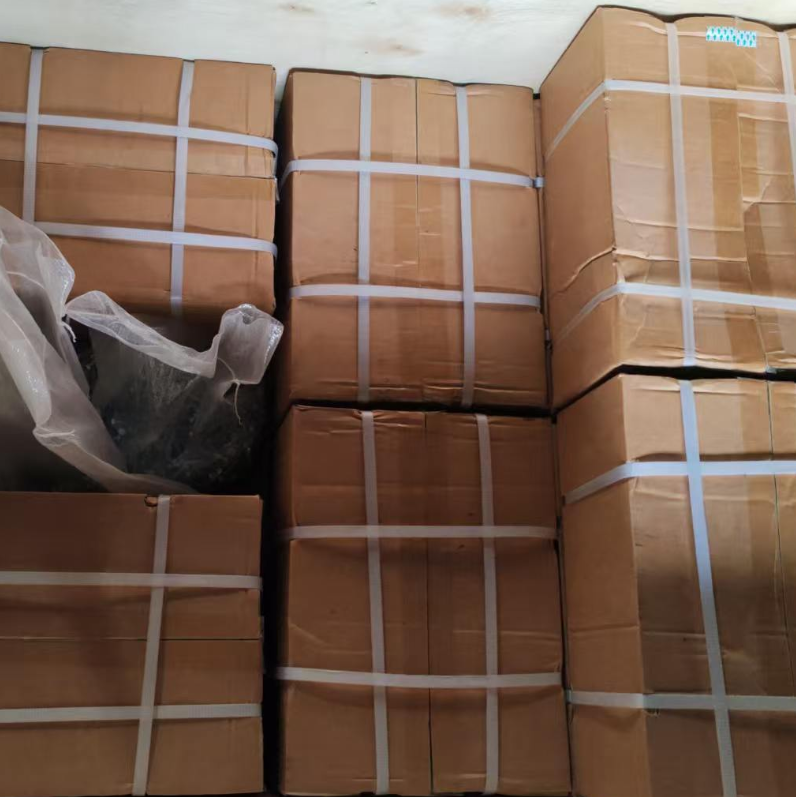
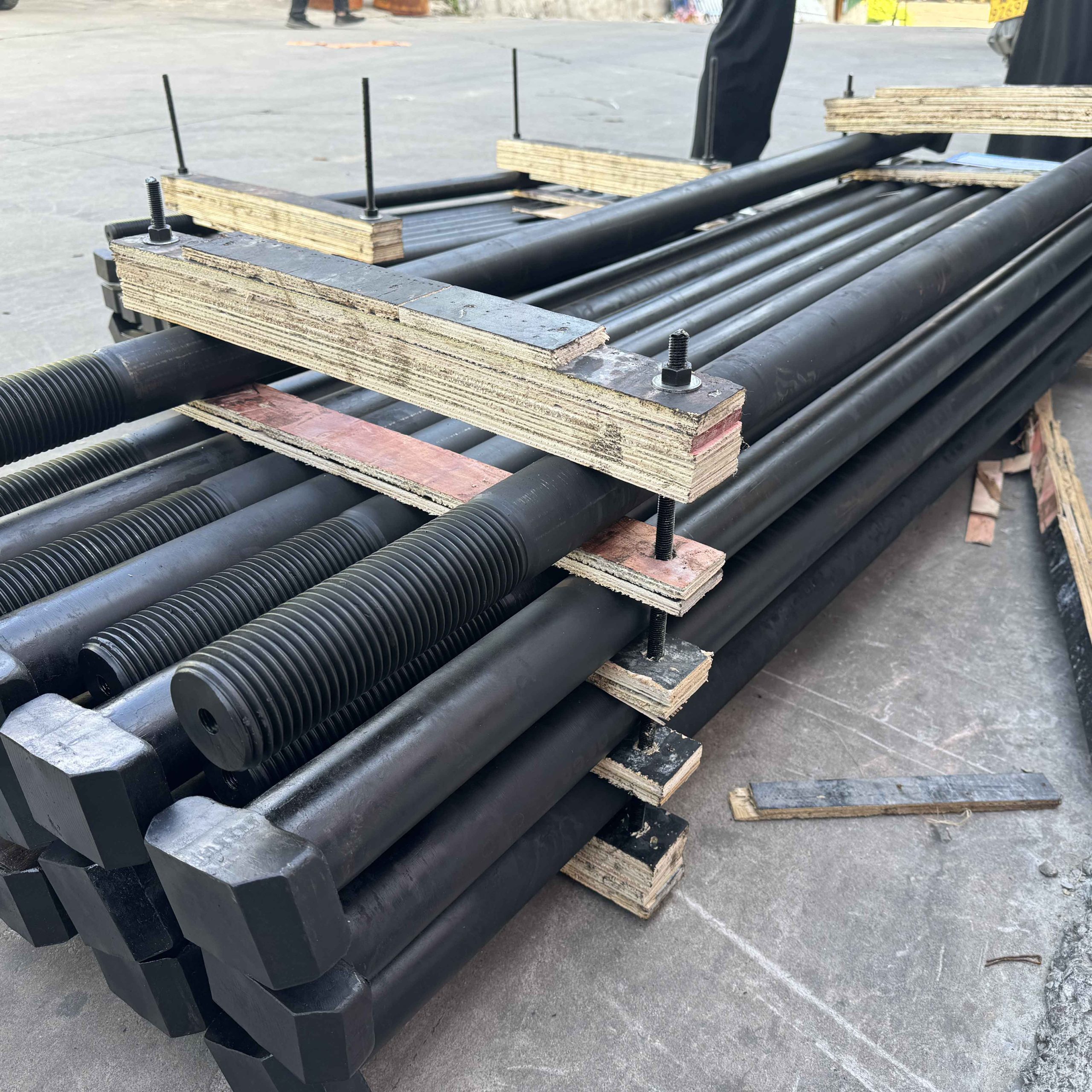
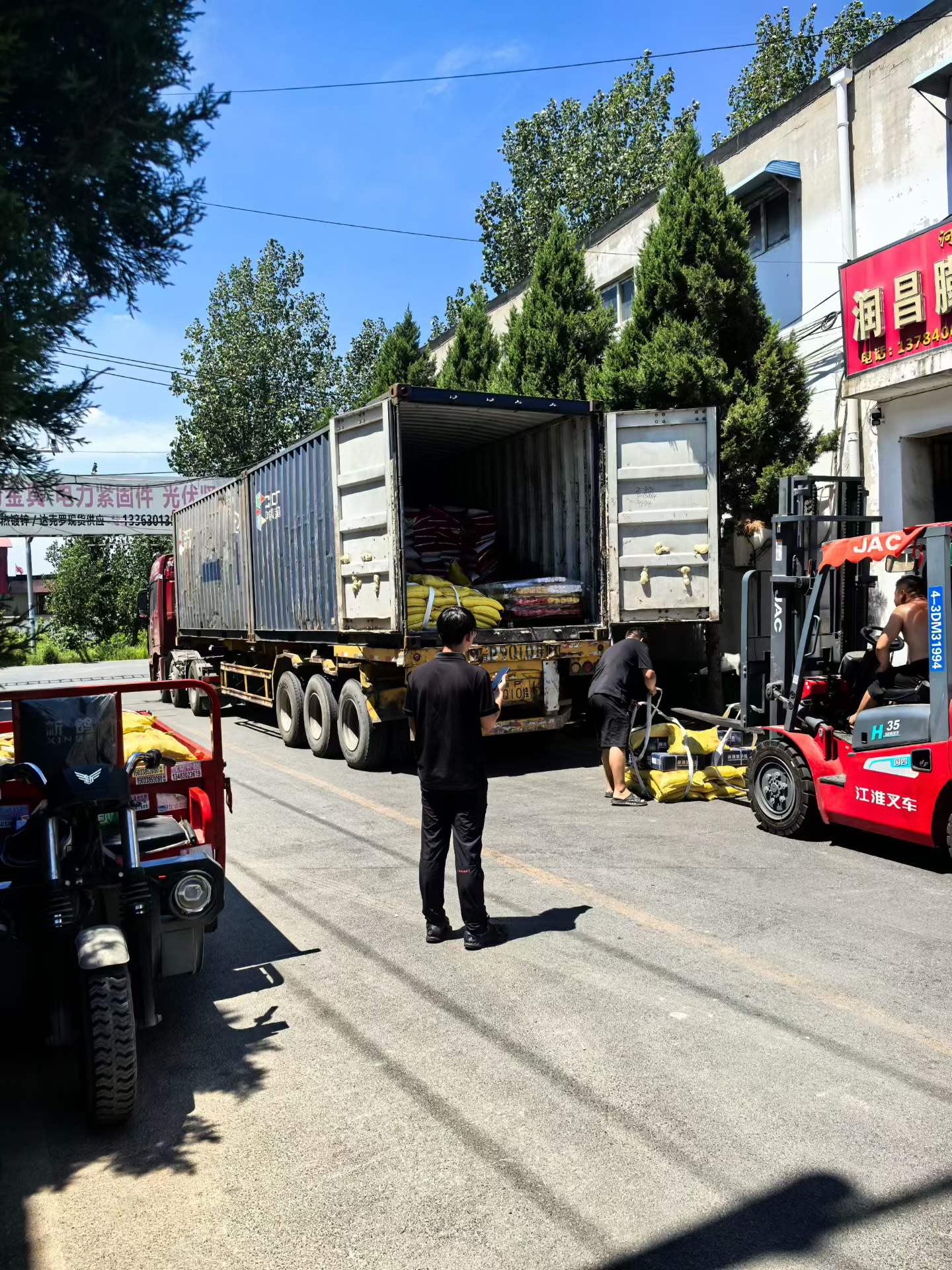
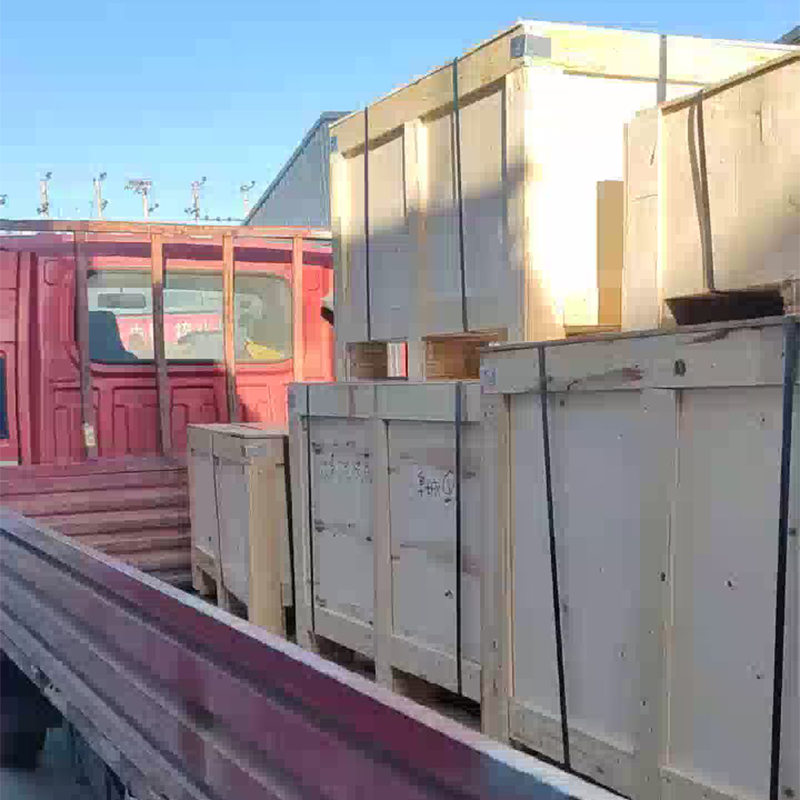
Navigating the complexities of fastener selection, from choosing the right grade to ensuring proper surface treatment, requires a reliable partner. This is where established industry leaders like Boitin Zitai Fatene Fale gaosi co., LTD. play a pivotal role. As a large-scale professional distributor equipped with advanced production equipment and decades of rich experience, Handan Zitai has become a cornerstone for businesses seeking high-integrity fastening solutions.
The company’s commitment to strict quality management ensures that every product, whether it is a standard hex socket cap screw or a specialized component, meets rigorous international standards. This dedication to excellence has allowed Handan Zitai to continuously expand its market scale and enhance its brand image, earning unanimous praise from industry leaders and customers alike. While their core expertise spans various power bolts, hoops, photovoltaic accessories, and steel structure embedded parts, their comprehensive approach to manufacturing and distribution makes them an invaluable resource for sourcing reliable fasteners in an increasingly demanding market.
Conclusion and Selection Recommendations
Hex socket head cap screws remain an indispensable component in modern engineering, offering a unique blend of high strength, compact design, and reliable performance. Whether you are selecting Grade 8.8 for general machinery or Grade 12.9 for critical hydraulic systems, understanding the nuances of material properties, torque requirements, and surface treatments is vital for success.
As we navigate the market conditions of 2026, prioritize suppliers who demonstrate transparency in their material certifications and adhere to international standards like ISO and DIN. Do not compromise on quality for marginal cost savings, as fastener failure can lead to significant downstream expenses and safety risks. Partnering with experienced entities like Handan Zitai Fastener Manufacturing Co., Ltd. can provide the assurance needed for your most critical projects.
Who should use this guide? This information is tailored for procurement managers, mechanical engineers, and maintenance professionals responsible for specifying and sourcing fasteners.
Next Steps: Evaluate your current inventory against the grade requirements outlined above. If your application involves high vibration or corrosive environments, consider upgrading to higher grades or advanced coatings. Always consult with certified fastener distributors to verify the latest pricing and availability for your specific project needs.
Faʻamolemole tuʻu le feʻau
-

-
-
WeChat



Privacy Policy
Our Commitment to Privacy
Introduction.
Rainbow Inc. recognizes the importance of protecting the privacy of all personal information provided by its customers, including users of www.rainbow-inkjet.com and other Rainbow Inc. affiliated websites (collectively "Rainbow Inc. Sites"). We created the following policy guidelines with a fundamental respect for our customers´ right to privacy and because we value our relationships with our customers. Your visit to the Rainbow Inc. Sites is subject to this Privacy Statement and our Online Terms and Conditions.
Description.
This Privacy Statement describes the types of information we collect and how we may use that information. Our Privacy Statement also describes the measures we take to protect the security of this information as well as how you may reach us to update your contact information.
Data Collection
Personal Data Collected Directly From Visitors.
Rainbow Inc. collects personal information when: you submit questions or comments to us; you request information or materials; you request warranty or post-warranty service and support; you participate in surveys; and by other means that may be specifically provided for on the Rainbow Inc. Sites or in our correspondence with you.
Type of Personal Data.
The type of information collected directly from the user may include your name, your company's name, physical contact information, address, billing and delivery information, e-mail address, the products you use, demographic information such as your age, preferences, and interests and information relating to the sale or installation of your product.
Non-Personal Data Collected Automatically.
We may collect information about your interaction with Rainbow Inc. Sites and services. For example, we may use website analytics tools on our site to retrieve information from your browser, including the site you came from, the search engine(s) and the keywords you used to find our site, and the pages you view within our site. Additionally, we collect certain standard information that your browser sends to every website you visit, such as your IP address, browser type, capabilities and language, your operating system, access times and referring Web site addresses.
Storage and Processing.
Personal data collected on our websites may be stored and processed in the United States in which Rainbow Inc. or its affiliates, joint ventures, or third party servicers maintain facilities.
How We Use the Data
Services and transactions.
We use your personal data to deliver services or execute transactions you request, such as providing information about Rainbow Inc. products and services, processing orders, answering customer service requests, facilitating use of our Web sites, enabling online shopping, and so forth. In order to offer you a more consistent experience in interacting with Rainbow Inc., information collected by our websites may be combined with information we collect by other means.
Product Development.
We use the personal and non-personal data for product development, including for such processes as idea generation, product design and improvements, detail engineering, market research and marketing analysis.
Website Improvement.
We may use the personal and non-personal data to improve our websites (including our security measures) and related products or services, or to make our websites easier to use by eliminating the need for you to repeatedly enter the same information or by customizing our websites to your particular preference or interests.
Marketing Communications.
We may use your personal data to inform you of products or services available from Rainbow Inc. When collecting information that might be used to contact you about our products and services, we often give you the opportunity to opt-out from receiving such communications. Moreover, in our email communications with you we may include an unsubscribe link allowing you to stop delivery of that type of communication. If you elect to unsubscribe, we will remove you from the relevant list within 15 business days.
Commitment to Data Security
Security.
Rainbow Inc. Corporation uses reasonable precautions to keep the personal information disclosed to us secure. To prevent unauthorized access, maintain data accuracy, and ensure the correct use of information, we have put in place appropriate physical, electronic, and managerial procedures to safeguard and secure your personal information. For example, we store sensitive personal data on computer systems with limited access that are located in facilities to which access is limited. When you move around a site to which you have logged in, or from one site to another that uses the same login mechanism, we verify your identity by means of an encrypted cookie placed on your machine. Nonetheless, Rainbow Inc. Corporation does not guarantee the security, accuracy or completeness of any such information or procedures.
Internet.
The transmission of information via the internet is not completely secure. Although we do our best to protect your personal information, we cannot guarantee the security of your personal information transmitted to our Website. Any transmission of personal information is at your own risk. We are not responsible for circumvention of any privacy settings or security measures contained on the Rainbow Inc. Sites.
Faafesootai matou
If you have questions regarding this privacy statement, our handling of your personal data, or your privacy rights under applicable law, please contact us by mail at the address below.
Rainbow Inc.
Attn: Katherine Tan
Add: No.1658 Husong Road, Shanghai, China.
Statement Updates
Revisions.
Rainbow Inc. reserves the right to modify this privacy statement from time to time. If we decide to change our Privacy Statement, we will post the revised Statement here.
Date.
This Privacy Statement was last amended on September 7, 2022.