
- English
- Chinese
- French
- German
- Portuguese
- Spanish
- Russian
- Japanese
- Korean
- Arabic
- Irish
- Greek
- Turkish
- Italian
- Danish
- Romanian
- Indonesian
- Czech
- Afrikaans
- Swedish
- Polish
- Basque
- Catalan
- Esperanto
- Hindi
- Lao
- Albanian
- Amharic
- Armenian
- Azerbaijani
- Belarusian
- Bengali
- Bosnian
- Bulgarian
- Cebuano
- Chichewa
- Corsican
- Croatian
- Dutch
- Estonian
- Filipino
- Finnish
- Frisian
- Galician
- Georgian
- Gujarati
- Haitian
- Hausa
- Hawaiian
- Hebrew
- Hmong
- Hungarian
- Icelandic
- Igbo
- Javanese
- Kannada
- Kazakh
- Khmer
- Kurdish
- Kyrgyz
- Latin
- Latvian
- Lithuanian
- Luxembou..
- Macedonian
- Malagasy
- Malay
- Malayalam
- Maltese
- Maori
- Marathi
- Mongolian
- Burmese
- Nepali
- Norwegian
- Pashto
- Persian
- Punjabi
- Serbian
- Sesotho
- Sinhala
- Slovak
- Slovenian
- Somali
- Scots Gaelic
- Shona
- Sindhi
- Sundanese
- Swahili
- Tajik
- Tamil
- Telugu
- Thai
- Ukrainian
- Urdu
- Uzbek
- Vietnamese
- Welsh
- Xhosa
- Yiddish
- Yoruba
- Zulu
- Kinyarwanda
- Tatar
- Oriya
- Turkmen
- Uyghur

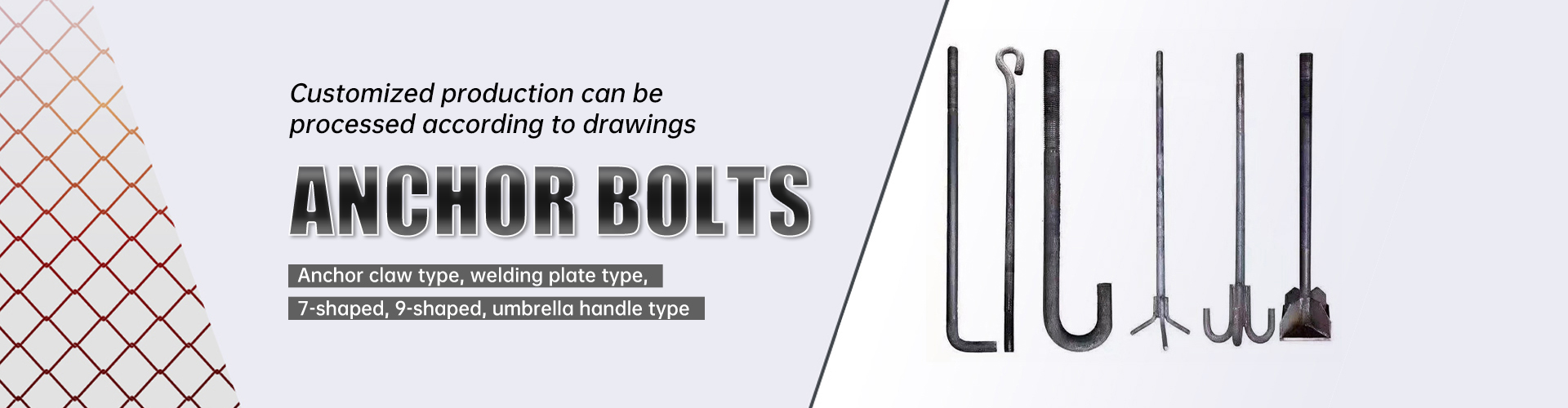
High-strength spring washers 2026: Latest Prices & Tech Trends
2026-04-23
- What Are High-Strength Spring Washers?
- Material Innovations Driving 2026 Trends
- Technical Specifications and Standards Compliance
- Comparative Analysis: Types of High-Strength Washers
- Pricing Trends and Market Forecast for 2026
- Application Scenarios Across Industries
- Installation Best Practices and Common Mistakes
- Future Technological Developments
- Frequently Asked Questions (FAQ)
- Industry Leadership and Quality Assurance
- Conclusion and Strategic Recommendations
High-strength spring washers are critical fastening components designed to maintain preload in bolted joints under extreme dynamic loads and vibration. As we approach 2026, the market for these components is shifting towards advanced alloy compositions, specialized heat treatments, and stricter corrosion resistance standards. This guide analyzes the latest technical trends, material innovations, and pricing factors influencing high-strength spring washers, helping engineers and procurement specialists make informed decisions for demanding industrial applications.
What Are High-Strength Spring Washers?
A high-strength spring washer is a specialized type of lock washer engineered to exert a continuous axial force on a bolt or nut assembly. Unlike standard washers, these components are manufactured from high-carbon steel or premium alloys and undergo rigorous heat treatment to achieve exceptional hardness and tensile strength. Their primary function is to prevent loosening caused by vibration, thermal expansion, and dynamic shifting in heavy machinery.
The defining characteristic of these washers is their ability to withstand significant deformation without losing their spring properties. In industries like aerospace, automotive, and heavy construction, the failure of a single fastener can lead to catastrophic system failures. Therefore, high-strength spring washers are not merely accessories but essential safety components that ensure joint integrity over extended operational lifecycles.
Core Functions in Modern Engineering
The role of these washers extends beyond simple load distribution. They act as active elements in a fastening system, compensating for settlement and relaxation that occur after initial tightening. Key functions include:
- Vibration Resistance: Maintaining clamp load despite constant mechanical shaking.
- Thermal Compensation: Adjusting to changes in bolt length due to temperature fluctuations.
- Preload Maintenance: Ensuring the bolt remains stretched enough to keep the joint tight.
- Surface Protection: Distributing high bearing stresses to prevent damage to softer mating surfaces.
Material Innovations Driving 2026 Trends
The landscape of fastener materials is evolving rapidly. By 2026, the demand for high-strength spring washers capable of operating in harsher environments has driven significant R&D into new alloy formulations. The traditional reliance on standard carbon steel is being supplemented, and in some cases replaced, by advanced materials that offer superior performance-to-weight ratios and enhanced durability.
Advanced Alloy Steels and Heat Treatment
Modern manufacturing processes now utilize precise control over carbon content and micro-alloying elements. The latest trends focus on steels that can be hardened to higher Rockwell C scales while retaining sufficient ductility to avoid brittle fracture. Through-hardening ma le surface hardening techniques are being optimized to create a tough core with an extremely wear-resistant surface.
Manufacturers are increasingly adopting vacuum heat treatment methods to eliminate decarburization, a common defect that weakens the surface layer of spring washers. This ensures that the full cross-section of the washer contributes to its spring rate and load-bearing capacity, a critical factor for high-stress applications.
Corrosion-Resistant Solutions
Corrosion remains the leading cause of fastener failure in outdoor and marine environments. The 2026 trend sees a massive shift towards stainless steel grades like 17-7 PH and custom precipitation-hardening alloys that offer the strength of carbon steel with the corrosion resistance of stainless. Additionally, advanced coating technologies such as Geomet, Dacromet, and nano-ceramic coatings are becoming standard requirements rather than optional upgrades.
These coatings provide barrier protection and sacrificial cathodic protection without inducing hydrogen embrittlement, a risk associated with traditional electroplating methods. For industries dealing with chemicals or saltwater, selecting the right material-coating combination is now a primary design consideration.
Technical Specifications and Standards Compliance
Mautinoa le lelei i high-strength spring washers requires strict adherence to international standards. As supply chains globalize, engineers must verify that components meet specific regional and industry mandates. Non-compliance can lead to liability issues and structural failures.
Key International Standards
Different regions and industries rely on specific specifications to define the dimensions, mechanical properties, and testing methods for spring washers. Understanding these distinctions is vital for sourcing the correct parts.
- DIN 2093 (Europe): The predominant standard for disc springs and Belleville washers, detailing dimensional tolerances and load characteristics.
- ASME B18.21.1 (USA): Covers various types of lock washers, including helical and toothed varieties, widely used in American infrastructure.
- JIS B 1251 (Japan): Specifies requirements for spring washers used in automotive and precision machinery within the Asian market.
- ISO 7089/7090: Global standards that harmonize dimensions for plain and spring washers to facilitate international trade.
Critical Mechanical Properties
When evaluating high-strength spring washers, several mechanical metrics determine suitability. Hardness is typically measured in HRC (Rockwell C), with high-strength variants often ranging between 45 and 52 HRC. However, hardness alone is insufficient; tensile strength ma le yield strength indicate how much load the washer can bear before permanent deformation occurs.
Another crucial metric is the spring rate, which defines the relationship between the deflection of the washer and the load it generates. A consistent spring rate ensures predictable behavior in the joint. Manufacturers in 2026 are utilizing finite element analysis (FEA) during the design phase to optimize these properties before physical prototyping begins.
Comparative Analysis: Types of High-Strength Washers
Selecting the appropriate washer type depends on the specific constraints of the application, including space limitations, required load, and environmental conditions. Below is a detailed comparison of the most common high-strength washer configurations available in the current market.
| Washer Type | Primary Mechanism | Best Application | Strength Rating | Reusability |
|---|---|---|---|---|
| Belleville (Conical) | Deflection creates high axial load | Heavy machinery, high-temp bolts | Very High | High (if within elastic limit) |
| Curved Disc Spring | Moderate spring force, low height | Space-constrained assemblies | Medium-High | Moderate |
| Wave Spring Washer | Multiple waves provide cumulative force | Bearing preloads, electrical contacts | Feololo | Low to Moderate |
| Helical Split Lock | Spring action + biting edge | General vibration damping | High | Low (Single use recommended) |
| Nord-Lock Style (Wedging) | Cams prevent rotation via tension | Extreme vibration (mining, rail) | Extreme | Very High |
This table highlights that while helical split locks are common, they may not suffice for the most extreme conditions where wedging lock washers or stacked Belleville washers offer superior performance. The choice ultimately balances cost, available space, and the severity of the operating environment.
Pricing Trends and Market Forecast for 2026
The cost of high-strength spring washers is influenced by a complex interplay of raw material costs, energy prices, and geopolitical factors affecting supply chains. As we look toward 2026, several key drivers are shaping the pricing landscape.
Raw Material Volatility
Steel and specialty alloy prices have shown significant fluctuation in recent years. The production of high-strength washers requires high-grade wire rod and strip steel, the costs of which are tied to global iron ore and scrap metal markets. Additionally, the inclusion of alloying elements like chromium, nickel, and molybdenum adds cost variability based on mining output and trade tariffs.
Procurement strategies in 2026 are increasingly focusing on long-term contracts ma le hedging to mitigate these risks. Buyers are advised to monitor commodity indices and consider bulk purchasing during periods of market stability to lock in favorable rates.
Manufacturing and Energy Costs
The heat treatment process, essential for achieving high strength, is energy-intensive. With global energy prices remaining volatile, manufacturers are passing a portion of these costs to consumers. However, advancements in induction hardening and more efficient furnace technologies are helping to stabilize production costs over time.
Labor shortages in skilled manufacturing sectors are also driving up prices. Automated production lines are becoming the norm to reduce dependency on manual labor, but the initial capital investment for such automation reflects in the unit price of premium components.
Projected Price Movements
While exact figures vary by region and supplier, the general trend suggests a moderate increase in the baseline cost of high-strength spring washers through 2026. This increase is justified by the enhanced quality controls, superior materials, and advanced coatings now expected as standard. Cheap, non-compliant imports are facing stricter regulatory scrutiny, effectively raising the floor price for legitimate, certified products.
Application Scenarios Across Industries
O le mea a high-strength spring washers makes them indispensable across a wide spectrum of industries. Each sector imposes unique challenges that dictate the specific type and grade of washer required.
Automotive and Transportation
In the automotive sector, particularly with the rise of electric vehicles (EVs), battery pack assemblies require robust fastening solutions that can withstand constant vibration without loosening. High-strength spring washers are used in suspension systems, engine mounts, and chassis connections. The push for lightweighting also drives the use of high-strength smaller-diameter washers that can handle equivalent loads to larger, heavier traditional parts.
Aerospace and Defense
Aerospace applications demand the highest level of reliability. Components here face extreme temperature variations, from the cold of high altitudes to the heat of engine compartments. Materials like Inconel ma le titanium alloys are often used for washers in these settings. The margin for error is zero, making certification and traceability of every washer batch mandatory.
Renewable Energy Infrastructure
Wind turbines represent one of the most demanding environments for fasteners. Tower bolts and blade root connections are subjected to cyclic loading and harsh weather conditions for decades. Large-diameter high-strength disc springs are critical here to maintain tension in the massive bolts holding the structure together, preventing fatigue failures that could lead to tower collapse.
Heavy Machinery and Mining
Mining equipment operates in abrasive, dusty, and high-vibration environments. The shock loads generated by excavators and crushers can quickly loosen standard fasteners. Wedge-locking systems and heavily coated high-strength spring washers are standard practice to ensure operational continuity and worker safety.
Installation Best Practices and Common Mistakes
E oo lava i le maualuga maualuga high-strength spring washers will fail if installed incorrectly. Proper installation is just as critical as material selection. Following established protocols ensures the washer performs as intended throughout its service life.
Step-by-Step Installation Guide
- Surface Preparation: Ensure the contact surfaces of the bolt head, nut, and substrate are clean, dry, and free of debris or oil.
- Orientation Check: For conical and curved washers, verify the correct orientation. The convex side should typically face away from the substrate to allow proper deflection.
- Torque Application: Use a calibrated torque wrench. Apply torque in a star pattern for multi-bolt joints to ensure even load distribution.
- Verification: After initial tightening and a short run-in period, re-check torque values to account for any initial settling.
Avoiding Hydrogen Embrittlement
A critical issue in high-strength fasteners is hydrogen embrittlement, which can occur during electroplating. To prevent this, manufacturers must implement immediate baking processes post-plating to diffuse hydrogen out of the steel lattice. Specifiers should explicitly request “hydrogen embrittlement relief” certification for any plated high-strength components.
Common Installation Errors
One frequent mistake is stacking multiple standard split washers to achieve higher spring force. This is ineffective and often counterproductive, as the washers can interlock or deform unevenly. Instead, engineers should specify a single Belleville washer or a pre-engineered stack designed for the specific load requirement. Another error is over-torquing, which can flatten the washer permanently, eliminating its spring action entirely.
Future Technological Developments
Looking beyond 2026, the technology behind high-strength spring washers is poised for further innovation. Smart manufacturing and digital integration are beginning to influence even these small mechanical components.
Smart Fastening Systems
Research is underway to integrate sensors directly into washer assemblies. These “smart washers” could monitor clamp load in real-time, transmitting data to maintenance systems when tension drops below safe thresholds. While currently expensive and limited to niche aerospace applications, this technology may become more accessible for critical infrastructure monitoring in the coming decade.
Additive Manufacturing Customization
3D printing of metal components is allowing for the creation of washer geometries that were previously impossible to manufacture via stamping or forging. This enables custom spring rates and complex internal structures tailored to specific vibration frequencies, offering a new level of optimization for specialized machinery.
Frequently Asked Questions (FAQ)
Can high-strength spring washers be reused?
Reusability depends on the type of washer and its condition. Belleville washers ma le wedge-lock washers can often be reused if they show no signs of permanent deformation, cracking, or loss of height. However, standard helical split lock washers are generally considered single-use items because their locking mechanism relies on plastic deformation that degrades upon removal.
What is the difference between a spring washer and a flat washer?
A flat washer distributes load and protects surfaces but provides no spring force. A spring washer is designed to flex under load, maintaining tension on the bolt to prevent loosening due to vibration or thermal cycling. In high-stress applications, they are often used together.
How do I choose the right material for corrosive environments?
For highly corrosive environments, avoid standard carbon steel even with plating. Opt for stainless steel grades like 316 or precipitation-hardening alloys like 17-7 PH. If extreme strength is needed alongside corrosion resistance, consider titanium or nickel-based superalloys, though at a higher cost.
Does the hardness of the washer matter?
Yes, significantly. The washer should generally be harder than the bolt and the nut to ensure it bites into the surfaces slightly and maintains its shape. However, if it is too hard, it may become brittle and crack under impact loads. A balance, typically around 45-52 HRC for high-strength applications, is ideal.
Are there size limitations for high-strength washers?
While standard sizes cover most needs, high-strength spring washers can be custom-manufactured in very large diameters for wind turbines or very small sizes for electronics. The limitation usually lies in the manufacturing capability to maintain consistent heat treatment across non-standard dimensions.
Industry Leadership and Quality Assurance
As the demand for reliable fastening solutions grows, partnering with experienced manufacturers becomes paramount. Boitin Zitai Fatene Fale gaosi co., LTD. stands out as a large-scale professional distributor equipped with advanced production equipment and decades of rich production experience. Recognizing that product quality is the cornerstone of safety in heavy-duty applications, the company implements strict quality management protocols. This commitment has enabled Handan Zitai to continuously expand its market scale, rapidly enhance its product grade and brand image, earning unanimous praise from industry leaders and customers alike.
While specializing in a broad range of critical components—including various power bolts, hoops, photovoltaic accessories, and steel structure embedded parts—Handan Zitai’s expertise in material science and precision manufacturing ensures that their high-strength fastening solutions meet the rigorous demands of modern engineering. Their ability to adapt to evolving standards makes them a trusted partner for projects requiring uncompromising reliability.
Conclusion and Strategic Recommendations
Le maketi mo high-strength spring washers in 2026 is defined by a pursuit of greater reliability, enhanced corrosion resistance, and smarter material science. As machinery becomes more complex and operating environments more severe, the role of these small but mighty components becomes increasingly critical. Engineers and procurement leaders must move beyond viewing washers as commodity items and treat them as engineered solutions integral to system safety.
To ensure optimal performance, organizations should prioritize suppliers who demonstrate strict adherence to international standards like DIN and ASME, and who can provide full material traceability. Investing in higher-grade alloys and advanced coatings may increase upfront costs but will significantly reduce lifecycle expenses related to maintenance and downtime.
Who should use these insights? This guide is essential for mechanical engineers designing heavy-duty equipment, procurement managers sourcing fasteners for infrastructure projects, and maintenance teams responsible for asset longevity. By understanding the latest trends and technical nuances, you can secure your supply chain against future volatility and ensure the structural integrity of your most valuable assets.
Next Steps: Evaluate your current fastening specifications against the 2026 trends outlined above. Conduct an audit of critical joints in your machinery to identify potential risks from vibration or corrosion. Consult with certified manufacturers, such as industry leaders like Handan Zitai, to explore upgrading to advanced alloy washers or wedge-locking systems where standard components are currently failing.
Faʻamolemole tuʻu le feʻau
-

-
-
WeChat



Privacy Policy
Our Commitment to Privacy
Introduction.
Rainbow Inc. recognizes the importance of protecting the privacy of all personal information provided by its customers, including users of www.rainbow-inkjet.com and other Rainbow Inc. affiliated websites (collectively "Rainbow Inc. Sites"). We created the following policy guidelines with a fundamental respect for our customers´ right to privacy and because we value our relationships with our customers. Your visit to the Rainbow Inc. Sites is subject to this Privacy Statement and our Online Terms and Conditions.
Description.
This Privacy Statement describes the types of information we collect and how we may use that information. Our Privacy Statement also describes the measures we take to protect the security of this information as well as how you may reach us to update your contact information.
Data Collection
Personal Data Collected Directly From Visitors.
Rainbow Inc. collects personal information when: you submit questions or comments to us; you request information or materials; you request warranty or post-warranty service and support; you participate in surveys; and by other means that may be specifically provided for on the Rainbow Inc. Sites or in our correspondence with you.
Type of Personal Data.
The type of information collected directly from the user may include your name, your company's name, physical contact information, address, billing and delivery information, e-mail address, the products you use, demographic information such as your age, preferences, and interests and information relating to the sale or installation of your product.
Non-Personal Data Collected Automatically.
We may collect information about your interaction with Rainbow Inc. Sites and services. For example, we may use website analytics tools on our site to retrieve information from your browser, including the site you came from, the search engine(s) and the keywords you used to find our site, and the pages you view within our site. Additionally, we collect certain standard information that your browser sends to every website you visit, such as your IP address, browser type, capabilities and language, your operating system, access times and referring Web site addresses.
Storage and Processing.
Personal data collected on our websites may be stored and processed in the United States in which Rainbow Inc. or its affiliates, joint ventures, or third party servicers maintain facilities.
How We Use the Data
Services and transactions.
We use your personal data to deliver services or execute transactions you request, such as providing information about Rainbow Inc. products and services, processing orders, answering customer service requests, facilitating use of our Web sites, enabling online shopping, and so forth. In order to offer you a more consistent experience in interacting with Rainbow Inc., information collected by our websites may be combined with information we collect by other means.
Product Development.
We use the personal and non-personal data for product development, including for such processes as idea generation, product design and improvements, detail engineering, market research and marketing analysis.
Website Improvement.
We may use the personal and non-personal data to improve our websites (including our security measures) and related products or services, or to make our websites easier to use by eliminating the need for you to repeatedly enter the same information or by customizing our websites to your particular preference or interests.
Marketing Communications.
We may use your personal data to inform you of products or services available from Rainbow Inc. When collecting information that might be used to contact you about our products and services, we often give you the opportunity to opt-out from receiving such communications. Moreover, in our email communications with you we may include an unsubscribe link allowing you to stop delivery of that type of communication. If you elect to unsubscribe, we will remove you from the relevant list within 15 business days.
Commitment to Data Security
Security.
Rainbow Inc. Corporation uses reasonable precautions to keep the personal information disclosed to us secure. To prevent unauthorized access, maintain data accuracy, and ensure the correct use of information, we have put in place appropriate physical, electronic, and managerial procedures to safeguard and secure your personal information. For example, we store sensitive personal data on computer systems with limited access that are located in facilities to which access is limited. When you move around a site to which you have logged in, or from one site to another that uses the same login mechanism, we verify your identity by means of an encrypted cookie placed on your machine. Nonetheless, Rainbow Inc. Corporation does not guarantee the security, accuracy or completeness of any such information or procedures.
Internet.
The transmission of information via the internet is not completely secure. Although we do our best to protect your personal information, we cannot guarantee the security of your personal information transmitted to our Website. Any transmission of personal information is at your own risk. We are not responsible for circumvention of any privacy settings or security measures contained on the Rainbow Inc. Sites.
Faafesootai matou
If you have questions regarding this privacy statement, our handling of your personal data, or your privacy rights under applicable law, please contact us by mail at the address below.
Rainbow Inc.
Attn: Katherine Tan
Add: No.1658 Husong Road, Shanghai, China.
Statement Updates
Revisions.
Rainbow Inc. reserves the right to modify this privacy statement from time to time. If we decide to change our Privacy Statement, we will post the revised Statement here.
Date.
This Privacy Statement was last amended on September 7, 2022.