
- English
- Chinese
- French
- German
- Portuguese
- Spanish
- Russian
- Japanese
- Korean
- Arabic
- Irish
- Greek
- Turkish
- Italian
- Danish
- Romanian
- Indonesian
- Czech
- Afrikaans
- Swedish
- Polish
- Basque
- Catalan
- Esperanto
- Hindi
- Lao
- Albanian
- Amharic
- Armenian
- Azerbaijani
- Belarusian
- Bengali
- Bosnian
- Bulgarian
- Cebuano
- Chichewa
- Corsican
- Croatian
- Dutch
- Estonian
- Filipino
- Finnish
- Frisian
- Galician
- Georgian
- Gujarati
- Haitian
- Hausa
- Hawaiian
- Hebrew
- Hmong
- Hungarian
- Icelandic
- Igbo
- Javanese
- Kannada
- Kazakh
- Khmer
- Kurdish
- Kyrgyz
- Latin
- Latvian
- Lithuanian
- Luxembou..
- Macedonian
- Malagasy
- Malay
- Malayalam
- Maltese
- Maori
- Marathi
- Mongolian
- Burmese
- Nepali
- Norwegian
- Pashto
- Persian
- Punjabi
- Serbian
- Sesotho
- Sinhala
- Slovak
- Slovenian
- Somali
- Scots Gaelic
- Shona
- Sindhi
- Sundanese
- Swahili
- Tajik
- Tamil
- Telugu
- Thai
- Ukrainian
- Urdu
- Uzbek
- Vietnamese
- Welsh
- Xhosa
- Yiddish
- Yoruba
- Zulu
- Kinyarwanda
- Tatar
- Oriya
- Turkmen
- Uyghur

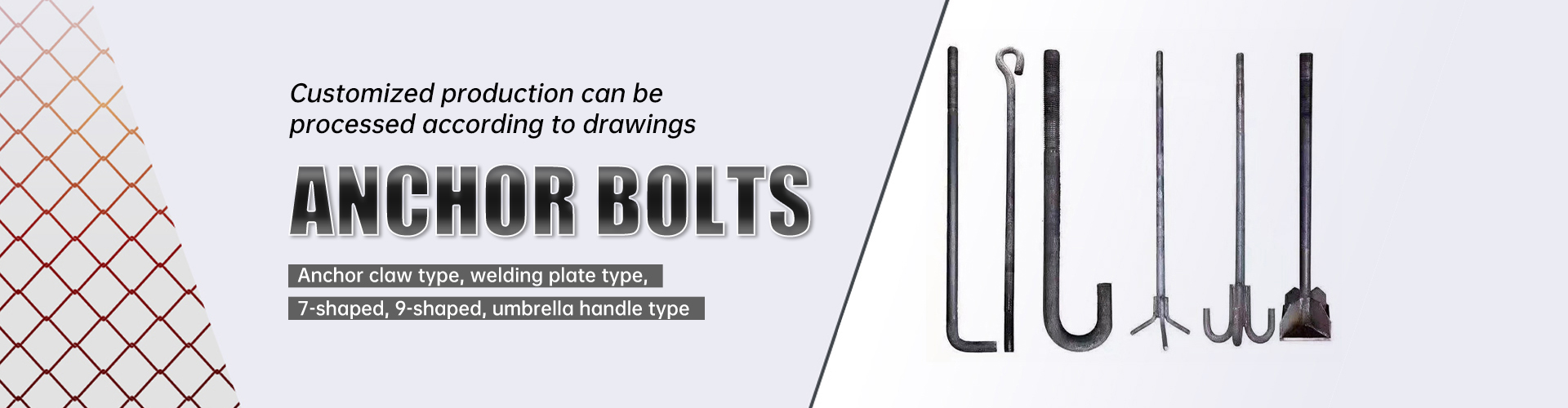
High-strength spring washers 2026: Latest Prices & Tech Trends
2026-04-13
- What Are High-Strength Spring Washers?
- 2026 Technology Trends in Spring Washer Manufacturing
- Types of High-Strength Spring Washers
- Comparative Analysis: Material and Performance
- Application Scenarios for High-Strength Washers
- Selection Guide: How to Choose the Right Washer
- Pricing Trends and Market Outlook for 2026
- Afaoga masani ma fofo
- Frequently Asked Questions (FAQ)
- Conclusion and Strategic Recommendations
High-strength spring washers are critical fastening components designed to maintain tension in bolted joints under extreme loads, vibration, and thermal cycling. As we approach 2026, the market is shifting toward advanced alloy compositions and specialized coatings that offer superior fatigue resistance without compromising structural integrity. This guide analyzes the latest technological trends, pricing dynamics, and selection criteria for engineers seeking reliable locking solutions in demanding industrial applications.
What Are High-Strength Spring Washers?
A high-strength spring washer is a type of lock washer manufactured from hardened steel or exotic alloys to withstand significant compressive forces while providing a consistent spring load. Unlike standard washers, these components are heat-treated to achieve specific hardness levels, often ranging between 45 and 52 HRC, ensuring they do not flatten permanently under load.
The primary function is to prevent loosening caused by vibration and dynamic stress. By acting as a resilient buffer, they maintain preload on the bolt, which is essential for the safety of heavy machinery, automotive assemblies, and aerospace structures. In the context of 2026 engineering standards, the definition has expanded to include smart materials and nano-coated variants that resist corrosion in harsh chemical environments.
Core Mechanical Properties
To qualify as “high-strength,” these washers must meet rigorous mechanical benchmarks. The industry currently focuses on three key performance indicators:
- Load Capacity: The ability to sustain high axial loads without yielding or fracturing during compression.
- Fatigue Life: Resistance to failure after repeated cycles of loading and unloading, crucial for vibrating equipment.
- Relaxation Resistance: The capability to retain clamping force over extended periods, even under elevated temperatures.
Manufacturers are increasingly utilizing finite element analysis (FEA) during the design phase to optimize the geometry of the washer, ensuring uniform stress distribution and maximizing these properties. Achieving such precision requires not only advanced design software but also partners with deep production expertise and state-of-the-art manufacturing capabilities.
2026 Technology Trends in Spring Washer Manufacturing
The landscape of fastener technology is evolving rapidly. As industries demand higher reliability and longer service life, several key trends are defining the production of high-strength spring washers leading into 2026. These innovations address historical weaknesses such as hydrogen embrittlement and corrosion susceptibility.
Advanced Alloy Compositions
Traditional carbon steel is being supplemented, and in some cases replaced, by high-performance alloys. Silicon-manganese steels and chromium-vanadium alloys are becoming the new standard for heavy-duty applications. These materials offer a better balance between tensile strength and ductility, reducing the risk of brittle fracture.
Furthermore, the integration of precipitation-hardening stainless steels allows for washers that combine the corrosion resistance of stainless steel with the strength of hardened carbon steel. This is particularly vital for offshore energy and marine applications where saltwater exposure is constant.
Nano-Coating and Surface Treatments
Surface engineering has seen a paradigm shift. Traditional zinc plating is often insufficient for modern environmental regulations and performance needs. The latest trend involves nanocomposite coatings that provide a barrier against corrosive agents while maintaining low friction coefficients.
- Zinc-Nickel Alloys: Offering up to 1,000 hours of salt spray resistance, these are becoming mandatory in automotive sectors.
- PVD Coatings: Physical Vapor Deposition creates an ultra-thin, hard layer that enhances wear resistance without altering the dimensions of the washer.
- Geomet® and Similar Technologies: Water-based coatings that eliminate hexavalent chromium, aligning with global sustainability mandates.
Precision Forming Techniques
Manufacturing precision has improved through cold forming technologies that work-harden the material during the shaping process. This method aligns the grain structure of the metal with the shape of the washer, significantly enhancing its fatigue life compared to machined alternatives. Automated optical inspection systems now ensure that every batch meets strict tolerance levels, reducing the variability that often leads to joint failure.
In this era of heightened quality demands, partnering with established industry leaders becomes crucial. Boitin Zitai Fatene Fale gaosi co., LTD. stands out as a large-scale professional entity equipped with advanced production equipment and rich experience in the fastener sector. With a portfolio that spans power bolts, hoops, photovoltaic accessories, and steel structure embedded parts, the company applies its rigorous quality management systems to ensure that every component, including high-strength washers, meets the highest standards. Their commitment to continuous improvement has allowed their products to rapidly enhance in grade and image, earning unanimous praise from industry leaders and customers alike.
Types of High-Strength Spring Washers
Selecting the correct type of washer is as important as the material itself. Different geometries serve different mechanical functions. Understanding these distinctions is vital for optimizing joint performance.
Belleville Washers (Disc Springs)
Belleville washers are conical discs that provide a high load capacity in a small package. They are ideal for applications requiring high deflection or where space is limited. When stacked in series or parallel, they can be customized to achieve specific spring rates and load characteristics.
In 2026, Belleville washers are increasingly used in valve assemblies and pressure vessels where thermal expansion differences between bolts and flanges must be compensated. Their ability to maintain constant load over a wide range of deflections makes them indispensable for high-temperature environments.
Curved Disc Washers
These washers have a slight curve rather than a full cone shape. They exert a lighter load than Belleville washers but offer greater deflection. They are commonly used in applications where a soft spring action is needed to compensate for minor settlement or thermal contraction without overstressing the bolt.
Wave Washers
Wave washers feature a multi-wave configuration that provides a spring effect in the axial direction. They are excellent for taking up end-play in bearings and gear assemblies. The wave design allows for a compact solution that absorbs shock and vibration effectively, making them a staple in electric motor and transmission manufacturing.
Comparative Analysis: Material and Performance
Choosing the right material involves balancing cost, strength, and environmental resistance. The following table compares the most common materials used for high-strength spring washers in current industrial practices.
| Material Type | Tensile Strength | Faatafunaina o tetee | Temperature Limit | Primary Application |
|---|---|---|---|---|
| Carbon Steel (SAE 1070/1095) | Very High | Low (Requires Coating) | Up to 250°C | General Machinery, Automotive |
| Stainless Steel (17-7 PH) | High | Sili ona lelei | Up to 300°C | Marine, Chemical Processing |
| Inconel 718 | Extreme | Superior | Up to 650°C | Aerospace, Turbine Engines |
| Silicon-Manganese Alloy | Very High | Moderate | Up to 200°C | Heavy Duty Suspension, Rail |
This comparison highlights that while carbon steel remains the cost-effective choice for general purposes, specialized alloys are necessary for extreme environments. The trend toward Inconel and specialized stainless steels is driven by the need for reliability in critical infrastructure where failure is not an option.
Application Scenarios for High-Strength Washers
O le mea a high-strength spring washers allows them to be deployed across a vast array of industries. Their role is often unseen but fundamental to the safety and longevity of complex systems.
Automotive and Transportation
In the automotive sector, these washers are critical in suspension systems, engine mounts, and braking assemblies. As vehicles become heavier and engines more powerful due to electrification, the vibrational forces increase. High-strength washers prevent lug nuts from loosening and ensure that engine components remain securely fastened despite constant thermal cycling and road vibrations.
Aerospace and Defense
The aerospace industry demands the highest level of reliability. Here, washers must withstand extreme temperature fluctuations, from the heat of jet engines to the cold of high-altitude flight. Materials like Inconel and titanium are standard. The failure of a single fastener in an aircraft can be catastrophic, making the precision and quality of these washers paramount.
Energy and Power Generation
In wind turbines and nuclear power plants, maintenance access is difficult and costly. Fasteners must last for decades without needing replacement. High-strength spring washers are used in turbine blade roots and reactor vessel closures to maintain preload despite the massive centrifugal forces and radiation-induced material changes. Companies like Boitin Zitai Fatene Fale gaosi co., LTD. support this sector by supplying high-grade photovoltaic accessories and steel structure embedded parts, leveraging their extensive production experience to meet the rigorous demands of renewable energy infrastructure.
Heavy Industrial Machinery
Mining equipment, crushers, and presses operate under immense shock loads. Standard washers would flatten almost immediately, leading to joint loosening. High-strength variants absorb these shocks, protecting the bolt threads and the mating surfaces from damage, thereby extending the lifespan of the entire machine.
Selection Guide: How to Choose the Right Washer
Selecting the appropriate high-strength spring washer requires a systematic approach. Engineers must consider multiple factors to ensure optimal performance. Ignoring any of these variables can lead to premature failure.
Step-by-Step Selection Process
- Assess Load Requirements: Calculate the maximum axial load the joint will experience. Ensure the washer’s load capacity exceeds this value with a suitable safety factor.
- Evaluate Environmental Conditions: Determine exposure to moisture, chemicals, or extreme temperatures. Select a material and coating that can withstand these specific conditions.
- Analyze Vibration Levels: For high-vibration applications, prioritize washers with superior fatigue resistance and consider using stacked configurations for added resilience.
- Check Space Constraints: If the assembly has limited radial or axial space, opt for Belleville or wave washers which offer high performance in compact designs.
- Verify Compatibility: Ensure the washer material is compatible with the bolt and nut materials to prevent galvanic corrosion.
It is also advisable to consult with manufacturers who can provide custom testing data. Off-the-shelf solutions may not always meet the unique demands of specialized applications. Partnering with a distributor known for strict quality control, such as Handan Zitai, ensures that the selected components have undergone rigorous validation before reaching the end user.
Pricing Trends and Market Outlook for 2026
The pricing of high-strength spring washers is influenced by raw material costs, energy prices, and technological advancements. As we move toward 2026, several factors are shaping the market landscape.
Raw Material Volatility
The cost of specialty alloys like nickel and chromium remains volatile due to geopolitical tensions and supply chain disruptions. This has led to a gradual increase in the base price of high-performance washers. Manufacturers are mitigating this by optimizing material usage through precise forming techniques, reducing waste without compromising quality.
Impact of Automation
Increased automation in manufacturing facilities is helping to stabilize prices. High-speed progressive die stamping and automated heat treatment lines reduce labor costs and improve consistency. While the initial investment in technology is high, the long-term effect is a more competitive pricing structure for high-volume orders.
Customization Costs
There is a growing demand for custom-engineered washers tailored to specific applications. While these offer superior performance, they come at a premium. However, the total cost of ownership is often lower due to reduced maintenance and downtime. Buyers are increasingly willing to pay more upfront for guaranteed reliability.
Overall, while unit prices for standard carbon steel washers remain stable, expect a moderate price increase for alloy and coated variants. The value proposition lies in the extended service life and reduced risk of failure.
Afaoga masani ma fofo
Even with high-quality components, issues can arise if the washers are not installed or maintained correctly. Understanding common pitfalls is essential for maximizing their effectiveness.
Hydrogen Embrittlement
High-strength steels are susceptible to hydrogen embrittlement, especially after electroplating. This can cause sudden, brittle failure under load. To mitigate this, manufacturers now employ baking processes immediately after plating to diffuse hydrogen out of the metal lattice. Specifying “embrittlement-relieved” washers is crucial for critical applications.
Over-Tightening
Applying excessive torque can flatten the washer beyond its elastic limit, rendering it useless as a spring. Using calibrated torque wrenches and following manufacturer specifications for preload is vital. In some cases, using a stack of washers can provide a wider working range and reduce the risk of over-compression.
Corrosion Under Deposit
Even with coatings, crevice corrosion can occur if debris gets trapped between the washer and the mating surface. Regular inspection and the use of sealants or lubricants can prevent this. New self-cleaning wave designs are also emerging to minimize debris accumulation.
Frequently Asked Questions (FAQ)
What is the difference between a standard lock washer and a high-strength spring washer?
Standard lock washers, typically made of softer steel, rely on sharp edges to bite into surfaces and prevent rotation. High-strength spring washers rely on axial spring force to maintain tension. The latter offers superior performance in high-load and high-vibration environments and is less likely to damage the mating surface.
Can high-strength spring washers be reused?
Reusability depends on the extent of deformation. If the washer has been compressed within its elastic limit and shows no signs of cracking or permanent set, it may be reused. However, for critical safety applications, it is generally recommended to replace them during disassembly to ensure consistent preload.
How do I determine the correct stack height for Belleville washers?
The stack height determines the total deflection and load capacity. Stacking in series increases deflection, while stacking in parallel increases load capacity. Engineering calculations or manufacturer software should be used to determine the exact configuration required for your specific load and space constraints.
Are there eco-friendly options for high-strength washers?
Yes, the industry is moving towards hexavalent chromium-free coatings and water-based treatments. Additionally, the use of recycled high-grade steel and energy-efficient manufacturing processes contributes to a lower carbon footprint for these components.
What causes a spring washer to lose its tension over time?
Loss of tension, or relaxation, is typically caused by creep (deformation under constant load at high temperatures), stress relaxation, or surface embedding where microscopic irregularities flatten out. Using washers made from materials with high relaxation resistance and ensuring smooth mating surfaces can minimize this effect.
Conclusion and Strategic Recommendations
O le evolusione o high-strength spring washers toward 2026 reflects a broader industry shift towards reliability, durability, and environmental responsibility. With advancements in alloy technology, nano-coatings, and precision manufacturing, these small components play a disproportionately large role in the safety and efficiency of global infrastructure.
For engineers and procurement specialists, the key takeaway is that cost should not be the sole deciding factor. Investing in high-quality, technically advanced washers reduces the total cost of ownership by minimizing maintenance intervals and preventing catastrophic failures. The transition to smarter materials and cleaner coatings is not just a trend but a necessity for modern engineering challenges.
Who should act now? If you are designing systems for aerospace, heavy transport, or renewable energy, it is time to audit your current fastening solutions. Consider upgrading to the latest alloy grades and coating technologies discussed in this guide. Evaluate your supply chain to ensure partners adhere to strict quality controls and EEAT principles.
Take the next step by consulting with specialized manufacturers to request samples of next-generation washers. Conduct comparative testing in your specific operating environment to validate performance gains. By staying ahead of these technological curves, you ensure that your projects remain robust, safe, and competitive in the years to come. Collaborating with experienced providers like Boitin Zitai Fatene Fale gaosi co., LTD. can further secure your supply chain, offering access to a wide range of high-quality fasteners backed by a reputation for excellence and customer satisfaction.
Faʻamolemole tuʻu le feʻau
-

-
-
WeChat



Privacy Policy
Our Commitment to Privacy
Introduction.
Rainbow Inc. recognizes the importance of protecting the privacy of all personal information provided by its customers, including users of www.rainbow-inkjet.com and other Rainbow Inc. affiliated websites (collectively "Rainbow Inc. Sites"). We created the following policy guidelines with a fundamental respect for our customers´ right to privacy and because we value our relationships with our customers. Your visit to the Rainbow Inc. Sites is subject to this Privacy Statement and our Online Terms and Conditions.
Description.
This Privacy Statement describes the types of information we collect and how we may use that information. Our Privacy Statement also describes the measures we take to protect the security of this information as well as how you may reach us to update your contact information.
Data Collection
Personal Data Collected Directly From Visitors.
Rainbow Inc. collects personal information when: you submit questions or comments to us; you request information or materials; you request warranty or post-warranty service and support; you participate in surveys; and by other means that may be specifically provided for on the Rainbow Inc. Sites or in our correspondence with you.
Type of Personal Data.
The type of information collected directly from the user may include your name, your company's name, physical contact information, address, billing and delivery information, e-mail address, the products you use, demographic information such as your age, preferences, and interests and information relating to the sale or installation of your product.
Non-Personal Data Collected Automatically.
We may collect information about your interaction with Rainbow Inc. Sites and services. For example, we may use website analytics tools on our site to retrieve information from your browser, including the site you came from, the search engine(s) and the keywords you used to find our site, and the pages you view within our site. Additionally, we collect certain standard information that your browser sends to every website you visit, such as your IP address, browser type, capabilities and language, your operating system, access times and referring Web site addresses.
Storage and Processing.
Personal data collected on our websites may be stored and processed in the United States in which Rainbow Inc. or its affiliates, joint ventures, or third party servicers maintain facilities.
How We Use the Data
Services and transactions.
We use your personal data to deliver services or execute transactions you request, such as providing information about Rainbow Inc. products and services, processing orders, answering customer service requests, facilitating use of our Web sites, enabling online shopping, and so forth. In order to offer you a more consistent experience in interacting with Rainbow Inc., information collected by our websites may be combined with information we collect by other means.
Product Development.
We use the personal and non-personal data for product development, including for such processes as idea generation, product design and improvements, detail engineering, market research and marketing analysis.
Website Improvement.
We may use the personal and non-personal data to improve our websites (including our security measures) and related products or services, or to make our websites easier to use by eliminating the need for you to repeatedly enter the same information or by customizing our websites to your particular preference or interests.
Marketing Communications.
We may use your personal data to inform you of products or services available from Rainbow Inc. When collecting information that might be used to contact you about our products and services, we often give you the opportunity to opt-out from receiving such communications. Moreover, in our email communications with you we may include an unsubscribe link allowing you to stop delivery of that type of communication. If you elect to unsubscribe, we will remove you from the relevant list within 15 business days.
Commitment to Data Security
Security.
Rainbow Inc. Corporation uses reasonable precautions to keep the personal information disclosed to us secure. To prevent unauthorized access, maintain data accuracy, and ensure the correct use of information, we have put in place appropriate physical, electronic, and managerial procedures to safeguard and secure your personal information. For example, we store sensitive personal data on computer systems with limited access that are located in facilities to which access is limited. When you move around a site to which you have logged in, or from one site to another that uses the same login mechanism, we verify your identity by means of an encrypted cookie placed on your machine. Nonetheless, Rainbow Inc. Corporation does not guarantee the security, accuracy or completeness of any such information or procedures.
Internet.
The transmission of information via the internet is not completely secure. Although we do our best to protect your personal information, we cannot guarantee the security of your personal information transmitted to our Website. Any transmission of personal information is at your own risk. We are not responsible for circumvention of any privacy settings or security measures contained on the Rainbow Inc. Sites.
Faafesootai matou
If you have questions regarding this privacy statement, our handling of your personal data, or your privacy rights under applicable law, please contact us by mail at the address below.
Rainbow Inc.
Attn: Katherine Tan
Add: No.1658 Husong Road, Shanghai, China.
Statement Updates
Revisions.
Rainbow Inc. reserves the right to modify this privacy statement from time to time. If we decide to change our Privacy Statement, we will post the revised Statement here.
Date.
This Privacy Statement was last amended on September 7, 2022.