
- English
- Chinese
- French
- German
- Portuguese
- Spanish
- Russian
- Japanese
- Korean
- Arabic
- Irish
- Greek
- Turkish
- Italian
- Danish
- Romanian
- Indonesian
- Czech
- Afrikaans
- Swedish
- Polish
- Basque
- Catalan
- Esperanto
- Hindi
- Lao
- Albanian
- Amharic
- Armenian
- Azerbaijani
- Belarusian
- Bengali
- Bosnian
- Bulgarian
- Cebuano
- Chichewa
- Corsican
- Croatian
- Dutch
- Estonian
- Filipino
- Finnish
- Frisian
- Galician
- Georgian
- Gujarati
- Haitian
- Hausa
- Hawaiian
- Hebrew
- Hmong
- Hungarian
- Icelandic
- Igbo
- Javanese
- Kannada
- Kazakh
- Khmer
- Kurdish
- Kyrgyz
- Latin
- Latvian
- Lithuanian
- Luxembou..
- Macedonian
- Malagasy
- Malay
- Malayalam
- Maltese
- Maori
- Marathi
- Mongolian
- Burmese
- Nepali
- Norwegian
- Pashto
- Persian
- Punjabi
- Serbian
- Sesotho
- Sinhala
- Slovak
- Slovenian
- Somali
- Scots Gaelic
- Shona
- Sindhi
- Sundanese
- Swahili
- Tajik
- Tamil
- Telugu
- Thai
- Ukrainian
- Urdu
- Uzbek
- Vietnamese
- Welsh
- Xhosa
- Yiddish
- Yoruba
- Zulu
- Kinyarwanda
- Tatar
- Oriya
- Turkmen
- Uyghur

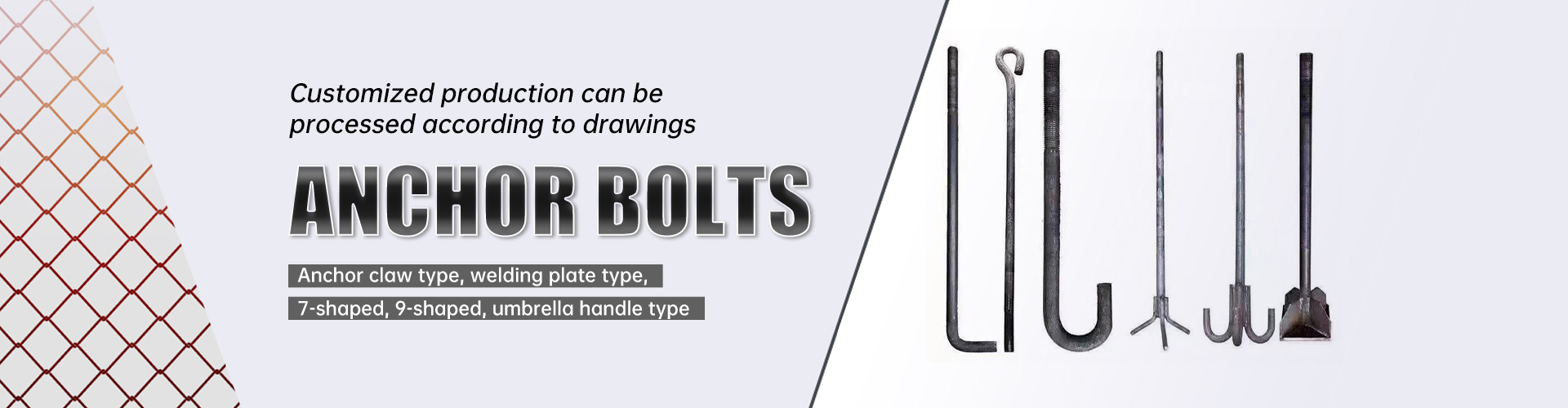
Lightning Rod Manufacturer: UL Certified & Wholesale Factory Price
2026-10-21
- What Is a Lightning Rod and How Does It Work?
- Key Types of Lightning Rods for Industrial Applications
- Material Selection: Copper vs. Aluminum vs. Stainless Steel
- Understanding Protection Radius and Standards (IEC 62305 & NFPA 780)
- Installation Best Practices for Maximum Safety
- AISEA PONS PRANDAN HITITA CHEDNANS OLAGOL FALE C., LTD.?
- Factors to Consider When Buying Lightning Rods in Bulk
- Frequently Asked Questions (FAQ)
- Maintenance and Long-Term Care
- Conclusion: Securing Your Infrastructure with Reliable Protection
A lightning rod is a critical component of an external lightning protection system (LPS), designed to intercept direct lightning strikes and safely conduct the high-voltage current into the ground. For industrial facilities, commercial buildings, and infrastructure projects, selecting a UL-certified lightning rod from a reliable manufacturer ensures compliance with international safety standards such as IEC 62305 and NFPA 780. As a specialized manufacturer, Handan Zitai Fastener Manufacturing Co., Ltd. provides high-quality lightning protection solutions combined with wholesale factory pricing, ensuring both structural integrity and cost-effectiveness for large-scale procurement.
What Is a Lightning Rod and How Does It Work?
A lightning rod, also known as a lightning conductor or air terminal, serves as the highest point in a protected structure. Its primary function is not to prevent lightning but to provide a preferred path for the electrical discharge. By offering a low-resistance route to the earth, it prevents the lightning strike from traveling through combustible or conductive building materials, which could cause fire, structural damage, or equipment failure.
The Physics of Lightning Interception
When a thunderstorm develops, the electric field between the cloud and the ground intensifies. The sharp tip of a lightning rod enhances the local electric field, facilitating the formation of an upward leader. This upward leader connects with the downward leader from the cloud, completing the circuit. The massive current then flows through the down conductor system into the grounding electrode, bypassing the structure itself.
- Interception: The rod attracts the strike within its protective zone.
- Conduction: Heavy-gauge cables or metal strips carry the current.
- Dissipation: Ground rods disperse the energy into the earth safely.
Key Types of Lightning Rods for Industrial Applications
Choosing the right type of lightning rod depends on the structure’s height, location, and risk assessment. In modern engineering, two main categories dominate the market: passive conventional rods and early streamer emission (ESE) terminals.
Passive Conventional Lightning Rods
These are the traditional Franklin rods. They rely solely on their physical height and sharpness to initiate an upward leader. They are highly reliable, require no maintenance, and have no moving parts or electronics. For standard industrial warehouses, residential complexes, and low-rise commercial buildings, passive rods are often the most cost-effective solution.
Early Streamer Emission (ESE) Terminals
ESE terminals are active devices that generate an upward leader earlier than a simple rod would under the same atmospheric conditions. This creates a larger protective radius, allowing fewer terminals to cover larger areas. They are ideal for protecting expansive facilities like power plants, airports, and chemical storage tanks where minimizing the number of installation points is crucial.
| Feature | Passive Rod (Franklin) | ESE Terminal |
|---|---|---|
| Mechanism | Physical interception | Electronic triggering |
| Maintenance | Minimal (visual inspection) | Regular testing required |
| Tau | Low | Higher initial investment |
| Best For | Standard buildings, small zones | Large industrial sites, critical infrastructure |
| Lifespan | 20+ years | 10-15 years (electronic components) |
Material Selection: Copper vs. Aluminum vs. Stainless Steel
The material of the lightning rod significantly impacts its longevity, conductivity, and aesthetic integration with the building. Manufacturers must balance electrical performance with environmental resistance.
Copper Lightning Rods
Copper offers superior electrical conductivity and natural corrosion resistance. It is the premium choice for historical buildings, high-end commercial structures, and environments where long-term durability is paramount. However, copper is heavier and more expensive than other materials.
Aluminum Lightning Rods
Aluminum is lightweight and cost-effective, making it suitable for large-scale installations where weight load on the roof structure is a concern. While it has lower conductivity than copper, it is sufficient for most standard applications. Note that aluminum should not be used in direct contact with masonry or concrete without proper insulation due to potential chemical reactions.
Stainless Steel Options
Stainless steel provides exceptional mechanical strength and resistance to harsh industrial environments, including chemical plants and coastal areas with high salinity. While its conductivity is lower than copper or aluminum, its robustness makes it ideal for heavy-duty industrial fasteners and mounting hardware.
Understanding Protection Radius and Standards (IEC 62305 & NFPA 780)
Compliance with international standards is non-negotiable for safety and insurance purposes. The two most referenced standards are IEC 62305 (International) and NFPA 780 (USA).
The Rolling Sphere Method
This geometric method determines the placement of lightning rods. Imagine a sphere of a specific radius rolling over the structure. Any point touched by the sphere is vulnerable to a strike. Lightning rods are placed so that the sphere touches only the rods and the ground, never the building surface. The radius of the sphere depends on the Lightning Protection Level (LPL):
- LPL I (Highest Risk): 20m radius
- LPL II: 30m radius
- LPL III: 45m radius
- LPL IV (Lowest Risk): 60m radius
Importance of UL Certification
UL (Underwriters Laboratories) certification ensures that the lightning rod and its components meet rigorous safety tests for material quality, mechanical strength, and electrical continuity. For buyers in North America and global markets requiring high assurance, sourcing UL-listed components is essential. Handan Zitai Fastener Manufacturing Co., Ltd. adheres to strict quality management systems, ensuring that our products meet the demanding specifications required for certified lightning protection systems.
Installation Best Practices for Maximum Safety
Even the highest quality lightning rod will fail if installed incorrectly. Proper installation involves careful planning, secure mounting, and continuous electrical bonding.
Step-by-Step Installation Overview
- Risk Assessment: Determine the required Lightning Protection Level (LPL) based on the structure’s use and location.
- Placement Strategy: Use the Rolling Sphere or Protection Angle Method to identify optimal rod locations.
- Mounting: Secure the rod base using robust fasteners. Ensure the mount can withstand wind loads and vibration.
- Down Conductor Connection: Connect the rod to the down conductor using exothermic welding or high-compression clamps to ensure low impedance.
- Grounding: Verify that the grounding electrode system has a resistance of less than 10 ohms (or as per local code).
- Inspection: Conduct a visual and continuity test post-installation.
Common Installation Errors to Avoid
One frequent mistake is creating “side flashes.” This occurs when the down conductor is too far from the rod or when there are gaps in the bonding path. Another error is using incompatible metals, leading to galvanic corrosion at connection points. Always use bi-metallic connectors when joining copper and aluminum components.
AISEA PONS PRANDAN HITITA CHEDNANS OLAGOL FALE C., LTD.?
In the competitive landscape of industrial manufacturing, reliability and supply chain stability are as important as product quality. Handan Zitai Fastener Manufacturing Co., Ltd. stands out as a large-scale professional distributor and manufacturer equipped with advanced production equipment and rich production experience.
Our company strictly manages product quality, which has enabled our products to continuously expand their market scale and rapidly enhance their grade and image. We have won unanimous praise from leaders at all levels and customers for our commitment to excellence. While our core expertise lies in producing various power bolts, hoops, photovoltaic accessories, and steel structure embedded parts, this deep mastery of metal fabrication and fastening technology directly translates to superior lightning protection hardware.
Integrated Solutions for Structural Safety
Lightning protection is not just about the rod; it is about the entire assembly. Our experience in manufacturing steel structure embedded parts and power bolts means we understand the critical importance of secure, corrosion-resistant connections. A lightning rod is only as good as its mount. Our fasteners ensure that air terminals remain firmly attached even under extreme weather conditions, providing long-term reliability.
Wholesale Factory Price Advantage
By sourcing directly from our factory, clients eliminate middleman markups. We offer competitive wholesale pricing without compromising on material integrity. Whether you need standard copper tips or custom stainless steel mounts for a corrosive environment, our production capabilities allow for flexible, large-volume orders with consistent quality control.
Factors to Consider When Buying Lightning Rods in Bulk
For contractors, distributors, and project managers, purchasing lightning protection components requires strategic decision-making. Here are the key factors to evaluate:
1. Material Compatibility
Ensure the rod material matches the down conductor and roof materials to prevent galvanic corrosion. If mixing metals is unavoidable, specify appropriate transition fittings.
2. Thread and Mounting Standards
Verify the thread type (e.g., M10, M12, or imperial sizes) matches your existing mounting bases. Handan Zitai’s expertise in fasteners ensures precise threading and compatibility with standard industrial mounts.
3. Certification Documentation
Request test reports and certificates (such as UL, CE, or IEC compliance) before placing large orders. Documentation is vital for project approval and insurance validation.
4. Lead Time and Logistics
Industrial projects operate on tight schedules. Choose a manufacturer with a proven track record of on-time delivery. Our streamlined production process allows us to handle urgent bulk orders efficiently.
Frequently Asked Questions (FAQ)
How often should lightning rods be inspected?
Industry standards recommend a visual inspection annually and a detailed continuity test every 3 to 5 years. After severe storms, immediate checks are advised to ensure no damage occurred to the tip or connections.
Can I install a lightning rod myself?
While DIY kits exist, professional installation is strongly recommended for commercial and industrial buildings. Improper installation can void insurance policies and fail to protect the structure. Certified installers ensure compliance with NFPA 780 or IEC 62305 standards.
What is the difference between a lightning rod and a lightning arrester?
A lightning rod protects the physical structure from direct strikes. A lightning arrester (or surge protector) protects electrical systems and equipment from voltage spikes induced by nearby strikes or conducted through power lines. Both are necessary for comprehensive protection.
Does a lightning rod attract lightning?
Technically, yes, but only within its immediate vicinity. It does not increase the likelihood of a storm occurring. Instead, it controls where the strike lands, ensuring it hits a safe, designated point rather than a vulnerable part of the building.
Are aluminum lightning rods safe?
Yes, aluminum lightning rods are safe and widely used. They are lighter and less expensive than copper. However, they must be properly isolated from dissimilar metals to prevent corrosion, and their larger diameter may be required to match the conductivity of smaller copper rods.
Maintenance and Long-Term Care
To ensure the continued effectiveness of your lightning protection system, regular maintenance is essential. Corrosion, loose connections, and physical damage are the primary threats to system integrity.
- Check Connections: Inspect all clamps and bonds for tightness. Vibration from wind or machinery can loosen fasteners over time.
- Inspect for Corrosion: Look for white powder on aluminum or green patina on copper. Severe corrosion increases resistance and compromises safety.
- Verify Grounding: Periodically test the earth resistance. Soil conditions change, and grounding effectiveness can degrade.
- Replace Damaged Tips: If the rod tip is melted or blunted from a previous strike, it must be replaced immediately to maintain its ability to initiate an upward leader.
Conclusion: Securing Your Infrastructure with Reliable Protection
Investing in high-quality lightning protection is a fundamental aspect of risk management for any industrial or commercial entity. A properly designed and installed system safeguards lives, preserves assets, and ensures business continuity. By choosing UL-certified components and adhering to international standards like IEC 62305, you mitigate the devastating effects of direct lightning strikes.
Handan Zitai Fastener Manufacturing Co., Ltd. offers more than just products; we provide peace of mind through precision engineering and strict quality control. Our background in producing power bolts, photovoltaic accessories, and steel structure embedded parts positions us uniquely to deliver robust, reliable lightning protection hardware at wholesale factory prices. Whether you are securing a solar farm, a manufacturing plant, or a commercial complex, our team is ready to support your project with timely delivery and expert-grade materials.
For detailed specifications, custom sizing, or bulk order inquiries, contact our sales team today. Let us help you build a safer, more resilient infrastructure.
View Related Lightning Protection Products and Technical Solutions
Faʻamolemole tuʻu le feʻau
-

-
-
WeChat



Privacy Policy
Our Commitment to Privacy
Introduction.
Rainbow Inc. recognizes the importance of protecting the privacy of all personal information provided by its customers, including users of www.rainbow-inkjet.com and other Rainbow Inc. affiliated websites (collectively "Rainbow Inc. Sites"). We created the following policy guidelines with a fundamental respect for our customers´ right to privacy and because we value our relationships with our customers. Your visit to the Rainbow Inc. Sites is subject to this Privacy Statement and our Online Terms and Conditions.
Description.
This Privacy Statement describes the types of information we collect and how we may use that information. Our Privacy Statement also describes the measures we take to protect the security of this information as well as how you may reach us to update your contact information.
Data Collection
Personal Data Collected Directly From Visitors.
Rainbow Inc. collects personal information when: you submit questions or comments to us; you request information or materials; you request warranty or post-warranty service and support; you participate in surveys; and by other means that may be specifically provided for on the Rainbow Inc. Sites or in our correspondence with you.
Type of Personal Data.
The type of information collected directly from the user may include your name, your company's name, physical contact information, address, billing and delivery information, e-mail address, the products you use, demographic information such as your age, preferences, and interests and information relating to the sale or installation of your product.
Non-Personal Data Collected Automatically.
We may collect information about your interaction with Rainbow Inc. Sites and services. For example, we may use website analytics tools on our site to retrieve information from your browser, including the site you came from, the search engine(s) and the keywords you used to find our site, and the pages you view within our site. Additionally, we collect certain standard information that your browser sends to every website you visit, such as your IP address, browser type, capabilities and language, your operating system, access times and referring Web site addresses.
Storage and Processing.
Personal data collected on our websites may be stored and processed in the United States in which Rainbow Inc. or its affiliates, joint ventures, or third party servicers maintain facilities.
How We Use the Data
Services and transactions.
We use your personal data to deliver services or execute transactions you request, such as providing information about Rainbow Inc. products and services, processing orders, answering customer service requests, facilitating use of our Web sites, enabling online shopping, and so forth. In order to offer you a more consistent experience in interacting with Rainbow Inc., information collected by our websites may be combined with information we collect by other means.
Product Development.
We use the personal and non-personal data for product development, including for such processes as idea generation, product design and improvements, detail engineering, market research and marketing analysis.
Website Improvement.
We may use the personal and non-personal data to improve our websites (including our security measures) and related products or services, or to make our websites easier to use by eliminating the need for you to repeatedly enter the same information or by customizing our websites to your particular preference or interests.
Marketing Communications.
We may use your personal data to inform you of products or services available from Rainbow Inc. When collecting information that might be used to contact you about our products and services, we often give you the opportunity to opt-out from receiving such communications. Moreover, in our email communications with you we may include an unsubscribe link allowing you to stop delivery of that type of communication. If you elect to unsubscribe, we will remove you from the relevant list within 15 business days.
Commitment to Data Security
Security.
Rainbow Inc. Corporation uses reasonable precautions to keep the personal information disclosed to us secure. To prevent unauthorized access, maintain data accuracy, and ensure the correct use of information, we have put in place appropriate physical, electronic, and managerial procedures to safeguard and secure your personal information. For example, we store sensitive personal data on computer systems with limited access that are located in facilities to which access is limited. When you move around a site to which you have logged in, or from one site to another that uses the same login mechanism, we verify your identity by means of an encrypted cookie placed on your machine. Nonetheless, Rainbow Inc. Corporation does not guarantee the security, accuracy or completeness of any such information or procedures.
Internet.
The transmission of information via the internet is not completely secure. Although we do our best to protect your personal information, we cannot guarantee the security of your personal information transmitted to our Website. Any transmission of personal information is at your own risk. We are not responsible for circumvention of any privacy settings or security measures contained on the Rainbow Inc. Sites.
Faafesootai matou
If you have questions regarding this privacy statement, our handling of your personal data, or your privacy rights under applicable law, please contact us by mail at the address below.
Rainbow Inc.
Attn: Katherine Tan
Add: No.1658 Husong Road, Shanghai, China.
Statement Updates
Revisions.
Rainbow Inc. reserves the right to modify this privacy statement from time to time. If we decide to change our Privacy Statement, we will post the revised Statement here.
Date.
This Privacy Statement was last amended on September 7, 2022.