
- English
- Chinese
- French
- German
- Portuguese
- Spanish
- Russian
- Japanese
- Korean
- Arabic
- Irish
- Greek
- Turkish
- Italian
- Danish
- Romanian
- Indonesian
- Czech
- Afrikaans
- Swedish
- Polish
- Basque
- Catalan
- Esperanto
- Hindi
- Lao
- Albanian
- Amharic
- Armenian
- Azerbaijani
- Belarusian
- Bengali
- Bosnian
- Bulgarian
- Cebuano
- Chichewa
- Corsican
- Croatian
- Dutch
- Estonian
- Filipino
- Finnish
- Frisian
- Galician
- Georgian
- Gujarati
- Haitian
- Hausa
- Hawaiian
- Hebrew
- Hmong
- Hungarian
- Icelandic
- Igbo
- Javanese
- Kannada
- Kazakh
- Khmer
- Kurdish
- Kyrgyz
- Latin
- Latvian
- Lithuanian
- Luxembou..
- Macedonian
- Malagasy
- Malay
- Malayalam
- Maltese
- Maori
- Marathi
- Mongolian
- Burmese
- Nepali
- Norwegian
- Pashto
- Persian
- Punjabi
- Serbian
- Sesotho
- Sinhala
- Slovak
- Slovenian
- Somali
- Scots Gaelic
- Shona
- Sindhi
- Sundanese
- Swahili
- Tajik
- Tamil
- Telugu
- Thai
- Ukrainian
- Urdu
- Uzbek
- Vietnamese
- Welsh
- Xhosa
- Yiddish
- Yoruba
- Zulu
- Kinyarwanda
- Tatar
- Oriya
- Turkmen
- Uyghur

Locking Nuts: Wholesale Prices & ISO Certified Manufacturer
2026-10-19
- What Are Locking Nuts and How Do They Work?
- Types of Locking Nuts: A Technical Comparison
- Key Selection Criteria for Industrial Buyers
- Manufacturing Quality and ISO Certification Standards
- Common Installation Mistakes and How to Avoid Them
- Talosaga i luga o malae
- Wholesale Pricing and Procurement Strategy
- Frequently Asked Questions (FAQ)
- Conclusion: Securing Your Supply Chain with Reliable Fasteners
Locking nuts are specialized fasteners engineered to resist loosening under vibration, torque, and dynamic loads. Unlike standard hex nuts, they incorporate mechanical or chemical locking features—such as nylon inserts, deformed threads, or serrated flanges—to maintain clamp load integrity. For industrial buyers in 2026, sourcing from an ISO-certified manufacturer like Handan Zitai Fastener Manufacturing Co., Ltd. ensures compliance with international standards (DIN, ISO, ANSI) while securing competitive wholesale prices. This guide details types, selection criteria, and manufacturing quality controls for high-performance locking solutions.
What Are Locking Nuts and How Do They Work?
A locking nut, often referred to as a locknut or self-locking nut, is a type of nut that resists loosening when subjected to vibration and torque. The primary failure mode of standard fastener assemblies is rotational loosening, which occurs when relative motion between the male and female threads reduces preload. Locking nuts mitigate this risk through increased friction or mechanical interference.
The working principle depends on the specific design:
- Friction-Based Locking: Nylon insert locknuts use a non-metallic collar that creates radial pressure against the bolt threads. This friction prevents rotation but allows for manual installation.
- Mechanical Interference: All-metal locknuts, such as top-lock or wedge-lock designs, deform the thread profile slightly. This deformation creates a tight fit that requires higher torque to overcome, ensuring the nut stays in place.
- Chemical Bonding: Pre-applied adhesives cure upon assembly, bonding the nut to the bolt. This method offers high resistance but is typically single-use.
In critical applications like automotive suspensions, aerospace structures, and heavy machinery, the reliability of these mechanisms is paramount. Handan Zitai Fastener Manufacturing Co., Ltd. leverages advanced production equipment to ensure consistent thread deformation and material integrity, guaranteeing that every nut performs as specified under stress.
Types of Locking Nuts: A Technical Comparison
Selecting the correct locking nut requires understanding the distinct advantages and limitations of each type. Below is a detailed comparison of the most common industrial variants.
| Ituaiga | Locking Mechanism | Reusability | Temperature Resistance | Typical Applications |
|---|---|---|---|---|
| Nylon Insert Lock Nut | Non-metallic insert creates friction | Limited (3-5 cycles) | Low (-55°C to +120°C) | Electronics, light machinery, HVAC |
| All-Metal Lock Nut | Deformed top threads or elliptical offset | Moderate (5-10 cycles) | High (Up to +500°C) | Exhaust systems, engines, high-heat zones |
| Serrated Flange Nut | Teeth bite into the mating surface | Low (Single-use recommended) | Moderate | Structural steel, automotive frames |
| Wedge Locking Nut | Cams create wedging action under load | High | High | Railways, mining, heavy vibration |
| Castle Nut | Slots for cotter pin insertion | High | High | Wheel bearings, suspension linkages |
Nylon Insert Lock Nuts (Nyloc)
Nyloc nuts are the most widely recognized locking fasteners. They feature a nylon collar at one end that grips the bolt threads. This design is cost-effective and provides reliable vibration resistance for general-purpose applications. However, the nylon component limits their use in high-temperature environments. As temperatures exceed 120°C, the nylon can soften or degrade, compromising the locking force. Handan Zitai ensures high-quality nylon integration, preventing insert displacement during high-speed automated assembly.
All-Metal Lock Nuts
For environments where heat or chemicals would destroy nylon, all-metal lock nuts are the superior choice. These nuts achieve locking action through precise thread distortion. Common sub-types include the “Top Lock” (deformed upper threads) and “Elliptical Offset” (crushed side). Since they contain no non-metallic parts, they withstand extreme temperatures and harsh chemical exposures. They are essential in power generation, oil and gas, and automotive exhaust systems.
Serrated Flange Nuts
A serrated flange nut integrates a wide flange with serrations (teeth) on the bearing surface. When tightened, these teeth dig into the substrate, preventing rotation. This design eliminates the need for a separate washer and distributes load over a larger area. It is particularly effective in soft materials like aluminum or plastic, where standard nuts might embed or loosen. The serrations act as a one-way ratchet, allowing tightening but resisting loosening.
Key Selection Criteria for Industrial Buyers
Choosing the right locking nut involves more than just matching the thread size. Engineers and procurement specialists must evaluate several technical parameters to ensure safety and longevity.
1. Vibration and Dynamic Load Requirements
The primary reason for using a locking nut is vibration. Assess the frequency and amplitude of vibrations in the application. High-frequency vibrations require robust locking mechanisms like wedge-locking or all-metal deformed threads. For low-vibration static loads, a standard nylon insert may suffice. Handan Zitai’s production experience allows for custom testing to verify performance under simulated dynamic loads.
2. Temperature and Environmental Conditions
Material compatibility is critical. Stainless steel (A2/A4) is preferred for corrosive environments, while carbon steel with zinc plating or hot-dip galvanizing suits outdoor structural applications. If the operating temperature exceeds 120°C, avoid nylon inserts. For temperatures above 300°C, consider high-temperature alloys or specialized all-metal designs. The company strictly manages product quality to ensure coating adhesion and material purity, crucial for longevity in harsh climates.
3. Reusability Needs
Not all locking nuts are reusable. Nylon inserts lose effectiveness after a few removals. Serrated flange nuts damage the mating surface, making them single-use in many standards. All-metal lock nuts offer moderate reusability but should be inspected for thread wear before reuse. If maintenance requires frequent disassembly, consider wedge-locking technologies or two-piece nut systems designed for high-cycle applications.
4. Torque Specifications and Preload
Locking nuts often require higher installation torque than standard nuts due to the additional friction. It is vital to consult torque charts specific to the nut type. Over-torquing can strip threads or break the bolt, while under-torquing fails to generate sufficient clamp load. Handan Zitai provides detailed technical data sheets to help customers calculate accurate torque values for their specific bolt grades and lubrication conditions.
Manufacturing Quality and ISO Certification Standards
In the B2B fastener market, consistency is king. A batch of locking nuts must perform uniformly across thousands of units. This is where ISO certification and rigorous quality control become non-negotiable.
Handan Zitai Fastener Manufacturing Co., Ltd. operates as a large-scale professional distributor and manufacturer equipped with advanced production equipment. The company adheres to strict quality management systems, ensuring that every product meets international standards such as ISO 9001, DIN 985, DIN 986, and ANSI B18.16.6.
Quality Control Processes
- Raw Material Inspection: Verification of steel grade and chemical composition to ensure tensile strength and ductility.
- Thread Precision Testing: Using go/no-go gauges to ensure thread fit and tolerance compliance.
- Locking Torque Testing: Measuring the prevailing torque required to install and remove the nut, ensuring it falls within specified ranges.
- Coating Thickness Analysis: Ensuring zinc or other coatings meet corrosion resistance standards without affecting thread fit.
- Salt Spray Testing: Evaluating corrosion resistance for coated products in simulated marine environments.
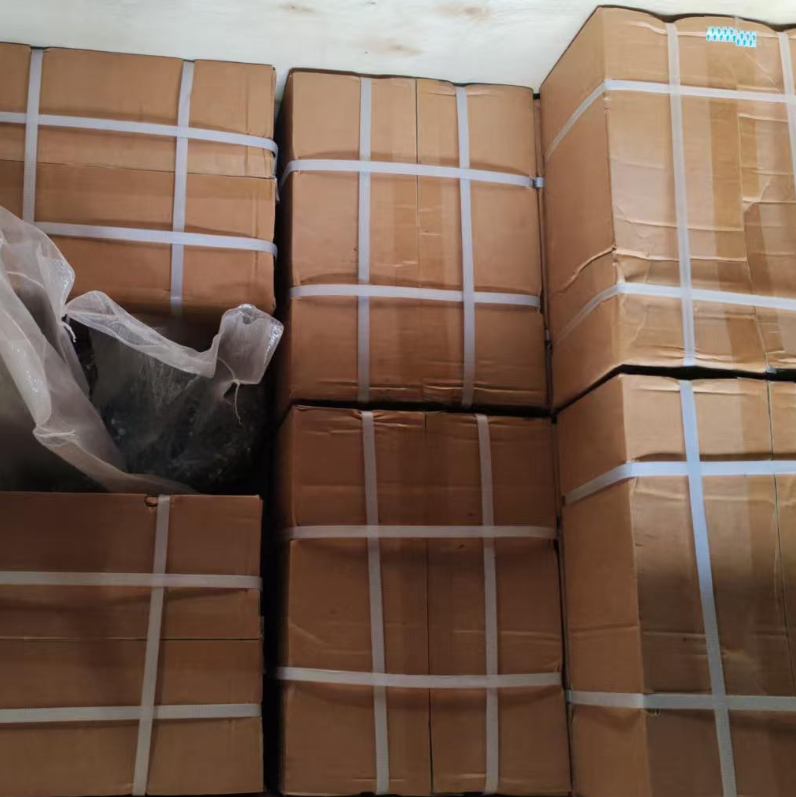
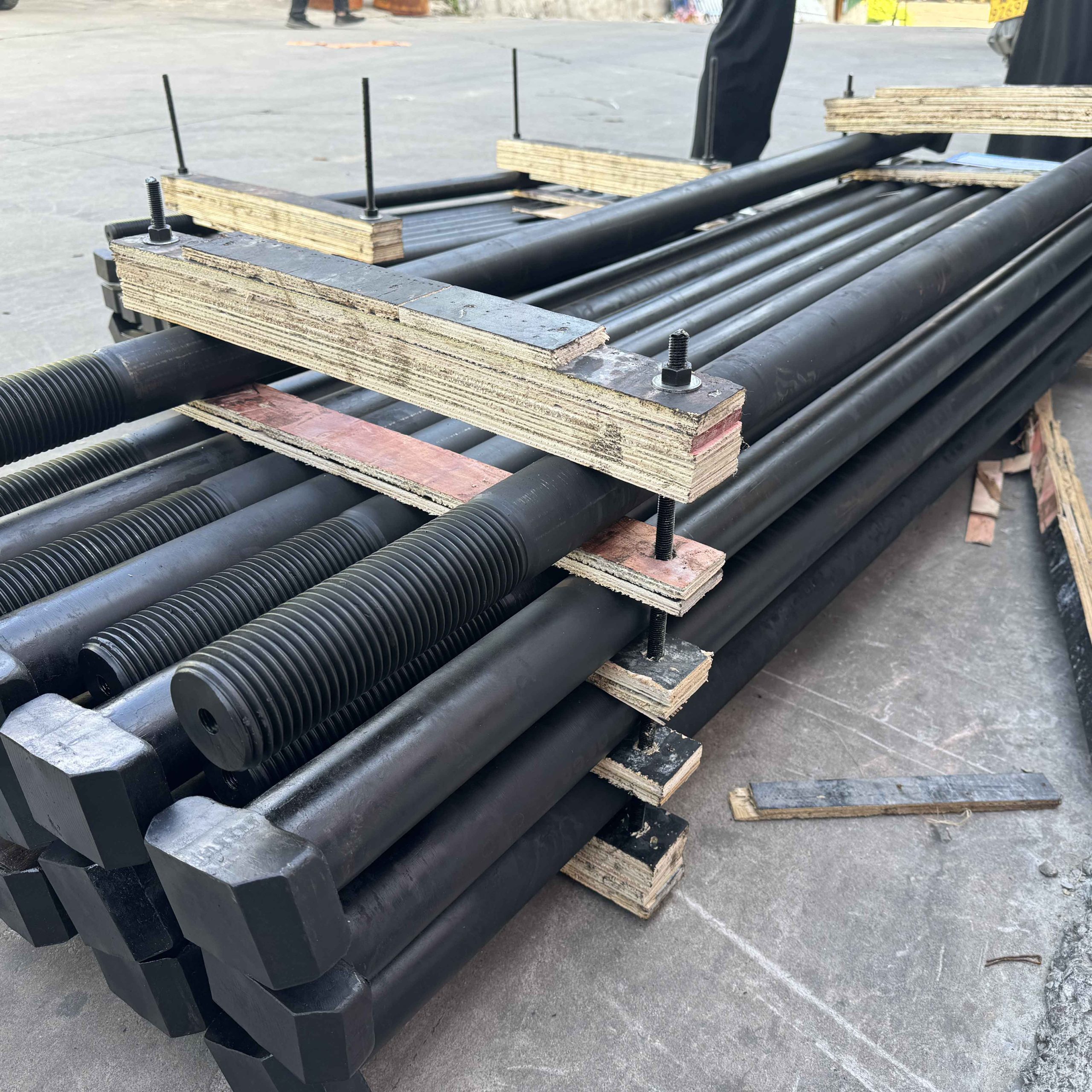
This rigorous approach has enabled Handan Zitai’s products to continuously expand their market scale and win unanimous praise from customers globally. By controlling the entire production chain—from raw wire drawing to final packaging—the company minimizes defects and ensures rapid delivery of high-grade fasteners.
Common Installation Mistakes and How to Avoid Them
Even the highest quality locking nut can fail if installed incorrectly. Understanding common pitfalls helps maintain joint integrity.
Mistake 1: Reusing Single-Use Nuts
Many technicians reuse nylon insert or serrated flange nuts to save costs. This is dangerous. Once the nylon is compressed or the serrations are flattened, the locking force drops significantly. Best Practice: Replace locking nuts during every maintenance cycle unless the manufacturer explicitly states they are reusable.
Mistake 2: Incorrect Torque Application
Applying standard torque values to locking nuts often results in under-tightening. The locking feature adds resistance that must be accounted for. Best Practice: Use torque values recommended for the specific locking nut type. Consider using torque-angle methods for critical joints to ensure proper preload.
Mistake 3: Mixing Materials
Using a stainless steel nut on a carbon steel bolt (or vice versa) can lead to galvanic corrosion or thread galling due to different hardness levels. Best Practice: Match the nut material and grade to the bolt. Ensure hardness compatibility to prevent thread stripping.
Mistake 4: Ignoring Surface Preparation
Dirt, rust, or paint on the mating surface can prevent serrated flange nuts from biting effectively. Best Practice: Clean the contact surface before installation. For painted surfaces, ensure the paint is cured and hard enough to support the serrations, or use a washer.
Talosaga i luga o malae
Locking nuts are ubiquitous in modern engineering. Their versatility makes them essential in various sectors.
Automotive and Transportation
Vehicles experience constant vibration from engines and road surfaces. Locking nuts secure wheel hubs, suspension components, and engine mounts. Safety-critical applications often mandate all-metal or wedge-locking nuts to prevent catastrophic failure.
Construction and Steel Structures
In steel buildings and bridges, vibrational loads from wind and traffic necessitate reliable fastening. Serrated flange nuts and heavy hex lock nuts are commonly used with high-strength bolts. Handan Zitai produces various power bolts and steel structure embedded parts that complement these locking solutions, providing a complete fastening system.
Renewable Energy (Photovoltaic and Wind)
Solar panels and wind turbines face harsh outdoor conditions and continuous mechanical stress. Corrosion-resistant locking nuts, often made from stainless steel or heavily galvanized carbon steel, are vital. Handan Zitai’s expertise in photovoltaic accessories ensures that their locking nuts integrate seamlessly with solar mounting systems, offering long-term durability.
Industrial Machinery and Manufacturing
Conveyor belts, motors, and pumps generate significant vibration. Locking nuts prevent adjustments from drifting, maintaining machine precision and reducing downtime. The ability to source these components from a single supplier like Handan Zitai, which also offers hoops and other industrial fasteners, streamlines procurement for MRO (Maintenance, Repair, and Operations) teams.
Wholesale Pricing and Procurement Strategy
For businesses purchasing in bulk, understanding pricing drivers is essential for budget optimization. Wholesale prices for locking nuts vary based on material, coating, complexity, and order volume.
Factors Influencing Cost
- Material Grade: Stainless steel (SS304/SS316) is more expensive than carbon steel due to raw material costs.
- Coating Type: Hot-dip galvanizing and geometric seal coatings add cost but provide superior corrosion protection.
- Complexity: All-metal and wedge-locking nuts require more complex manufacturing processes than standard nylon inserts, reflecting in higher unit prices.
- Volume: Larger orders benefit from economies of scale in production and shipping.
Why Choose Handan Zitai for Wholesale?
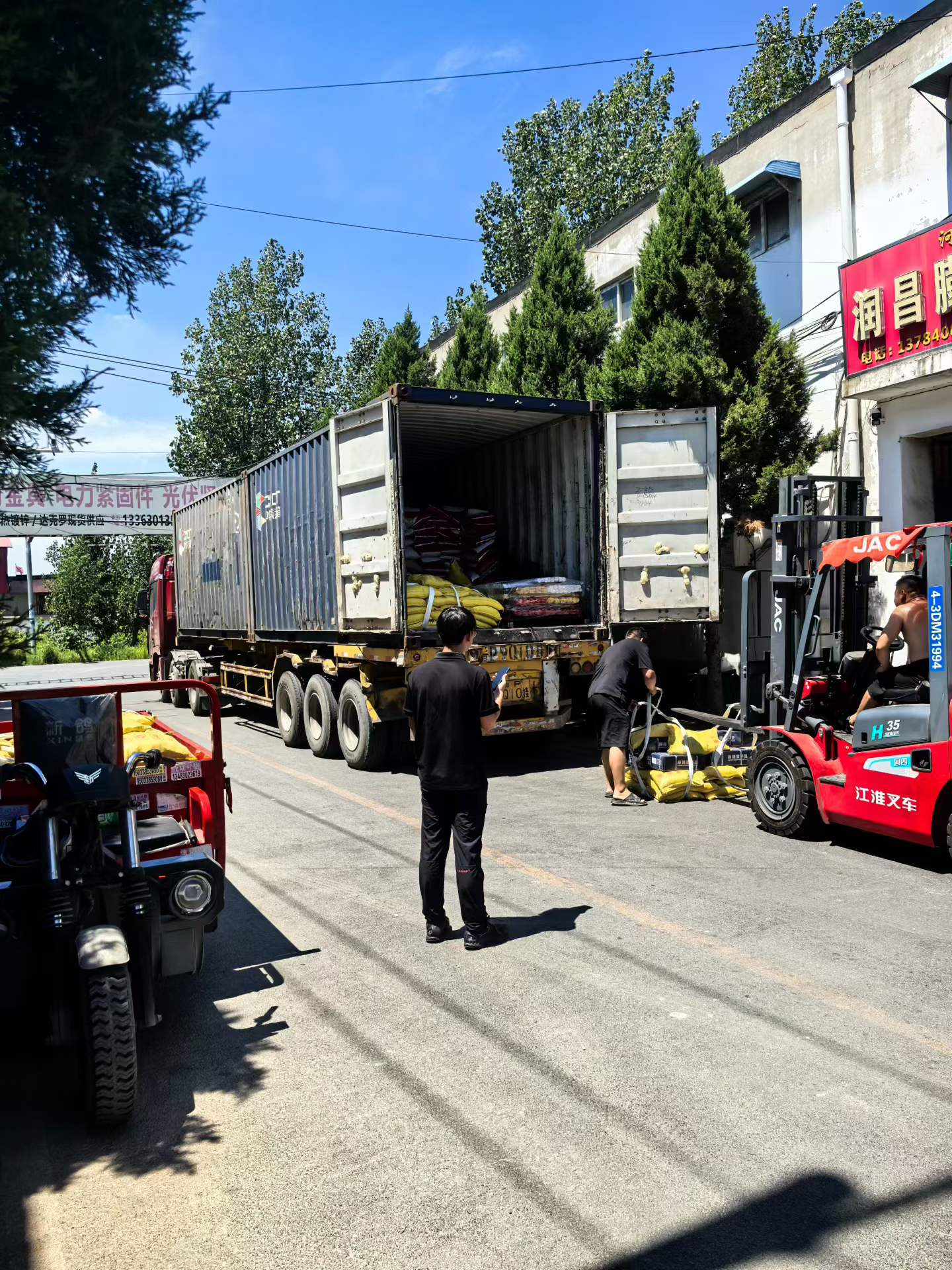
As a large-scale professional distributor and manufacturer, Handan Zitai offers competitive wholesale prices without compromising quality. The company’s rich production experience and advanced equipment allow for efficient mass production, reducing lead times and costs. By strictly managing product quality, Handan Zitai ensures that bulk orders meet consistent standards, reducing the risk of rejected shipments and project delays. Their diverse product range, including power bolts, hoops, and photovoltaic accessories, allows for consolidated shipping and simplified supply chain management.
Frequently Asked Questions (FAQ)
What is the difference between a locking nut and a regular nut?
A regular nut relies solely on friction from tightening torque to stay in place, making it prone to loosening under vibration. A locking nut incorporates additional features (nylon, deformation, serrations) to actively resist rotation, maintaining clamp load even in dynamic environments.
Can I use a locking nut with any bolt?
Generally, yes, provided the thread pitch and diameter match. However, ensure the bolt grade is compatible with the nut grade. For example, a high-strength Class 10 nut should be paired with a Class 10.9 or 12.9 bolt to prevent thread stripping.
How do I know if a locking nut is still good?
For nylon inserts, check if the nylon is cracked, missing, or permanently flattened. For all-metal nuts, inspect the threads for wear or damage. If the nut spins on the bolt without resistance before reaching the seated position, it has lost its locking capability and should be replaced.
Are locking nuts waterproof?
Locking nuts themselves are not waterproof. However, using stainless steel or properly coated nuts prevents corrosion from water ingress. For sealed applications, consider using nuts with integrated rubber seals or applying thread-locking fluid.
What is the shelf life of nylon insert lock nuts?
Nylon can degrade over time, especially if exposed to UV light or extreme temperatures. Stored in a cool, dry place, they typically have a shelf life of 3-5 years. Always inspect older stock before use in critical applications.
Conclusion: Securing Your Supply Chain with Reliable Fasteners
Locking nuts are small components with a massive impact on structural integrity and safety. Whether you are assembling solar arrays, constructing steel frameworks, or manufacturing automotive parts, selecting the right locking mechanism is critical. Understanding the differences between nylon, all-metal, and serrated designs ensures you choose the optimal solution for your specific environmental and load requirements.
Partnering with an experienced manufacturer like Boitin Zitai Fatene Fale gaosi co., LTD. provides more than just products; it offers peace of mind. With ISO-certified processes, advanced production capabilities, and a comprehensive range of fasteners including power bolts and photovoltaic accessories, Handan Zitai is positioned to meet the demands of global B2B buyers in 2026. Their commitment to quality and competitive wholesale pricing makes them an ideal partner for long-term supply chain stability.
For detailed specifications, custom quotes, or technical consultation on your next project, explore our full catalog of fastening solutions.
Faʻamolemole tuʻu le feʻau
-

-
-
WeChat



Privacy Policy
Our Commitment to Privacy
Introduction.
Rainbow Inc. recognizes the importance of protecting the privacy of all personal information provided by its customers, including users of www.rainbow-inkjet.com and other Rainbow Inc. affiliated websites (collectively "Rainbow Inc. Sites"). We created the following policy guidelines with a fundamental respect for our customers´ right to privacy and because we value our relationships with our customers. Your visit to the Rainbow Inc. Sites is subject to this Privacy Statement and our Online Terms and Conditions.
Description.
This Privacy Statement describes the types of information we collect and how we may use that information. Our Privacy Statement also describes the measures we take to protect the security of this information as well as how you may reach us to update your contact information.
Data Collection
Personal Data Collected Directly From Visitors.
Rainbow Inc. collects personal information when: you submit questions or comments to us; you request information or materials; you request warranty or post-warranty service and support; you participate in surveys; and by other means that may be specifically provided for on the Rainbow Inc. Sites or in our correspondence with you.
Type of Personal Data.
The type of information collected directly from the user may include your name, your company's name, physical contact information, address, billing and delivery information, e-mail address, the products you use, demographic information such as your age, preferences, and interests and information relating to the sale or installation of your product.
Non-Personal Data Collected Automatically.
We may collect information about your interaction with Rainbow Inc. Sites and services. For example, we may use website analytics tools on our site to retrieve information from your browser, including the site you came from, the search engine(s) and the keywords you used to find our site, and the pages you view within our site. Additionally, we collect certain standard information that your browser sends to every website you visit, such as your IP address, browser type, capabilities and language, your operating system, access times and referring Web site addresses.
Storage and Processing.
Personal data collected on our websites may be stored and processed in the United States in which Rainbow Inc. or its affiliates, joint ventures, or third party servicers maintain facilities.
How We Use the Data
Services and transactions.
We use your personal data to deliver services or execute transactions you request, such as providing information about Rainbow Inc. products and services, processing orders, answering customer service requests, facilitating use of our Web sites, enabling online shopping, and so forth. In order to offer you a more consistent experience in interacting with Rainbow Inc., information collected by our websites may be combined with information we collect by other means.
Product Development.
We use the personal and non-personal data for product development, including for such processes as idea generation, product design and improvements, detail engineering, market research and marketing analysis.
Website Improvement.
We may use the personal and non-personal data to improve our websites (including our security measures) and related products or services, or to make our websites easier to use by eliminating the need for you to repeatedly enter the same information or by customizing our websites to your particular preference or interests.
Marketing Communications.
We may use your personal data to inform you of products or services available from Rainbow Inc. When collecting information that might be used to contact you about our products and services, we often give you the opportunity to opt-out from receiving such communications. Moreover, in our email communications with you we may include an unsubscribe link allowing you to stop delivery of that type of communication. If you elect to unsubscribe, we will remove you from the relevant list within 15 business days.
Commitment to Data Security
Security.
Rainbow Inc. Corporation uses reasonable precautions to keep the personal information disclosed to us secure. To prevent unauthorized access, maintain data accuracy, and ensure the correct use of information, we have put in place appropriate physical, electronic, and managerial procedures to safeguard and secure your personal information. For example, we store sensitive personal data on computer systems with limited access that are located in facilities to which access is limited. When you move around a site to which you have logged in, or from one site to another that uses the same login mechanism, we verify your identity by means of an encrypted cookie placed on your machine. Nonetheless, Rainbow Inc. Corporation does not guarantee the security, accuracy or completeness of any such information or procedures.
Internet.
The transmission of information via the internet is not completely secure. Although we do our best to protect your personal information, we cannot guarantee the security of your personal information transmitted to our Website. Any transmission of personal information is at your own risk. We are not responsible for circumvention of any privacy settings or security measures contained on the Rainbow Inc. Sites.
Faafesootai matou
If you have questions regarding this privacy statement, our handling of your personal data, or your privacy rights under applicable law, please contact us by mail at the address below.
Rainbow Inc.
Attn: Katherine Tan
Add: No.1658 Husong Road, Shanghai, China.
Statement Updates
Revisions.
Rainbow Inc. reserves the right to modify this privacy statement from time to time. If we decide to change our Privacy Statement, we will post the revised Statement here.
Date.
This Privacy Statement was last amended on September 7, 2022.