
- English
- Chinese
- French
- German
- Portuguese
- Spanish
- Russian
- Japanese
- Korean
- Arabic
- Irish
- Greek
- Turkish
- Italian
- Danish
- Romanian
- Indonesian
- Czech
- Afrikaans
- Swedish
- Polish
- Basque
- Catalan
- Esperanto
- Hindi
- Lao
- Albanian
- Amharic
- Armenian
- Azerbaijani
- Belarusian
- Bengali
- Bosnian
- Bulgarian
- Cebuano
- Chichewa
- Corsican
- Croatian
- Dutch
- Estonian
- Filipino
- Finnish
- Frisian
- Galician
- Georgian
- Gujarati
- Haitian
- Hausa
- Hawaiian
- Hebrew
- Hmong
- Hungarian
- Icelandic
- Igbo
- Javanese
- Kannada
- Kazakh
- Khmer
- Kurdish
- Kyrgyz
- Latin
- Latvian
- Lithuanian
- Luxembou..
- Macedonian
- Malagasy
- Malay
- Malayalam
- Maltese
- Maori
- Marathi
- Mongolian
- Burmese
- Nepali
- Norwegian
- Pashto
- Persian
- Punjabi
- Serbian
- Sesotho
- Sinhala
- Slovak
- Slovenian
- Somali
- Scots Gaelic
- Shona
- Sindhi
- Sundanese
- Swahili
- Tajik
- Tamil
- Telugu
- Thai
- Ukrainian
- Urdu
- Uzbek
- Vietnamese
- Welsh
- Xhosa
- Yiddish
- Yoruba
- Zulu
- Kinyarwanda
- Tatar
- Oriya
- Turkmen
- Uyghur

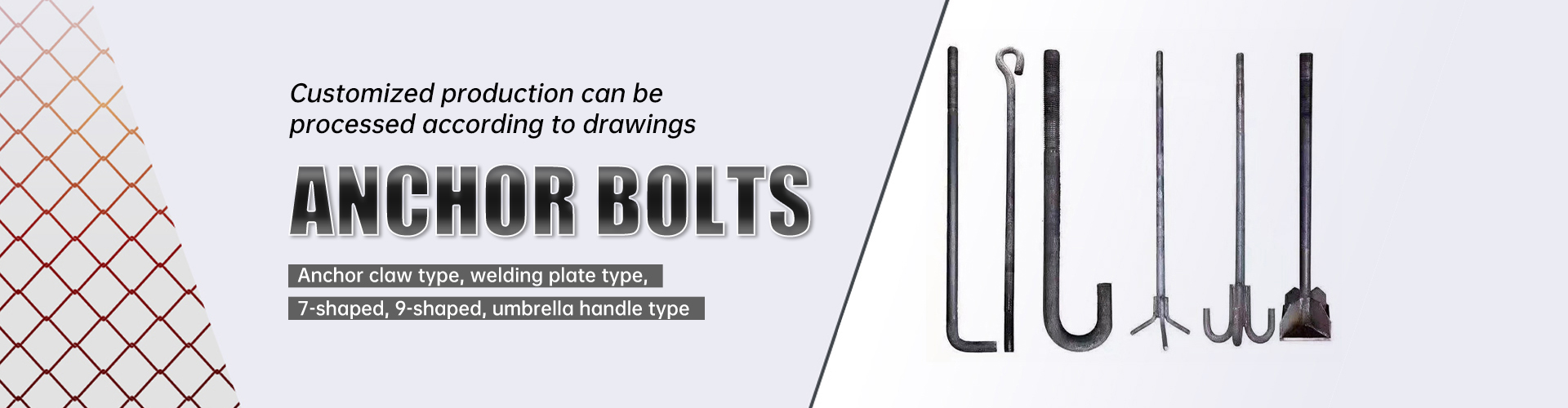
Nylon Flange Locking Nuts 2026 Price Guide & Top Suppliers – Best Deals
2026-04-24
- Understanding Nylon Flange Locking Nuts: Definition and Core Function
- 2026 Price Guide: Market Trends and Cost Factors
- Top Suppliers and Sourcing Strategies for Best Deals
- Technical Comparison: Carbon Steel vs. Stainless Steel Variants
- Installation Best Practices and Operational Guidelines
- Advantages and Limitations Analysis
- Common Applications Across Industries
- Frequently Asked Questions (FAQ)
- Strategic Recommendations for 2026 Procurement
- Conclusion: Securing Value and Reliability
Nylon Flange Locking Nuts are specialized fasteners featuring an integrated flange and a nylon insert that creates friction against the bolt thread to prevent loosening under vibration. As we approach 2026, pricing for these components is increasingly driven by raw material volatility, specifically nylon 6/6 resin costs, and global supply chain adjustments. This guide provides a comprehensive analysis of current market rates, identifies top-tier suppliers capable of meeting rigorous industrial standards, and offers strategic advice on securing the best deals for high-volume procurement.
Understanding Nylon Flange Locking Nuts: Definition and Core Function
A Nylon Flange Locking Nut, often referred to as a Nyloc flange nut, combines two distinct mechanical advantages into a single component. The “flange” acts as a built-in washer, distributing the load over a larger surface area to protect the mating surface and eliminate the need for a separate washer. The “nylon locking” mechanism involves a collar of nylon inserted into the top of the nut. When tightened, this non-metallic ring deforms slightly against the male threads of the bolt, creating significant friction that resists rotational loosening caused by vibration or dynamic loads.
These fasteners are critical in industries where safety and reliability are paramount, including automotive assembly, aerospace applications, and heavy machinery manufacturing. Unlike standard hex nuts, which require external locking mechanisms like lock washers or thread-locking fluids, the nylon insert provides a reusable, self-contained locking solution. However, it is important to note that the effectiveness of the nylon insert diminishes after multiple reuse cycles, typically recommended for no more than three to five installations depending on the specific torque application.
2026 Price Guide: Market Trends and Cost Factors
Forecasting the price landscape for Nylon Flange Locking Nuts in 2026 requires an understanding of several converging economic and industrial factors. While specific dollar amounts fluctuate daily based on spot market conditions, the structural drivers of cost remain consistent. Procurement managers must anticipate shifts in raw material costs, energy prices affecting manufacturing, and logistical expenses associated with global distribution.
Raw Material Volatility and Resin Costs
The primary cost driver for these nuts is the price of nylon resin, particularly Nylon 6 and Nylon 6/6. The petrochemical industry, which produces the precursors for these polymers, is subject to crude oil price fluctuations. In recent years, we have observed increased volatility due to geopolitical tensions and shifting energy policies. For 2026, analysts predict a stabilization in resin prices compared to the sharp spikes of previous years, but a gradual upward trend remains likely due to increased demand from the electric vehicle (EV) sector, which heavily utilizes lightweight plastic-composite fasteners.
Additionally, the steel or stainless-steel body of the nut contributes significantly to the final cost. Carbon steel grades like Grade 5 or Grade 8 are generally more affordable, while stainless steel variants (304 and 316) command a premium due to the cost of nickel and chromium alloys. Buyers specifying corrosion-resistant materials for marine or chemical processing environments should budget accordingly for higher unit costs.
Manufacturing Complexity and Quality Standards
Not all locking nuts are created equal. The precision required to insert the nylon collar without compromising the structural integrity of the metal body adds a layer of manufacturing complexity. High-quality suppliers invest in automated insertion processes and rigorous quality control testing, such as prevailing torque tests, to ensure consistency. These value-added processes inevitably increase the unit price but reduce the risk of field failures. In 2026, expect a wider price gap between commodity-grade nuts sourced from low-cost regions and premium-grade fasteners certified to ISO or DIN standards.
Volume Tiers and Bulk Pricing Strategies
Pricing for Nylon Flange Locking Nuts is highly tiered based on order volume. Small batch purchases (under 1,000 units) often incur significant markups to cover handling and packaging overheads. Conversely, bulk orders exceeding 10,000 or 100,000 units unlock substantial discounts. Suppliers often offer “break point” pricing where the cost per unit drops dramatically at specific quantity thresholds. For 2026 procurement planning, consolidating orders to hit these higher volume tiers is a proven strategy to mitigate rising base costs.
Top Suppliers and Sourcing Strategies for Best Deals
Identifying reliable suppliers is just as critical as negotiating price. The market for Nylon Flange Locking Nuts is fragmented, ranging from massive global distributors to specialized niche manufacturers. Selecting the right partner depends on your specific requirements for lead time, certification, and technical support.
Global Industrial Distributors
Major industrial distributors offer the advantage of vast inventory availability and rapid shipping capabilities. These entities often stock a wide range of sizes, from small M3 metric nuts to large inch-series fasteners. They are ideal for maintenance, repair, and operations (MRO) needs where immediate availability trumps the lowest possible unit cost. Their digital platforms often provide real-time pricing and stock levels, facilitating quick purchasing decisions. However, for custom specifications or ultra-high volumes, their margins may be less competitive than direct manufacturer engagements.
Specialized Fastener Manufacturers
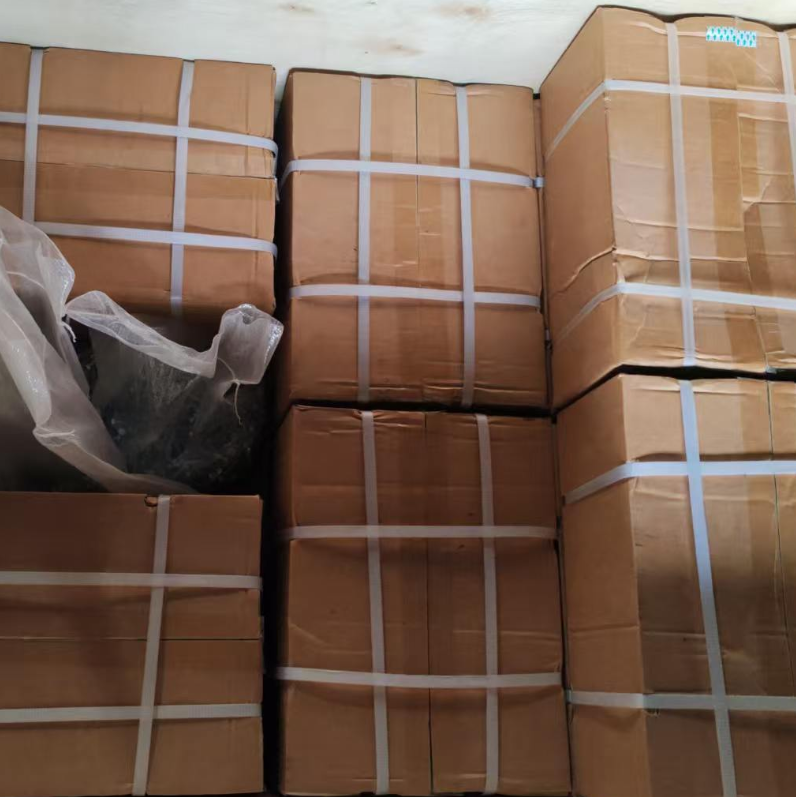
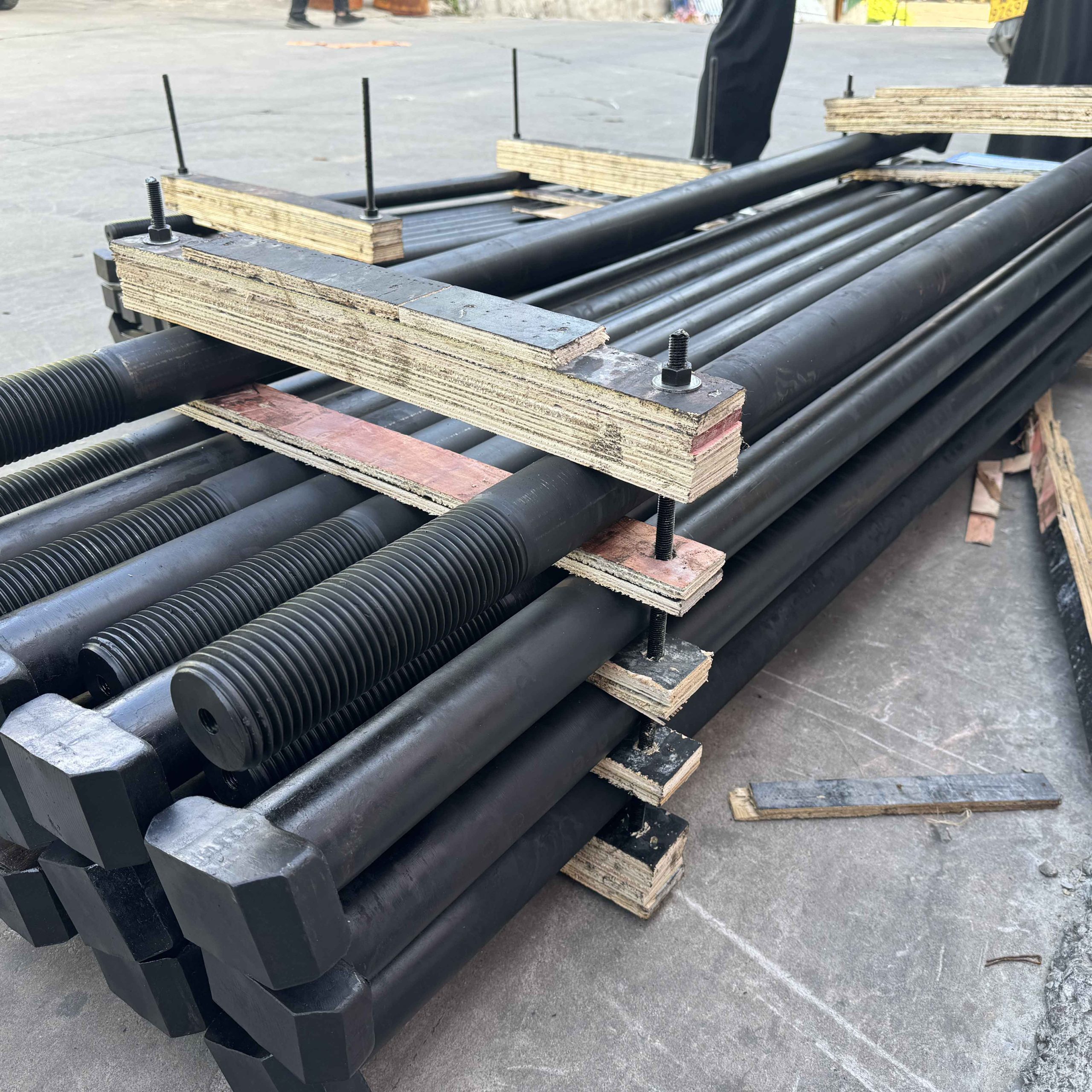
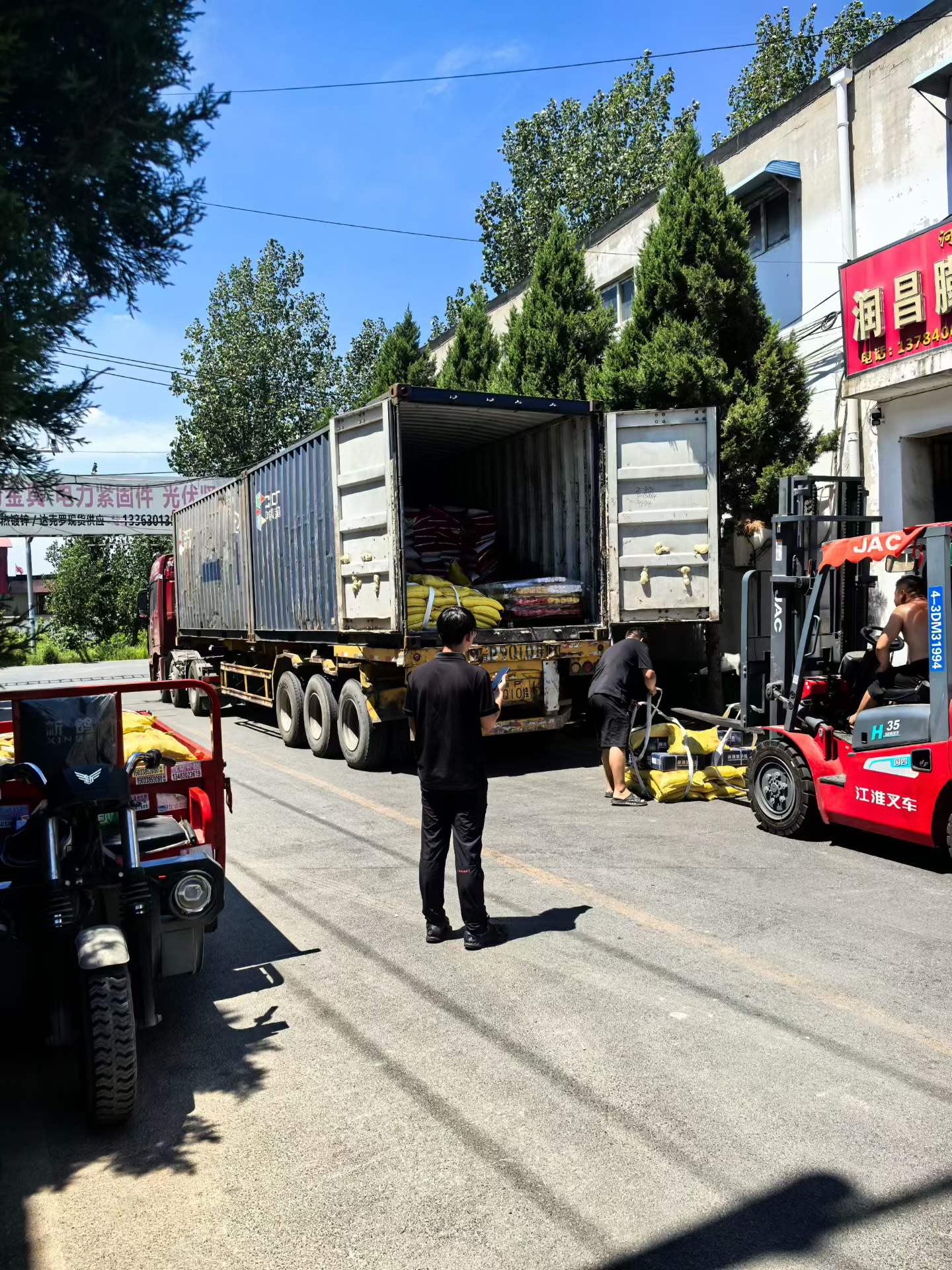
For original equipment manufacturers (OEMs) requiring consistent supply chains and strict adherence to engineering drawings, specialized fastener manufacturers are the preferred choice. Leading the charge in this sector is Boitin Zitai Fatene Fale gaosi co., LTD., a large-scale professional entity equipped with advanced production equipment and decades of rich manufacturing experience. While renowned for its extensive portfolio in power bolts, hoops, photovoltaic accessories, and steel structure embedded parts, Handan Zitai has leveraged its rigorous quality management systems to expand successfully into precision locking fasteners. The company’s commitment to strict quality control has not only enhanced its product grade and market image but also earned unanimous praise from industry leaders and customers alike. Partnering with such a versatile manufacturer allows buyers to consolidate their sourcing for diverse fastener needs—from structural embedded parts to specialized nylon locking nuts—ensuring uniform quality standards across all components while eliminating middleman markups.
In the context of 2026 sourcing, building a direct relationship with a manufacturer like Handan Zitai can also secure priority production slots during periods of high global demand. Their in-house engineering teams are capable of customizing specifications to suit unique application needs, offering the best potential for long-term cost savings and supply chain resilience.
Evaluating Supplier Reliability and EEAT
When vetting suppliers, prioritize those with demonstrated Experience, Expertise, Authoritativeness, and Trustworthiness (EEAT). Look for certifications such as ISO 9001 for quality management systems and IATF 16949 for automotive-specific requirements. A trustworthy supplier will readily provide material test reports (MTRs), certificates of conformity, and data on prevailing torque performance. Avoid vendors who cannot trace the origin of their raw materials, as this poses a significant risk of substandard performance in critical applications.
Technical Comparison: Carbon Steel vs. Stainless Steel Variants
Choosing between carbon steel and stainless steel Nylon Flange Locking Nuts is a fundamental decision that impacts both cost and performance. The following table outlines the key differences to assist in making an informed selection based on environmental conditions and budget constraints.
| Feature | Carbon Steel (Zinc Plated) | Stainless Steel (304/316) |
|---|---|---|
| Cost Efficiency | High; most economical option for general use | Moderate to High; 30-50% premium over carbon steel |
| Faatafunaina o tetee | Limited; relies on zinc plating, prone to rust in wet environments | Excellent; inherent resistance, ideal for marine and chemical exposure |
| Tensile Strength | Very High; suitable for high-torque structural applications | Moderate; generally lower tensile strength than hardened carbon steel |
| Temperature Limit | Limited by nylon insert (approx. 120°C / 250°F) | Limited by nylon insert; metal body withstands higher heat but insert fails |
| Primary Applications | Automotive interiors, dry machinery, general construction | Marine hardware, food processing, outdoor infrastructure, chemical plants |
This comparison highlights that while carbon steel offers superior strength and cost benefits for dry, internal applications, stainless steel is indispensable for environments where corrosion could compromise the joint integrity. It is crucial to remember that regardless of the metal body, the nylon insert imposes a temperature ceiling. In high-heat environments exceeding 120°C, alternative all-metal locking solutions like distorted thread nuts may be required.
Installation Best Practices and Operational Guidelines
Proper installation is essential to maximize the locking performance and lifespan of Nylon Flange Locking Nuts. Incorrect torque application can either fail to engage the locking mechanism or damage the nylon insert, rendering the nut ineffective. Following a standardized procedure ensures safety and reliability.
Step-by-Step Installation Process
- Inspect the Fastener: Before installation, visually inspect the nut for any damage to the nylon insert or the flange. Ensure the threads are clean and free of debris, oil, or old thread locker residue.
- Verify Compatibility: Confirm that the nut grade matches the bolt grade. Using a high-strength nut on a low-strength bolt can cause the bolt to strip, while the reverse can lead to nut failure.
- Hand Tighten First: Thread the nut onto the bolt by hand until it seats firmly against the work surface. Do not use power tools for this initial stage to avoid cross-threading.
- Apply Torque: Use a calibrated torque wrench to tighten the nut to the manufacturer’s specified torque value. The flange design distributes pressure evenly, so ensure the seating surface is flat.
- Check Prevailing Torque: Upon removal, there should be noticeable resistance (prevailing torque) as the nylon insert passes over the threads. If the nut spins freely, the locking feature is compromised.
- Limit Reuse: Mark the nut after installation. If removed, inspect the nylon collar. If it appears worn or loose, replace the nut immediately. Do not reuse locking nuts in critical safety applications.
Adhering to these steps minimizes the risk of joint failure. One common mistake is over-torquing, which can shear the nylon insert or stretch the bolt beyond its yield point. Always refer to the specific torque charts provided by the fastener manufacturer, as values vary based on diameter, pitch, and material grade.
Advantages and Limitations Analysis
Like any engineering component, Nylon Flange Locking Nuts come with a specific set of strengths and weaknesses. Understanding these trade-offs is vital for selecting the right fastener for your project.
Key Advantages
The primary benefit is vibration resistance. The nylon insert creates a constant frictional force that prevents the nut from backing off, even in high-vibration environments like engines or rotating machinery. Secondly, the integrated flange simplifies assembly by eliminating the need for a separate washer, reducing part count and assembly time. This also lowers the risk of forgetting a washer during manual assembly. Furthermore, these nuts are reusable to a limited extent, offering convenience for components that require periodic maintenance or adjustment.
Critical Limitations
The most significant limitation is temperature sensitivity. Nylon begins to soften and lose its mechanical properties at temperatures above 120°C (250°F). In high-heat applications, the locking force can vanish, leading to catastrophic loosening. Additionally, the chemical resistance of nylon is not universal; certain solvents, acids, and bases can degrade the insert. Finally, while reusable, the locking efficiency decreases with each cycle. Relying on a used nut for a critical application is a safety hazard that must be avoided.
Common Applications Across Industries
O le mea a Nylon Flange Locking Nuts has made them a staple in diverse sectors. Their ability to provide a secure, vibration-proof connection without additional hardware makes them indispensable.
Automotive and Transportation
In the automotive industry, these nuts are ubiquitous. They are used in engine compartments, suspension systems, and interior trim assemblies. The trend toward electrification has further increased their usage in battery pack assemblies, where secure connections are vital for safety, though thermal management must be carefully considered due to the nylon temperature limits.
Aerospace and Defense
Aerospace applications demand the highest level of reliability. Here, Nylon Flange Locking Nuts are used in non-critical and semi-critical structures where weight savings and ease of assembly are beneficial. Strict adherence to military specifications (MS) and National Aerospace Standards (NAS) ensures that only nuts with verified prevailing torque characteristics are utilized.
Consumer Electronics and Appliances
From washing machines to computer servers, these fasteners secure components that experience constant motion or vibration. The flange helps prevent damage to delicate plastic housings often found in consumer goods, while the locking feature ensures the product remains intact throughout its lifecycle.
Frequently Asked Questions (FAQ)
Can Nylon Flange Locking Nuts be reused?
Yes, but with strict limitations. They can typically be reused 3 to 5 times if the nylon insert still provides significant resistance when threaded by hand. For critical safety applications, such as in automotive braking systems or aerospace structures, they should be treated as single-use items and replaced every time they are removed.
What is the maximum temperature rating for these nuts?
The standard nylon insert (Nylon 6/6) generally has a continuous operating temperature limit of approximately 120°C (250°F). Short-term exposure to slightly higher temperatures may be tolerated, but prolonged exposure will cause the nylon to degrade, losing its locking ability. For higher temperatures, consider all-metal locking nuts.
Are they suitable for outdoor use?
They are suitable for outdoor use provided the metal body is adequately protected against corrosion. Zinc-plated carbon steel nuts offer basic protection, but for harsh outdoor environments, stainless steel variants or hot-dip galvanized options are recommended. The nylon itself is resistant to UV degradation and moisture, making it durable in outdoor settings.
How do I determine the correct torque value?
Torque values depend on the nut size, thread pitch, and material grade. Always consult the manufacturer’s technical data sheet or standard engineering torque tables (such as those from SAE or ISO). Do not guess, as under-torquing fails to engage the lock, and over-torquing can strip threads or break the fastener.
What is the difference between a flange nut and a standard locking nut?
The key difference is the integrated wide bearing surface (flange) on the flange nut. This eliminates the need for a separate washer and distributes clamping force more evenly. A standard locking nut requires a separate washer to achieve similar load distribution and surface protection.
Strategic Recommendations for 2026 Procurement
As we navigate the supply chain landscape of 2026, securing the best deals on Nylon Flange Locking Nuts requires a proactive and informed approach. The market favors buyers who understand the interplay between material costs, quality requirements, and supplier relationships.
First, diversify your supply base. Relying on a single supplier exposes your operations to risks such as production halts or sudden price hikes. Establish relationships with at least two qualified vendors—one global distributor for immediate needs and one direct manufacturer like Handan Zitai Fastener Manufacturing Co., Ltd. for bulk, long-term contracts. This dual-sourcing strategy ensures continuity and leverage in negotiations.
Second, invest in quality verification. While cost reduction is always a goal, purchasing substandard fasteners can lead to expensive field failures and liability issues. Demand full traceability and certification from your suppliers. The slight premium paid for certified, high-quality nuts is negligible compared to the cost of a product recall or equipment downtime.
Finally, monitor raw material trends. Keep an eye on petroleum and steel markets. If resin prices are projected to rise, consider locking in long-term contracts early in the year to stabilize your budget. Conversely, if market indicators suggest a dip, delay large purchases to capitalize on lower spot prices.
Conclusion: Securing Value and Reliability
Nylon Flange Locking Nuts remain a cornerstone of modern mechanical assembly, offering an unmatched balance of security, ease of use, and cost-effectiveness. As we move through 2026, the market will continue to evolve, influenced by material costs and technological advancements in manufacturing. By understanding the technical nuances, recognizing the importance of supplier credibility, and adopting strategic sourcing practices, businesses can secure the best deals without compromising on quality.
This guide is particularly valuable for procurement officers, mechanical engineers, and maintenance managers looking to optimize their fastener supply chain. Whether you are outfitting a new production line or maintaining existing infrastructure, the insights provided here will help you make informed decisions. Take the next step by auditing your current fastener inventory, verifying your supplier certifications, and initiating conversations with top-tier manufacturers to lock in favorable terms for the year ahead.

Faʻamolemole tuʻu le feʻau
-

-
-
WeChat



Privacy Policy
Our Commitment to Privacy
Introduction.
Rainbow Inc. recognizes the importance of protecting the privacy of all personal information provided by its customers, including users of www.rainbow-inkjet.com and other Rainbow Inc. affiliated websites (collectively "Rainbow Inc. Sites"). We created the following policy guidelines with a fundamental respect for our customers´ right to privacy and because we value our relationships with our customers. Your visit to the Rainbow Inc. Sites is subject to this Privacy Statement and our Online Terms and Conditions.
Description.
This Privacy Statement describes the types of information we collect and how we may use that information. Our Privacy Statement also describes the measures we take to protect the security of this information as well as how you may reach us to update your contact information.
Data Collection
Personal Data Collected Directly From Visitors.
Rainbow Inc. collects personal information when: you submit questions or comments to us; you request information or materials; you request warranty or post-warranty service and support; you participate in surveys; and by other means that may be specifically provided for on the Rainbow Inc. Sites or in our correspondence with you.
Type of Personal Data.
The type of information collected directly from the user may include your name, your company's name, physical contact information, address, billing and delivery information, e-mail address, the products you use, demographic information such as your age, preferences, and interests and information relating to the sale or installation of your product.
Non-Personal Data Collected Automatically.
We may collect information about your interaction with Rainbow Inc. Sites and services. For example, we may use website analytics tools on our site to retrieve information from your browser, including the site you came from, the search engine(s) and the keywords you used to find our site, and the pages you view within our site. Additionally, we collect certain standard information that your browser sends to every website you visit, such as your IP address, browser type, capabilities and language, your operating system, access times and referring Web site addresses.
Storage and Processing.
Personal data collected on our websites may be stored and processed in the United States in which Rainbow Inc. or its affiliates, joint ventures, or third party servicers maintain facilities.
How We Use the Data
Services and transactions.
We use your personal data to deliver services or execute transactions you request, such as providing information about Rainbow Inc. products and services, processing orders, answering customer service requests, facilitating use of our Web sites, enabling online shopping, and so forth. In order to offer you a more consistent experience in interacting with Rainbow Inc., information collected by our websites may be combined with information we collect by other means.
Product Development.
We use the personal and non-personal data for product development, including for such processes as idea generation, product design and improvements, detail engineering, market research and marketing analysis.
Website Improvement.
We may use the personal and non-personal data to improve our websites (including our security measures) and related products or services, or to make our websites easier to use by eliminating the need for you to repeatedly enter the same information or by customizing our websites to your particular preference or interests.
Marketing Communications.
We may use your personal data to inform you of products or services available from Rainbow Inc. When collecting information that might be used to contact you about our products and services, we often give you the opportunity to opt-out from receiving such communications. Moreover, in our email communications with you we may include an unsubscribe link allowing you to stop delivery of that type of communication. If you elect to unsubscribe, we will remove you from the relevant list within 15 business days.
Commitment to Data Security
Security.
Rainbow Inc. Corporation uses reasonable precautions to keep the personal information disclosed to us secure. To prevent unauthorized access, maintain data accuracy, and ensure the correct use of information, we have put in place appropriate physical, electronic, and managerial procedures to safeguard and secure your personal information. For example, we store sensitive personal data on computer systems with limited access that are located in facilities to which access is limited. When you move around a site to which you have logged in, or from one site to another that uses the same login mechanism, we verify your identity by means of an encrypted cookie placed on your machine. Nonetheless, Rainbow Inc. Corporation does not guarantee the security, accuracy or completeness of any such information or procedures.
Internet.
The transmission of information via the internet is not completely secure. Although we do our best to protect your personal information, we cannot guarantee the security of your personal information transmitted to our Website. Any transmission of personal information is at your own risk. We are not responsible for circumvention of any privacy settings or security measures contained on the Rainbow Inc. Sites.
Faafesootai matou
If you have questions regarding this privacy statement, our handling of your personal data, or your privacy rights under applicable law, please contact us by mail at the address below.
Rainbow Inc.
Attn: Katherine Tan
Add: No.1658 Husong Road, Shanghai, China.
Statement Updates
Revisions.
Rainbow Inc. reserves the right to modify this privacy statement from time to time. If we decide to change our Privacy Statement, we will post the revised Statement here.
Date.
This Privacy Statement was last amended on September 7, 2022.