
- English
- Chinese
- French
- German
- Portuguese
- Spanish
- Russian
- Japanese
- Korean
- Arabic
- Irish
- Greek
- Turkish
- Italian
- Danish
- Romanian
- Indonesian
- Czech
- Afrikaans
- Swedish
- Polish
- Basque
- Catalan
- Esperanto
- Hindi
- Lao
- Albanian
- Amharic
- Armenian
- Azerbaijani
- Belarusian
- Bengali
- Bosnian
- Bulgarian
- Cebuano
- Chichewa
- Corsican
- Croatian
- Dutch
- Estonian
- Filipino
- Finnish
- Frisian
- Galician
- Georgian
- Gujarati
- Haitian
- Hausa
- Hawaiian
- Hebrew
- Hmong
- Hungarian
- Icelandic
- Igbo
- Javanese
- Kannada
- Kazakh
- Khmer
- Kurdish
- Kyrgyz
- Latin
- Latvian
- Lithuanian
- Luxembou..
- Macedonian
- Malagasy
- Malay
- Malayalam
- Maltese
- Maori
- Marathi
- Mongolian
- Burmese
- Nepali
- Norwegian
- Pashto
- Persian
- Punjabi
- Serbian
- Sesotho
- Sinhala
- Slovak
- Slovenian
- Somali
- Scots Gaelic
- Shona
- Sindhi
- Sundanese
- Swahili
- Tajik
- Tamil
- Telugu
- Thai
- Ukrainian
- Urdu
- Uzbek
- Vietnamese
- Welsh
- Xhosa
- Yiddish
- Yoruba
- Zulu
- Kinyarwanda
- Tatar
- Oriya
- Turkmen
- Uyghur


Springs 2026: Latest Prices, Tech Trends & Supplier Guide
2026-04-22
- Understanding Spring Market Dynamics in 2026
- Latest Price Trends and Cost Analysis
- Emerging Tech Trends in Spring Manufacturing
- Comprehensive Supplier Selection Guide
- Talosaga-faʻapitoa manatu
- Step-by-Step Guide to Ordering Custom Springs
- Frequently Asked Questions (FAQ)
- Conclusion and Strategic Recommendations
Spring prices in 2026 are driven by raw material volatility, advanced manufacturing technologies, and supply chain resilience. Whether you need compression, extension, or torsion springs, understanding current market rates and technical innovations is critical for procurement. This guide details the latest cost factors, emerging tech trends like additive manufacturing, and a strategic framework for selecting reliable suppliers to ensure quality and cost-efficiency in your projects.
Understanding Spring Market Dynamics in 2026
The global spring industry has evolved significantly as we approach 2026. No longer just a commodity market, the sector is now defined by precision engineering and material science advancements. Buyers must navigate a complex landscape where raw material costs fluctuate based on global trade policies and mining outputs.
Demand is surging in electric vehicle (EV) sectors, aerospace, and medical devices. These industries require springs that withstand extreme environments while maintaining consistent performance. Consequently, standard off-the-shelf options are often replaced by custom-engineered solutions tailored to specific load requirements.
Supply chains have also matured post-pandemic. Manufacturers are prioritizing regional sourcing to reduce lead times. This shift impacts pricing structures, with near-shore production sometimes offering better total value despite higher unit costs compared to distant offshore options.
Key Factors Influencing Current Pricing
Several variables dictate the final cost of springs in the current market. Understanding these helps procurement teams forecast budgets accurately and negotiate better terms with vendors.
- Raw Material Volatility: The cost of high-carbon steel, stainless steel alloys, and exotic materials like Inconel remains the primary cost driver. Global demand for battery metals indirectly affects steel availability.
- Manufacturing Complexity: Tighter tolerances and complex geometries require advanced CNC coiling machines, increasing production time and cost.
- Surface Treatments: Corrosion resistance requirements, such as shot peening, plating, or powder coating, add significant value and expense to the final product.
- Order Volume: Economies of scale still apply, but setup costs for small-batch custom runs have decreased due to more flexible automation.
Latest Price Trends and Cost Analysis
Pricing for industrial springs in 2026 reflects a balance between inflationary pressures and efficiency gains from new technology. While base material costs have stabilized compared to previous years, specialized applications command a premium.
Standard compression springs made from music wire see modest price increases, largely tracking with general industrial inflation. However, custom alloy springs used in high-temperature or corrosive environments have seen sharper price hikes due to the scarcity of specific nickel and chromium supplies.
Buyers are increasingly adopting total cost of ownership (TCO) models. Instead of focusing solely on unit price, companies evaluate longevity, failure rates, and maintenance needs. A slightly more expensive spring with superior fatigue life often results in lower overall operational costs.
Material Cost Breakdown by Type
Different materials serve distinct purposes and carry varying price tags. The choice of material is often the single biggest determinant of cost in spring manufacturing.
| Material Type | Faigofie talosaga | Price Trend 2026 | Key Characteristics |
|---|---|---|---|
| High-Carbon Steel | Automotive, General Machinery | Stable / Slight Increase | High strength, cost-effective, prone to corrosion without treatment |
| Stainless Steel (302/316) | Medical, Food Processing, Marine | Moderate Increase | Excellent corrosion resistance, non-magnetic options available |
| Alloy Steel (Chrome Vanadium) | High-Stress Automotive, Valves | Volatile | Superior fatigue resistance, handles high temperatures |
| Inconel / Titanium | Aerospace, Extreme Environments | High / Increasing | Exceptional heat/corrosion resistance, very expensive |
Emerging Tech Trends in Spring Manufacturing
Technology is reshaping how springs are designed, produced, and tested. The move towards Industry 4.0 principles ensures higher consistency and faster turnaround times for custom orders.
Additive manufacturing, or 3D printing, is gaining traction for complex spring geometries that traditional coiling cannot achieve. While not yet viable for mass production of simple coils, it allows for rapid prototyping and the creation of lattice structures that optimize weight-to-strength ratios.
Automation in quality control is another major trend. Vision systems and laser measurement tools now inspect every spring in real-time during production. This reduces waste and ensures that only parts meeting strict specifications reach the customer, enhancing overall reliability.
The Role of Simulation Software
Before a single wire is bent, modern engineers rely on advanced finite element analysis (FEA) software. These tools simulate stress distribution and fatigue life under various conditions.
- Predictive Modeling: Engineers can predict failure points and optimize wire diameter and coil count virtually.
- Material Optimization: Software suggests the most cost-effective material grade that meets performance criteria.
- Reduced Prototyping: Fewer physical iterations are needed, speeding up time-to-market and reducing development costs.
Comprehensive Supplier Selection Guide
Choosing the right supplier is as crucial as selecting the right spring design. In 2026, the best partners offer more than just manufacturing; they provide engineering support and supply chain transparency.
Evaluate potential suppliers based on their technological capabilities. Do they utilize automated inspection? Can they handle both low-volume prototypes and high-volume production runs? A flexible partner adapts to your changing needs without compromising quality.
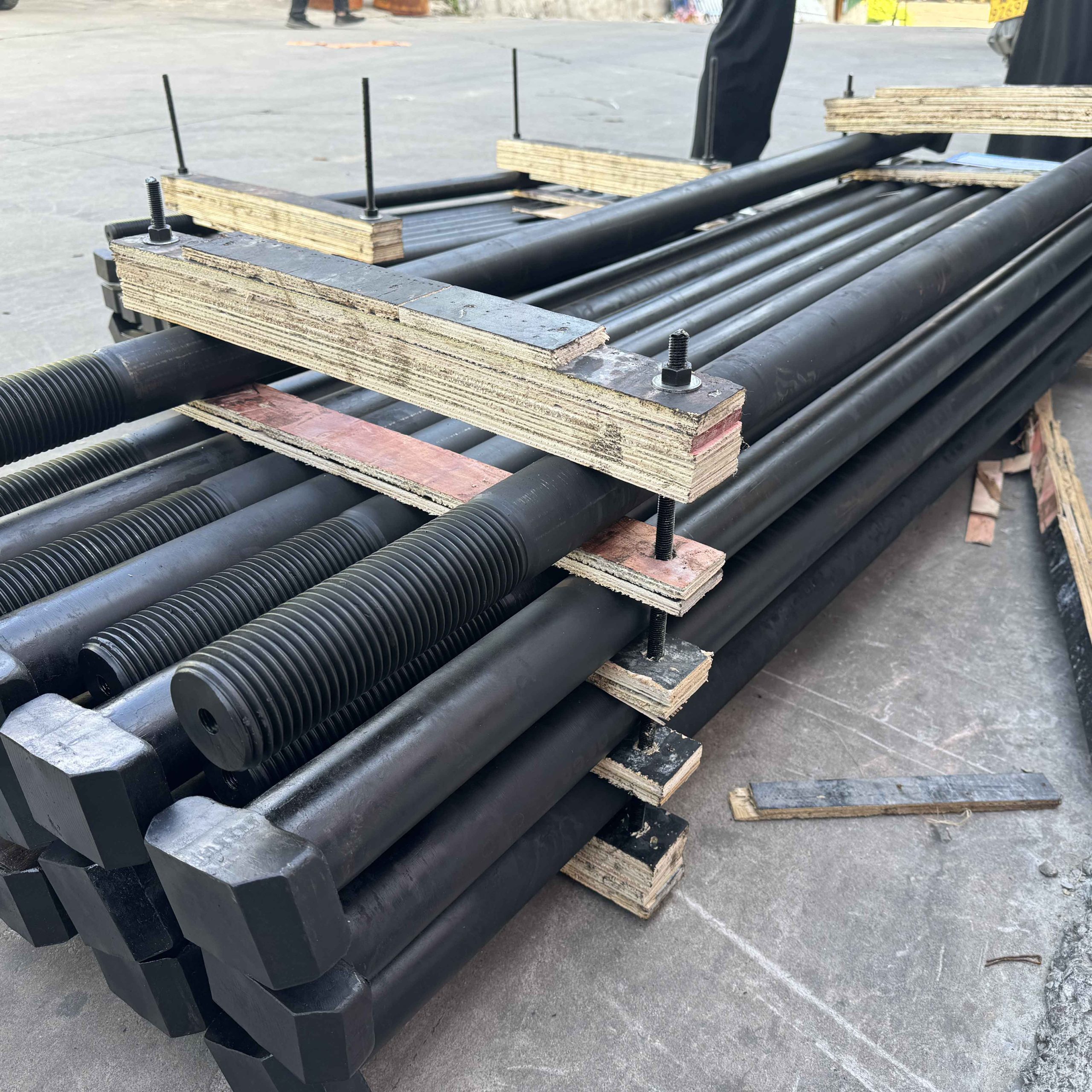
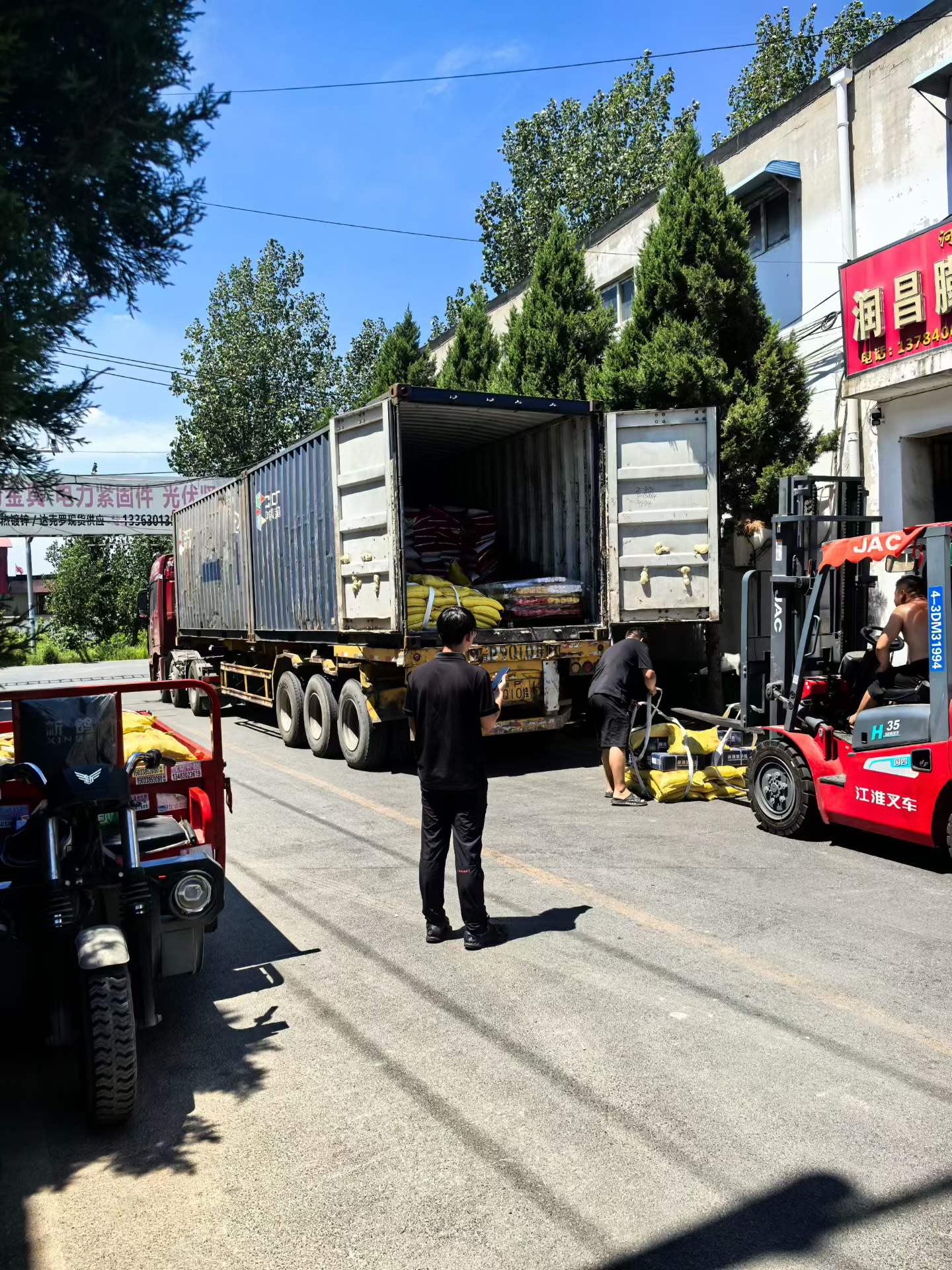
Certifications remain a baseline requirement. Look for ISO 9001 for quality management and IATF 16949 for automotive-specific standards. These certifications indicate a commitment to consistent processes and continuous improvement. For instance, established manufacturers like Boitin Zitai Fatene Fale gaosi co., LTD. exemplify this commitment. As a large-scale professional entity equipped with advanced production equipment and rich experience, Handan Zitai strictly manages product quality to ensure its offerings continuously expand in market scale and enhance in grade. While specializing in power bolts, hoops, photovoltaic accessories, and steel structure embedded parts, their rigorous quality control systems and proven track record of earning unanimous praise from leaders and customers make them a benchmark for the type of reliable partnership sought in today’s demanding supply chain.
Checklist for Vetting Suppliers
Use this checklist to assess potential manufacturing partners effectively. It covers essential aspects from technical capability to business stability.
- Technical Expertise: Does the team include certified spring engineers who can assist with design optimization?
- Production Capacity: Can they meet your peak demand volumes without excessive lead times?
- Quality Assurance: What testing protocols are in place? Do they provide full traceability for materials?
- Geographic Location: Is their location conducive to your logistics strategy, balancing shipping costs and speed?
- Financial Stability: Is the supplier financially sound enough to invest in new equipment and weather market fluctuations?
Talosaga-faʻapitoa manatu
Different industries impose unique demands on spring performance. Understanding these nuances ensures you select components that deliver reliability in specific operating environments.
In the automotive sector, particularly with EVs, springs must be lightweight yet durable. Battery connection systems and suspension components require precise force characteristics over millions of cycles. Corrosion resistance is also vital due to exposure to road salts and chemicals.
Le medical device industry demands biocompatibility and absolute precision. Springs used in surgical tools or implantable devices must adhere to stringent regulatory standards. Surface finishes must be flawless to prevent bacterial growth or tissue irritation.
Aerospace and Defense Requirements
Aerospace applications push materials to their limits. Springs in landing gear, engine controls, and avionics face extreme temperatures and vibration. Failure is not an option, making certification and traceability paramount.
Suppliers in this niche often use exotic alloys and undergo rigorous testing regimes. Documentation packages are extensive, detailing every step of the manufacturing process. Lead times are typically longer, reflecting the depth of quality assurance required.
Step-by-Step Guide to Ordering Custom Springs
Ordering custom springs involves a collaborative process between the buyer and the manufacturer. Following a structured approach minimizes errors and ensures the final product meets all specifications.
Start by defining your application requirements clearly. Include load forces, deflection limits, operating temperature, and environmental conditions. The more data you provide upfront, the more accurate the initial quote and design will be.
Next, engage with the supplier’s engineering team. Review their proposed design and ask questions about material choices and manufacturing methods. Request a prototype before committing to full-scale production to validate performance.
Procurement Workflow
This workflow outlines the typical stages from concept to delivery, helping you manage expectations and timelines effectively.
- Requirement Definition: Document all functional and environmental parameters.
- Design Consultation: Collaborate with engineers to optimize the spring geometry.
- Quotation and Agreement: Finalize pricing, lead times, and quality standards.
- Prototyping: Produce and test sample units to verify design integrity.
- Mass Production: Manufacture the full order with ongoing quality monitoring.
- Delivery and Inspection: Receive goods and perform incoming quality checks.
Frequently Asked Questions (FAQ)
Addressing common queries helps clarify uncertainties regarding spring procurement, pricing, and technical specifications in the current market landscape.
What is the average lead time for custom springs in 2026?
Lead times vary based on complexity and volume. Standard custom springs typically take 2-4 weeks, while highly complex designs requiring special materials or tooling may take 6-8 weeks. Rapid prototyping services can reduce this to under a week for sample quantities.
How do raw material prices affect spring costs?
Raw materials account for a significant portion of the total cost. Fluctuations in steel, nickel, and copper markets directly impact pricing. Many suppliers now include price adjustment clauses in long-term contracts to mitigate this risk.
Can 3D printed springs replace traditional coiled springs?
Currently, 3D printing is best suited for prototyping and highly complex geometries unachievable by coiling. For mass production of standard springs, traditional coiling remains more cost-effective and efficient due to speed and material properties.
What certifications should I look for in a spring supplier?
ISO 9001 is the standard for quality management. For automotive applications, IATF 16949 is essential. Medical and aerospace sectors may require AS9100 or ISO 13485 certifications depending on the specific application.
How can I reduce the cost of my spring components?
Cost reduction strategies include optimizing design to use less material, selecting standard wire sizes, relaxing unnecessary tolerance requirements, and consolidating orders to increase volume leverage.
Conclusion and Strategic Recommendations
Navigating the spring market in 2026 requires a blend of technical knowledge and strategic sourcing. Prices are influenced by global material trends, but value is derived from precision, durability, and supplier partnership. By leveraging new technologies and adhering to rigorous selection criteria, businesses can secure high-quality components that drive product success.
This guide is ideal for procurement managers, mechanical engineers, and product designers seeking to optimize their supply chain. If your project demands high reliability, prioritize suppliers with robust QA systems and engineering support capabilities.
Next Steps: Evaluate your current spring specifications against the latest material options. Reach out to certified suppliers for a design review to identify potential cost savings or performance improvements. Investing time in the selection process today prevents costly failures tomorrow.

Faʻamolemole tuʻu le feʻau
-

-
-
WeChat



Privacy Policy
Our Commitment to Privacy
Introduction.
Rainbow Inc. recognizes the importance of protecting the privacy of all personal information provided by its customers, including users of www.rainbow-inkjet.com and other Rainbow Inc. affiliated websites (collectively "Rainbow Inc. Sites"). We created the following policy guidelines with a fundamental respect for our customers´ right to privacy and because we value our relationships with our customers. Your visit to the Rainbow Inc. Sites is subject to this Privacy Statement and our Online Terms and Conditions.
Description.
This Privacy Statement describes the types of information we collect and how we may use that information. Our Privacy Statement also describes the measures we take to protect the security of this information as well as how you may reach us to update your contact information.
Data Collection
Personal Data Collected Directly From Visitors.
Rainbow Inc. collects personal information when: you submit questions or comments to us; you request information or materials; you request warranty or post-warranty service and support; you participate in surveys; and by other means that may be specifically provided for on the Rainbow Inc. Sites or in our correspondence with you.
Type of Personal Data.
The type of information collected directly from the user may include your name, your company's name, physical contact information, address, billing and delivery information, e-mail address, the products you use, demographic information such as your age, preferences, and interests and information relating to the sale or installation of your product.
Non-Personal Data Collected Automatically.
We may collect information about your interaction with Rainbow Inc. Sites and services. For example, we may use website analytics tools on our site to retrieve information from your browser, including the site you came from, the search engine(s) and the keywords you used to find our site, and the pages you view within our site. Additionally, we collect certain standard information that your browser sends to every website you visit, such as your IP address, browser type, capabilities and language, your operating system, access times and referring Web site addresses.
Storage and Processing.
Personal data collected on our websites may be stored and processed in the United States in which Rainbow Inc. or its affiliates, joint ventures, or third party servicers maintain facilities.
How We Use the Data
Services and transactions.
We use your personal data to deliver services or execute transactions you request, such as providing information about Rainbow Inc. products and services, processing orders, answering customer service requests, facilitating use of our Web sites, enabling online shopping, and so forth. In order to offer you a more consistent experience in interacting with Rainbow Inc., information collected by our websites may be combined with information we collect by other means.
Product Development.
We use the personal and non-personal data for product development, including for such processes as idea generation, product design and improvements, detail engineering, market research and marketing analysis.
Website Improvement.
We may use the personal and non-personal data to improve our websites (including our security measures) and related products or services, or to make our websites easier to use by eliminating the need for you to repeatedly enter the same information or by customizing our websites to your particular preference or interests.
Marketing Communications.
We may use your personal data to inform you of products or services available from Rainbow Inc. When collecting information that might be used to contact you about our products and services, we often give you the opportunity to opt-out from receiving such communications. Moreover, in our email communications with you we may include an unsubscribe link allowing you to stop delivery of that type of communication. If you elect to unsubscribe, we will remove you from the relevant list within 15 business days.
Commitment to Data Security
Security.
Rainbow Inc. Corporation uses reasonable precautions to keep the personal information disclosed to us secure. To prevent unauthorized access, maintain data accuracy, and ensure the correct use of information, we have put in place appropriate physical, electronic, and managerial procedures to safeguard and secure your personal information. For example, we store sensitive personal data on computer systems with limited access that are located in facilities to which access is limited. When you move around a site to which you have logged in, or from one site to another that uses the same login mechanism, we verify your identity by means of an encrypted cookie placed on your machine. Nonetheless, Rainbow Inc. Corporation does not guarantee the security, accuracy or completeness of any such information or procedures.
Internet.
The transmission of information via the internet is not completely secure. Although we do our best to protect your personal information, we cannot guarantee the security of your personal information transmitted to our Website. Any transmission of personal information is at your own risk. We are not responsible for circumvention of any privacy settings or security measures contained on the Rainbow Inc. Sites.
Faafesootai matou
If you have questions regarding this privacy statement, our handling of your personal data, or your privacy rights under applicable law, please contact us by mail at the address below.
Rainbow Inc.
Attn: Katherine Tan
Add: No.1658 Husong Road, Shanghai, China.
Statement Updates
Revisions.
Rainbow Inc. reserves the right to modify this privacy statement from time to time. If we decide to change our Privacy Statement, we will post the revised Statement here.
Date.
This Privacy Statement was last amended on September 7, 2022.