
- English
- Chinese
- French
- German
- Portuguese
- Spanish
- Russian
- Japanese
- Korean
- Arabic
- Irish
- Greek
- Turkish
- Italian
- Danish
- Romanian
- Indonesian
- Czech
- Afrikaans
- Swedish
- Polish
- Basque
- Catalan
- Esperanto
- Hindi
- Lao
- Albanian
- Amharic
- Armenian
- Azerbaijani
- Belarusian
- Bengali
- Bosnian
- Bulgarian
- Cebuano
- Chichewa
- Corsican
- Croatian
- Dutch
- Estonian
- Filipino
- Finnish
- Frisian
- Galician
- Georgian
- Gujarati
- Haitian
- Hausa
- Hawaiian
- Hebrew
- Hmong
- Hungarian
- Icelandic
- Igbo
- Javanese
- Kannada
- Kazakh
- Khmer
- Kurdish
- Kyrgyz
- Latin
- Latvian
- Lithuanian
- Luxembou..
- Macedonian
- Malagasy
- Malay
- Malayalam
- Maltese
- Maori
- Marathi
- Mongolian
- Burmese
- Nepali
- Norwegian
- Pashto
- Persian
- Punjabi
- Serbian
- Sesotho
- Sinhala
- Slovak
- Slovenian
- Somali
- Scots Gaelic
- Shona
- Sindhi
- Sundanese
- Swahili
- Tajik
- Tamil
- Telugu
- Thai
- Ukrainian
- Urdu
- Uzbek
- Vietnamese
- Welsh
- Xhosa
- Yiddish
- Yoruba
- Zulu
- Kinyarwanda
- Tatar
- Oriya
- Turkmen
- Uyghur

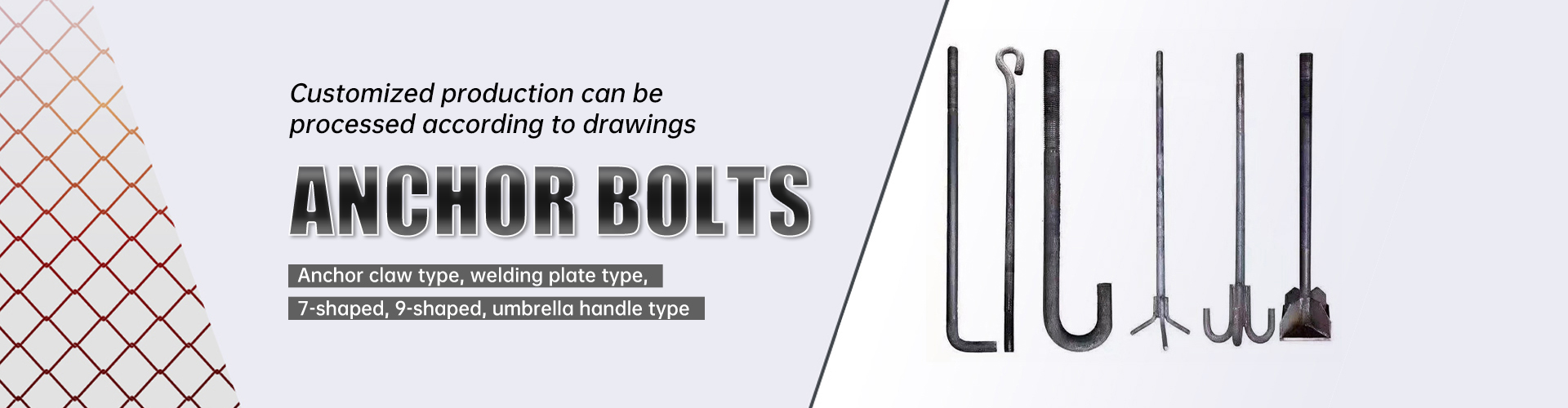
Ultimate Grooved Screw Factory Guide: Latest Price and Product Comparison
2026-06-27
- Understanding Grooved Screws: Definition and Industrial Applications
- 2026 Market Price Analysis and Cost Drivers
- Product Comparison: Manufacturing Technologies and Performance
- Selection Guide: How to Choose the Right Grooved Screw
- Technical Specifications and Quality Standards
- Frequently Asked Questions (FAQ)
- Conclusion and Strategic Procurement Advice
Our Ultimate Grooved Screw Factory Guide provides a comprehensive analysis of grooved screw manufacturing, offering the latest 2026 price trends and detailed product comparisons. This resource helps B2B buyers understand production costs, material specifications, and performance metrics to make informed procurement decisions. We cover everything from cold-heading processes to thread rolling techniques, ensuring you select the right fastener for your industrial applications while optimizing budget allocation.
Understanding Grooved Screws: Definition and Industrial Applications
A grooved screw is a specialized fastener featuring longitudinal or helical channels machined into its shank or head. Unlike standard screws, these grooves serve specific functional purposes, such as facilitating self-tapping capabilities, improving chip evacuation during installation, or enhancing grip in composite materials. In the 2026 industrial landscape, grooved screws are critical components in automotive assembly, aerospace structures, and heavy machinery maintenance.
The primary function of the groove is to reduce friction during insertion and provide a path for debris or air to escape, preventing material splitting in wood or cracking in brittle plastics. Manufacturers utilize various profiling methods to create these features, depending on the required torque resistance and holding power. Understanding the specific geometry of the groove is essential for engineers specifying fasteners for high-stress environments.
- Self-Drilling Variants: Incorporate fluted grooves that act as drill bits, eliminating the need for pre-drilling in metal sheets.
- Ventilation Channels: Designed for electronic enclosures where air flow through the fastener point is necessary.
- Adhesive Reservoirs: Grooves hold locking compounds or adhesives that activate upon installation for vibration resistance.
- Chip Evacuation: Critical in deep-hole applications where swarf accumulation can seize the fastener.
Industries relying on these fasteners prioritize consistency in groove depth and pitch. Irregularities can lead to uneven torque distribution, causing premature failure or stripped heads. Our factory analysis focuses on how modern CNC machining and cold-forming technologies ensure these tolerances remain within ISO and DIN standards.
Key Differences Between Grooved and Standard Fasteners
Standard screws rely solely on thread engagement for holding power, whereas grooved screws integrate additional mechanical advantages through their shank design. The presence of a groove alters the stress distribution across the fastener body. In dynamic loading scenarios, such as engine mounts or vibrating conveyor systems, the groove can act as a flexible zone that absorbs micro-movements, reducing the risk of fatigue fracture.
Furthermore, the manufacturing process differs significantly. While standard screws are often mass-produced via simple heading and threading, grooved screws require secondary operations like milling, broaching, or specialized rolling dies. This added complexity influences the final unit cost but delivers superior performance in specialized applications where standard fasteners fail to meet safety or durability requirements.
2026 Market Price Analysis and Cost Drivers
The pricing landscape for grooved screws in 2026 reflects a complex interplay of raw material volatility, energy costs, and advanced manufacturing overheads. Buyers must look beyond the base price per unit and consider the total cost of ownership, which includes installation speed, failure rates, and maintenance intervals. Current market data indicates a steady upward trend in premium-grade fasteners due to stricter quality certifications and supply chain adjustments.
Raw material costs remain the most significant variable. High-carbon steel, stainless steel alloys (such as 304 and 316), and exotic superalloys dictate the baseline price. In 2026, fluctuations in nickel and chromium markets have directly impacted stainless steel grooved screw pricing. Additionally, the shift towards eco-friendly plating processes, driven by global environmental regulations, has added a modest surcharge to surface-treated variants.
Breakdown of Manufacturing Cost Components
To understand the latest prices, one must dissect the production lifecycle. The cost is not merely material plus labor; it involves substantial investment in tooling and quality assurance. Cold heading remains the most cost-effective method for high-volume runs, but intricate groove patterns often necessitate warm forming or machining, which increases cycle time and energy consumption.
- Material Acquisition: Accounts for approximately 40-50% of the total cost, varying by alloy composition and market spot prices.
- Tooling and Die Maintenance: Specialized groove dies wear faster than standard thread rolls, requiring frequent replacement and calibration.
- Heat Treatment: Essential for achieving required hardness levels without brittleness, adding thermal processing costs.
- Surface Finishing: Zinc plating, black oxide, or geometric coatings add corrosion resistance but increase unit price by 10-20%.
- Quality Control: Automated optical inspection and tensile testing ensure compliance, representing a fixed overhead per batch.
Bulk purchasing agreements in 2026 often lock in prices for 6 to 12 months, shielding buyers from short-term commodity spikes. However, custom geometries or low-volume orders face higher per-unit costs due to setup times. Factories are increasingly adopting lean manufacturing principles to minimize waste, passing some savings to customers who optimize their order quantities and specification clarity.
Price Comparison by Material Grade
Selecting the right material is a balance between performance needs and budget constraints. Carbon steel offers the most economical solution for indoor applications, while stainless steel is mandatory for corrosive environments. The table below outlines the relative price positioning of common materials used in grooved screw production for the current year.
| Material Grade | Relative Cost Index | Faatafunaina o tetee | Tensile Strength | Typical Applications |
|---|---|---|---|---|
| Carbon Steel (C1022) | Low (Base) | Low (Requires Plating) | High | General Construction, Furniture |
| Alloy Steel (SCM435) | Feololo | Feololo | Very High | Automotive Engines, Heavy Machinery |
| Stainless Steel 304 | High | High | Medium-High | Food Processing, Marine Hardware |
| Stainless Steel 316 | Very High | Very High | Medium-High | Chemical Plants, Offshore Structures |
| Titanium Alloy (Ti-6Al-4V) | Premium | Sili ona lelei | High Strength-to-Weight | Aerospace, Medical Devices |
This comparison highlights that while carbon steel is the default choice for cost-sensitive projects, the long-term value of stainless or alloy steels often justifies the initial investment in harsh operating conditions. Procurement managers should evaluate the lifecycle cost rather than just the purchase price to avoid expensive replacements down the line.
Product Comparison: Manufacturing Technologies and Performance
Not all grooved screws are created equal. The method used to form the groove significantly impacts the structural integrity and performance of the fastener. In 2026, three primary manufacturing technologies dominate the market: Cold Heading with Rolled Grooves, Machined Grooves, and Warm Forming. Each approach offers distinct advantages regarding speed, precision, and material grain structure.
Cold heading is the industry standard for high-volume production. It involves forcing wire stock through dies at room temperature to form the head and shank features. When combined with thread rolling, this process work-hardens the metal, increasing strength. However, deep or complex grooves can be challenging to form purely through cold heading without risking material cracking.
Cold Heading vs. CNC Machining
For prototypes or low-volume runs requiring intricate groove profiles, CNC machining provides unmatched flexibility. This subtractive method removes material to create the groove, allowing for precise control over depth and angle. While slower and more expensive per unit, machining eliminates the need for costly custom dies, making it ideal for bespoke engineering solutions.
- Cold Heading Advantages: Superior grain flow continuity, higher production speeds, lower cost per unit for volumes over 10,000 pieces.
- CNC Machining Advantages: Unlimited design freedom, tight tolerances on groove geometry, no tooling lead time for new designs.
- Warm Forming Hybrid: Heats the material slightly to improve ductility, allowing for deeper grooves than cold heading while maintaining better grain structure than machining.
Engineers must weigh these factors against project timelines and budget. Mass production projects benefit immensely from the efficiency of cold heading, whereas R&D phases or specialized repair parts often necessitate the precision of machining. The choice of technology also affects the surface finish of the groove, which can influence friction coefficients during installation.
Performance Metrics Comparison Table
To assist in product selection, we have compiled a comparison of key performance metrics across different manufacturing methods. This data helps identify which production technique aligns best with specific application requirements, such as high-torque installation or extreme temperature exposure.
| Feature | Cold Headed & Rolled | CNC Machined | Warm Formed |
|---|---|---|---|
| Production Speed | Very High (Up to 400 ppm) | Low (Dependent on Complexity) | Feololo |
| Material Strength | Enhanced (Work Hardened) | Base Material Properties | Moderately Enhanced |
| Groove Precision | Good (Standard Profiles) | Excellent (Custom Profiles) | Very Good |
| Cost Efficiency | High Volume Only | Low Volume / Prototypes | Medium Volume |
| Surface Finish | Smooth (Burnished) | Tool Mark Dependent | Semi-Smooth |
This table illustrates that while CNC machining offers the highest precision, cold heading remains unbeatable for volume and strength enhancement. Warm forming serves as a viable middle ground for applications requiring deeper grooves than cold heading can safely achieve without compromising material integrity.
Selection Guide: How to Choose the Right Grooved Screw
Selecting the appropriate grooved screw requires a systematic evaluation of the application environment, load requirements, and installation constraints. A mismatch in any of these areas can lead to joint failure, increased maintenance costs, or safety hazards. Our selection framework guides engineers through the critical decision points necessary for optimal fastener performance.
First, assess the substrate material. Soft materials like aluminum or softwoods require aggressive grooves to prevent stripping, while hard metals may need hardened screws with shallower grooves to avoid breakage. Next, consider the environmental exposure. Will the fastener face moisture, chemicals, or extreme temperatures? This dictates the material grade and coating necessity.
Step-by-Step Selection Process
Follow this logical workflow to narrow down the options and identify the ideal product specification. This process minimizes trial-and-error and ensures that the selected fastener meets all operational criteria from day one.
- Define Load Requirements: Calculate shear and tensile loads expected in the application. Add a safety factor of at least 2.0 for dynamic loads.
- Analyze Substrate: Determine the hardness and thickness of the material being fastened. Select a groove profile that matches the material’s displacement characteristics.
- Evaluate Environment: Identify potential corrosive agents. Choose between carbon steel with plating, 304 SS, or 316 SS based on severity.
- Determine Installation Method: Will it be hand-driven or automated? Automated lines require consistent head dimensions and drive recess quality.
- Check Regulatory Compliance: Ensure the fastener meets relevant industry standards such as ISO, ASTM, or specific automotive OEM specifications.
By adhering to this structured approach, procurement teams can avoid common pitfalls such as under-specifying material grades or overlooking compatibility issues between the screw groove and the mating part. Documentation of these parameters also facilitates easier re-ordering and quality audits in the future.
Common Mistakes in Fastener Selection
Even experienced engineers can overlook subtle details when specifying grooved screws. One frequent error is ignoring the interaction between the groove and the driving tool. If the groove interferes with the bit engagement, it can cause cam-out, damaging both the screw head and the workpiece surface.
- Overlooking Thread Pitch: Matching the thread pitch to the substrate thickness is crucial. Too coarse a pitch in thin materials leads to pull-out.
- Ignoring Galvanic Corrosion: Using stainless steel screws with aluminum parts without isolation washers can accelerate corrosion due to galvanic reaction.
- Misjudging Torque Limits: Failing to account for the reduced cross-sectional area caused by the groove can lead to shearing if torque limits are set too high.
- Neglecting Coating Thickness: Thick coatings can alter the fit in tapped holes, leading to galling or inability to seat properly.
Awareness of these pitfalls allows for proactive mitigation strategies. Consulting with technical experts during the design phase can validate assumptions and prevent costly redesigns or field failures. Proper selection is not just about buying a part; it is about engineering a reliable connection.
Technical Specifications and Quality Standards
In the B2B sector, adherence to international quality standards is non-negotiable. Grooved screws must comply with rigorous testing protocols to ensure reliability. Key standards include ISO 898-1 for mechanical properties of carbon and alloy steel fasteners, and ISO 3506 for stainless steel fasteners. These documents define the minimum requirements for tensile strength, yield strength, and hardness.
Dimensional accuracy is governed by standards such as ISO 4759, which specifies tolerance classes for external threads and head dimensions. For grooved screws, additional internal controls are often applied to the groove geometry itself, ensuring consistency in depth and width across production batches. Deviations beyond specified tolerances can affect the functional performance of the fastener.
Critical Parameters for Quality Assurance
Quality assurance teams focus on several critical parameters during inspection. These checks verify that the manufacturing process has not introduced defects that could compromise the fastener’s integrity. Advanced factories utilize automated vision systems to detect surface flaws and measure dimensional attributes in real-time.
- Hardness Testing: Verifies that heat treatment has achieved the target Rockwell or Vickers hardness without making the material too brittle.
- Salt Spray Testing: Evaluates the effectiveness of corrosion-resistant coatings, typically requiring 48 to 1000 hours of exposure depending on the grade.
- Torque-Tension Analysis: Determines the relationship between applied torque and resulting clamp load, ensuring predictable assembly behavior.
- Microstructure Examination: Metallographic analysis confirms proper grain flow and absence of decarburization or inclusions.
Documentation of these tests forms part of the Mill Test Certificate (MTC) provided with each shipment. This traceability is vital for industries like aerospace and automotive, where every component must be accountable. Buyers should always request MTCs for critical applications to verify compliance with stated specifications.
Frequently Asked Questions (FAQ)
What is the primary advantage of using a grooved screw over a standard screw?
The primary advantage lies in the enhanced functionality provided by the groove. It facilitates self-tapping in hard materials, improves chip removal to prevent jamming, and can act as a reservoir for adhesives or lubricants. This results in faster installation, reduced risk of material damage, and improved joint stability in demanding applications.
How do I determine the correct groove depth for my application?
Groove depth depends on the material being fastened and the desired holding power. Generally, deeper grooves are suitable for softer materials to increase bite, while shallower grooves preserve the core strength of the screw for harder substrates. Consulting the manufacturer’s technical datasheet or conducting pull-out tests on sample materials is recommended to finalize the specification.
Are grooved screws compatible with automated assembly lines?
Yes, provided they meet strict dimensional tolerances. Cold-headed grooved screws are particularly well-suited for automation due to their consistency. However, the drive recess and head geometry must be free of burrs or deformities that could cause feeding issues in vibratory bowls or robotic drivers. Regular quality audits are essential to maintain compatibility.
Can grooved screws be reused after removal?
Reuse is generally discouraged for critical structural applications. The installation process may cause plastic deformation in the threads or the groove, altering the clamping force characteristics. Additionally, removal can damage protective coatings, exposing the base metal to corrosion. For non-critical uses, visual inspection for damage is necessary before reuse.
What coatings are available for grooved screws in corrosive environments?
Common coatings include zinc plating, zinc-nickel alloy, black oxide, and hot-dip galvanizing. For highly corrosive marine or chemical environments, PTFE-coated stainless steel or specialized polymer coatings offer superior protection. The choice of coating should align with the specific chemical exposure and temperature range of the application.
Conclusion and Strategic Procurement Advice
The selection of grooved screws is a strategic decision that impacts the durability, safety, and efficiency of industrial assemblies. As demonstrated in this guide, understanding the nuances of manufacturing technologies, material grades, and cost drivers is essential for making informed purchasing choices in 2026. The market offers a diverse range of options, from cost-effective cold-headed variants to high-precision machined solutions, each catering to specific engineering needs.
For businesses operating in automotive, aerospace, or heavy manufacturing sectors, prioritizing quality certification and supplier reliability is paramount. The initial savings from cheaper, non-compliant fasteners are often outweighed by the costs of failure and downtime. Investing in high-quality grooved screws ensures long-term operational stability and reduces the total cost of ownership.
We recommend partnering with established manufacturers who can provide comprehensive technical support, custom engineering solutions, and verified quality documentation. Whether you require standard off-the-shelf components or bespoke fasteners for a unique application, our team is equipped to deliver precision-engineered products that meet your exact specifications.
Ready to optimize your fastener supply chain? Contact our engineering team today to discuss your specific requirements, request samples, or obtain a customized quote for your next project. Let us help you secure the right grooved screw solutions for your industrial challenges.
Explore Our Full Range of Industrial Fasteners and Technical Solutions

Faʻamolemole tuʻu le feʻau
-

-
-
WeChat



Privacy Policy
Our Commitment to Privacy
Introduction.
Rainbow Inc. recognizes the importance of protecting the privacy of all personal information provided by its customers, including users of www.rainbow-inkjet.com and other Rainbow Inc. affiliated websites (collectively "Rainbow Inc. Sites"). We created the following policy guidelines with a fundamental respect for our customers´ right to privacy and because we value our relationships with our customers. Your visit to the Rainbow Inc. Sites is subject to this Privacy Statement and our Online Terms and Conditions.
Description.
This Privacy Statement describes the types of information we collect and how we may use that information. Our Privacy Statement also describes the measures we take to protect the security of this information as well as how you may reach us to update your contact information.
Data Collection
Personal Data Collected Directly From Visitors.
Rainbow Inc. collects personal information when: you submit questions or comments to us; you request information or materials; you request warranty or post-warranty service and support; you participate in surveys; and by other means that may be specifically provided for on the Rainbow Inc. Sites or in our correspondence with you.
Type of Personal Data.
The type of information collected directly from the user may include your name, your company's name, physical contact information, address, billing and delivery information, e-mail address, the products you use, demographic information such as your age, preferences, and interests and information relating to the sale or installation of your product.
Non-Personal Data Collected Automatically.
We may collect information about your interaction with Rainbow Inc. Sites and services. For example, we may use website analytics tools on our site to retrieve information from your browser, including the site you came from, the search engine(s) and the keywords you used to find our site, and the pages you view within our site. Additionally, we collect certain standard information that your browser sends to every website you visit, such as your IP address, browser type, capabilities and language, your operating system, access times and referring Web site addresses.
Storage and Processing.
Personal data collected on our websites may be stored and processed in the United States in which Rainbow Inc. or its affiliates, joint ventures, or third party servicers maintain facilities.
How We Use the Data
Services and transactions.
We use your personal data to deliver services or execute transactions you request, such as providing information about Rainbow Inc. products and services, processing orders, answering customer service requests, facilitating use of our Web sites, enabling online shopping, and so forth. In order to offer you a more consistent experience in interacting with Rainbow Inc., information collected by our websites may be combined with information we collect by other means.
Product Development.
We use the personal and non-personal data for product development, including for such processes as idea generation, product design and improvements, detail engineering, market research and marketing analysis.
Website Improvement.
We may use the personal and non-personal data to improve our websites (including our security measures) and related products or services, or to make our websites easier to use by eliminating the need for you to repeatedly enter the same information or by customizing our websites to your particular preference or interests.
Marketing Communications.
We may use your personal data to inform you of products or services available from Rainbow Inc. When collecting information that might be used to contact you about our products and services, we often give you the opportunity to opt-out from receiving such communications. Moreover, in our email communications with you we may include an unsubscribe link allowing you to stop delivery of that type of communication. If you elect to unsubscribe, we will remove you from the relevant list within 15 business days.
Commitment to Data Security
Security.
Rainbow Inc. Corporation uses reasonable precautions to keep the personal information disclosed to us secure. To prevent unauthorized access, maintain data accuracy, and ensure the correct use of information, we have put in place appropriate physical, electronic, and managerial procedures to safeguard and secure your personal information. For example, we store sensitive personal data on computer systems with limited access that are located in facilities to which access is limited. When you move around a site to which you have logged in, or from one site to another that uses the same login mechanism, we verify your identity by means of an encrypted cookie placed on your machine. Nonetheless, Rainbow Inc. Corporation does not guarantee the security, accuracy or completeness of any such information or procedures.
Internet.
The transmission of information via the internet is not completely secure. Although we do our best to protect your personal information, we cannot guarantee the security of your personal information transmitted to our Website. Any transmission of personal information is at your own risk. We are not responsible for circumvention of any privacy settings or security measures contained on the Rainbow Inc. Sites.
Faafesootai matou
If you have questions regarding this privacy statement, our handling of your personal data, or your privacy rights under applicable law, please contact us by mail at the address below.
Rainbow Inc.
Attn: Katherine Tan
Add: No.1658 Husong Road, Shanghai, China.
Statement Updates
Revisions.
Rainbow Inc. reserves the right to modify this privacy statement from time to time. If we decide to change our Privacy Statement, we will post the revised Statement here.
Date.
This Privacy Statement was last amended on September 7, 2022.