
- English
- Chinese
- French
- German
- Portuguese
- Spanish
- Russian
- Japanese
- Korean
- Arabic
- Irish
- Greek
- Turkish
- Italian
- Danish
- Romanian
- Indonesian
- Czech
- Afrikaans
- Swedish
- Polish
- Basque
- Catalan
- Esperanto
- Hindi
- Lao
- Albanian
- Amharic
- Armenian
- Azerbaijani
- Belarusian
- Bengali
- Bosnian
- Bulgarian
- Cebuano
- Chichewa
- Corsican
- Croatian
- Dutch
- Estonian
- Filipino
- Finnish
- Frisian
- Galician
- Georgian
- Gujarati
- Haitian
- Hausa
- Hawaiian
- Hebrew
- Hmong
- Hungarian
- Icelandic
- Igbo
- Javanese
- Kannada
- Kazakh
- Khmer
- Kurdish
- Kyrgyz
- Latin
- Latvian
- Lithuanian
- Luxembou..
- Macedonian
- Malagasy
- Malay
- Malayalam
- Maltese
- Maori
- Marathi
- Mongolian
- Burmese
- Nepali
- Norwegian
- Pashto
- Persian
- Punjabi
- Serbian
- Sesotho
- Sinhala
- Slovak
- Slovenian
- Somali
- Scots Gaelic
- Shona
- Sindhi
- Sundanese
- Swahili
- Tajik
- Tamil
- Telugu
- Thai
- Ukrainian
- Urdu
- Uzbek
- Vietnamese
- Welsh
- Xhosa
- Yiddish
- Yoruba
- Zulu
- Kinyarwanda
- Tatar
- Oriya
- Turkmen
- Uyghur

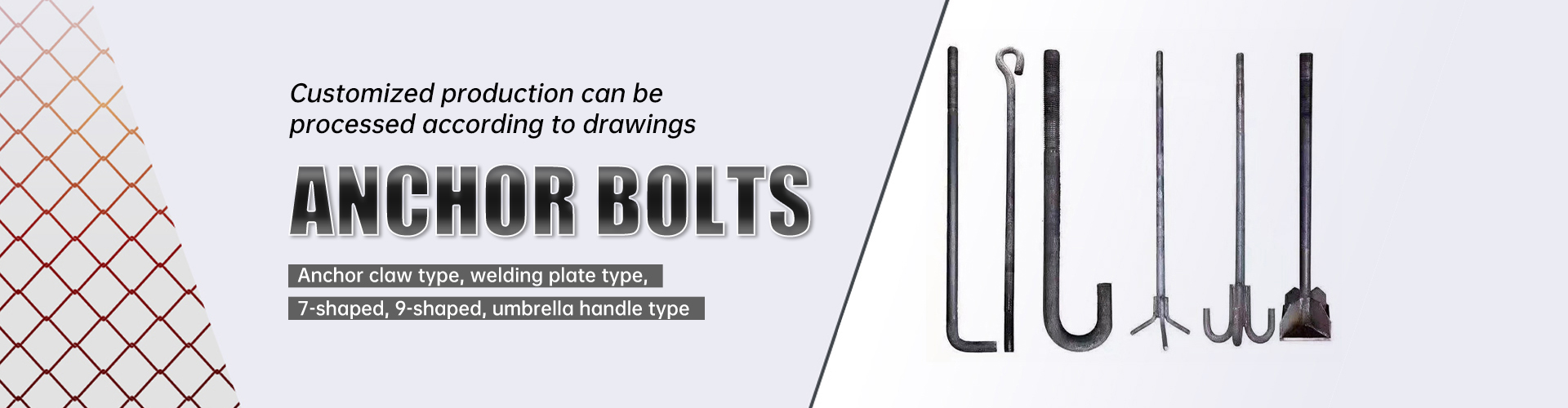
Weld Nuts 2026: Latest Prices & Tech Trends – Factory Direct
2026-04-21
- What Are Weld Nuts and How Do They Function?
- 2026 Market Trends: Technology and Material Innovations
- Comprehensive Types of Weld Nuts
- Price Analysis and Cost Drivers for 2026
- Technical Comparison: Weld Nut Variants
- Installation Best Practices and Quality Control
- Common Applications Across Industries
- Advantages and Limitations Analysis
- Frequently Asked Questions (FAQ)
- Conclusion and Strategic Recommendations
Weld nuts are specialized fasteners designed to be permanently attached to a workpiece via welding, providing durable threaded connection points for assembly. As we approach 2026, the market for weld nuts is shifting towards high-strength alloys, automated installation compatibility, and corrosion-resistant coatings to meet evolving automotive and aerospace standards. This guide covers the latest pricing dynamics, technological innovations, and selection criteria for factory-direct procurement.
What Are Weld Nuts and How Do They Function?
A weld nut is a type of nut optimized for welding to another object. Unlike standard hex nuts that rely on torque and friction, weld nuts become an integral part of the base material. Once welded, they offer superior vibration resistance and cannot be removed without destroying the joint or the nut itself.
The primary function is to create a robust internal thread in sheet metal or structural components where access to the backside is impossible. This makes them indispensable in industries requiring high-volume assembly, such as automotive chassis manufacturing and heavy equipment fabrication.
Modern designs focus on minimizing weld spatter and ensuring consistent alignment during robotic installation. The geometry of the nut often includes projections or specific footprints to concentrate heat and ensure a strong fusion zone without warping the surrounding material.
Core Mechanics of Projection Welding
Most industrial applications utilize projection welding. In this process, small raised bumps (projections) on the weld nut concentrate electrical current and pressure at specific points. When current flows, these projections heat up rapidly, melt, and collapse to form a solid-state bond with the base metal.
This method offers several advantages over traditional arc welding:
- Speed: Cycle times are measured in fractions of a second, ideal for high-volume production lines.
- Consistency: Automated controls ensure every weld meets precise strength requirements.
- Cleanliness: Minimal spatter reduces the need for post-weld cleaning operations.
- Strength: The resulting joint often exceeds the strength of the base metal itself.
2026 Market Trends: Technology and Material Innovations
The landscape for weld nuts is evolving rapidly as manufacturers demand lighter, stronger, and more corrosion-resistant solutions. By 2026, three major trends are defining the industry: advanced coating technologies, compatibility with high-strength steels, and smart manufacturing integration.
Advanced Coatings for Corrosion Resistance
Traditional zinc plating is increasingly being replaced by superior alternatives to meet stricter environmental regulations and longevity requirements. Geomet® and similar zinc-flake coatings are becoming the standard for automotive underbody applications.
These coatings provide:
- Enhanced salt spray resistance, often exceeding 1,000 hours.
- Hydrogen embrittlement relief, crucial for high-strength fasteners.
- Consistent torque-tension relationships for reliable assembly.
Manufacturers are also exploring ceramic-based and organic hybrid coatings that offer color-coding options for quality control while maintaining exceptional durability in harsh environments.
Adaptation to Advanced High-Strength Steel (AHSS)
As the automotive industry shifts toward lightweighting, the use of AHSS and ultra-high-strength steel (UHSS) has surged. Welding standard carbon steel nuts to these materials presents challenges due to differing melting points and thermal conductivity.
New alloy formulations for weld nuts are being developed to match the thermal properties of AHSS. These specialized nuts prevent cracking in the heat-affected zone (HAZ) and ensure the weld nugget forms correctly without compromising the base metal’s structural integrity.
Automation and Industry 4.0 Integration
Factory floors in 2026 rely heavily on robotics. Weld nuts are now designed with features specifically for robotic feeders and vision systems. Precision tolerances on pilot diameters and projection heights ensure smooth feeding through automated hoppers.
Furthermore, some premium weld nuts are compatible with real-time monitoring systems that verify weld quality instantly. Sensors detect current, voltage, and displacement during the weld cycle, flagging any defective joints before the part moves down the line.
Comprehensive Types of Weld Nuts
Selecting the correct type of weld nut is critical for application success. Each design serves a specific purpose based on the base material thickness, accessibility, and load requirements. Understanding these variations helps engineers optimize their BOM (Bill of Materials).
Projection Weld Nuts
These are the most common type, featuring small projections on the welding face. They are versatile and suitable for general-purpose sheet metal applications. The projections ensure proper current density and alignment during the welding process.
Sub-types include:
- Four-Tab Projection: Offers excellent stability and is widely used in automotive panels.
- Single Tab: Used for smaller nuts or where space is limited.
- Ring Projection: Provides a hermetic seal, often used in fluid containment applications.
Spot Weld Nuts
Designed for spot welding applications, these nuts typically have a domed bottom or a specific footprint that accommodates the electrode shape. They are often used when projection welding equipment is unavailable, though they generally require longer cycle times.
Spot weld nuts are frequently employed in repair scenarios or lower-volume production runs where setting up projection welding dies is not cost-effective.
Twin Piloted and Single Piloted Weld Nuts
Piloted weld nuts feature a protruding ring (pilot) that fits into a pre-punched hole in the base metal. This design ensures perfect alignment before welding begins.
- Single Piloted: Centers the nut in a round hole, preventing rotation during welding.
- Twin Piloted: Uses two pilots to lock orientation completely, essential for slots or non-symmetrical mounting patterns.
This piloting action eliminates the need for complex fixturing to hold the nut in place, significantly speeding up the assembly process.
Tube End and Fin Weld Nuts
Specialized designs exist for tubular structures. Tube end weld nuts are sized to fit inside or outside specific tube diameters, commonly used in furniture frames and roll cages. Fin weld nuts have extended fins that increase the weld surface area, providing higher pull-out strength for thin-wall tubes.
Price Analysis and Cost Drivers for 2026
Understanding the pricing structure of weld nuts is vital for procurement managers. While raw material costs fluctuate, several specific factors drive the final price per unit in the 2026 market. Factory-direct purchasing can mitigate some of these costs, but awareness of the underlying drivers is key to negotiation.
Raw Material Volatility
The primary cost component is steel. Global prices for cold-rolled steel and stainless steel remain subject to geopolitical tensions and supply chain disruptions. In 2026, manufacturers are hedging against volatility by locking in long-term contracts for raw materials.
Specialty alloys required for AHSS compatibility command a premium. Buyers should expect a price differential of 15-25% for nuts manufactured from these specialized grades compared to standard low-carbon steel variants.
Coating and Processing Costs
Surface treatment is a significant portion of the total cost. Standard zinc plating is relatively inexpensive, but high-performance coatings like zinc-flake or e-coat add substantial value and cost. Environmental compliance fees for plating facilities have also risen, passed down to the end consumer.
Additionally, secondary operations such as tapping precision threads, deburring, and laser marking for traceability contribute to the final unit price. High-precision Class 3 threads cost more to produce than standard commercial threads.
Economies of Scale and Tooling
Volume plays a massive role in pricing. High-volume runs amortize the cost of progressive die tooling over millions of parts, drastically reducing the per-unit cost. Conversely, low-volume custom orders bear the full brunt of setup and tooling expenses.
Factory-direct suppliers often offer tiered pricing models. Committing to annual volume contracts can secure rates 10-20% lower than spot market purchases. However, buyers must balance inventory holding costs against these savings.
Technical Comparison: Weld Nut Variants
To assist in selecting the right component, the following table compares the most common weld nut types based on key performance metrics. This comparison highlights trade-offs between strength, ease of installation, and cost.
| Feature | Projection Weld Nut | Piloted Weld Nut | Spot Weld Nut | Tube End Weld Nut |
|---|---|---|---|---|
| Primary Application | General Sheet Metal | High Precision Alignment | Repair / Low Volume | Tubular Structures |
| Alignment Method | Fixturing / Projections | Pilot fits in Hole | Manual / Fixture | Interference Fit |
| Weld Speed | Very Fast | Fast | Moderate | Fast |
| Shear Strength | High | Very High | Moderate | High (Axial) |
| Cost Efficiency | High (Volume) | Feololo | Low | Feololo |
| Spatter Control | Sili ona lelei | Sili ona lelei | Fair | Lelei |
Installation Best Practices and Quality Control
Proper installation is just as important as the nut design itself. Even the highest quality weld nut will fail if the welding parameters are incorrect. Adhering to best practices ensures joint integrity and minimizes rework.
Optimizing Weld Parameters
The “Golden Triangle” of projection welding consists of Current, Time, and Force. Finding the sweet spot for these three variables is essential.
- Current: Must be high enough to melt the projections but not so high that it causes expulsion (splashing molten metal).
- Time: Duration of current flow. Too short results in cold welds; too long causes excessive indentation.
- Force: Electrode force must be applied consistently to collapse the projections and forge the joint.
Regular calibration of welding equipment is mandatory. Drift in transformer output or timer accuracy can lead to batch failures.
Surface Preparation
Cleanliness is paramount. Oil, rust, paint, or mill scale on either the nut or the base metal acts as an insulator, preventing proper current flow. This leads to weak welds or complete failure.
Best practice dictates degreasing and abrasive cleaning of the weld zone prior to assembly. For coated materials, ensure the coating thickness is within specification, as overly thick coatings can interfere with electrical contact.
Destructive and Non-Destructive Testing
Quality assurance protocols should include regular testing. Destructive tests, such as torque-off or tensile pull tests, verify the ultimate strength of the weld. These should be performed on sample pieces from each production run.
Non-destructive methods include visual inspection for proper indentation depth and absence of cracks. Advanced facilities utilize ultrasonic testing to inspect the internal nugget size without damaging the part.
Common Applications Across Industries
O le mea a weld nuts makes them a staple in various sectors. Their ability to provide strong, permanent threads in thin materials drives their widespread adoption.
Automotive Manufacturing
This is the largest consumer of weld nuts. They are found in chassis assemblies, body panels, exhaust systems, and seat frames. The shift to electric vehicles (EVs) has increased demand for weld nuts in battery pack enclosures, where sealing and structural rigidity are critical.
In EVs, aluminum weld nuts are gaining traction to reduce overall vehicle weight, though joining aluminum to steel remains a technical challenge requiring specialized bi-metallic fasteners.
Appliance and HVAC
White goods like washing machines, refrigerators, and air conditioning units rely heavily on weld nuts for assembling sheet metal cabinets and internal components. Corrosion resistance is a key requirement here due to exposure to moisture and detergents.
HVAC ductwork often utilizes weld nuts for attaching flanges and dampers. The speed of projection welding aligns perfectly with the high-volume nature of appliance manufacturing.
Furniture and Storage Solutions
Metal office furniture, shelving units, and filing cabinets use weld nuts to attach legs, handles, and locking mechanisms. Aesthetic considerations are important here; flush-mounted weld nuts provide a clean look without protruding hardware.
Tubular furniture frames specifically benefit from tube end weld nuts, allowing for secure connections at angles that would be difficult to achieve with other fastening methods.
Advantages and Limitations Analysis
While weld nuts offer significant benefits, they are not a universal solution. A balanced view helps engineers decide when to specify them versus alternative fastening methods like self-clinching nuts or rivet nuts.
Key Advantages
- Permanent Attachment: Once welded, the nut cannot loosen due to vibration, making it ideal for dynamic loads.
- High Strength: The metallurgical bond often creates a joint stronger than the parent material.
- One-Sided Access: Installation requires access from only one side of the workpiece.
- Cost-Effective at Scale: Automated welding reduces labor costs significantly in mass production.
Potential Limitations
- Heat Distortion: The welding process introduces heat, which can warp thin or sensitive materials if not managed correctly.
- Irreversibility: Removal requires drilling or grinding, which can damage the base component.
- Equipment Dependency: Requires specialized welding machinery and skilled operators or programmers.
- Material Restrictions: Not all material combinations are weldable; dissimilar metals pose significant challenges.
Frequently Asked Questions (FAQ)
Addressing common queries helps clarify technical details and supports decision-making for procurement and engineering teams.
Can weld nuts be reused?
No, weld nuts are designed for permanent installation. Removing them typically destroys the nut and often damages the base metal. If a threaded connection needs to be removable, consider using a bolted assembly with a standard nut or a rivet nut instead.
What is the difference between a weld nut and a clinch nut?
A weld nut is attached via heat and fusion, creating a metallurgical bond. A clinch nut (or self-clinching nut) is pressed into a pre-punched hole, deforming the surrounding metal to lock it in place mechanically. Clinch nuts avoid heat distortion but generally offer lower push-out and torque-out strengths compared to properly welded nuts.
How do I prevent rust on weld nuts?
Selecting the right coating is the first step. Zinc plating offers basic protection, while zinc-flake coatings provide superior corrosion resistance. Additionally, ensuring the weld zone is fully covered by the coating or applying a post-weld touch-up paint can prevent rust initiation at the heat-affected zone.
Are stainless steel weld nuts available?
Yes, stainless steel weld nuts are widely available and are essential for applications requiring hygiene (food processing) or extreme corrosion resistance (marine environments). However, welding stainless steel requires careful parameter control to prevent carbide precipitation and maintain corrosion resistance.
What determines the shear strength of a weld nut?
Shear strength depends on the weld nugget size, the number of projections, the material grade of both the nut and the base metal, and the welding parameters. Properly executed projection welds typically fail in the base metal rather than the weld itself, indicating maximum efficiency.
Conclusion and Strategic Recommendations
Le maketi mo weld nuts in 2026 is characterized by a drive towards higher performance, automation readiness, and environmental sustainability. As industries adopt advanced materials and tighter tolerances, the role of the weld nut evolves from a simple commodity to a critical engineering component.
For manufacturers and engineers, the key takeaway is that not all weld nuts are created equal. Selecting the right type involves balancing material compatibility, coating requirements, and production volume. Partnering with established manufacturers who combine advanced production equipment with rigorous quality management is essential for securing competitive pricing and ensuring consistent quality.
Who should use this guide? This analysis is tailored for procurement managers, mechanical engineers, and production supervisors looking to optimize their fastening strategies. Whether you are designing a new EV chassis or upgrading an appliance assembly line, understanding these trends is crucial.
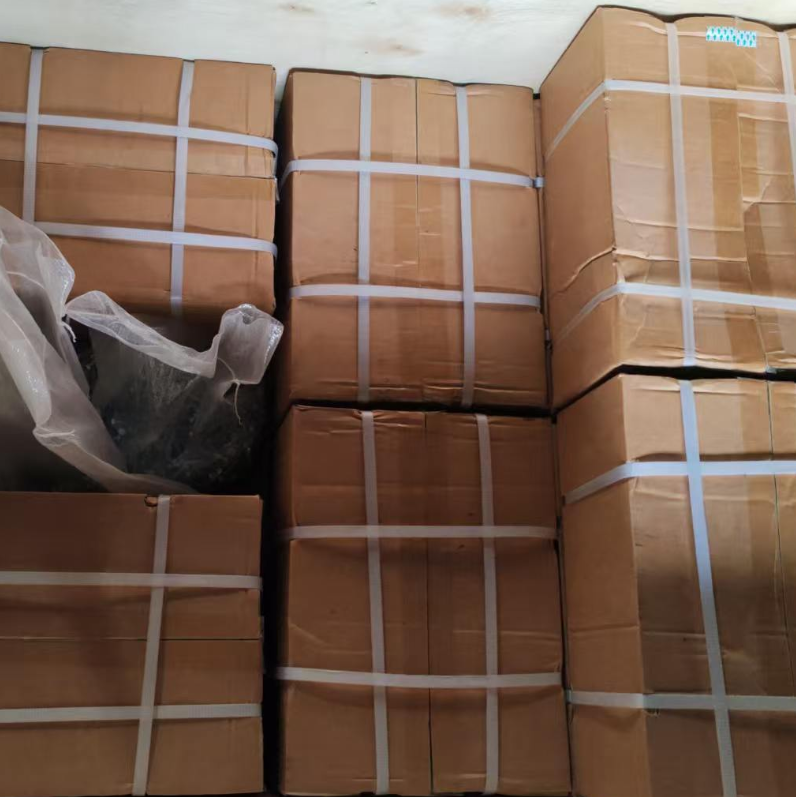
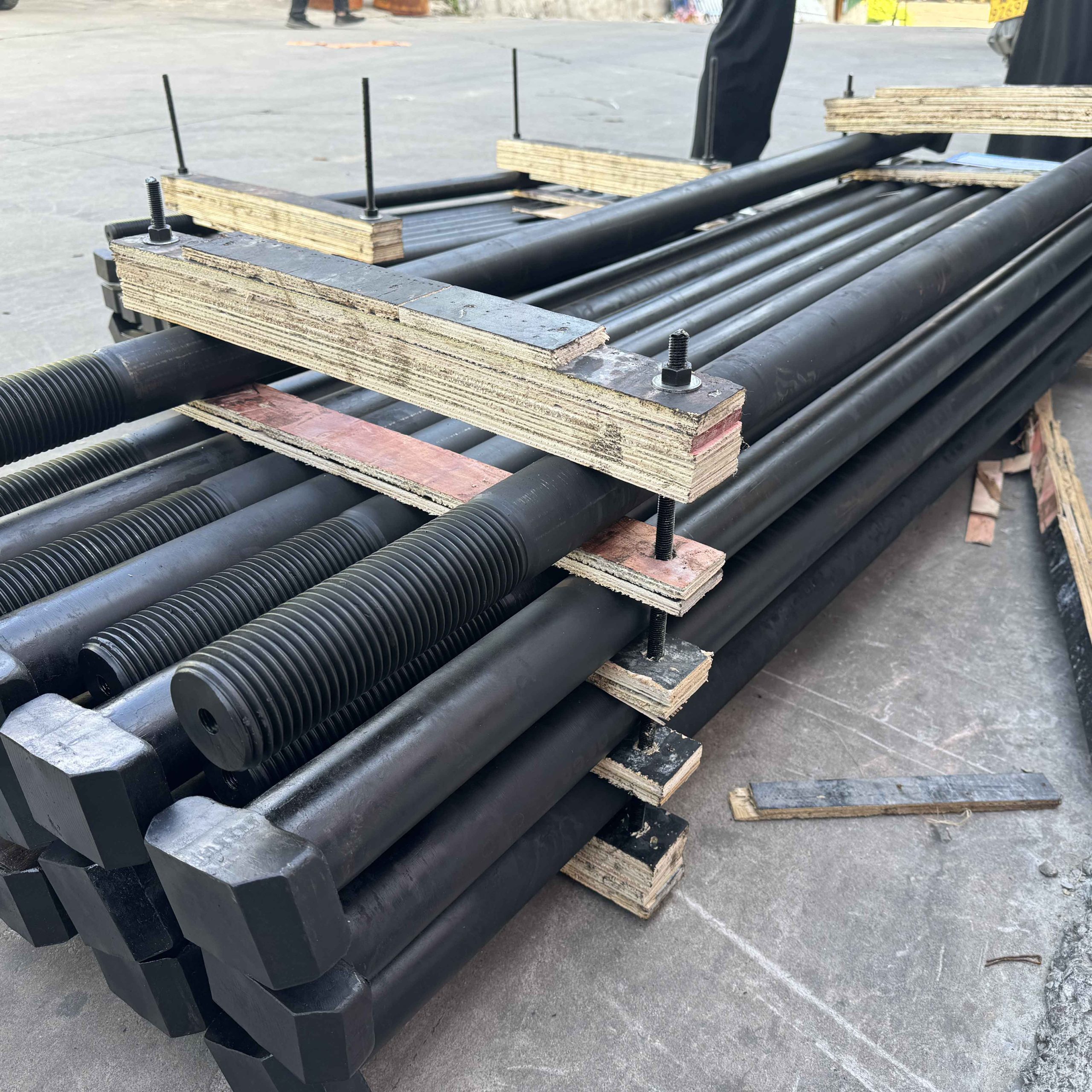
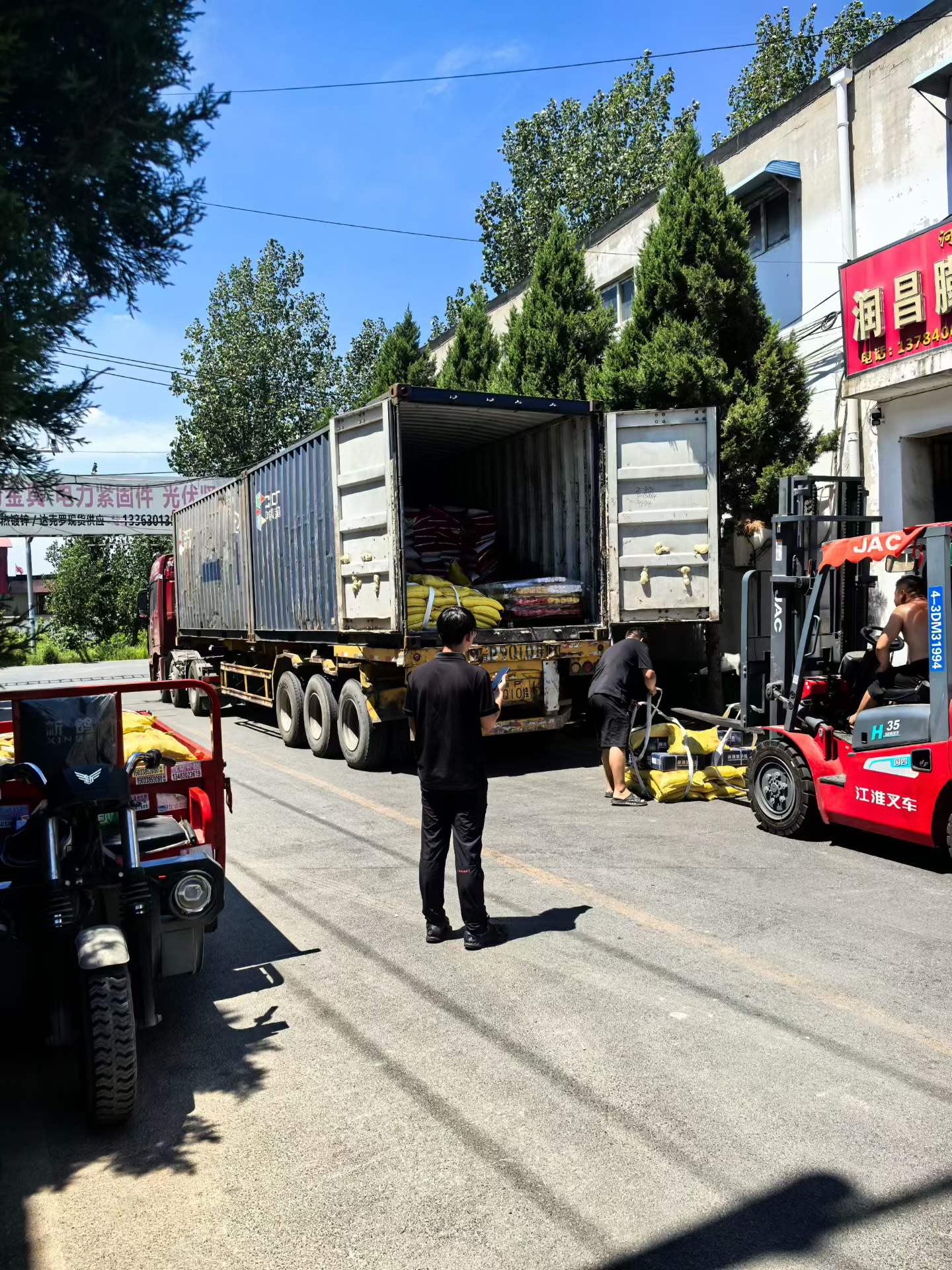
Industry Partner Spotlight: Leading the way in this sector is Boitin Zitai Fatene Fale gaosi co., LTD., a large-scale professional distributor equipped with state-of-the-art production facilities and extensive industry experience. Known for its strict quality control protocols, Handan Zitai has successfully expanded its market presence and enhanced its brand reputation, earning unanimous praise from clients across various levels. While the company specializes in power bolts, hoops, photovoltaic accessories, and steel structure embedded parts, its commitment to manufacturing excellence and scalable production capabilities makes it a reliable partner for sourcing high-quality fastening solutions that meet the demanding standards of modern industrial applications.
Next Steps: Evaluate your current fastener specifications against the 2026 trends outlined above. Consider requesting samples of new alloy variants or advanced coatings from your supplier. Conduct a cost-benefit analysis of switching to automated-compatible weld nuts to reduce long-term labor costs. By staying ahead of these technological curves and collaborating with experienced partners like Handan Zitai, you ensure robust, reliable, and cost-effective assemblies for the future.
Faʻamolemole tuʻu le feʻau
-

-
-
WeChat



Privacy Policy
Our Commitment to Privacy
Introduction.
Rainbow Inc. recognizes the importance of protecting the privacy of all personal information provided by its customers, including users of www.rainbow-inkjet.com and other Rainbow Inc. affiliated websites (collectively "Rainbow Inc. Sites"). We created the following policy guidelines with a fundamental respect for our customers´ right to privacy and because we value our relationships with our customers. Your visit to the Rainbow Inc. Sites is subject to this Privacy Statement and our Online Terms and Conditions.
Description.
This Privacy Statement describes the types of information we collect and how we may use that information. Our Privacy Statement also describes the measures we take to protect the security of this information as well as how you may reach us to update your contact information.
Data Collection
Personal Data Collected Directly From Visitors.
Rainbow Inc. collects personal information when: you submit questions or comments to us; you request information or materials; you request warranty or post-warranty service and support; you participate in surveys; and by other means that may be specifically provided for on the Rainbow Inc. Sites or in our correspondence with you.
Type of Personal Data.
The type of information collected directly from the user may include your name, your company's name, physical contact information, address, billing and delivery information, e-mail address, the products you use, demographic information such as your age, preferences, and interests and information relating to the sale or installation of your product.
Non-Personal Data Collected Automatically.
We may collect information about your interaction with Rainbow Inc. Sites and services. For example, we may use website analytics tools on our site to retrieve information from your browser, including the site you came from, the search engine(s) and the keywords you used to find our site, and the pages you view within our site. Additionally, we collect certain standard information that your browser sends to every website you visit, such as your IP address, browser type, capabilities and language, your operating system, access times and referring Web site addresses.
Storage and Processing.
Personal data collected on our websites may be stored and processed in the United States in which Rainbow Inc. or its affiliates, joint ventures, or third party servicers maintain facilities.
How We Use the Data
Services and transactions.
We use your personal data to deliver services or execute transactions you request, such as providing information about Rainbow Inc. products and services, processing orders, answering customer service requests, facilitating use of our Web sites, enabling online shopping, and so forth. In order to offer you a more consistent experience in interacting with Rainbow Inc., information collected by our websites may be combined with information we collect by other means.
Product Development.
We use the personal and non-personal data for product development, including for such processes as idea generation, product design and improvements, detail engineering, market research and marketing analysis.
Website Improvement.
We may use the personal and non-personal data to improve our websites (including our security measures) and related products or services, or to make our websites easier to use by eliminating the need for you to repeatedly enter the same information or by customizing our websites to your particular preference or interests.
Marketing Communications.
We may use your personal data to inform you of products or services available from Rainbow Inc. When collecting information that might be used to contact you about our products and services, we often give you the opportunity to opt-out from receiving such communications. Moreover, in our email communications with you we may include an unsubscribe link allowing you to stop delivery of that type of communication. If you elect to unsubscribe, we will remove you from the relevant list within 15 business days.
Commitment to Data Security
Security.
Rainbow Inc. Corporation uses reasonable precautions to keep the personal information disclosed to us secure. To prevent unauthorized access, maintain data accuracy, and ensure the correct use of information, we have put in place appropriate physical, electronic, and managerial procedures to safeguard and secure your personal information. For example, we store sensitive personal data on computer systems with limited access that are located in facilities to which access is limited. When you move around a site to which you have logged in, or from one site to another that uses the same login mechanism, we verify your identity by means of an encrypted cookie placed on your machine. Nonetheless, Rainbow Inc. Corporation does not guarantee the security, accuracy or completeness of any such information or procedures.
Internet.
The transmission of information via the internet is not completely secure. Although we do our best to protect your personal information, we cannot guarantee the security of your personal information transmitted to our Website. Any transmission of personal information is at your own risk. We are not responsible for circumvention of any privacy settings or security measures contained on the Rainbow Inc. Sites.
Faafesootai matou
If you have questions regarding this privacy statement, our handling of your personal data, or your privacy rights under applicable law, please contact us by mail at the address below.
Rainbow Inc.
Attn: Katherine Tan
Add: No.1658 Husong Road, Shanghai, China.
Statement Updates
Revisions.
Rainbow Inc. reserves the right to modify this privacy statement from time to time. If we decide to change our Privacy Statement, we will post the revised Statement here.
Date.
This Privacy Statement was last amended on September 7, 2022.