
- English
- Chinese
- French
- German
- Portuguese
- Spanish
- Russian
- Japanese
- Korean
- Arabic
- Irish
- Greek
- Turkish
- Italian
- Danish
- Romanian
- Indonesian
- Czech
- Afrikaans
- Swedish
- Polish
- Basque
- Catalan
- Esperanto
- Hindi
- Lao
- Albanian
- Amharic
- Armenian
- Azerbaijani
- Belarusian
- Bengali
- Bosnian
- Bulgarian
- Cebuano
- Chichewa
- Corsican
- Croatian
- Dutch
- Estonian
- Filipino
- Finnish
- Frisian
- Galician
- Georgian
- Gujarati
- Haitian
- Hausa
- Hawaiian
- Hebrew
- Hmong
- Hungarian
- Icelandic
- Igbo
- Javanese
- Kannada
- Kazakh
- Khmer
- Kurdish
- Kyrgyz
- Latin
- Latvian
- Lithuanian
- Luxembou..
- Macedonian
- Malagasy
- Malay
- Malayalam
- Maltese
- Maori
- Marathi
- Mongolian
- Burmese
- Nepali
- Norwegian
- Pashto
- Persian
- Punjabi
- Serbian
- Sesotho
- Sinhala
- Slovak
- Slovenian
- Samoan
- Scots Gaelic
- Shona
- Sindhi
- Sundanese
- Swahili
- Tajik
- Tamil
- Telugu
- Thai
- Ukrainian
- Urdu
- Uzbek
- Vietnamese
- Welsh
- Xhosa
- Yiddish
- Yoruba
- Zulu
- Kinyarwanda
- Tatar
- Oriya
- Turkmen
- Uyghur


Sidee boolal koronto-galvanized ah u kordhiyaan sii jiritaan?
2025-10-13
Dabagalka joogtayntaWarshaduhu waxay si joogto ah u sahamiyaan agabka aan buuxinayn shuruudahooda tayada, laakiin sidoo kale waxay yareeyaan saamaynta deegaanka. Boolal koronto-galvanized ah ayaa u soo baxay sidii qayb muhiim ah dadaalkan. Laakin sidee bay dhab ahaan boolaladaasi wax ugu kordhinayaan mustaqbal waara?
Fahamka Bolts Electro-Galvanized
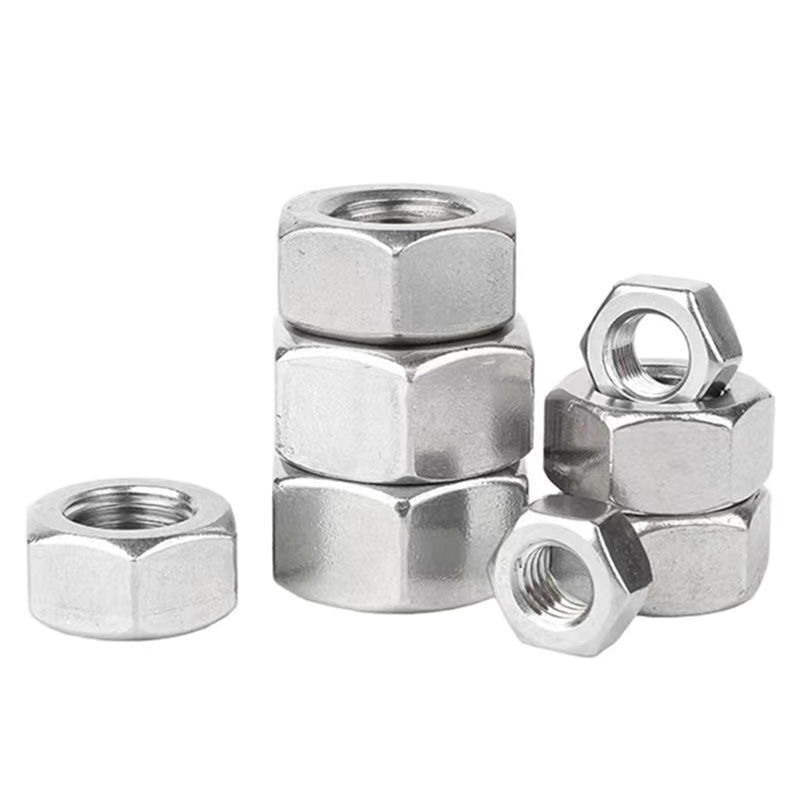
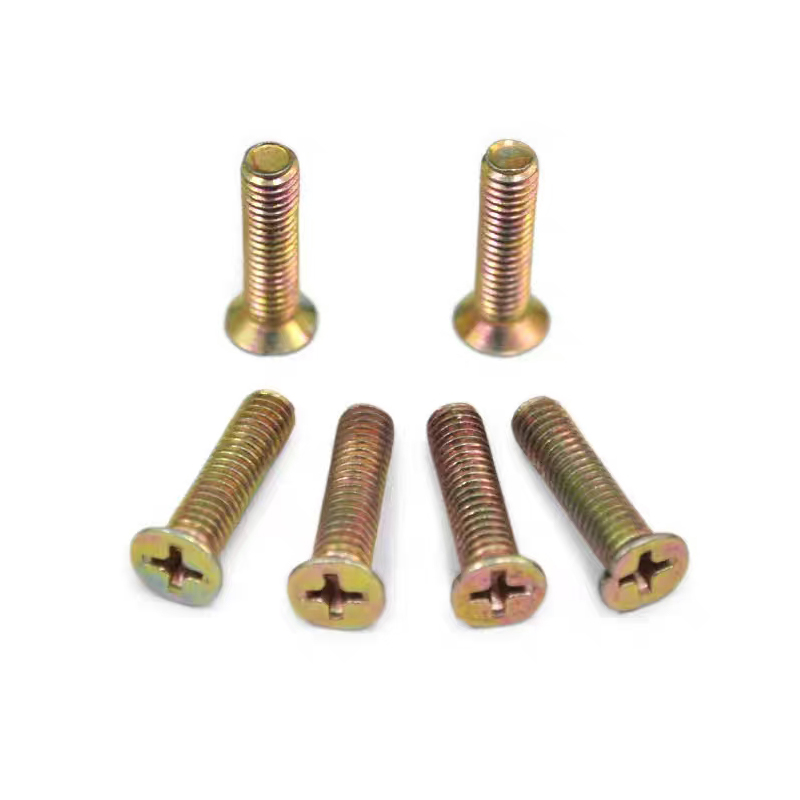
Marka hore, boolal electro-galvanized waxaa lagu dahaadhay lakab khafiif ah oo zinc ah si looga ilaaliyo daxalka. Habkani kaliya ma kordhinayo cimrigooda laakiin sidoo kale wuxuu yareynayaa baahida beddelka joogtada ah, taas oo ah arrin muhiim ah oo sii jiri karta.
Waxaa jira fikrad khaldan oo caadi ah oo ah in boolalka galvanized ay yihiin kaliya arrin kharash ah. Inkasta oo ay run tahay in ay noqon karaan kuwo la awoodi karo mustaqbalka fog sababtoo ah cimrigooda, waa kaydinta deegaanka ee qashinka hoos u dhaca iyo baahida wax soo saarka hoose ee qiimaha leh.
Aan iloobin in beddelaad yar ay ka dhigan tahay in tamarta wax soo saarka yar la isticmaalo iyo wax yar oo cayriin ah ayaa laga soo saaraa dhulka. Xaaladda warshadaha, tani waa kor u qaadis la taaban karo oo waara.
Hufnaanta Wax-soo-saarka
Electro-galvanizing waa tamar-wax-ku-ool ah marka loo eego hababka kale ee daahan. Habka la kantaroolo ayaa hubinaya qashinka ugu yar, taas oo ah faa'iidada joogtada ah ee muhiimka ah. wiqiyad kastaa waxa la tiriyaa marka aynu ka hadlayno isticmaalka baaxada leh.
At Handan Zitai Fastener Manufacturing Co., Ltd., oo ku yaala saldhigga ugu weyn ee wax soo saarka qaybta caadiga ah ee Shiinaha, hufnaanta iyo joogtaynta intertwine. Iyada oo la adeegsanayo marinnada gaadiidka ku habboon ee loo maro Waddada Tareenka ee Beijing-Guangzhou iyo Waddada Weyn ee Qaranka 107, waxaan si istiraatiji ah u taagannahay si aan u wanaajino saadka silsiladda saadka.
Waxtarka saadka waxa ay yaraynaysaa isticmaalka shidaalka iyo qiiqa sii daaya, iyada oo la jaanqaadaysa ujeedooyinka balaadhan ee deegaanka. Booqo mareegahayaga si aad u hesho fikrado faahfaahsan oo ku saabsan dhaqamadayada waara.
Iska caabinta daxalka
Iska caabbinta daxalka ee kor loo qaaday ee boolal koronto-galvanized waxay la macno tahay inay u adkaysan karaan bay'ad adag iyada oo aan hoos loo dhigin. Goobaha xeebaha iyo goobaha warshadaha, halkaas oo soo-gaadhista qoyaanka iyo kiimikooyinka ay tahay lama huraan, waxay runtii caddaynayaan qiimahooda.
Waxa aan xasuustaa mashruuc laga waday dhisme dhinaca badda ah oo agab dhaqameedku xumaadeen. U wareegitaanka boolal koronto-galvanized ah kaliya ma yarayn dayactirka joogtada ah laakiin sidoo kale waxay yaraysay qashinka alaabta. Tani waxay indho-fur u ahayd dad badan oo ku lug lahaa mashruuca.
Waxaa intaa dheer, hoos u dhaca baahida loo qabo dahaarka ilaalinta iyo daawaynta waxay yaraynaysaa isticmaalka kiimikada, taas oo yeelan karta saameyn deegaan oo aad u muhiim ah marka loo eego qaar badan oo markii hore u maleynayay.
Qiimaha iyo Saamaynta Deegaanka
Qaar ayaa laga yaabaa inay ku doodaan in qiimaha bilowga ah ee boolal elektaroonig ah uu ka sarreyn karo marka la barbar dhigo xulashooyinka aan dahaarka lahayn. Si kastaba ha ahaatee, marka aad qayb ka qaadato hoos u dhaca kharashaadka meertada nolosha oo ay ugu wacan tahay cimrigooda, faa'iidooyinka maaliyadeed iyo deegaanku waxay noqonayaan kuwo soo jiidasho leh.
Tixgeli kiiska mashaariicda kaabayaasha ee u baahan kumanyaal xidhiyaal. Hoos u dhigista isticmaalka kheyraadka iyo qashinka ayaa muuqda, taasoo muujineysa saameynta ballaaran ee qorsheynta iyo horumarinta magaalooyinka.
Gobollada sida Gobolka Hebei, halkaas oo Handan Zitai uu ka shaqeeyo, dhaqamada waara laguma dhiirigeliyo kaliya - waxay noqonayaan bartilmaameedka. Warshadaha maxalliga ah ayaa si isa soo taraysa uga warqaba isku dheelitirka kharashka iyo mas'uuliyadda deegaanka.
Horay u Filan
Marka ay warshaduhu ku dadaalaan inay noqdaan kuwo mas'uul ka ah deegaanka, agabka sida boolal-galvanized electro-galvanized ayaa helaya caan. Isbeddelkani waxa uu ka tarjumayaa faham sii kordhaya oo ah in sii jiritaanku u baahan yahay doorashooyin caqli badan qayb kasta, iyada oo aan loo eegin inta ay u ekaan karto yar.
Casharka dhabta ah ee halkan ku jira waa wax-ku-oolnimada iyo ka-fikirka go'aan kasta. Hadday tahay mashruuc yar ama mashruuc dhisme oo ballaadhan, doorka agabka noocan oo kale ah ee horumarinta mustaqbal waara waa adag tahay in la iska indho tiro.
Ugu dambayntii, wada hadalka ku saabsan boolal-koronto-galvanized ma aha oo kaliya boolalyada laftooda balse waxa ay matalaan—tallaabo lagu dhimayo raadkeenna wadajirka ah. Marka qaybahan ay noqdaan kuwa guud, waxaan rajayn karnaa muuqaal warshadeed oo waara.
Fadlan fariin noogu dhaaf
-


-
-


WeChat
