
- English
- Chinese
- French
- German
- Portuguese
- Spanish
- Russian
- Japanese
- Korean
- Arabic
- Irish
- Greek
- Turkish
- Italian
- Danish
- Romanian
- Indonesian
- Czech
- Afrikaans
- Swedish
- Polish
- Basque
- Catalan
- Esperanto
- Hindi
- Lao
- Albanian
- Amharic
- Armenian
- Azerbaijani
- Belarusian
- Bengali
- Bosnian
- Bulgarian
- Cebuano
- Chichewa
- Corsican
- Croatian
- Dutch
- Estonian
- Filipino
- Finnish
- Frisian
- Galician
- Georgian
- Gujarati
- Haitian
- Hausa
- Hawaiian
- Hebrew
- Hmong
- Hungarian
- Icelandic
- Igbo
- Javanese
- Kannada
- Kazakh
- Khmer
- Kurdish
- Kyrgyz
- Latin
- Latvian
- Lithuanian
- Luxembou..
- Macedonian
- Malagasy
- Malay
- Malayalam
- Maltese
- Maori
- Marathi
- Mongolian
- Burmese
- Nepali
- Norwegian
- Pashto
- Persian
- Punjabi
- Serbian
- Sesotho
- Sinhala
- Slovak
- Slovenian
- Samoan
- Scots Gaelic
- Shona
- Sindhi
- Sundanese
- Swahili
- Tajik
- Tamil
- Telugu
- Thai
- Ukrainian
- Urdu
- Uzbek
- Vietnamese
- Welsh
- Xhosa
- Yiddish
- Yoruba
- Zulu
- Kinyarwanda
- Tatar
- Oriya
- Turkmen
- Uyghur


Sidee bay boolasha zinc-plated u saameeyaan waaritaanka?
2025-11-14
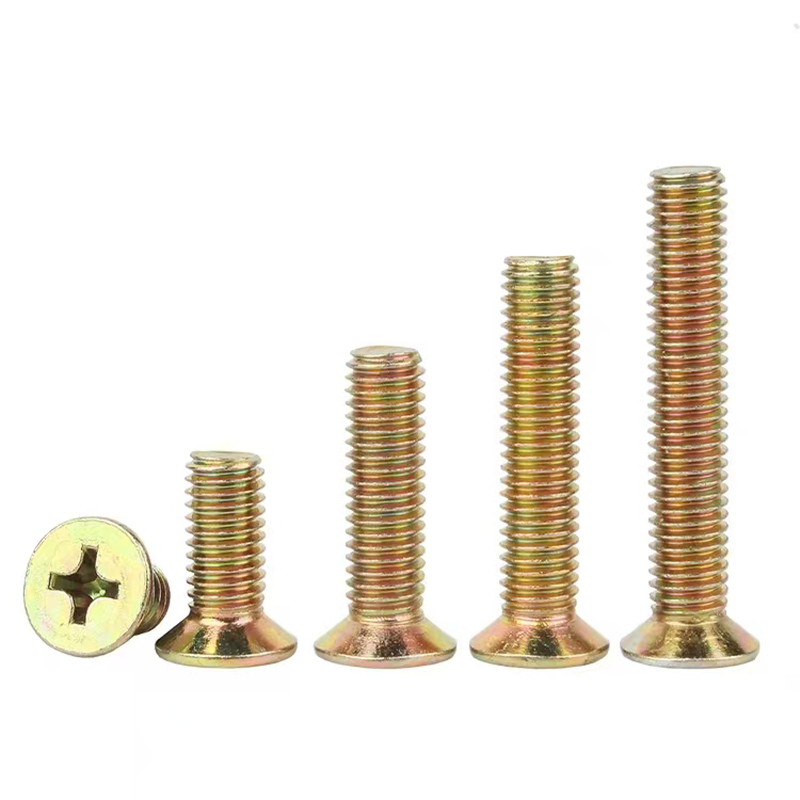
Marka laga hadlayo dhismaha iyo wax soo saarka, boolal zinc-plated inta badan waxay u soo baxaan sidii xal degdeg ah arrimaha adkeysiga. Si weyn ayaa loo isticmaalaa, laakiin sidee bay u sii jiri karaan? Qaar badan oo ka mid ah warshadaha ayaa leh qaadashada kala duwan, waxaana habboon in la sahamiyo xaglahan iyo fikradaha khaldan, gaar ahaan joogteynta ayaa noqonaysa tixgalin muhiim ah oo ku saabsan iibsashada go'aamada. Aan u dhex galno.
Fahamka Zinc-Pating
Biraha birta lagu dahaadho waxa ku jira dahaarka zinc. Tani waxay bixisaa iska caabbinta daxalka, taasoo ka dhigaysa boolal-doorasho caan ka ah deegaannada ay soo-gaadhista qoyaanku walaac ka qabto. Lakabkani wuxuu u shaqeeyaa sidii xayndaab allabari, taasoo u oggolaanaysa zinc inuu daxaleeyo ka hor inta aysan birta hoose bilaabmin inay xumaato. Laakiin kaliya maaha ilaalinta; waxay dhalinaysaa su'aalo ku saabsan kharashka deegaanka.
Tusaale ahaan, waayo-aragnimadayda Handan Zitai Fastener Manufacturing Co., Ltd., faa'iidada juqraafiyeed ee u dhow khadadka gaadiidka waaweyn, sida Jidka Tareenka ee Beijing-Guangzhou, wuxuu fududeeyaa saadka. Si kastaba ha ahaatee, tixgelinta deegaanku waxay ka bilaabataa soo saarista alaabta ceeriin, maaha qaybinta oo keliya. Macdanta Zinc waxay leedahay saameyn deegaan oo muhiim ah, in kastoo goobta aan ku leenahay Gobolka Hebei ay bixiso waxtarka, waxaa muhiim ah in aan si joogto ah u qiimeyno dhaqamadayada wax-soosaarka agabka.
Iyadoo zinc-plating ay kordhiso nolosha badeecada, waxay hoos ugu dhacdaa si loo miisaamo cimriga dheer ee ka soo horjeeda soo saarista kheyraadka iyo tamarta lagu isticmaalo habka dhogorta. Waxaa jira is-ganacsi halkan: ilaalinta iyo saameynta ballaaran ee deegaanka.
Doorka Kaallooyinka Zinc-Plated ee Joogitaanka Meesha Nolosha
Marka la baarayo joogtaynta ee boolal zinc-plated, waa lagama maarmaan in la eego meerto noloshooda. Waxay bixiyaan adkeysi cajiib ah iyo iska caabin daxalka, taas oo macnaheedu yahay beddelaadyo soo noqnoqda oo yar. Tani aragti ahaan waxay keenaysaa baahida wax soo saarka oo yaraada iyo dhimista qashinka waqti ka dib. Laakiin sidee taasi ficil ahaan u ciyaartaa?
Qaar ayaa laga yaabaa inay ku doodaan in baahida yar ee beddelka ay la mid tahay ilo yar oo la isticmaalo mustaqbalka fog. Si kastaba ha ahaatee, waa in aan tixgelinno marxaladda dhamaadka nolosha. Kaashashka Zinc-plated waxay keenaan caqabado xagga dib-u-warshadaynta ay ugu wacan tahay tayada xabagta ee zinc-ka ee birta, taasoo adkeynaysa wajigan.
Waxa xiisaha lihi leh, intii aan ku guda jiray booqashada mid ka mid ah wada-hawlgalayaasha silsilada sahayda, waxaan u kuurgalay sida habraacyadu u qaabilaan hal-abuurnimada hufnaanta tamarta. Si kastaba ha ahaatee, dhibaatooyinka dib-u-warshadaynta waxay soo jeedinayaan, inkasta oo cimriga alaabta dheer yahay, waa inaan kor u qaadnaa hababka dib u warshadaynta si loo xiro wareegga wareegga wax soo saarka si wax ku ool ah.
Caqabadaha iyo Xalka
Mashruucyadii dhawaa waxay daaha ka qaadeen fursadaha dhimista qiiqa saadka. U dhawaanshaha Waddada Weyn ee Beijing-Shenzhen iyo dariiqyada gaadiidka ee hufan ayaa gacan ka geysta dhimista raad-raaca kaarboonka. Weli, caddaynta dhulka ayaa tilmaamaysa qiiq badan inta lagu jiro habka wax soo saarka laftiisa. Caqabadda muhiimka ahi waxay ku jirtaa qaadashada tignoolajiyada cagaaran ee dhirta wax soo saarka.
Hal xal ayaa ah maalgelinta tignoolajiyada wax soo saarka nadiifka ah. Handan Zitai Fastener Manufacturing Co., Ltd., waxaa lagu dadaalayaa sidii loo midayn lahaa tignoolajiyadan. Hirgelinta ikhtiraacyadan cusub waa hawl socota, oo inta badan ay caqabad ku noqoto kharashaadka bilowga ah iyo la qabsiga farsamada. Badanaa, tani waxay u baahan tahay dheellitir jilicsan oo u dhexeeya maalgashiyada cusub iyo ilaalinta awoodda macaamiisha.
Ku lug lahaanshaha siyaasadaha deegaanka ee deegaanka waa tallaabo kale. Iyadoo la waafajinayo tilmaamaha qaranka iyo isbeddellada waaridda caalamiga ah, shirkaduhu waxay saadaalin karaan isbeddellada sharci-dejinta oo ay la qabsadaan. La qabsigani waxa uu ka dhigi karaa shirkadaha sidayada oo kale ah safka hore ee wax soo saarka deegaanka mas'uul ka ah.
Baahida Suuqa iyo Wacyigelinta Macaamiisha
Waxaa sii kordhaya wacyiga macaamiisha iyo xiisaha dhaqamada waara. Dadku waxay inta badan weydiiyaan sida boolaldaha loo soo saaro, saameyntooda deegaanka, iyo haddii ay jiraan beddelaad deegaan-saaxiibtinimo leh. Xiisayntan sii kordheysa waxay ku dhiirigelisaa warshaduhu inay noqdaan kuwo hufan oo wax cusub ku soo kordhiya xalalka cagaarka ah.
Waxay ka muuqataa bandhigyada ganacsiga iyo shirarka macaamiisha halkaas oo sii jiritaanku aanu ahayn uun fikir dambe. Kuwo badan ayaa wax ka weydiiya horumarka gaarka ah ee waaritaanka. Dhiirigelintan ayaa nagu kaxeysa inaan si joogto ah u nadiifinno hanaankeena Handan Zitai Fastener Manufacturing Co., Ltd.
Macaamiisha oo lagu wacyigaliyo isku dheelitirka u dhexeeya waarta iyo waaritaanka ayaa iyaduna door muhiim ah ka ciyaarta. Markaan u sheegno sida xulashooyinka, sida doorashada biraashka zinc-plated, u saameeya labadaba adkeysiga iyo raad-raacyada deegaanka, waxaan sare u qaadi karnaa wacyiga oo waxaan dalban karnaa hal-abuurnimo waara.
Mustaqbalka Kaallooyinka Zinc-Plated ee Adduun Joogta ah
Maaddaama sii jiritaanku uu noqdo halbeeg aan ahayn ka reebis, doorka boolalasha zinc-plated ayaa kobci doona. Waxay u baahan doonaan inay la qabsadaan si ay u daboolaan xeerarka adag ee deegaanka iyo baahida macaamiisha. Tani kaliya ma aha caqabad laakiin fursad u ah hal-abuurnimada agabka iyo hababka.
Gebogebadii, qiimaynta boolal zinc-plated saamaynta ay ku leeyihiin waaritaanku waxay ka kooban tahay in ka badan oo kaliya in la eego hal dhinac. Markay tahay Handan Zitai Fastener Manufacturing Co., Ltd., oo ku taal xudunta warshadaha xajiyeyaasha ee Shiinaha, waxaa naga go'an inaan hogaamino isbeddelka anagoo si joogto ah u qiimeynayna una horumarinayno dhaqamadayada sii jiritaankeena. Socdaalkani waa mid tartiib tartiib ah oo adag laakiin gabi ahaanba lama huraan u ah gaaritaanka yoolalka deegaanka ee mustaqbalka fog.
Fadlan fariin noogu dhaaf
-


-
-


WeChat
