- English
- Chinese
- French
- German
- Portuguese
- Spanish
- Russian
- Japanese
- Korean
- Arabic
- Irish
- Greek
- Turkish
- Italian
- Danish
- Romanian
- Indonesian
- Czech
- Afrikaans
- Swedish
- Polish
- Basque
- Catalan
- Esperanto
- Hindi
- Lao
- Albanian
- Amharic
- Armenian
- Azerbaijani
- Belarusian
- Bengali
- Bosnian
- Bulgarian
- Cebuano
- Chichewa
- Corsican
- Croatian
- Dutch
- Estonian
- Filipino
- Finnish
- Frisian
- Galician
- Georgian
- Gujarati
- Haitian
- Hausa
- Hawaiian
- Hebrew
- Hmong
- Hungarian
- Icelandic
- Igbo
- Javanese
- Kannada
- Kazakh
- Khmer
- Kurdish
- Kyrgyz
- Latin
- Latvian
- Lithuanian
- Luxembou..
- Macedonian
- Malagasy
- Malay
- Malayalam
- Maltese
- Maori
- Marathi
- Mongolian
- Burmese
- Nepali
- Norwegian
- Pashto
- Persian
- Punjabi
- Serbian
- Sesotho
- Sinhala
- Slovak
- Slovenian
- Somali
- Samoan
- Scots Gaelic
- Shona
- Sindhi
- Sundanese
- Swahili
- Tajik
- Tamil
- Telugu
- Ukrainian
- Urdu
- Uzbek
- Vietnamese
- Welsh
- Xhosa
- Yiddish
- Yoruba
- Zulu
- Kinyarwanda
- Tatar
- Oriya
- Turkmen
- Uyghur


แผ่นโบลต์ '4 u' ส่งผลต่อความยั่งยืนอย่างไร
07-10-2025
แผ่นสลัก '4 u' อาจดูเหมือนเป็นส่วนประกอบเฉพาะในการก่อสร้าง แต่จะมีผลกระทบต่อ ความยั่งยืน มีความสำคัญอย่างน่าประหลาดใจ เช่นเดียวกับวีรบุรุษแห่งวงการวิศวกรรมที่ไม่ได้ร้อง แผ่นป้ายเหล่านี้มีบทบาทสำคัญ อย่างไรก็ตาม มีเพียงไม่กี่คนที่เข้าใจว่าสิ่งเหล่านี้มีส่วนช่วยให้บรรลุเป้าหมายทางนิเวศที่กว้างขึ้นได้อย่างไร พวกเขากำลังสร้างความแตกต่างจริงๆ หรือเป็นเพียงฟันเฟืองอื่นในเครื่อง?
ทำความเข้าใจบทบาทของ '4 U Bolt Plate'
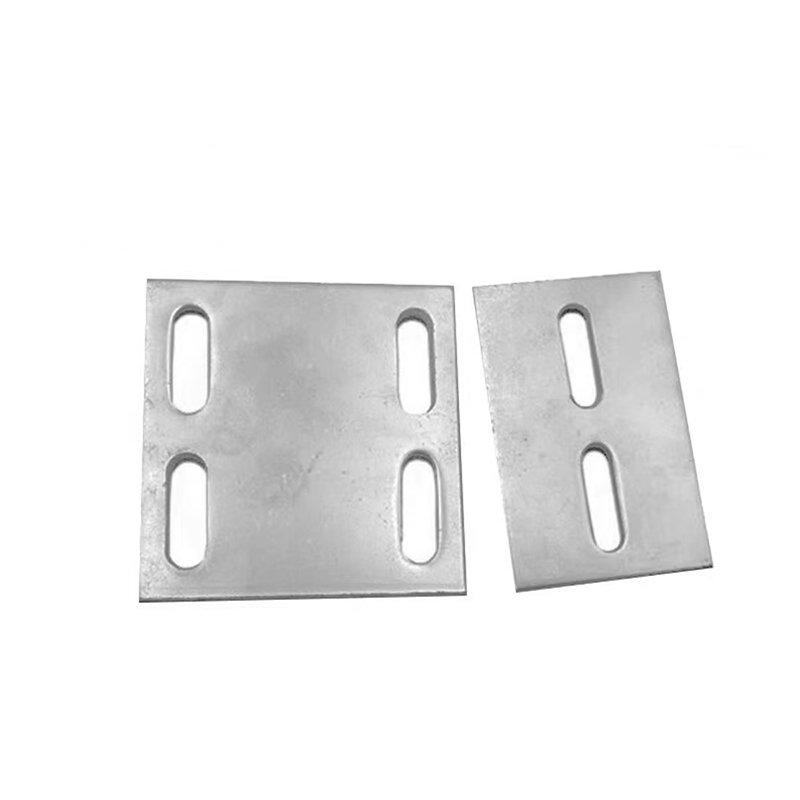
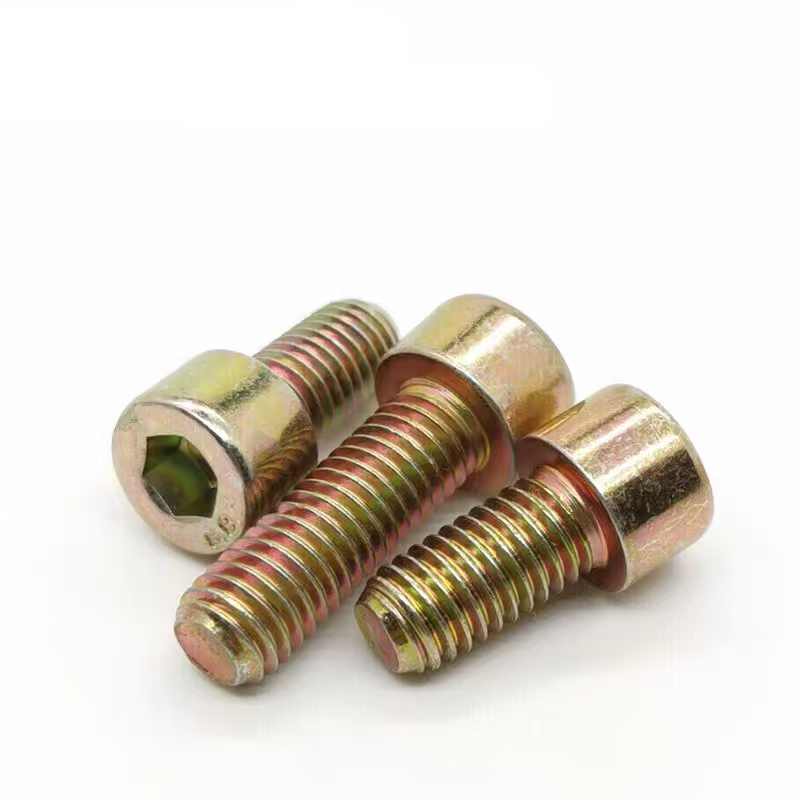
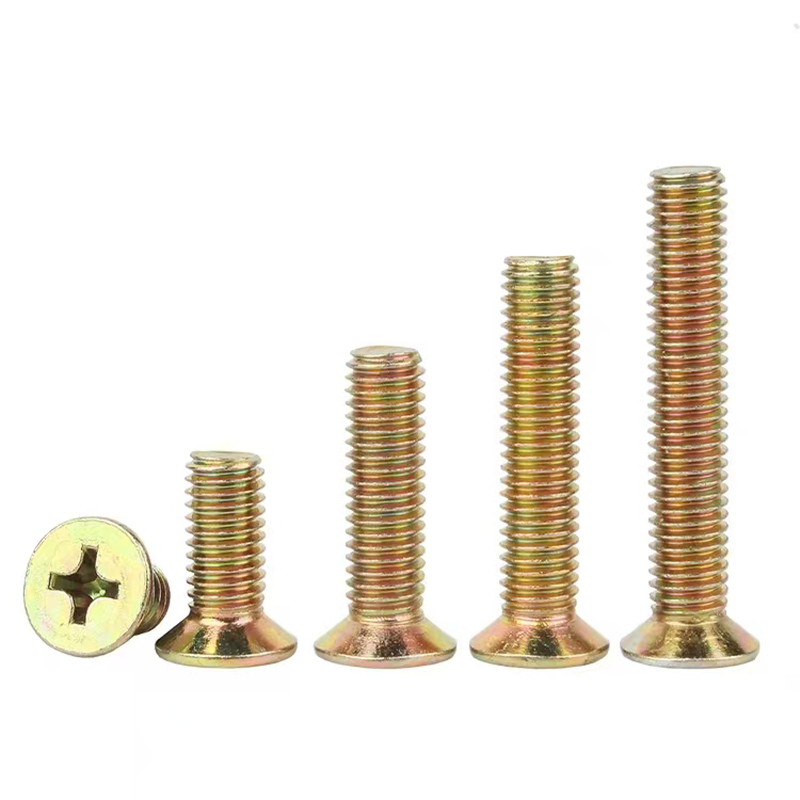
ในขอบเขตของรัด โดยเฉพาะอย่างยิ่งที่ผลิตโดยบริษัทเช่น Handan Zitai Fastener Manufacturing Co., Ltd.โดยแผ่นโบลต์ '4 u' ทำหน้าที่เป็นจุดยึด กระจายน้ำหนักและความเค้น ทุกๆ วัน โครงสร้างต้องอาศัยส่วนประกอบเหล่านี้เพื่อความแข็งแกร่งและความมั่นคง แต่นอกเหนือจากฟังก์ชันทางกลแล้ว วัสดุและกระบวนการผลิตยังช่วยลดผลกระทบต่อสิ่งแวดล้อมอีกด้วย
ความท้าทายอยู่ที่การสร้างสมดุลระหว่างความแข็งแกร่งกับแนวทางปฏิบัติที่เป็นมิตรต่อสิ่งแวดล้อม ตามหลักการแล้ว เพลตเหล่านี้ผลิตขึ้นด้วยวัสดุรีไซเคิล แต่การรับรองความสมบูรณ์ทางกลมักต้องใช้โลหะใหม่ที่ใช้ทรัพยากรมาก เป็นการประนีประนอมซึ่งผู้ผลิตมักดำเนินการอยู่ตลอดเวลา
จากนั้นก็มีประสิทธิภาพการผลิต Handan Zitai ซึ่งตั้งอยู่ในฐานการผลิตชิ้นส่วนมาตรฐานที่ใหญ่ที่สุดในประเทศจีน ได้รับประโยชน์จากการประหยัดต่อขนาด แต่ต้องเผชิญกับการตรวจสอบการใช้ทรัพยากรและการจัดการของเสียอย่างละเอียดถี่ถ้วน ซึ่งเป็นปัจจัยสำคัญในการประเมินความยั่งยืน
การเลือกใช้วัสดุและผลกระทบต่อสิ่งแวดล้อม
เหล็ก ซึ่งเป็นวัสดุหลักใน 'แผ่นสลักเกลียว 4 ตัว' สามารถรีไซเคิลได้ แต่ต้องใช้พลังงานจำนวนมากในการผลิต ถ่านหินและไฟฟ้าที่ใช้ในการถลุงและขึ้นรูปทำให้เกิดการปล่อยก๊าซเรือนกระจกที่ไม่สามารถละเลยได้ อย่างไรก็ตาม บริษัทต่างๆ กำลังสำรวจทางเลือกอื่น
วิศวกรได้ใช้ประโยชน์จากความก้าวหน้าทางโลหะวิทยาในการทดลองกับองค์ประกอบของโลหะผสมที่ให้ความแข็งแกร่งที่คล้ายคลึงกันโดยมีต้นทุนด้านสิ่งแวดล้อมที่ต่ำกว่า อยู่ในห้องปฏิบัติการเหล่านี้ซึ่งอนาคตของตัวยึดที่ยั่งยืนอาจถูกสร้างขึ้นมา—ไม่ใช่ในชั่วข้ามคืน แต่ค่อยๆ ผ่านการทดลองและการทำซ้ำ
แน่นอนว่าการเปลี่ยนแปลงจำเป็นต้องมีการลงทุน มีเพียงผู้ผลิตที่ยินดีจัดสรรทรัพยากรเพื่อการวิจัยที่ยั่งยืนเท่านั้นที่สามารถขับเคลื่อนเข็มได้อย่างแท้จริง แม้ว่า Handan Zitai อาจยังไม่ได้เป็นผู้นำในเรื่องนี้ทั่วโลก แต่ศักยภาพของนวัตกรรมในท้องถิ่นก็ยังเป็นที่ประจักษ์ชัด
การขนส่งและโลจิสติกส์: ดาบสองคม
ภูมิศาสตร์มีบทบาทสำคัญในความยั่งยืนของตัวยึด สถานที่ตั้งของ Handan Zitai ใกล้กับทางรถไฟปักกิ่ง-กวางโจวและทางหลวงสายหลักอำนวยความสะดวกในการกระจายสินค้าที่มีประสิทธิภาพ ซึ่งอาจช่วยลดการปล่อยก๊าซคาร์บอนไดออกไซด์ที่เกี่ยวข้องกับการขนส่ง 'แผ่นสลักเกลียว 4 u'
อย่างไรก็ตาม โลจิสติกส์เป็นมากกว่าแผนที่และเส้นทาง มันเกี่ยวกับการเพิ่มประสิทธิภาพโหลด ลดการเดินทาง และลดเวลาเดินเบา ที่นี่ บริษัทต่างๆ ลงทุนในซอฟต์แวร์ที่ซับซ้อน คล้ายกับการจัดเตรียมบัลเลต์เชิงกล ซึ่งการเคลื่อนไหวแต่ละครั้งจะส่งผลกระทบต่อผลกำไรและสิ่งแวดล้อม
เราไม่สามารถมองข้ามกระบวนการส่งคืนสินค้าได้เช่นกัน การรีไซเคิลและการกำจัดผลิตภัณฑ์ที่หมดอายุการใช้งานมักจะยังคงเป็นแนวคิดในภายหลัง แต่ก็มีบทบาทสำคัญในความยั่งยืนของวงจรชีวิตของส่วนประกอบโลหะเหล่านี้
นวัตกรรมและความท้าทาย
ความก้าวหน้าในเทคนิคการผลิต เช่น การพิมพ์ 3 มิติและระบบอัตโนมัติ ถือเป็นคำมั่นสัญญาสำหรับ 'เพลตโบลต์ 4 ตัว' เทคโนโลยีเหล่านี้สามารถปรับปรุงการผลิต ลดของเสีย และแม้แต่ปรับแต่งส่วนประกอบเพื่อประสิทธิภาพสูงสุด
แต่นวัตกรรมเหล่านี้ยังต้องเผชิญกับอุปสรรค นอกจากข้อจำกัดด้านเทคนิคแล้ว ยังมีปัจจัยด้านมนุษย์อีกด้วย: การฝึกอบรมพนักงานที่มีทักษะให้ปรับตัวเข้ากับเทคโนโลยีใหม่ ๆ และปรับแนวปฏิบัติแบบดั้งเดิมให้เข้ากับความต้องการสมัยใหม่
การลงทุนในการวิจัยและพัฒนาโดยบริษัทอย่าง Handan Zitai ถือเป็นสิ่งสำคัญ แม้ว่าการเปลี่ยนแปลงจะเป็นเรื่องที่น่ากังวล แต่ประโยชน์ของผลกระทบต่อสิ่งแวดล้อมที่ลดลงและประสิทธิภาพการดำเนินงานที่เพิ่มขึ้นสามารถกำหนดมาตรฐานอุตสาหกรรมใหม่ได้
บทสรุป: การเดินทางต่อเนื่องสู่ความยั่งยืน
เส้นทางสู่ความยั่งยืนในการผลิตอุปกรณ์ยึด โดยเฉพาะ "แผ่นสลักเกลียว 4 ตัว" นั้นเต็มไปด้วยความซับซ้อน Handan Zitai Fastener Manufacturing Co. ซึ่งมีที่ตั้งทางยุทธศาสตร์และกำลังการผลิต พร้อมที่จะสร้างความก้าวหน้าครั้งสำคัญในการเดินทางครั้งนี้
ความยั่งยืนไม่ใช่จุดหมายปลายทาง เป็นกระบวนการปรับแต่งและประเมินผลอย่างต่อเนื่อง นวัตกรรมเล็กๆ แต่ละอย่าง ตั้งแต่การจัดหาวัสดุไปจนถึงประสิทธิภาพการขนส่ง มีส่วนช่วยในการรักษาระบบนิเวศในวงกว้าง ผลสะสมของความพยายามเหล่านี้มีผลอย่างลึกซึ้ง โดยกระตุ้นให้ผู้เล่นในอุตสาหกรรมรายอื่นให้คำมั่นสัญญาที่คล้ายกัน ไม่ใช่แค่วันนี้ที่เป็นมิตรต่อสิ่งแวดล้อมมากขึ้น แต่เป็นวันพรุ่งนี้ที่ยั่งยืน