- English
- Chinese
- French
- German
- Portuguese
- Spanish
- Russian
- Japanese
- Korean
- Arabic
- Irish
- Greek
- Turkish
- Italian
- Danish
- Romanian
- Indonesian
- Czech
- Afrikaans
- Swedish
- Polish
- Basque
- Catalan
- Esperanto
- Hindi
- Lao
- Albanian
- Amharic
- Armenian
- Azerbaijani
- Belarusian
- Bengali
- Bosnian
- Bulgarian
- Cebuano
- Chichewa
- Corsican
- Croatian
- Dutch
- Estonian
- Filipino
- Finnish
- Frisian
- Galician
- Georgian
- Gujarati
- Haitian
- Hausa
- Hawaiian
- Hebrew
- Hmong
- Hungarian
- Icelandic
- Igbo
- Javanese
- Kannada
- Kazakh
- Khmer
- Kurdish
- Kyrgyz
- Latin
- Latvian
- Lithuanian
- Luxembou..
- Macedonian
- Malagasy
- Malay
- Malayalam
- Maltese
- Maori
- Marathi
- Mongolian
- Burmese
- Nepali
- Norwegian
- Pashto
- Persian
- Punjabi
- Serbian
- Sesotho
- Sinhala
- Slovak
- Slovenian
- Somali
- Samoan
- Scots Gaelic
- Shona
- Sindhi
- Sundanese
- Swahili
- Tajik
- Tamil
- Telugu
- Ukrainian
- Urdu
- Uzbek
- Vietnamese
- Welsh
- Xhosa
- Yiddish
- Yoruba
- Zulu
- Kinyarwanda
- Tatar
- Oriya
- Turkmen
- Uyghur

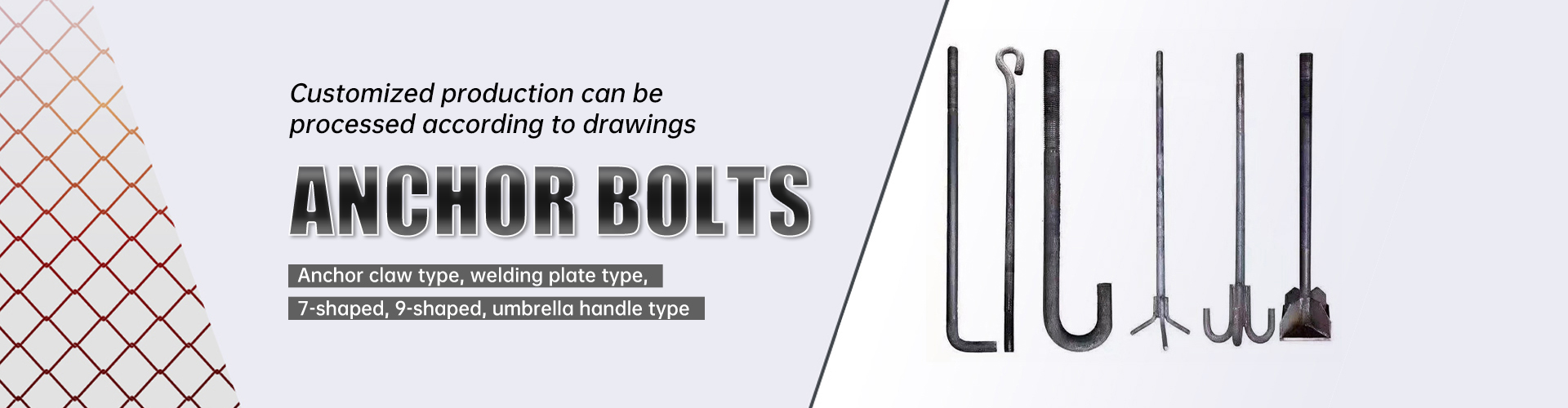
พุกขยายแบบต่างๆ มีประโยชน์อย่างไร?
27-10-2025
พุกขยาย—มักเป็นส่วนประกอบที่ประเมินค่าต่ำเกินไปในการก่อสร้าง คุณอาจคิดว่าเหมือนกันทั้งหมด แต่พุกเหล่านี้ให้บริการตามวัตถุประสงค์เฉพาะที่สำคัญต่อโครงสร้างและความมั่นคง ความเข้าใจผิดในการใช้งานสามารถนำไปสู่การติดตั้งที่ไม่มีประสิทธิภาพหรือแม้แต่การติดตั้งที่ไม่ปลอดภัย ซึ่งฉันได้เรียนรู้โดยตรงในโครงการต่างๆ เรามาเจาะลึกการใช้งานและการใช้งานที่หลากหลายกัน
ทำความเข้าใจกับจุดยึดส่วนขยาย
อันดับแรก จำเป็นต้องชี้แจงให้ชัดเจนว่าอะไรคือสิ่งหนึ่ง สมอขยายตัว จริงๆแล้วทำ ตามชื่อที่แนะนำ พุกเหล่านี้จะขยายตัวเมื่อติดตั้ง โดยยึดไว้ภายในวัสดุฐาน โดยปกติจะเป็นคอนกรีต อิฐ หรือหิน กลไกการขยายนี้ทำให้เชื่อถือได้สำหรับการใช้งานที่หลากหลาย แต่การใช้ผิดประเภทอาจเป็นปัญหาได้
ฉันมักจะเห็นผู้รับเหมาที่เพิ่งเริ่มใช้งานจริง ดูถูกดูแคลนความสำคัญของการเลือกพุกที่ถูกต้อง ตัวอย่างเช่น การใช้พุกสำหรับงานเบาสำหรับงานหนักอาจส่งผลร้ายแรงได้ ความผิดพลาดนี้ไม่ใช่แค่เรื่องสมมุติเท่านั้น ฉันได้เห็นโครงการที่การใช้งานที่ไม่เหมาะสมนำไปสู่ความล้มเหลว โดยเน้นว่าเหตุใดความเชี่ยวชาญในด้านนี้จึงไม่สามารถต่อรองได้
ประเภทพื้นฐาน ได้แก่ พุกปลอก พุกลิ่ม และพุกแบบหล่น แต่ละชนิดมีความแข็งแกร่งและเงื่อนไขเฉพาะเพื่อการใช้งานที่เหมาะสมที่สุด บริบทของโครงการ ตั้งแต่สภาพแวดล้อมไปจนถึงวัสดุเฉพาะ จำเป็นต้องเลือกอย่างระมัดระวัง
พุกปลอก: อเนกประสงค์และเชื่อถือได้
พุกแบบปลอกคือสิ่งที่คนส่วนใหญ่อาจพิจารณาเมื่อนึกถึงพุก "ใช้งานทั่วไป" พวกเขาส่องแสงในงานที่มีแสงปานกลาง ตัวอย่างคลาสสิก: ติดราวจับกับผนังคอนกรีต ความสามารถในการปรับตัวบางครั้งอาจนำไปสู่การพึ่งพามากเกินไป ซึ่งเป็นกับดักที่แม้แต่มืออาชีพผู้ช่ำชองก็ตกไป อย่างไรก็ตาม การเข้าใจข้อจำกัดของพวกเขาก็มีความสำคัญไม่แพ้กัน
ครั้งหนึ่ง ย้อนกลับไปในโครงการหน่วยจัดเก็บข้อมูลขนาดใหญ่ เพื่อนร่วมงานคนหนึ่งตัดสินใจใช้พุกปลอกสำหรับอุปกรณ์ที่หนักกว่า ขณะที่เราตรวจสอบข้อมูลจำเพาะ เห็นได้ชัดว่าจำเป็นต้องมีการแลกเปลี่ยน เนื่องจากโหลดมีความต้องการมากเกินไป การตระหนักรู้ดังกล่าวเน้นย้ำถึงคุณค่าของการทราบขีดจำกัดการปฏิบัติงานของเครื่องมือของคุณ
พุกปลอกนั้นใช้งานได้อเนกประสงค์ แต่มีความต้านทานแรงเฉือนและแรงดึงที่เฉพาะเจาะจง สำหรับบางคน นี่อาจเพียงพอแล้ว แต่การทำความเข้าใจตัวชี้วัดเหล่านี้ช่วยให้มั่นใจได้ถึงอายุยืนยาวและความปลอดภัยของโครงการก่อสร้าง
Wedge Anchors: ฮีโร่สำหรับงานหนัก
สำหรับงานที่ต้องการมากขึ้นจากจุดยึดของคุณ จุดยึดลิ่ม เป็นสิ่งล้ำค่า เป็นตัวยกของหนักซึ่งมักพบในงานโครงสร้าง ด้ามจับที่แน่นหนาในคอนกรีตแข็งสามารถต้านทานแรงได้ดีกว่าปลอกแบบเดียวกัน
เจาะลึกกรณีการใช้งานจริง: ในระหว่างโครงการล่าสุด เรากำลังติดตั้งเครื่องจักรอุตสาหกรรม น้ำหนักของเครื่องจักรจำเป็นต้องมีวิธีแก้ปัญหาที่แข็งแกร่ง ดังนั้นพุกแบบลิ่มจึงเป็นตัวเลือกที่ชัดเจน พวกเขาให้การสนับสนุนที่จำเป็นในการจัดการกับแรงสั่นสะเทือนและแรงกดดันในการโหลด ซึ่งพิสูจน์ความสามารถได้อย่างไม่ต้องสงสัย
ที่กล่าวว่าเราต้องพิจารณาขั้นตอนการติดตั้งด้วย พุกลิ่มจำเป็นต้องมีการเจาะที่แม่นยำเพื่อรองรับกลไกการขยายที่เป็นเอกลักษณ์ ซึ่งเป็นสิ่งที่มักทำให้ผู้มาใหม่เกิดไม่ทันระวัง ความชำนาญมาพร้อมกับการฝึกปฏิบัติเทคนิคการติดตั้งที่ใช้ประโยชน์จากการออกแบบพุกเหล่านี้
พุกแบบดรอปอิน: ผู้เชี่ยวชาญด้านคอนกรีต
ในปัจจุบัน พุกแบบดรอปอินมีขอบเขตที่ค่อนข้างเฉพาะเจาะจง และโดยทั่วไปจะใช้ในการติดตั้งคอนกรีตแข็ง ต่างจากแบบอื่นตรงที่ต้องใช้รูที่เจาะไว้ล่วงหน้าเพื่อยึดตัวพุก แล้วตามด้วยการขยายโดยใช้เครื่องมือติดตั้ง แม้ว่าจะมีความซับซ้อนมากกว่าในประเภทพุก แต่ก็ให้ความเสถียรที่เหนือกว่าสำหรับการยึดติดเหนือศีรษะ
ในกรณีหนึ่ง การตั้งค่าตารางเพดานแบบแขวนจำเป็นต้องมีการรองรับเฉพาะพุกแบบดรอปอินเท่านั้นที่สามารถให้ได้ ความพอดีที่ปลอดภัยทำให้โครงสร้างยังคงมีเสถียรภาพ แม้ว่าจะต้องเผชิญกับความเครียดแบบไดนามิกก็ตาม เป็นบทบาทที่ผู้ยึดเหนี่ยวรายอื่นสามารถเติมเต็มได้อย่างมีประสิทธิภาพ
ความท้าทายหลักอยู่ที่ความแม่นยำในการติดตั้ง การวางแนวที่ไม่ถูกต้องหรือการตั้งค่าที่ไม่ถูกต้องอาจหมายถึงการทำซ้ำทั้งหมด ซึ่งทีมงานโครงการก่อนหน้านี้ได้เรียนรู้อย่างเจ็บปวด เมื่อการติดตั้งที่ไม่เหมาะสมทำให้เกิดความไม่เสถียร ข้อผิดพลาดอาจมีค่าใช้จ่ายสูง แต่จะทำให้ทักษะและความเข้าใจดีขึ้น
การเลือกสมอที่เหมาะสม
การเลือก สมอขยายตัว ไม่ใช่แค่การตัดสินใจทางเทคนิค แต่เป็นการผสมผสานระหว่างความเข้าใจทางเทคนิคและบริบท ผู้รับเหมาที่มีประสบการณ์เคยบอกฉันว่า: จุดยึดเป็นกระดูกสันหลังอันเงียบงันของโครงสร้าง สิ่งนี้ดังขึ้นจริงโดยเฉพาะอย่างยิ่งเมื่อมีเดิมพันสูง
ในการเยี่ยมชมสถานที่ก่อสร้างหลายครั้ง บริษัทต่างๆ เช่น Handan Zitai Fastener Manufacturing Co., Ltd. ได้แสดงความรู้เชิงลึกอย่างชัดเจน โดยเฉพาะอย่างยิ่งเมื่อพิจารณาจากความสามารถในการผลิตที่แข็งแกร่ง เนื่องจากตั้งอยู่ใกล้เส้นทางคมนาคมที่สำคัญอย่างมีกลยุทธ์ ผลิตภัณฑ์ที่หลากหลายจึงสะท้อนถึงประสบการณ์เชิงลึกในภาคสนาม
ท้ายที่สุดแล้ว การเลือกพุกเกี่ยวข้องกับการประเมินข้อมูลจำเพาะของโครงการ สภาพแวดล้อม และข้อกำหนดในการโหลดอย่างขยันขันแข็ง มีส่วนร่วมกับผู้เชี่ยวชาญในท้องถิ่น ใช้ทรัพยากรจากซัพพลายเออร์ที่มีชื่อเสียงเช่นเดียวกับที่มีอยู่ใน Handan Zitai Fastener Manufacturing Co., Ltd.และอย่าอายที่จะถามผู้เชี่ยวชาญที่มีประสบการณ์ เป็นประสบการณ์การเรียนรู้อย่างต่อเนื่อง วิธีที่ดีที่สุดคือการฝึกฝนและความอดทน