
- English
- Chinese
- French
- German
- Portuguese
- Spanish
- Russian
- Japanese
- Korean
- Arabic
- Irish
- Greek
- Turkish
- Italian
- Danish
- Romanian
- Indonesian
- Czech
- Afrikaans
- Swedish
- Polish
- Basque
- Catalan
- Esperanto
- Hindi
- Lao
- Albanian
- Amharic
- Armenian
- Azerbaijani
- Belarusian
- Bengali
- Bosnian
- Bulgarian
- Cebuano
- Chichewa
- Corsican
- Croatian
- Dutch
- Estonian
- Filipino
- Finnish
- Frisian
- Galician
- Georgian
- Gujarati
- Haitian
- Hausa
- Hawaiian
- Hebrew
- Hmong
- Hungarian
- Icelandic
- Igbo
- Javanese
- Kannada
- Kazakh
- Khmer
- Kurdish
- Kyrgyz
- Latin
- Latvian
- Lithuanian
- Luxembou..
- Macedonian
- Malagasy
- Malay
- Malayalam
- Maltese
- Maori
- Marathi
- Mongolian
- Burmese
- Nepali
- Norwegian
- Pashto
- Persian
- Punjabi
- Serbian
- Sesotho
- Sinhala
- Slovak
- Slovenian
- Somali
- Samoan
- Scots Gaelic
- Shona
- Sindhi
- Sundanese
- Swahili
- Tajik
- Tamil
- Telugu
- Thai
- Ukrainian
- Urdu
- Vietnamese
- Welsh
- Xhosa
- Yiddish
- Yoruba
- Zulu
- Kinyarwanda
- Tatar
- Oriya
- Turkmen
- Uyghur


Bolt va T nut innovatsiyalari barqarorlikka qanday ta'sir qiladi?
2025-10-05
Sanoat barqarorligi haqida gap ketganda, roli murvatlar va T yong'oqlari ko'pincha e'tibordan chetda qoladi. Biroq, ushbu mahkamlagichlarning dizayni va moddiy tarkibidagi so'nggi yutuqlar bilan sanoat ularning yanada barqaror kelajakka hissa qo'shish imkoniyatlarini ko'ra boshladi. Bu faqat raqamlar haqida emas - bu tarkibiy qismlarni tuzilmalarda, mashinalarda va undan tashqarida qanday qabul qilishimiz va amalga oshirishimiz o'zgarishi haqida.
Boltlar va T yong'oqlari asoslarini tushunish
Asosiysi, murvat shunchaki oddiy metall bo'lagi emas. Bu muhandislik aniqligi va innovatsiya ramziga aylandi. Yillar davomida men an'anaviy dizaynlardan yanada ilg'or geometriyalarga o'tish unumdorlikni qanday oshirganini ko'rganman. Misol uchun, Xebey provinsiyasida joylashgan Handan Zitai Fastener Manufacturing Co., Ltd. kabi ishlab chiqaruvchilar mustahkamligi va moslashuvchanligi mustahkamlangan mahkamlagichlar ishlab chiqarishda birinchi o'rinda turadi.
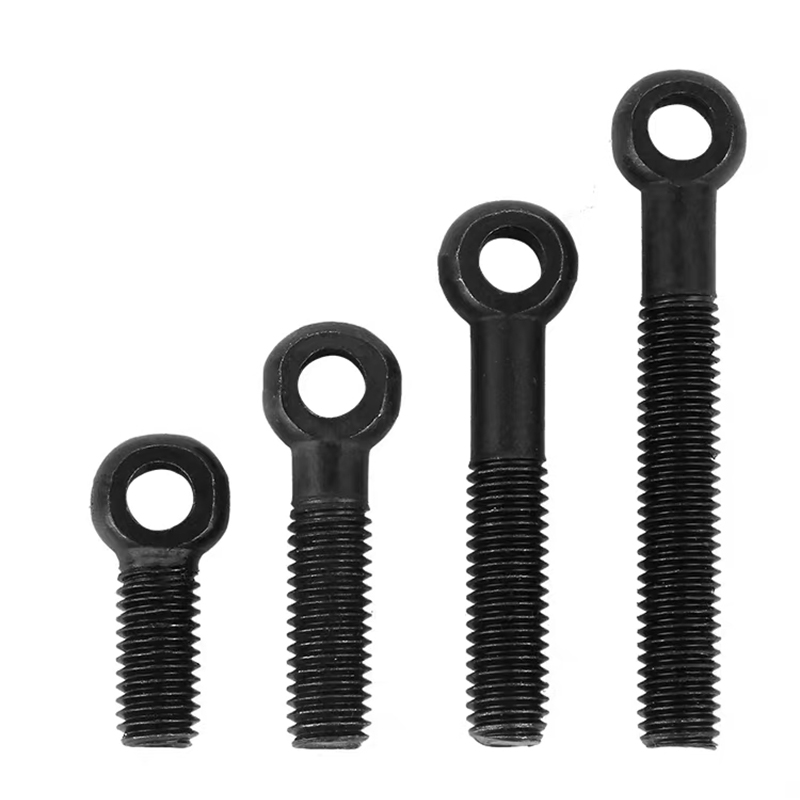
ning ko'p qirraliligi T yong'oqlari ayniqsa, an'anaviy usullar uni kesib o'tmagan loyiha davomida meni hayratda qoldirdi. Ularning stressni sirt maydoni bo'ylab taqsimlash qobiliyati, material tarkibini yaxshilash bilan birga, eskirish va eskirishni kamaytiradi. Ushbu kichik komponentlar kattaroq tuzilmalarning ishlash muddatini uzaytirishi va shu bilan moddiy chiqindilar va iste'molni kamaytirishi hayratlanarli.
Albatta, har bir yangilik birinchi urinishda ishlamaydi. Men yangi dizaynlar ko'p narsani va'da qilgan, ammo kamroq etkazib beradigan stsenariylarga duch keldim. Bu erda haqiqiy hayotda qo'llash va doimiy iteratsiya muhim ahamiyatga ega.
Murakkab materiallarning ekologik foydalari
Bu shunchaki kuchli murvat yasash haqida emas; bu kuch va barqarorlikni ta'minlovchi materiallarni tanlash haqida. Atrof-muhitga ta'siri kamroq bo'lgan materiallarga nisbatan sezilarli siljish bor. Men qayta ishlangan po'lat murvatlardan foydalangan holda barqaror qurilish loyihasini o'z ichiga olgan hamkorlikdagi sa'y-harakatlarni eslayman. Loyiha butunlikni yo'qotmasdan uglerod izi kamayganini ko'rsatdi.
Kompozit materiallardan foydalanish mahkamlagichlar yana bir arziydi. Ushbu kompozitsiyalar ko'pincha qayta ishlangan tarkibni o'z ichiga oladi va zarur mexanik xususiyatlarni saqlab qolishga muvaffaq bo'ladi. Handan Zitaining strategik joylashuvi, transport markazlariga yaqinligi, bunday innovatsion mahsulotlarni turli bozorlarda osongina olish imkonini beradi.
Biroq, ishlashni ekologik muammolar bilan muvozanatlash juda qiyin. Qayta ishlangan materiallarni mustahkamlik va ishonchlilik uchun sinovdan o'tkazish juda muhim va buni qilmaslik barqaror foydani inkor etadigan muvaffaqiyatsizlikka olib kelishi mumkin.
Dizayn innovatsiyalari va ularning oqibatlari
Dizayn ham hal qiluvchi rol o'ynaydi. Boltlarni tishlash va bosh dizaynidagi innovatsiyalar o'rnatish vaqtida energiya samaradorligini oshirishga olib kelishi mumkin. Bolt minimal harakat bilan to'liq mos keladigan vaqt va resurslarning qisqarishini o'ylab ko'ring.
O'sishning alohida yo'nalishlaridan biri bu komponentlarni ishlab chiqarishda 3D bosib chiqarishdir. Uning dastlabki eksperimental bosqichlarida qatnashganimdan so'ng, men buyurtma qilingan dizaynlarni tezda takrorlash va talab bo'yicha ishlab chiqarish, ortiqcha narsalarni qisqartirish va zamonaviy barqarorlik maqsadlariga mos kelishi mumkinligini ko'rdim.
Ammo innovatsiyalar bilan birga, ushbu dizaynlarning haqiqiy dunyo sharoitida ham turishini ta'minlash uchun qattiq sinovdan o'tish zarurati tug'iladi. Bu xavfsizlik va ishonchlilik standartlarini saqlab qolgan holda chegaralarni bosib o'tishning muvozanatidir.
Mahkamlagich ishlab chiqaruvchilarning roli
Handan Zitai Fastener Manufacturing Co., Ltd kabi ishlab chiqaruvchilar ushbu innovatsiyalarni amalga oshirishda hal qiluvchi ahamiyatga ega. Ularning Xitoydagi eng yirik standart qismlar ishlab chiqarish bazasi sifatidagi strategik mavqei ular nafaqat ichki bozorlarga ta'sir ko'rsatishi, balki xalqaro miqyosda ham tendentsiyalarni belgilashi mumkinligini anglatadi. Ular o'zlarining geografik joylashuvi va ilg'or jihozlarining afzalliklari bilan barqaror amaliyotlarni samarali amalga oshirishlari va kengaytirishlari mumkin.
Biz ushbu ishlab chiqaruvchilar ishlab chiqarish jarayonida chiqindilarni kamaytirish va energiya sarfini optimallashtirish kabi yashil jarayonlarni qo'llayotganini ko'rmoqdamiz. Bu mahkamlagichlar ishlab chiqarishning tez-tez ko'rinmaydigan jihati bo'lib, barqarorlikni ta'minlashga qaratilgan sa'y-harakatlarda katta farq qilishi mumkin.
Shunga qaramay, har doim yaxshilanish uchun joy bor. Yangi barqaror yo'llarni o'rganish uchun muhandislar va dizaynerlar bilan doimiy hamkorlik zarur.
Qiyinchiliklar va kelajak istiqbollari
Bunday o'tishlar bilan birga keladigan qiyinchiliklarni e'tiborsiz qoldirib bo'lmaydi. Yangi materiallar va texnologiyalarning narxi ko'pincha to'siq bo'ladi. Va shunga qaramay, global tendentsiyalar yashil amaliyotga o'tayotgani sababli, barqaror mahsulotlarga talab ortib bormoqda.
Mening sohadagi tengdoshlarim bilan suhbatlarim ko'pincha bir narsaga qaytadi: ta'lim va xabardorlikka bo'lgan ehtiyoj. Ishlab chiqaruvchilar, muhandislar va xaridorlar ushbu yangiliklarning afzalliklari va amaliyligi haqida bir xil sahifada bo'lishlari kerak.
Bizning tushunchamiz va texnologiyamiz rivojlanib borar ekan, imkoniyatlar ham oshadi barqaror mahkamlagichlar. Bu davom etayotgan sayohat nafaqat texnologik taraqqiyotni, balki butun dunyo bo'ylab fikrlash tarzini o'zgartirishni ham talab qiladi.
Iltimos, bizga xabar qoldiring
-


-
-


WeChat
