
- English
- Chinese
- French
- German
- Portuguese
- Spanish
- Russian
- Japanese
- Korean
- Arabic
- Irish
- Greek
- Turkish
- Italian
- Danish
- Romanian
- Indonesian
- Czech
- Afrikaans
- Swedish
- Polish
- Catalan
- Esperanto
- Hindi
- Lao
- Albanian
- Amharic
- Armenian
- Azerbaijani
- Belarusian
- Bengali
- Bosnian
- Bulgarian
- Cebuano
- Chichewa
- Corsican
- Croatian
- Dutch
- Estonian
- Filipino
- Finnish
- Frisian
- Galician
- Georgian
- Gujarati
- Haitian
- Hausa
- Hawaiian
- Hebrew
- Hmong
- Hungarian
- Icelandic
- Igbo
- Javanese
- Kannada
- Kazakh
- Khmer
- Kurdish
- Kyrgyz
- Latin
- Latvian
- Lithuanian
- Luxembou..
- Macedonian
- Malagasy
- Malay
- Malayalam
- Maltese
- Maori
- Marathi
- Mongolian
- Burmese
- Nepali
- Norwegian
- Pashto
- Persian
- Punjabi
- Serbian
- Sesotho
- Sinhala
- Slovak
- Slovenian
- Somali
- Samoan
- Scots Gaelic
- Shona
- Sindhi
- Sundanese
- Swahili
- Tajik
- Tamil
- Telugu
- Thai
- Ukrainian
- Urdu
- Uzbek
- Vietnamese
- Welsh
- Xhosa
- Yiddish
- Yoruba
- Zulu
- Kinyarwanda
- Tatar
- Oriya
- Turkmen
- Uyghur

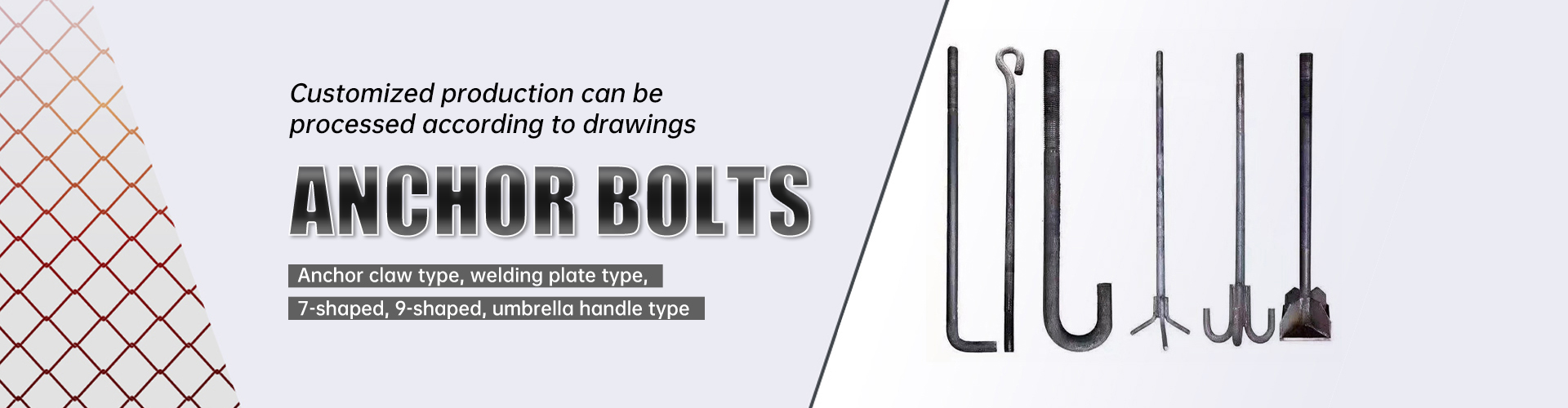
10.9 Grade Counterhead Hexagon Socket Head Cap Screws 2026 Price – Factory Direct
2026-04-13
- What Are 10.9 Grade Counterhead Hexagon Socket Head Cap Screws?
- 2026 Price Trends and Factory Direct Cost Analysis
- Technical Specifications and Material Composition
- Comparison: 10.9 Grade vs. 8.8 Grade and Stainless Steel
- Applications and Industry Use Cases
- Installation Guidelines and Best Practices
- Quality Control and Certification Standards
- Frequently Asked Questions (FAQ)
- Conclusion and Strategic Sourcing Advice
Looking for reliable 10.9 grade counterhead hexagon socket head cap screws with transparent 2026 factory-direct pricing? These high-tensile fasteners are engineered for critical structural applications where shear strength and fatigue resistance are paramount. Unlike standard flat-head variants, the counterhead design offers a flush finish while maintaining the robust load-bearing capacity of Grade 10.9 steel. This guide details current market trends, technical specifications, and direct manufacturing insights to help procurement managers secure optimal value without compromising on safety or quality standards.
What Are 10.9 Grade Counterhead Hexagon Socket Head Cap Screws?
Terminoa 10.9 grade counterhead hexagon socket head cap screws refers to a specific class of high-strength fasteners defined by international standards such as ISO 10642 and DIN 7991. The “10.9” designation indicates the material’s mechanical properties: a minimum tensile strength of 1000 MPa and a yield strength ratio of 0.9, resulting in a yield point of 900 MPa. This makes them significantly stronger than Class 8.8 fasteners commonly used in general machinery.
The “counterhead” feature distinguishes these screws from traditional button or pan heads. It provides a conical bearing surface that sits flush with or slightly below the material surface when installed in a countersunk hole. This aerodynamic and aesthetic profile is crucial in automotive, aerospace, and precision equipment where protruding hardware is unacceptable. The hexagon socket drive allows for high torque application during installation without stripping, ensuring consistent clamping force.
In the context of 2026 market expectations, manufacturers are increasingly utilizing advanced heat treatment processes like induction hardening to ensure uniform core hardness. This evolution addresses historical issues with hydrogen embrittlement, a common failure mode in high-strength steels. Understanding these technical nuances is vital for engineers specifying components for dynamic load environments.
Key Mechanical Properties and Standards
To qualify as a genuine 10.9 grade component, the screw must undergo rigorous testing. The core hardness typically ranges between 32 and 39 HRC, while the surface hardness must not exceed 390 HV to prevent brittleness. Compliance with ISO 898-1 is non-negotiable for international trade. Manufacturers often provide mill test certificates (MTC) verifying chemical composition, including controlled levels of carbon, manganese, and boron to enhance hardenability.
The geometry of the counterhead is equally critical. The head angle is strictly maintained at 90 degrees to match standard countersink tools. Deviations here can lead to improper seating, causing stress concentrations that may initiate cracks under cyclic loading. High-quality factories utilize cold forging techniques to maintain grain flow continuity around the head and thread roots, significantly improving fatigue life compared to machined alternatives.
2026 Price Trends and Factory Direct Cost Analysis
Forecasting the price landscape for 10.9 grade counterhead hexagon socket head cap screws in 2026 requires analyzing raw material volatility, energy costs, and supply chain dynamics. As global demand for heavy machinery and renewable energy infrastructure grows, the pressure on high-grade alloy steel supplies intensifies. Factory-direct purchasing remains the most effective strategy to mitigate markup layers imposed by distributors.
Current projections suggest a moderate upward trend in base prices, driven primarily by the cost of specialized alloying elements like chromium and molybdenum. However, advancements in manufacturing automation are offsetting some labor costs. Buyers focusing on bulk orders directly from certified mills can lock in rates that are 15-20% lower than spot market prices. Long-term contracts are becoming increasingly popular to hedge against quarterly fluctuations.
It is essential to distinguish between “sticker price” and “total cost of ownership.” A cheaper screw that fails prematurely due to poor heat treatment can cause catastrophic equipment downtime. Therefore, the 2026 pricing model increasingly values traceability and certification over rock-bottom unit costs. Factories offering full digital traceability from melt to finish are commanding a premium, which is justified by reduced liability risks.
Factors Influencing Manufacturing Costs
Several variables dictate the final ex-works price of these fasteners. Raw material acquisition accounts for approximately 60% of the total cost. The shift towards low-carbon steel production methods, mandated by new environmental regulations in major manufacturing hubs, adds a slight surcharge but ensures future compliance. Energy consumption during the quenching and tempering phases is another significant factor, with facilities utilizing renewable energy sources offering more stable pricing structures.
Surface treatment options also impact the bottom line. While plain black oxide is standard, many 2026 applications require zinc-nickel plating or geometrically sealed coatings for superior corrosion resistance in marine or chemical environments. These specialized finishes add processing time and material costs but extend service life exponentially. Buyers should clearly specify environmental requirements early in the quoting process to avoid unexpected change orders.
Technical Specifications and Material Composition
The integrity of 10.9 grade counterhead hexagon socket head cap screws relies heavily on precise chemical composition and thermal processing. The base material is typically medium carbon alloy steel, often designated as SCM435 or equivalent grades in various national standards. This alloy system provides the necessary balance between toughness and hardenability required to achieve the 10.9 mechanical class.
Heat treatment is the defining stage of production. The screws are austenitized, quenched in oil or polymer solutions, and then tempered to relieve internal stresses. This process creates a tempered martensite microstructure. Improper tempering can lead to retained austenite or excessive brittleness. Leading factories employ continuous mesh belt furnaces with atmosphere control to prevent decarburization of the surface, which would otherwise act as a nucleation site for fatigue cracks.
Thread rolling is performed after heat treatment for sizes up to M16 in many high-end facilities, although pre-heat treatment rolling is common for larger diameters to prevent tool wear. Post-roll heat treatment ensures the threads possess the same core strength as the shank. The tolerance class is usually 6g for external threads, ensuring a smooth fit with standard nuts while maintaining sufficient engagement strength.
Dimensional Tolerances and Geometry
Adherence to dimensional standards is critical for interchangeability and performance. The counterhead height and diameter are tightly controlled to ensure proper clearance in assembly jigs. The socket depth and wall thickness are designed to withstand maximum installation torque without deformation. Undersized sockets are a common defect in low-quality batches, leading to stripped drives and installation failures.
Undercut features beneath the head are often incorporated to reduce stress concentration at the transition zone between the shank and the head. This geometric optimization is particularly beneficial for dynamic loading scenarios found in engine components and suspension systems. Precision grinding of the bearing surface ensures uniform load distribution across the joint interface, preventing localized yielding of the clamped material.
Comparison: 10.9 Grade vs. 8.8 Grade and Stainless Steel
Selecting the right fastener involves balancing strength, corrosion resistance, and cost. While 10.9 grade counterhead hexagon socket head cap screws offer superior tensile strength, they are not always the optimal choice for every environment. Understanding the trade-offs between carbon alloy steels and stainless alternatives is crucial for engineering decisions.
Class 8.8 fasteners are made from medium carbon steel and are suitable for general structural applications where extreme loads are not present. They are more ductile and less prone to sudden brittle fracture but cannot sustain the same clamping forces as 10.9 grade. Conversely, stainless steel fasteners (A2/A4) offer excellent corrosion resistance but generally lack the tensile strength of heat-treated alloy steels, with typical equivalents reaching only up to Class 8.8 or lower.
The following table outlines the key differences to assist in selection:
| Feature | 10.9 Grade Alloy Steel | 8.8 Grade Carbon Steel | A4 Stainless Steel |
|---|---|---|---|
| Tensile Strength | ≥ 1000 MPa | ≥ 800 MPa | ~ 700-800 MPa |
| Yield Strength | ≥ 900 MPa | ≥ 640 MPa | ~ 450-600 MPa |
| Korrosioarekiko erresistentzia | Low (requires coating) | Low (requires coating) | High (inherent) |
| Magnetic Properties | Magnetic | Magnetic | Non-magnetic (mostly) |
| Cost Factor | Moderate to High | Low | High |
| Best Application | High stress, dynamic loads | General construction | Marine, chemical, food |
This comparison highlights that while stainless steel excels in corrosive environments, it cannot replace 10.9 grade screws in high-load structural joints without significant size increases, which may not be feasible in compact designs. For applications requiring both high strength and corrosion resistance, plated 10.9 grade screws with thick zinc-flake coatings are often the preferred industrial solution.
Applications and Industry Use Cases
Aldakortasuna 10.9 grade counterhead hexagon socket head cap screws makes them indispensable across multiple heavy industries. Their ability to maintain clamp load under vibration and thermal cycling renders them ideal for critical assemblies where failure is not an option. The flush mounting capability of the counterhead design further expands their utility in aerodynamic and space-constrained applications.
In the automotive sector, these fasteners are extensively used in engine blocks, transmission housings, and suspension components. The high strength-to-weight ratio allows designers to use fewer or smaller fasteners, contributing to overall vehicle weight reduction and fuel efficiency. The counterhead profile minimizes air drag and prevents interference with moving parts within tight engine bays.
The renewable energy industry, particularly wind turbine manufacturing, relies heavily on 10.9 grade fasteners for blade pitch mechanisms and gearbox assemblies. These components face extreme cyclic loading and varying environmental conditions. The fatigue resistance of properly manufactured 10.9 screws ensures the long-term structural integrity of turbines, reducing maintenance intervals and operational costs.
Specialized Engineering Environments
Beyond automotive and energy, these screws find critical roles in railway infrastructure and heavy construction machinery. In rail applications, they secure bogie frames and coupling systems where shock loads are frequent. The reliability of the joint directly impacts passenger safety. Similarly, in hydraulic excavators and cranes, 10.9 grade fasteners hold together boom sections and arm linkages subjected to massive bending moments.
Precision robotics and automation equipment also benefit from the clean lines provided by counterhead screws. The absence of protruding heads reduces the risk of snagging cables or interfering with sensor arrays. Furthermore, the high torque capacity of the hex socket drive allows for automated assembly lines to tighten joints to precise specifications without slippage, ensuring consistent product quality.
Installation Guidelines and Best Practices
Proper installation is just as critical as the quality of the 10.9 grade counterhead hexagon socket head cap screws themselves. Incorrect tightening procedures can negate the benefits of high-grade materials, leading to joint failure, thread stripping, or bolt fracture. Adhering to established torque protocols and lubrication guidelines is essential for achieving the desired clamp load.
The first step involves inspecting the threads and bearing surfaces for damage or debris. Any contamination can alter the friction coefficient, resulting in inaccurate preload. It is recommended to use calibrated torque wrenches and follow the manufacturer’s specified torque values, which are calculated based on the screw’s diameter, pitch, and friction class. Over-tightening is a common error that can stretch the bolt beyond its yield point, causing permanent deformation.
Lubrication plays a pivotal role in torque-tension relationships. Dry threads exhibit higher friction, requiring higher torque to achieve the same tension as lubricated threads. However, excessive lubrication can lead to hydraulic locking or overtightening. Using a consistent, approved lubricant ensures predictable performance. For critical applications, the angle-of-turn method or direct tension indication may be employed to verify preload accuracy.
Step-by-Step Installation Procedure
- Preparation: Clean the threaded hole and the screw threads thoroughly. Inspect the countersink seat for burrs or irregularities that could prevent flush seating.
- Lubrication: Apply a thin, uniform layer of approved assembly lubricant to the threads and the underside of the head.
- Hand Tightening: Insert the screw and hand-tighten to ensure proper thread engagement and alignment before applying torque.
- Initial Torque: Apply an initial torque of approximately 30-50% of the final value to seat the screw firmly against the bearing surface.
- Final Torque: Gradually increase torque to the specified final value in a star pattern if multiple screws are used, ensuring even load distribution across the joint.
- Verification: For critical joints, perform a verification check using a marked torque wrench or ultrasonic measurement to confirm achieved preload.
Following these steps minimizes the risk of galling, especially when installing into softer materials or when using coated screws. Regular calibration of installation tools is also mandatory to maintain process control and ensure compliance with quality assurance standards.
Quality Control and Certification Standards
In the realm of high-strength fasteners, trust is built on verifiable data. Reputable manufacturers of 10.9 grade counterhead hexagon socket head cap screws adhere to strict quality control regimes aligned with ISO 9001 and specific product standards like ISO 898. Each production batch undergoes comprehensive testing to validate mechanical properties and dimensional accuracy.
Routine tests include tensile strength verification, hardness profiling, and wedge tension tests to ensure the head does not separate from the shank under load. Metallographic analysis is conducted to examine the microstructure, confirming proper heat treatment and the absence of defects like decarburization or non-metallic inclusions. Salt spray testing is performed on coated variants to certify corrosion resistance ratings.
Traceability is a cornerstone of modern quality assurance. Each batch is assigned a unique heat number that links the finished product back to the original steel melt. This allows for complete reconstruction of the production history in the event of a field failure. Certificates of Conformity (CoC) and Mill Test Reports (MTR) should accompany every shipment, providing documented proof of compliance with specified standards.
As the industry moves toward 2026, the gap between generic suppliers and professional leaders widens. Companies like Handan Zitai Fastener Manufacturing Co., Ltd. exemplify this shift, operating as a large-scale professional entity equipped with advanced production equipment and decades of rich experience. By strictly managing product quality, Handan Zitai has not only expanded its market scale but also rapidly enhanced its brand image, earning unanimous praise from industry leaders and customers alike. While specializing in power bolts, hoops, photovoltaic accessories, and steel structure embedded parts, their commitment to rigorous standards ensures that every high-tensile fastener they distribute meets the demanding requirements of modern engineering projects.
Avoiding Counterfeit and Substandard Products
The global market faces challenges with counterfeit fasteners that claim to be 10.9 grade but fail to meet mechanical requirements. These substandard products often utilize inferior steel or skip critical heat treatment steps to cut costs. Visual inspection alone is insufficient; buyers must rely on accredited suppliers who provide third-party testing reports.
Red flags include unusually low prices, lack of proper marking on the screw head, and missing documentation. Genuine 10.9 grade screws are typically marked with “10.9” on the head, although counterhead screws sometimes omit this due to space constraints, relying instead on packaging labels. Purchasing directly from certified factories eliminates intermediaries who might mix batches or compromise quality controls.
Frequently Asked Questions (FAQ)
Addressing common queries helps clarify uncertainties regarding the specification and procurement of these specialized fasteners. Below are answers to frequent questions encountered by engineers and purchasing agents.
Can 10.9 grade screws be welded?
Generally, welding 10.9 grade screws is not recommended. The intense heat of welding alters the heat-treated microstructure, significantly reducing the tensile strength and hardness in the affected zone. This creates a weak point prone to failure under load. If welding is unavoidable, specialized procedures and post-weld heat treatment are required, but replacing the fastener with a weldable grade is usually the safer engineering choice.
What is the difference between counterhead and flat head screws?
While often used interchangeably in casual conversation, “counterhead” specifically refers to the ISO/DIN standard conical head designed to sit flush in a countersunk hole. “Flat head” can sometimes refer to pan heads with a flat top or other non-countersunk profiles. In the context of 10.9 grade fasteners, counterhead implies the 90-degree included angle and specific dimensional tolerances defined in DIN 7991 or ISO 10642.
Are 10.9 grade screws suitable for outdoor use?
Bare 10.9 grade steel has poor corrosion resistance and will rust quickly when exposed to moisture. For outdoor applications, these screws must be protected with surface treatments such as zinc plating, hot-dip galvanizing (though this can affect torque coefficients), or advanced zinc-flake coatings like Geomet. Stainless steel alternatives should be considered if the environment is highly corrosive and strength requirements allow.
How do I determine the correct torque value?
Torque values depend on the screw diameter, thread pitch, friction coefficient, and desired preload. Standard tables provided by organizations like VDI 2230 offer guidelines. However, for critical applications, it is best to consult the specific manufacturer’s data sheet, as variations in coating and lubrication can significantly alter the torque-tension relationship. Never guess torque values for structural connections.
Conclusion and Strategic Sourcing Advice
Eskaria 10.9 grade counterhead hexagon socket head cap screws continues to rise as industries push for higher performance and reliability in their mechanical assemblies. As we approach 2026, the market will favor suppliers who can demonstrate unwavering commitment to quality, traceability, and sustainable manufacturing practices. The price differential between factory-direct sourcing and distributor channels remains significant, making direct engagement with certified manufacturers a strategic imperative for cost-conscious buyers.
For engineering teams, the choice of 10.9 grade fasteners should be driven by a clear understanding of load requirements and environmental conditions. While the initial cost may be higher than lower-grade alternatives, the longevity and safety margin they provide offer substantial long-term value. Ensuring proper installation and adhering to maintenance schedules will maximize the lifecycle of these critical components.
Procurement professionals are advised to prioritize suppliers with ISO certifications and a proven track record in high-strength fastener production. Requesting sample batches for independent testing before committing to large orders is a prudent step to verify quality claims. By focusing on technical excellence and supply chain transparency, businesses can secure the high-performance fastening solutions needed to thrive in the competitive landscape of 2026 and beyond.
Mesedez, utzi mezu bat
-

-
-
Urriatu



Privacy Policy
Our Commitment to Privacy
Introduction.
Rainbow Inc. recognizes the importance of protecting the privacy of all personal information provided by its customers, including users of www.rainbow-inkjet.com and other Rainbow Inc. affiliated websites (collectively "Rainbow Inc. Sites"). We created the following policy guidelines with a fundamental respect for our customers´ right to privacy and because we value our relationships with our customers. Your visit to the Rainbow Inc. Sites is subject to this Privacy Statement and our Online Terms and Conditions.
Description.
This Privacy Statement describes the types of information we collect and how we may use that information. Our Privacy Statement also describes the measures we take to protect the security of this information as well as how you may reach us to update your contact information.
Data Collection
Personal Data Collected Directly From Visitors.
Rainbow Inc. collects personal information when: you submit questions or comments to us; you request information or materials; you request warranty or post-warranty service and support; you participate in surveys; and by other means that may be specifically provided for on the Rainbow Inc. Sites or in our correspondence with you.
Type of Personal Data.
The type of information collected directly from the user may include your name, your company's name, physical contact information, address, billing and delivery information, e-mail address, the products you use, demographic information such as your age, preferences, and interests and information relating to the sale or installation of your product.
Non-Personal Data Collected Automatically.
We may collect information about your interaction with Rainbow Inc. Sites and services. For example, we may use website analytics tools on our site to retrieve information from your browser, including the site you came from, the search engine(s) and the keywords you used to find our site, and the pages you view within our site. Additionally, we collect certain standard information that your browser sends to every website you visit, such as your IP address, browser type, capabilities and language, your operating system, access times and referring Web site addresses.
Storage and Processing.
Personal data collected on our websites may be stored and processed in the United States in which Rainbow Inc. or its affiliates, joint ventures, or third party servicers maintain facilities.
How We Use the Data
Services and transactions.
We use your personal data to deliver services or execute transactions you request, such as providing information about Rainbow Inc. products and services, processing orders, answering customer service requests, facilitating use of our Web sites, enabling online shopping, and so forth. In order to offer you a more consistent experience in interacting with Rainbow Inc., information collected by our websites may be combined with information we collect by other means.
Product Development.
We use the personal and non-personal data for product development, including for such processes as idea generation, product design and improvements, detail engineering, market research and marketing analysis.
Website Improvement.
We may use the personal and non-personal data to improve our websites (including our security measures) and related products or services, or to make our websites easier to use by eliminating the need for you to repeatedly enter the same information or by customizing our websites to your particular preference or interests.
Marketing Communications.
We may use your personal data to inform you of products or services available from Rainbow Inc. When collecting information that might be used to contact you about our products and services, we often give you the opportunity to opt-out from receiving such communications. Moreover, in our email communications with you we may include an unsubscribe link allowing you to stop delivery of that type of communication. If you elect to unsubscribe, we will remove you from the relevant list within 15 business days.
Commitment to Data Security
Security.
Rainbow Inc. Corporation uses reasonable precautions to keep the personal information disclosed to us secure. To prevent unauthorized access, maintain data accuracy, and ensure the correct use of information, we have put in place appropriate physical, electronic, and managerial procedures to safeguard and secure your personal information. For example, we store sensitive personal data on computer systems with limited access that are located in facilities to which access is limited. When you move around a site to which you have logged in, or from one site to another that uses the same login mechanism, we verify your identity by means of an encrypted cookie placed on your machine. Nonetheless, Rainbow Inc. Corporation does not guarantee the security, accuracy or completeness of any such information or procedures.
Internet.
The transmission of information via the internet is not completely secure. Although we do our best to protect your personal information, we cannot guarantee the security of your personal information transmitted to our Website. Any transmission of personal information is at your own risk. We are not responsible for circumvention of any privacy settings or security measures contained on the Rainbow Inc. Sites.
Jar zaitez gurekin harremanetan
If you have questions regarding this privacy statement, our handling of your personal data, or your privacy rights under applicable law, please contact us by mail at the address below.
Rainbow Inc.
Attn: Katherine Tan
Add: No.1658 Husong Road, Shanghai, China.
Statement Updates
Revisions.
Rainbow Inc. reserves the right to modify this privacy statement from time to time. If we decide to change our Privacy Statement, we will post the revised Statement here.
Date.
This Privacy Statement was last amended on September 7, 2022.