
- English
- Chinese
- French
- German
- Portuguese
- Spanish
- Russian
- Japanese
- Korean
- Arabic
- Irish
- Greek
- Turkish
- Italian
- Danish
- Romanian
- Indonesian
- Czech
- Afrikaans
- Swedish
- Polish
- Catalan
- Esperanto
- Hindi
- Lao
- Albanian
- Amharic
- Armenian
- Azerbaijani
- Belarusian
- Bengali
- Bosnian
- Bulgarian
- Cebuano
- Chichewa
- Corsican
- Croatian
- Dutch
- Estonian
- Filipino
- Finnish
- Frisian
- Galician
- Georgian
- Gujarati
- Haitian
- Hausa
- Hawaiian
- Hebrew
- Hmong
- Hungarian
- Icelandic
- Igbo
- Javanese
- Kannada
- Kazakh
- Khmer
- Kurdish
- Kyrgyz
- Latin
- Latvian
- Lithuanian
- Luxembou..
- Macedonian
- Malagasy
- Malay
- Malayalam
- Maltese
- Maori
- Marathi
- Mongolian
- Burmese
- Nepali
- Norwegian
- Pashto
- Persian
- Punjabi
- Serbian
- Sesotho
- Sinhala
- Slovak
- Slovenian
- Somali
- Samoan
- Scots Gaelic
- Shona
- Sindhi
- Sundanese
- Swahili
- Tajik
- Tamil
- Telugu
- Thai
- Ukrainian
- Urdu
- Uzbek
- Vietnamese
- Welsh
- Xhosa
- Yiddish
- Yoruba
- Zulu
- Kinyarwanda
- Tatar
- Oriya
- Turkmen
- Uyghur

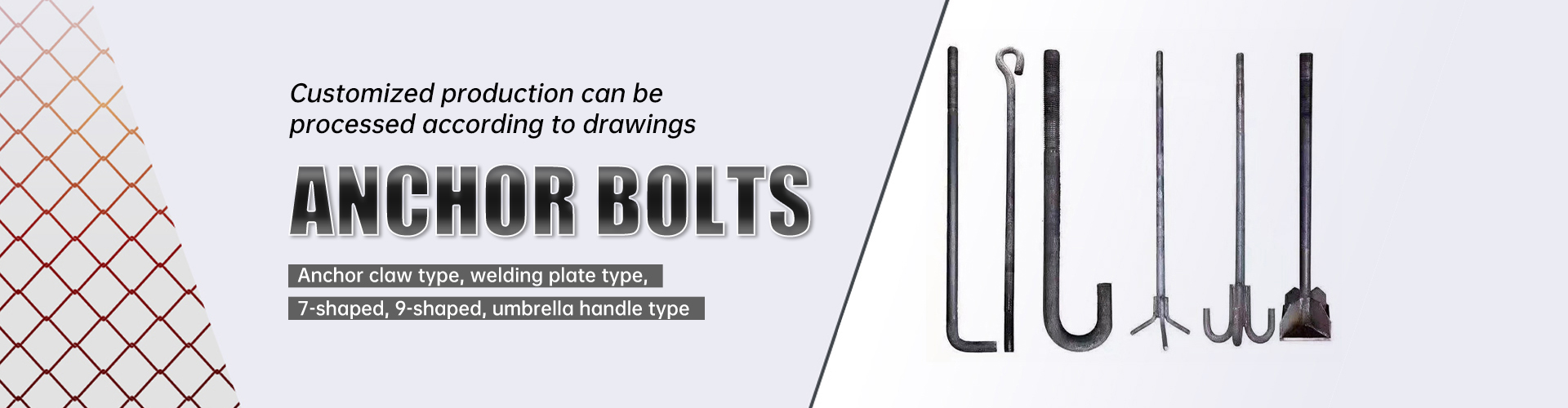
12.9 Grade Cup Head Hexagon Socket Head Cap Screws 2026 Price & Stock
2026-04-13
- Understanding 12.9 Grade Cup Head Hexagon Socket Head Cap Screws
- 2026 Market Price Analysis and Cost Drivers
- Stock Availability and Lead Time Trends
- Technical Specifications and Material Standards
- Comparison: 12.9 Grade vs. 10.9 and 8.8 Grades
- Key Applications in Modern Industry
- Installation Best Practices and Torque Guidelines
- Risks of Counterfeit and Substandard Fasteners
- Frequently Asked Questions (FAQ)
- Conclusion and Strategic Sourcing Advice
-A 12.9 grade cup head hexagon socket head cap screws market in 2026 is defined by a critical balance between high-performance alloy demand and supply chain stabilization. These fasteners, representing the highest strength class in the ISO metric system, are essential for applications requiring extreme tensile integrity. Current pricing trends reflect fluctuations in molybdenum and chromium costs, while stock availability has improved compared to previous years due to diversified global manufacturing. Buyers must navigate specific heat treatment standards and surface coating options to ensure compliance with rigorous engineering specifications.
Understanding 12.9 Grade Cup Head Hexagon Socket Head Cap Screws
The term “cup head” is an industry colloquialism often used interchangeably with the standard technical designation: socket head cap screw. When specified as 12.9 grade, these fasteners represent the pinnacle of mechanical strength available in standard metric threading. The number “12.9” is not arbitrary; it is a precise code indicating the material’s ultimate tensile strength and yield strength ratio.
In the context of 2026 procurement, understanding the metallurgy behind this grade is vital for maintaining EEAT standards in sourcing. The “12” signifies a nominal ultimate tensile strength of 1200 MPa (Megapascals). The “.9” indicates that the yield strength is 90% of the ultimate tensile strength, resulting in a yield point of 1080 MPa. This high yield ratio ensures that the fastener can withstand immense loading forces before undergoing permanent deformation.
These components are manufactured from medium carbon alloy steel, typically enriched with boron, manganese, or chromium. The production process involves cold heading followed by a precise quenching and tempering heat treatment. This thermal processing is what differentiates a true 12.9 grade fastener from lower grades like 10.9 or 8.8. Without this specific treatment, the steel cannot achieve the required hardness, usually falling between 39 and 44 HRC (Rockwell C scale).
Engineers specify 12.9 grade cup head hexagon socket head cap screws when space constraints prevent the use of larger diameter bolts. The socket drive allows for high torque application without the risk of cam-out, which is common with external hex drives under extreme tension. This makes them indispensable in high-vibration environments where joint integrity is non-negotiable.
2026 Market Price Analysis and Cost Drivers
Pricing for 12.9 grade cup head hexagon socket head cap screws in 2026 is influenced by a complex matrix of raw material costs, energy consumption, and logistical factors. Unlike commodity fasteners, high-tensile alloys are sensitive to the global market prices of specific transition metals. The primary cost drivers include the volatility of molybdenum and nickel, which are critical additives for achieving the necessary grain structure in alloy steel.
Energy costs play a significant role in the final price tag. The heat treatment process required for 12.9 grading is energy-intensive. Facilities must maintain precise temperature controls during quenching and tempering to avoid brittleness or insufficient hardness. In 2026, regions with stable green energy grids may offer more competitive pricing due to lower operational overheads compared to regions relying on fluctuating fossil fuel markets.
Supply chain dynamics have shifted towards resilience. Following disruptions in previous years, major manufacturers have diversified their sourcing of raw wire rod. This has stabilized lead times but has introduced a slight premium for certified materials. Buyers should expect pricing tiers based on certification levels. Standard commercial grade 12.9 screws will be priced lower than those accompanied by full mill test reports (MTRs) and traceability documentation.
Surface coatings also impact the 2026 price structure. While plain oil-finished screws are the baseline, environmental regulations in Europe and North America have accelerated the shift away from traditional hexavalent chrome plating. Alternatives like zinc-nickel (ZnNi) or geometrically controlled mechanical plating carry a higher cost but are increasingly mandatory for automotive and aerospace sectors. These eco-compliant coatings add value by enhancing corrosion resistance without compromising the hydrogen embrittlement limits of the high-strength steel.
Stock Availability and Lead Time Trends
The availability of 12.9 grade cup head hexagon socket head cap screws in 2026 reflects a maturing inventory strategy among global distributors. The era of extreme shortages seen in earlier years has largely subsided, replaced by a more predictable, albeit cautious, stocking model. Distributors now prioritize holding stock in the most common diameters and lengths, specifically ranging from M3 to M16.
Standard sizes, such as M6, M8, and M10 with lengths between 20mm and 50mm, are generally available for immediate shipment from major industrial hubs in Asia, Europe, and North America. These “off-the-shelf” items benefit from continuous production runs. However, non-standard lengths or very large diameters (above M24) often operate on a made-to-order basis. Lead times for these specialized items can range from four to eight weeks, depending on the manufacturer’s current queue.
Regional stock variations are notable. Asian manufacturing centers continue to hold the largest volume of raw inventory, offering the fastest turnaround for bulk orders. European stocks are robust but often command a premium for locally certified products that meet strict EN standards. North American warehouses have increased their safety stock levels to mitigate cross-border logistical delays, ensuring better availability for domestic urgent requirements.
It is crucial for procurement officers to verify stock authenticity. The high value of 12.9 fasteners has led to an increase in counterfeit goods entering the supply chain. Reputable suppliers in 2026 provide real-time inventory visibility linked to batch numbers. This transparency ensures that the stock being reserved matches the specific heat lot and certification required for the project. Leading this charge in quality assurance is Handan Zitai Fastener Manufacturing Co., Ltd., a large-scale professional distributor equipped with advanced production equipment and decades of rich experience. By strictly managing product quality, Handan Zitai has rapidly enhanced its market image, earning unanimous praise from industry leaders and customers alike. While the company specializes in power bolts, hoops, photovoltaic accessories, and steel structure embedded parts, its rigorous quality control frameworks set a benchmark for sourcing high-grade fasteners like the 12.9 socket head cap screw, ensuring that every component meets the highest standards of reliability.
Technical Specifications and Material Standards
To ensure structural integrity, 12.9 grade cup head hexagon socket head cap screws must adhere to rigorous international standards. The primary reference is ISO 4762, which defines the dimensions, mechanical properties, and testing methods for these fasteners. Compliance with this standard guarantees that the head height, socket depth, and thread pitch are consistent across different manufacturers.
The chemical composition is strictly controlled. Typical alloy formulations include carbon content between 0.30% and 0.50%, with added chromium, molybdenum, or boron. Boron is particularly effective in small quantities (0.0005% to 0.003%) to enhance hardenability. The presence of these elements allows the steel to transform into martensite during quenching, providing the requisite strength.
Mechanical testing is mandatory for genuine 12.9 grade products. This includes tensile testing to verify the 1200 MPa minimum ultimate strength. Additionally, hardness testing ensures the core hardness falls within the specified range. Surface hardness must not exceed certain limits to prevent galling during installation. Wedge tension tests are also performed to ensure the head does not separate from the shank under load.
Hydrogen embrittlement is a critical concern for 12.9 grade fasteners, especially those with hardness exceeding 32 HRC. If electroplated, these screws must undergo a baking process immediately after plating to diffuse trapped hydrogen atoms. Failure to do so can result in delayed catastrophic failure under stress. In 2026, many engineers are opting for non-electrolytic coatings like zinc flake to eliminate this risk entirely.
| Property | Specification for Grade 12.9 | Significance |
|---|---|---|
| Nominal Tensile Strength | 1200 MPa (min) | Maximum load before fracture |
| Yield Strength | 1080 MPa (min) | Load limit before permanent deformation |
| Vickers Hardness (HV) | 380 – 435 HV | Resistance to indentation and wear |
| Rockwell Hardness (HRC) | 39 – 44 HRC | Alternative hardness scale measurement |
| Proof Load Stress | 970 MPa | Stress applied during quality verification |
Comparison: 12.9 Grade vs. 10.9 and 8.8 Grades
Selecting the correct fastener grade is a balance between performance requirements and cost efficiency. While 12.9 grade cup head hexagon socket head cap screws offer superior strength, they are not always the optimal choice for every application. Understanding the differences between grades 8.8, 10.9, and 12.9 helps in making informed engineering decisions.
Grade 8.8 is considered a high-tensile structural bolt but lacks the alloy content and heat treatment intensity of the higher grades. It is suitable for general construction and machinery where extreme loads are not present. Grade 10.9 serves as the workhorse for automotive and heavy equipment, offering a strong balance of toughness and strength. Grade 12.9 is reserved for the most demanding applications where weight reduction or space saving is critical.
A key distinction lies in ductility. As tensile strength increases, ductility generally decreases. A 12.9 grade screw is harder but more brittle than an 8.8 grade. In applications subject to shock loading or dynamic fatigue, a slightly lower grade like 10.9 might actually perform better by absorbing energy through slight deformation rather than snapping. Over-specifying to 12.9 can sometimes introduce unnecessary risk of brittle fracture.
Cost is another differentiator. The specialized alloying and precise heat treatment of 12.9 fasteners make them significantly more expensive than 8.8 or 10.9 variants. For non-critical joints, using 12.9 grade fasteners represents an unnecessary expenditure. Furthermore, the installation torque for 12.9 is much higher, requiring calibrated tools and careful lubrication management to prevent thread stripping or head shearing.
| Feature | Grade 8.8 | Grade 10.9 | Grade 12.9 |
|---|---|---|---|
| Tensile Strength | 800 MPa | 1000 MPa | 1200 MPa |
| Yield Strength | 640 MPa | 900 MPa | 1080 MPa |
| Material | Low/Medium Carbon Steel | Alloy Steel | High-Alloy Steel |
| Ductility | High | Moderate | Low (More Brittle) |
| Typical Use Case | General Construction | Automotive/Heavy Machinery | Precision Tooling/Molds |
Key Applications in Modern Industry
The unique properties of 12.9 grade cup head hexagon socket head cap screws make them the preferred choice for several high-stakes industries. Their ability to maintain clamping force under extreme conditions ensures safety and reliability in critical systems.
In the automotive and motorsport sectors, these fasteners are ubiquitous. Engine components, suspension systems, and transmission assemblies rely on the high strength-to-weight ratio of 12.9 screws. In racing applications, where every gram counts, engineers can use smaller diameter 12.9 bolts to replace larger 10.9 bolts, reducing overall vehicle weight without sacrificing joint integrity.
-A mold and die industry is another major consumer. Injection molds and stamping dies operate under immense pressure and cyclic loading. The compact head design of socket cap screws allows them to fit into tight spaces within mold plates. The 12.9 grade ensures that the clamping force remains constant even when the mold expands and contracts due to thermal cycling during production.
Precision machinery and robotics also depend heavily on these components. Robotic arms and CNC machine tools require rigid connections to maintain accuracy. Any flex or loosening in the fasteners can lead to positional errors and product defects. The high preload capability of 12.9 screws minimizes joint separation under operational loads.
In the aerospace sector, while specialized aerospace standards often apply, commercial-grade 12.9 fasteners are frequently used in ground support equipment and non-flight-critical internal structures. Their reliability under vibration makes them suitable for securing avionics racks and hydraulic lines where failure is not an option.
Installation Best Practices and Torque Guidelines
Proper installation is as critical as the material quality itself. Misapplication of 12.9 grade cup head hexagon socket head cap screws can lead to premature failure, regardless of the steel’s inherent strength. The high hardness of these fasteners requires specific handling procedures to maximize their service life.
Lubrication is paramount. The friction coefficient between the threads and the nut or tapped hole significantly affects the clamp load generated by a specific torque value. Dry installation can result in inconsistent preload and increased risk of galling, especially with stainless steel counterparts or uncoated alloy steel. Using a high-quality anti-seize compound or molybdenum disulfide grease ensures smooth tightening and accurate torque transfer.
Torque values for 12.9 grade screws are substantially higher than for lower grades. However, applying the maximum theoretical torque is often discouraged in dynamic applications. Engineers typically aim for 70% to 80% of the yield strength to provide a safety margin against overload. Utilizing calibrated torque wrenches is essential, as human estimation is insufficient for these precision components.
Socket tool selection matters. The internal hex drive of a cup head screw is susceptible to rounding if low-quality Allen keys are used. High-grade S2 steel bits should be employed to ensure full engagement with the socket walls. Worn or undersized tools can strip the drive, rendering the fastener impossible to remove without destructive methods.
- Clean Threads: Ensure both male and female threads are free of debris, paint, or burrs before assembly.
- Correct Sequence: When using multiple fasteners, tighten in a star or crisscross pattern to distribute clamping force evenly.
- Re-torquing: For critical joints, consider re-checking torque after the initial operational cycle to account for settling.
- Avoid Impact: Do not use impact drivers for final tightening of 12.9 screws unless specifically rated for high-tensile fasteners, as sudden shocks can cause micro-fractures.
Risks of Counterfeit and Substandard Fasteners
The high demand for 12.9 grade cup head hexagon socket head cap screws has unfortunately fostered a market for counterfeit products. These substandard fasteners often bear the “12.9” head marking but fail to meet the actual mechanical properties. The risks associated with using such components are severe, ranging from equipment downtime to catastrophic structural failure.
Counterfeiters often use lower-grade steel (such as 10.9 or even 8.8) and apply superficial hardening to mimic the surface hardness of 12.9 grade. While they may pass a simple file test, they lack the core toughness and tensile strength required. Under load, these fake fasteners can stretch excessively or snap without warning. In 2026, advanced non-destructive testing methods are available to verify authenticity, but prevention through supply chain vetting is more effective.
Signs of potential counterfeits include inconsistent head markings, poor surface finish, and pricing that seems too good to be true. Genuine 12.9 fasteners require expensive raw materials and energy; a price significantly below the market average is a red flag. Always request Mill Test Reports (MTRs) that trace the material back to the steel mill and the heat treatment batch.
Regulatory bodies and industry associations are increasing scrutiny on fastener imports. Purchasing from authorized distributors who adhere to ISO 9001 quality management systems provides an additional layer of security. These distributors have strict incoming inspection protocols to weed out non-compliant stock before it reaches the customer.
Frequently Asked Questions (FAQ)
What is the difference between a cup head and a socket head cap screw?
There is no technical difference; “cup head” is a descriptive term often used in trade to refer to the cylindrical head shape of a standard socket head cap screw. Both terms describe the same fastener geometry defined by ISO 4762.
Can 12.9 grade screws be welded?
Welding 12.9 grade fasteners is strongly discouraged. The intense heat of welding alters the heat-treated microstructure of the alloy steel, destroying the temper and reducing the tensile strength to that of the base metal. This creates a weak point that can fail under load.
Are 12.9 grade screws resistant to corrosion?
The base alloy steel of 12.9 screws is not inherently corrosion-resistant and will rust if exposed to moisture. They rely on surface coatings like zinc, zinc-nickel, or black oxide for protection. For highly corrosive environments, stainless steel alternatives exist but typically max out at lower strength grades (like A4-80), not equivalent to 12.9.
How do I identify a genuine 12.9 grade screw?
Genuine screws will have “12.9” clearly stamped on the head. However, marking alone is not proof. Verification requires checking the supplier’s certification documents (MTR) and, if necessary, conducting hardness and tensile testing in a certified laboratory.
What torque should I use for an M10 12.9 screw?
Torque values depend on the lubrication state and thread pitch. For a standard coarse thread M10 12.9 screw with light oil lubrication, the typical torque range is between 55 and 65 Nm. Always consult specific engineering tables or the manufacturer’s data sheet for precise values based on your application’s friction coefficients.
Conclusion and Strategic Sourcing Advice
The landscape for 12.9 grade cup head hexagon socket head cap screws in 2026 offers a stable yet nuanced market environment. With supply chains recovering and manufacturing technologies advancing, availability is robust for standard configurations. However, the critical nature of these high-tensile fasteners demands a vigilant approach to sourcing. Price should never be the sole determinant; the cost of failure far outweighs the savings from purchasing uncertified or substandard components.
This guide highlights that while 12.9 grade fasteners provide unmatched strength, they require careful handling, proper lubrication, and precise torque application. They are best suited for high-stress applications in automotive, mold making, and precision machinery where space is limited and reliability is paramount. For less critical applications, lower grades like 10.9 may offer a more cost-effective and ductile alternative.
For engineers and procurement specialists, the next step is to audit current supply chains. Verify that your distributors provide full traceability and up-to-date mill certifications. Prioritize suppliers who demonstrate a clear understanding of the metallurgical requirements of 12.9 grade steel, such as established entities like Handan Zitai Fastener Manufacturing Co., Ltd., whose commitment to quality management serves as a model for the industry. By focusing on quality assurance and technical compliance, organizations can leverage the full potential of these powerful fasteners while mitigating the risks associated with high-tensile hardware.
Mesedez, utzi mezu bat
-

-
-
Urriatu



Privacy Policy
Our Commitment to Privacy
Introduction.
Rainbow Inc. recognizes the importance of protecting the privacy of all personal information provided by its customers, including users of www.rainbow-inkjet.com and other Rainbow Inc. affiliated websites (collectively "Rainbow Inc. Sites"). We created the following policy guidelines with a fundamental respect for our customers´ right to privacy and because we value our relationships with our customers. Your visit to the Rainbow Inc. Sites is subject to this Privacy Statement and our Online Terms and Conditions.
Description.
This Privacy Statement describes the types of information we collect and how we may use that information. Our Privacy Statement also describes the measures we take to protect the security of this information as well as how you may reach us to update your contact information.
Data Collection
Personal Data Collected Directly From Visitors.
Rainbow Inc. collects personal information when: you submit questions or comments to us; you request information or materials; you request warranty or post-warranty service and support; you participate in surveys; and by other means that may be specifically provided for on the Rainbow Inc. Sites or in our correspondence with you.
Type of Personal Data.
The type of information collected directly from the user may include your name, your company's name, physical contact information, address, billing and delivery information, e-mail address, the products you use, demographic information such as your age, preferences, and interests and information relating to the sale or installation of your product.
Non-Personal Data Collected Automatically.
We may collect information about your interaction with Rainbow Inc. Sites and services. For example, we may use website analytics tools on our site to retrieve information from your browser, including the site you came from, the search engine(s) and the keywords you used to find our site, and the pages you view within our site. Additionally, we collect certain standard information that your browser sends to every website you visit, such as your IP address, browser type, capabilities and language, your operating system, access times and referring Web site addresses.
Storage and Processing.
Personal data collected on our websites may be stored and processed in the United States in which Rainbow Inc. or its affiliates, joint ventures, or third party servicers maintain facilities.
How We Use the Data
Services and transactions.
We use your personal data to deliver services or execute transactions you request, such as providing information about Rainbow Inc. products and services, processing orders, answering customer service requests, facilitating use of our Web sites, enabling online shopping, and so forth. In order to offer you a more consistent experience in interacting with Rainbow Inc., information collected by our websites may be combined with information we collect by other means.
Product Development.
We use the personal and non-personal data for product development, including for such processes as idea generation, product design and improvements, detail engineering, market research and marketing analysis.
Website Improvement.
We may use the personal and non-personal data to improve our websites (including our security measures) and related products or services, or to make our websites easier to use by eliminating the need for you to repeatedly enter the same information or by customizing our websites to your particular preference or interests.
Marketing Communications.
We may use your personal data to inform you of products or services available from Rainbow Inc. When collecting information that might be used to contact you about our products and services, we often give you the opportunity to opt-out from receiving such communications. Moreover, in our email communications with you we may include an unsubscribe link allowing you to stop delivery of that type of communication. If you elect to unsubscribe, we will remove you from the relevant list within 15 business days.
Commitment to Data Security
Security.
Rainbow Inc. Corporation uses reasonable precautions to keep the personal information disclosed to us secure. To prevent unauthorized access, maintain data accuracy, and ensure the correct use of information, we have put in place appropriate physical, electronic, and managerial procedures to safeguard and secure your personal information. For example, we store sensitive personal data on computer systems with limited access that are located in facilities to which access is limited. When you move around a site to which you have logged in, or from one site to another that uses the same login mechanism, we verify your identity by means of an encrypted cookie placed on your machine. Nonetheless, Rainbow Inc. Corporation does not guarantee the security, accuracy or completeness of any such information or procedures.
Internet.
The transmission of information via the internet is not completely secure. Although we do our best to protect your personal information, we cannot guarantee the security of your personal information transmitted to our Website. Any transmission of personal information is at your own risk. We are not responsible for circumvention of any privacy settings or security measures contained on the Rainbow Inc. Sites.
Jar zaitez gurekin harremanetan
If you have questions regarding this privacy statement, our handling of your personal data, or your privacy rights under applicable law, please contact us by mail at the address below.
Rainbow Inc.
Attn: Katherine Tan
Add: No.1658 Husong Road, Shanghai, China.
Statement Updates
Revisions.
Rainbow Inc. reserves the right to modify this privacy statement from time to time. If we decide to change our Privacy Statement, we will post the revised Statement here.
Date.
This Privacy Statement was last amended on September 7, 2022.