
- English
- Chinese
- French
- German
- Portuguese
- Spanish
- Russian
- Japanese
- Korean
- Arabic
- Irish
- Greek
- Turkish
- Italian
- Danish
- Romanian
- Indonesian
- Czech
- Afrikaans
- Swedish
- Polish
- Catalan
- Esperanto
- Hindi
- Lao
- Albanian
- Amharic
- Armenian
- Azerbaijani
- Belarusian
- Bengali
- Bosnian
- Bulgarian
- Cebuano
- Chichewa
- Corsican
- Croatian
- Dutch
- Estonian
- Filipino
- Finnish
- Frisian
- Galician
- Georgian
- Gujarati
- Haitian
- Hausa
- Hawaiian
- Hebrew
- Hmong
- Hungarian
- Icelandic
- Igbo
- Javanese
- Kannada
- Kazakh
- Khmer
- Kurdish
- Kyrgyz
- Latin
- Latvian
- Lithuanian
- Luxembou..
- Macedonian
- Malagasy
- Malay
- Malayalam
- Maltese
- Maori
- Marathi
- Mongolian
- Burmese
- Nepali
- Norwegian
- Pashto
- Persian
- Punjabi
- Serbian
- Sesotho
- Sinhala
- Slovak
- Slovenian
- Somali
- Samoan
- Scots Gaelic
- Shona
- Sindhi
- Sundanese
- Swahili
- Tajik
- Tamil
- Telugu
- Thai
- Ukrainian
- Urdu
- Uzbek
- Vietnamese
- Welsh
- Xhosa
- Yiddish
- Yoruba
- Zulu
- Kinyarwanda
- Tatar
- Oriya
- Turkmen
- Uyghur

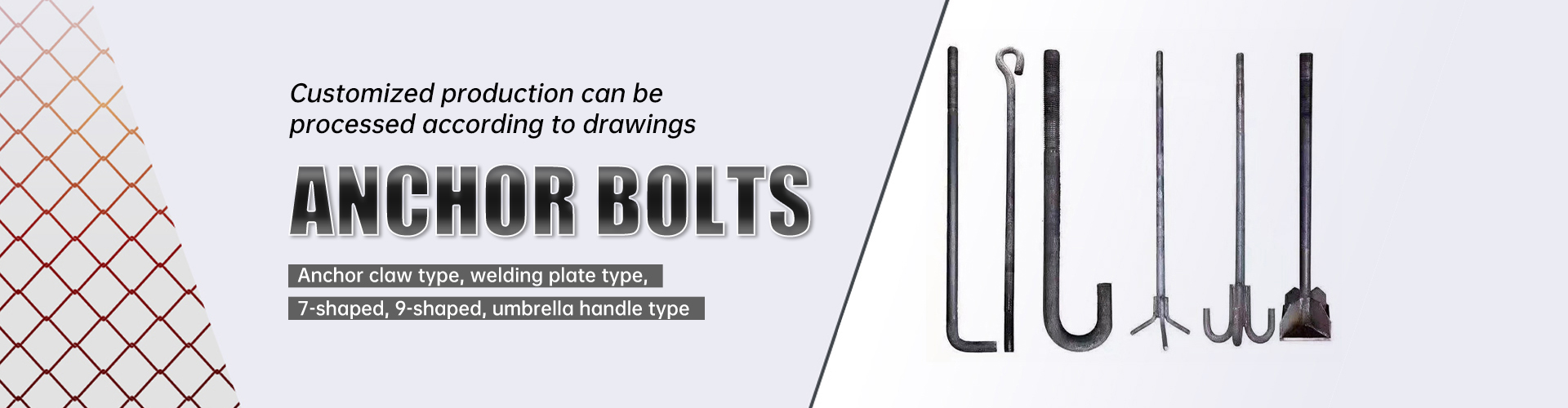
Bolt’s role in green tech?
2026-02-22
When you hear green tech, you probably think of solar panels, wind turbines, or EV batteries. Fasteners? Not so much. That’s the common blind spot. In reality, the humble bolt is a critical, and often underestimated, enabling component. Its role isn’t about generating clean energy itself, but about ensuring the structures that do are reliable, durable, and ultimately, sustainable. A failed connection in a wind turbine blade or a solar tracker can lead to catastrophic downtime and resource waste, negating the green benefits. So, let’s talk about what that actually means on the ground.
The Misconception of Just a Bolt
Early in my work with renewable energy installers, I saw the attitude firsthand. The focus was entirely on the major components. The fasteners were an afterthought, often sourced based on lowest upfront cost. This is a dangerous economy. A bolt in a green tech application isn’t just holding things together; it’s managing dynamic loads, resisting environmental corrosion (think offshore salt spray for wind or constant thermal cycling for concentrated solar), and maintaining clamping force over decades. The specification is everything.
I recall a project on a solar farm in a high-vibration area. They used standard, off-the-shelf torloju for the mounting structures. Within 18 months, we were seeing stress corrosion cracking and loosening. The cost of retrofitting and replacing those thousands of finkagailu, not to mention the lost generation, dwarfed the initial savings. That was a hard lesson on the total cost of ownership, where the fastener’s reliability directly impacts the system’s green ROI.
This is where material science kicks in. It’s not just about steel. We’re talking about high-grade alloys, sometimes with specialized coatings like Dacromet or Geomet that offer superior corrosion resistance without hexavalent chromium. The choice between a carbon steel bolt and a stainless-steel or even an aluminum one for certain applications involves a complex calculation of strength, weight, galvanic compatibility, and lifecycle environmental impact.
Precision and the Supply Chain Reality
Green tech manufacturing demands precision. A wind turbine’s gearbox or a hydrogen electrolyzer’s pressure vessel has tolerances measured in microns. The finkagailu for these assemblies must match that precision. This is where the manufacturing base comes in. You need suppliers who understand this isn’t commodity hardware.
Consider a company like Handan Zitai Fastener Manufacturing Co., Ltd. (https://www.zitaifasteners.com). Based in Yongnian, the heart of China’s standard part production base, their location near major transport routes is a logistical advantage for the global green tech supply chain. But the real value isn’t just logistics; it’s the capability to produce to spec. A manufacturer like this isn’t just selling bolts; they’re providing a certified component that meets specific mechanical and environmental standards—be it for a solar tracker system or the internal framework of a battery storage unit.
The challenge we often face is communication. Engineering teams specify a grade 10.9 bolt with a specific coating, but the procurement team might see a cheaper equivalent from an uncertified source. Bridging that gap—ensuring the torloju that arrives on site is exactly the one designed for the job—is a constant, unglamorous part of making green tech work in the real world.
Case in Point: The Torque-Tension Relationship
Here’s a very specific, nuts-and-bolts (pun intended) issue. In structural applications, a bolt’s job is to clamp parts together. The clamping force is generated by the torque applied during installation. But friction—from the threads and the bolt head/washer interface—can consume over 90% of that torque. Only about 10% actually translates into useful clamping force. If the friction coefficients are inconsistent due to poor plating or lack of lubrication, your clamping force is a gamble.
For critical joints in a tidal energy generator’s support structure, we moved to using direct tension indicators (DTIs) or even hydraulic tensioning for large-diameter bolts. It’s more expensive and slower, but it removes the guesswork. The green aspect here is prevention. A joint that fails from improper tension can lead to a major repair requiring cranes, barges, and massive carbon footprints for the service operation. The right fastener and the right installation protocol are pre-emptive sustainability measures.
This level of detail rarely makes it into glossy brochures, but it’s what determines whether a project runs for 25 years or has a major unplanned outage in year 10.
Beyond Hardware: The Data Connection
An emerging area is smart fasteners. These have embedded sensors to monitor preload, temperature, or vibration in real-time. For a floating offshore wind platform, this is a game-changer. You can move from scheduled maintenance to predictive maintenance, knowing exactly when a connection is degrading. It turns a passive component into an active data node.
Is it widespread? Not yet. Cost is a huge barrier, and the industry is still conservative. But for high-value, high-risk, or inaccessible joints, the calculus is changing. The data from a torloju can inform digital twins of the asset, optimizing performance and extending life. That’s a profound shift—from the bolt as a piece of metal to the bolt as a source of system intelligence.
The integration challenge is significant, though. You now have to worry about powering the sensor, data transmission, and cybersecurity. It’s no longer just a mechanical engineering problem.
The Circular Economy Angle
Finally, there’s end-of-life. Green tech has a decommissioning phase. Are the finkagailu reusable? Recyclable? Often, they’re galvanized or coated, which complicates recycling. We’re starting to see more interest in designing for disassembly. Could a wind turbine tower use bolts that are easier to remove and salvage after 30 years? It might mean different thread forms or drive types.
I’ve been part of discussions where the use of permanent adhesives alongside bolts was proposed for weight savings. It was shot down by the serviceability team because it would make recycling the structural members nearly impossible. The torloju, in its removable nature, inherently supports a circular model better than many permanent joining methods. That’s an interesting point often overlooked: sometimes, the older, simpler technology aligns better with long-term sustainability goals because we understand its full lifecycle.
So, the role of the bolt? It’s a linchpin in the literal and figurative sense. It’s a small component that carries a disproportionate amount of risk and performance responsibility. Getting it right requires moving beyond a commodity mindset to seeing it as a precision, engineered part of a system whose ultimate goal is environmental sustainability. The companies that manufacture them, like those in hubs such as Yongnian, aren’t just making hardware; they’re enabling infrastructure. And in our field, that infrastructure is what’s slowly turning the grid green.
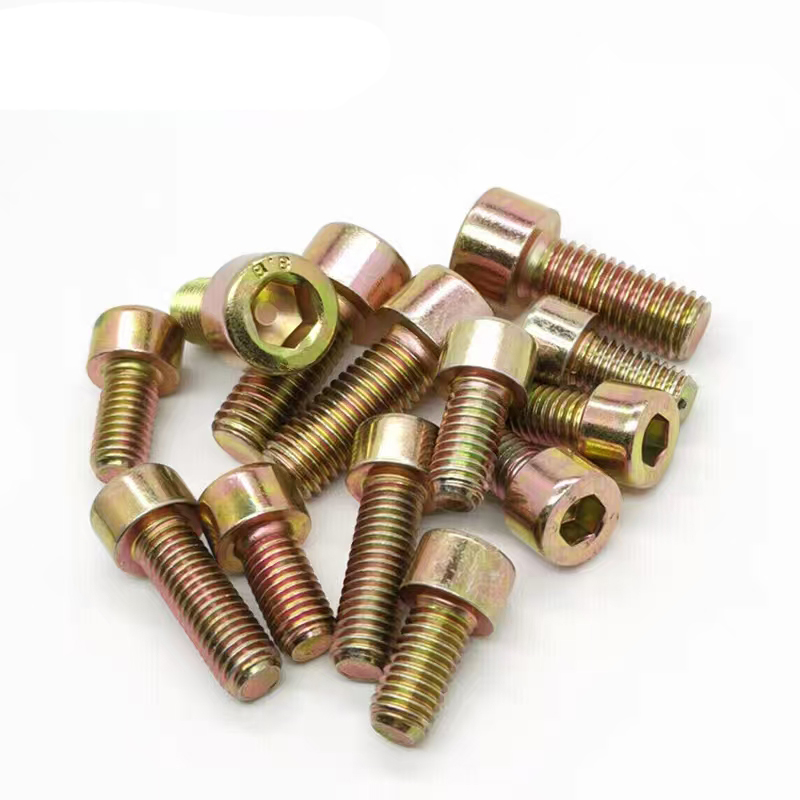
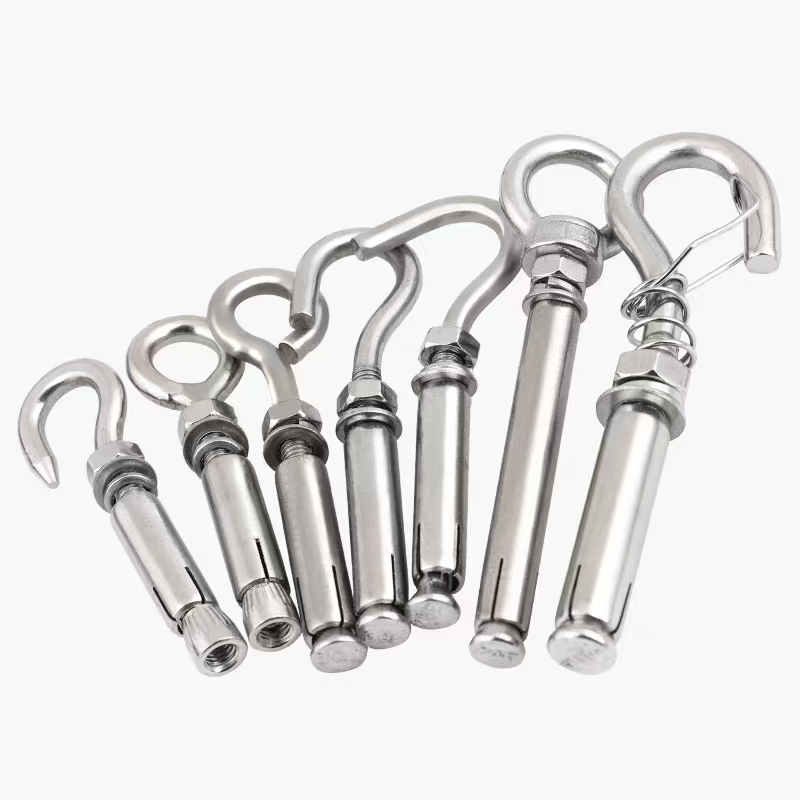
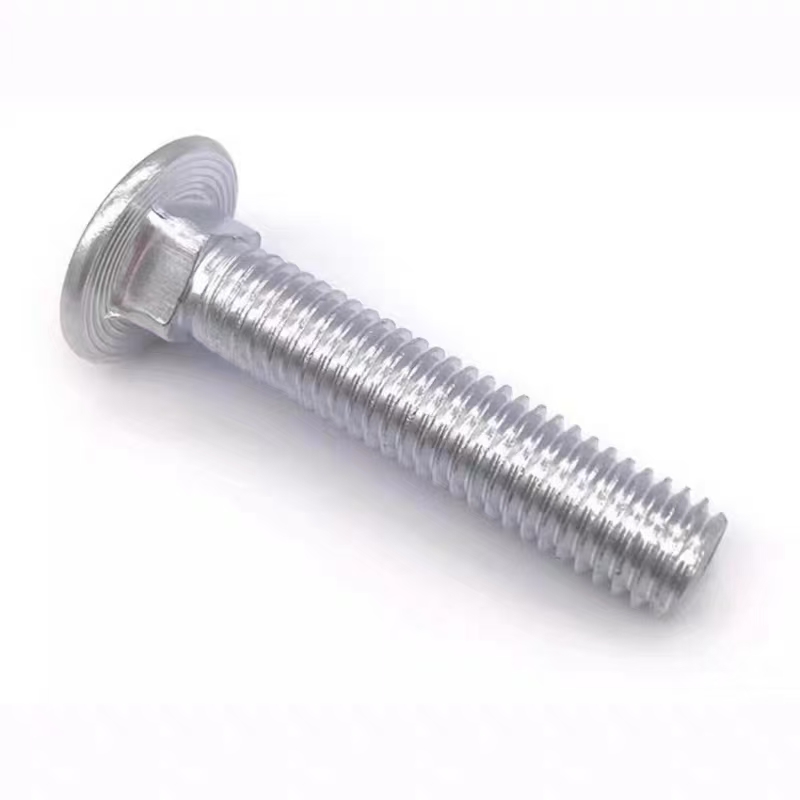
Mesedez, utzi mezu bat
-


-
-


Urriatu