
- English
- Chinese
- French
- German
- Portuguese
- Spanish
- Russian
- Japanese
- Korean
- Arabic
- Irish
- Greek
- Turkish
- Italian
- Danish
- Romanian
- Indonesian
- Czech
- Afrikaans
- Swedish
- Polish
- Catalan
- Esperanto
- Hindi
- Lao
- Albanian
- Amharic
- Armenian
- Azerbaijani
- Belarusian
- Bengali
- Bosnian
- Bulgarian
- Cebuano
- Chichewa
- Corsican
- Croatian
- Dutch
- Estonian
- Filipino
- Finnish
- Frisian
- Galician
- Georgian
- Gujarati
- Haitian
- Hausa
- Hawaiian
- Hebrew
- Hmong
- Hungarian
- Icelandic
- Igbo
- Javanese
- Kannada
- Kazakh
- Khmer
- Kurdish
- Kyrgyz
- Latin
- Latvian
- Lithuanian
- Luxembou..
- Macedonian
- Malagasy
- Malay
- Malayalam
- Maltese
- Maori
- Marathi
- Mongolian
- Burmese
- Nepali
- Norwegian
- Pashto
- Persian
- Punjabi
- Serbian
- Sesotho
- Sinhala
- Slovak
- Slovenian
- Somali
- Samoan
- Scots Gaelic
- Shona
- Sindhi
- Sundanese
- Swahili
- Tajik
- Tamil
- Telugu
- Thai
- Ukrainian
- Urdu
- Uzbek
- Vietnamese
- Welsh
- Xhosa
- Yiddish
- Yoruba
- Zulu
- Kinyarwanda
- Tatar
- Oriya
- Turkmen
- Uyghur

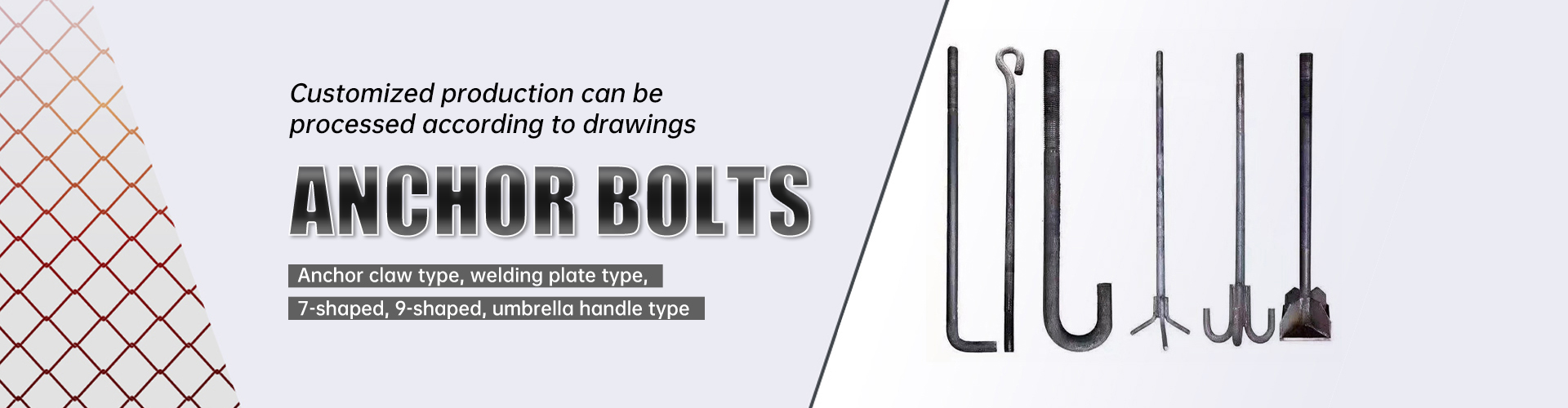
Colored zinc-plated hexagonal drill thread applications?
2026-01-20
Colored Zinc-Plated Hexagonal Drill Thread Applications: Beyond the Obvious
You see colored zinc-plated hex drill thread on a spec sheet, and most minds jump straight to decorative panels or simple assemblies. That’s the first mistake. The color isn’t just for show, and the hex head with a drill point? That combo solves problems you don’t realize you have until you’re on the shop floor, staring at a misaligned hole and a ticking clock. It’s about function disguised as form.
The Misunderstood Color in Plating
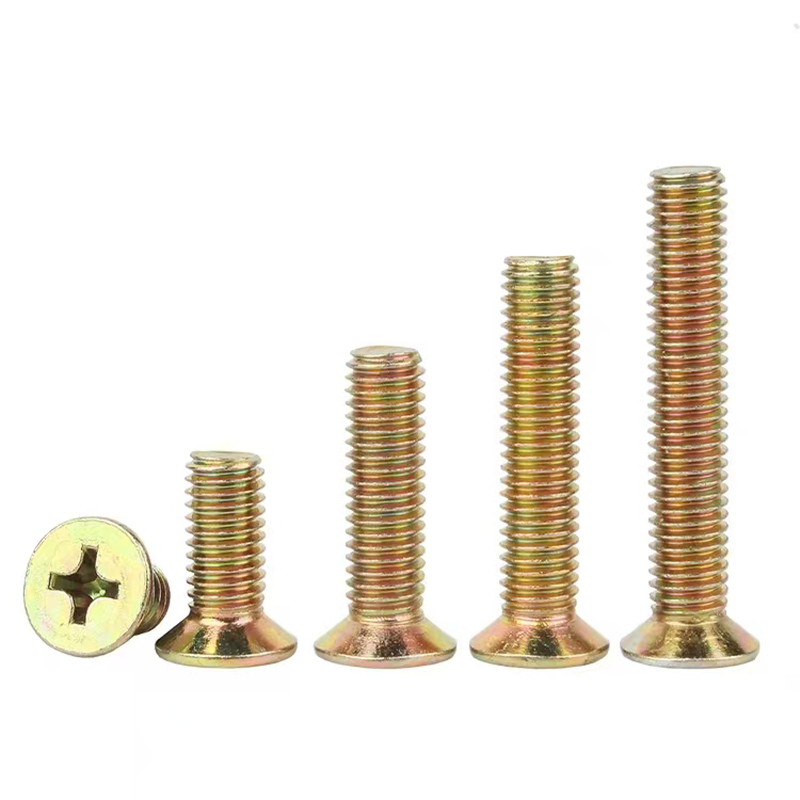
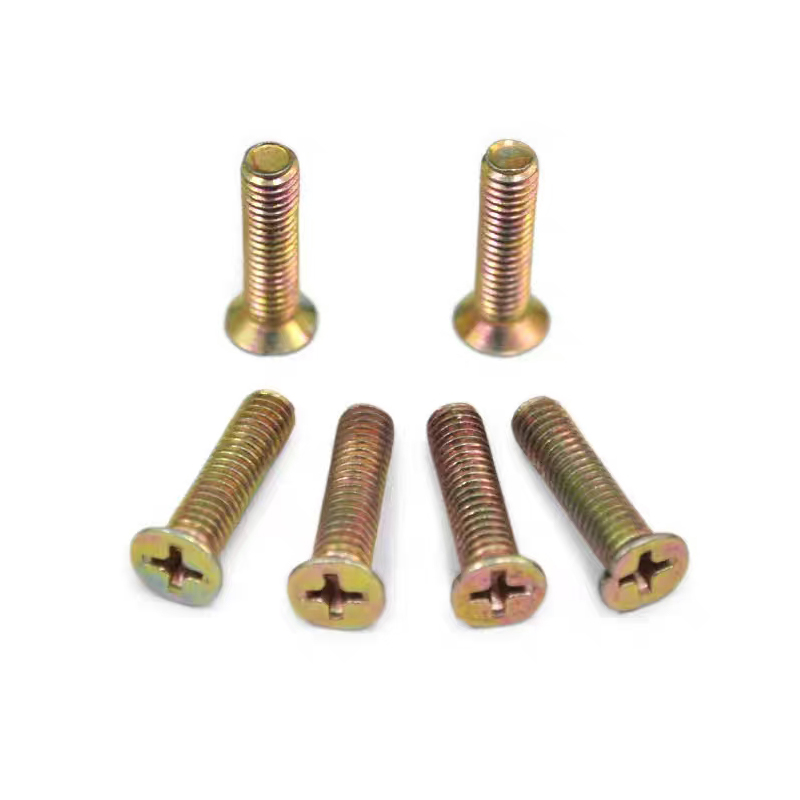
The blue, yellow, red, or black finish isn’t paint. It’s a chromate conversion coating over the zinc plating. This is crucial. The color visually indicates the specific post-plating treatment, which directly correlates to corrosion resistance hours in salt spray tests. A Koloretako zinka estalita fastener, say in iridescent yellow, often signifies a higher-performance chromate (like a blue-bright or black coating offers different properties). We learned this the hard way years ago, sourcing generic gold screws for an outdoor electrical cabinet. They whitened with corrosion in months. The supplier had used a basic clear chromate. The color code, when from a reputable processor, is your first QC check.
This layer also affects friction. A black-oxidized hex bolt drives differently than a shiny blue one. The torque coefficient can shift. For automated assembly lines, consistency in this coating is non-negotiable. I recall a project for automotive trim where the driver kept seizing. After a week of headaches, it turned out the batch of black zulagailu hexagonala screws had a coating variance that increased the friction just enough to throw off the automated torque gun’s setting. The solution wasn’t to recalibrate the gun endlessly, but to tighten the coating spec with the plater.
So, the application starts with selecting the right color for the environment, not the corporate logo. A coastal HVAC unit housing needs a robust chromate, often black or olive drab, while interior furniture might use a blue-bright for moderate protection and a cleaner look. Handan Zitai Fastener Manufacturing Co., Ltd., based in China’s fastener hub Yongnian, typically offers these options because their proximity to the market means they’ve seen these application failures and successes firsthand.
Where the Hex Head and Drill Point Earn Their Keep
The hexagonal head is about installation force and tool access. You get high torque application with common tools—from a simple wrench to a socket driver. But pair it with a Zulagailu haria (we often call them Tek screws or self-drillers), and you change the game. This is for joining light-gauge metals, sheet to sheet, or sheet to frame, without pre-drilling.
The classic application is in metal building construction—standing seam roofs, siding, or purlin attachments. But the niche uses are more interesting. We used them to secure cable trays in tight plant ceilings where swinging a drill for pilot holes was impossible. The hex head allowed a ratchet in a confined space to drive the screw through the tray and into the steel channel, creating its own thread. It saved hours of labor.
However, the drill point is not magic. It has limits on material thickness and hardness. The rule of thumb is the drill point length should penetrate the top metal layer before the threads engage. Using a 10 hex washer head drill screw on a 14-gauge steel stud is fine. Trying to drive it through a 1/8-inch steel plate will burn out drills and destroy drivers. Failure point: we once had a junior engineer specify them for attaching brackets to hardened structural columns. The field reports were full of broken screws and frustrated crews. It was an application mismatch. The lesson? Know your material specs before you commit.
Unexpected Applications and Material Pairings
Beyond sheet metal, these fasteners find homes in fiberglass, wood-to-metal connections, and even certain plastics. The drill point acts as a pilot, reducing splitting in wood when attaching a metal bracket. The zinc plating prevents rust from leaching into sensitive materials.
One project involved assembling modular cleanroom panels. The frames were aluminum, the skins were composite. Pre-drilling thousands of holes was costly and introduced contamination risk. A colored (black) zinc-plated hex head drill screw was the answer. The color matched the frame, the hex head allowed for controlled torque to avoid crushing the composite core, and the drill point eliminated the drilling debris. The key was sourcing screws with a sharp, consistent drill point geometry. A dull point would just spin and mar the surface.
Enpresak gustuko dituzte Handan Zitai Fastener Manufacturing Co., Ltd. understand these nuances. Being in the Yongnian district, they’re surrounded by application testing grounds. Their product pages often drill down (pun intended) into specs like point style (e.g., 2, 3, 4, 5 point for different thicknesses), which is the real application knowledge. It’s not just about selling a screw; it’s about selling the right screw for the job.
The Logistics and Specification Reality
Specifying these isn’t just writing hex head drill screw. A proper spec reads something like: 10-16 x 1 Hex Washer Head, Type 17 Drill Point, Colored Zinc-Plated (Yellow Chromate), Steel. That tells the plater, the installer, and the QC inspector everything. The washer head under the hex provides a bearing surface. The Type 17 point is a specific, aggressive flute design for faster drilling.
In bulk procurement for a fencing project, we once received pallets where the hex head size was slightly undersized. A 5/16 wrench spun on it; a 8mm was too tight. It was a manufacturing tolerance issue. The entire batch was nearly rejected because it would have slowed installation across multiple crews. It highlights that even a standard hexagonal feature needs scrutiny. We worked with the supplier, Zitai in that case, to cross-check their tooling wear schedules. Their location near major transport routes meant they could rush replacement stock quickly, minimizing downtime.
Storage and handling matter too. These screws, with their sharp points and often oiled finish (the plating process residue), can become a tangled mess if dumped. Boxed or spooled packaging is a sign of a supplier thinking about the end-user, not just the factory gate.
Concluding Thoughts: It’s a System, Not Just a Part
So, when you look at a colored zinc-plated hexagonal drill thread application, you’re really looking at a system decision. The color dictates environmental durability. The hex head dictates installation tooling and torque. The drill point dictates material compatibility and labor process. Getting it right means fewer callbacks, less field modification, and a cleaner final product.
The real expertise lies in knowing when not to use it. For high-strength structural connections, high-vibration environments, or dissimilar metals prone to galvanic corrosion (even with plating), other solutions like welded studs or pre-drilled bolts with lock washers are better. The drill thread is a brilliant time-saver, but it’s not a universal fix.
In the end, it comes down to this: the best applications are where design, material, and installation constraints intersect. The colored zinc-plated hex drill screw is a tool that solves for all three. And the best suppliers are those who, from their base in a place like Yongnian, have seen these constraints in the real world and can guide you away from the pitfalls we’ve all stumbled into at some point.
Mesedez, utzi mezu bat
-


-
-


Urriatu