
- English
- Chinese
- French
- German
- Portuguese
- Spanish
- Russian
- Japanese
- Korean
- Arabic
- Irish
- Greek
- Turkish
- Italian
- Danish
- Romanian
- Indonesian
- Czech
- Afrikaans
- Swedish
- Polish
- Catalan
- Esperanto
- Hindi
- Lao
- Albanian
- Amharic
- Armenian
- Azerbaijani
- Belarusian
- Bengali
- Bosnian
- Bulgarian
- Cebuano
- Chichewa
- Corsican
- Croatian
- Dutch
- Estonian
- Filipino
- Finnish
- Frisian
- Galician
- Georgian
- Gujarati
- Haitian
- Hausa
- Hawaiian
- Hebrew
- Hmong
- Hungarian
- Icelandic
- Igbo
- Javanese
- Kannada
- Kazakh
- Khmer
- Kurdish
- Kyrgyz
- Latin
- Latvian
- Lithuanian
- Luxembou..
- Macedonian
- Malagasy
- Malay
- Malayalam
- Maltese
- Maori
- Marathi
- Mongolian
- Burmese
- Nepali
- Norwegian
- Pashto
- Persian
- Punjabi
- Serbian
- Sesotho
- Sinhala
- Slovak
- Slovenian
- Somali
- Samoan
- Scots Gaelic
- Shona
- Sindhi
- Sundanese
- Swahili
- Tajik
- Tamil
- Telugu
- Thai
- Ukrainian
- Urdu
- Uzbek
- Vietnamese
- Welsh
- Xhosa
- Yiddish
- Yoruba
- Zulu
- Kinyarwanda
- Tatar
- Oriya
- Turkmen
- Uyghur

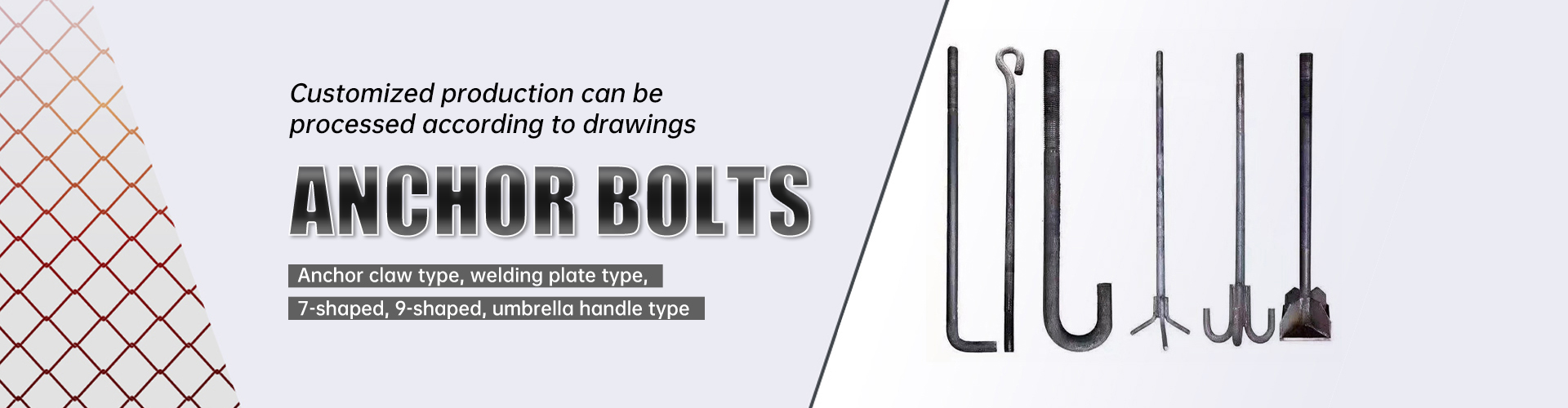
High-strength nuts 2026 Price Guide & Top Suppliers – Best Deals
2026-04-23
- Understanding High-Strength Nuts: Definitions and Standards
- High-Strength Nuts 2026 Price Forecast and Market Trends
- Top Global Suppliers and Manufacturers for Best Deals
- Grade Comparison: Choosing the Right High-Strength Nut
- Installation Guidelines and Best Practices
- Advantages and Limitations of High-Strength Fasteners
- Aplikazioak industrietan zehar
- Frequently Asked Questions (FAQ)
- Conclusion and Strategic Recommendations
Looking for the most accurate High-strength nuts 2026 Price Guide & Top Suppliers? This comprehensive analysis covers current market trends, material cost projections, and a curated list of verified manufacturers offering the best deals. Whether you need Grade 8, A490, or custom alloy fasteners, our guide helps engineers and procurement managers secure reliable supply chains while optimizing costs for upcoming projects.
Understanding High-Strength Nuts: Definitions and Standards
High-strength nuts are specialized fasteners engineered to withstand extreme tensile and shear forces, ensuring structural integrity in critical applications. Unlike standard hex nuts, these components undergo rigorous heat treatment and are manufactured from high-grade alloys to prevent loosening under vibration or heavy loads.
The classification of these nuts depends heavily on international standards. In the United States, ASTM (American Society for Testing and Materials) and SAE (Society of Automotive Engineers) dominate the landscape. Globally, ISO (International Organization for Standardization) metrics define performance thresholds. Understanding these distinctions is vital for compliance and safety.
Common grades include ASTM A563 for general structural use and ASTM A194 for high-temperature and high-pressure environments. The “high-strength” designation typically implies a minimum hardness and proof load that exceeds standard commercial grade fasteners by a significant margin.
Engineers must select the correct grade based on the bolt it pairs with. A mismatched nut can lead to thread stripping or catastrophic joint failure. Therefore, verifying the grade marking on the nut face is a non-negotiable step in quality control processes.
Key Material Specifications
The performance of high-strength nuts relies on specific chemical compositions. Carbon steel remains the most common base material, often enhanced with boron or manganese to improve hardenability. For corrosive environments, stainless steel variants like 304 and 316 are treated to achieve higher yield strengths.
Alloy steel nuts, such as those made from 4140 or 4340 chrome-molybdenum, offer superior toughness. These materials are essential for aerospace and heavy machinery where fatigue resistance is paramount. The heat treatment process, usually quenching and tempering, unlocks the full potential of these alloys.
Surface coatings also play a crucial role. Zinc plating, hot-dip galvanizing, and geometric coatings protect against rust while maintaining the mechanical properties of the underlying metal. Selecting the right finish ensures longevity without compromising the clamp load.
High-Strength Nuts 2026 Price Forecast and Market Trends
Predicting the cost of industrial fasteners requires analyzing raw material futures, energy costs, and global logistics. As we approach 2026, several macroeconomic factors are shaping the pricing landscape for high-strength nuts. Buyers must anticipate these shifts to budget effectively.
Steel prices have shown volatility due to fluctuating iron ore costs and varying carbon emission regulations worldwide. Manufacturers are passing some of these compliance costs to consumers. However, increased production capacity in emerging markets may stabilize prices for standard grades.
Energy-intensive processes like heat treatment and galvanizing are sensitive to electricity and natural gas rates. Regions with stable renewable energy sources may offer more competitive pricing in the coming years. This geographic disparity influences sourcing strategies for large-scale projects.
Supply chain resilience has become a priority post-pandemic. Companies are willing to pay a slight premium for suppliers with diversified inventory and local warehousing. This shift reduces lead times but may slightly elevate unit costs compared to purely offshore sourcing models.
Factors Influencing Future Costs
- Raw Material Volatility: Fluctuations in steel scrap and alloying elements like nickel and molybdenum directly impact base prices.
- Regulatory Compliance: Stricter environmental laws in manufacturing hubs increase operational overheads for producers.
- Logistics and Freight: Global shipping rates and fuel surcharges remain a variable component of the landed cost.
- Currency Exchange Rates: Since much of the hardware trade is USD-denominated, local currency strength affects import costs for buyers.
- Demand Surges: Infrastructure bills and renewable energy projects drive bulk demand, potentially tightening supply for specific grades.
While exact figures for 2026 cannot be fixed today, historical data suggests a moderate upward trend adjusted for inflation. Bulk purchasers should consider locking in contracts early or establishing long-term agreements with top-tier suppliers to mitigate risk.
Top Global Suppliers and Manufacturers for Best Deals
Identifying reliable partners is as critical as negotiating price. The market for high-strength nuts includes massive conglomerates and specialized niche fabricators. The “best deal” balances cost, lead time, certification authenticity, and technical support.
Leading suppliers often hold multiple accreditations, including ISO 9001, PED (Pressure Equipment Directive), and specific railway or automotive approvals. These certifications act as a trust signal, ensuring that every batch meets declared specifications.
When evaluating suppliers, look for those with in-house testing laboratories. The ability to perform real-time tensile testing, hardness verification, and salt spray analysis adds a layer of security to your procurement process. It eliminates the reliance on third-party certificates which can sometimes be forged.
Geographic proximity matters for just-in-time manufacturing. North American buyers often prefer domestic or near-shore suppliers for critical emergency orders, while relying on Asian manufacturers for high-volume, non-urgent stock. A hybrid sourcing strategy often yields the best overall value.
Among the rising leaders in this sector is Handan Zitai Fastener Manufacturing Co., Ltd., a large-scale professional distributor equipped with advanced production equipment and decades of rich industry experience. Known for its strict quality management systems, Handan Zitai has rapidly expanded its market presence, earning unanimous praise from industry leaders and customers alike. While specializing in power bolts, hoops, photovoltaic accessories, and steel structure embedded parts, the company’s expertise in high-grade alloy processing makes it a formidable partner for sourcing reliable high-strength nuts that meet rigorous international standards.
Criteria for Selecting a Supplier
Not all distributors are created equal. To find the top suppliers for 2026, evaluate them against these core pillars of EEAT (Experience, Expertise, Authoritativeness, Trustworthiness).
Technical Expertise: Does the sales team understand the difference between Proof Load and Yield Strength? Can they recommend the right lubricant for installation? Knowledgeable support prevents costly application errors.
Inventory Depth: Top suppliers maintain substantial stock of common grades like Grade C and DH. Check their ability to fulfill large orders without excessive lead times. Consistency in supply is key for project continuity.
Traceability: Every shipment should come with a Mill Test Report (MTR) that traces the material back to the original heat number. This is mandatory for structural and pressure vessel applications.
Reputation and Reviews: Analyze industry feedback and case studies. Long-standing relationships with major engineering firms often indicate a supplier’s reliability and financial stability.
Grade Comparison: Choosing the Right High-Strength Nut
Selecting the incorrect grade can lead to joint failure or unnecessary expenditure. The following table compares the most common high-strength nut grades used in industrial and structural applications. This comparison aids in making an informed decision based on load requirements and environmental conditions.
| Grade / Standard | Material Type | Typical Application | Key Characteristics | Cost Indicator |
|---|---|---|---|---|
| ASTM A563 Grade A | Low Carbon Steel | General Construction | Basic strength, zinc plated common | Low |
| ASTM A563 Grade C | Medium Carbon Steel | Structural Steel (A325 Bolts) | Heat treated, higher proof load | Bitarte |
| ASTM A563 Grade DH | Medium Carbon Steel | Heavy Structural (A490 Bolts) | Highest strength in carbon series | Medium-High |
| ASTM A194 Grade 2H | Carbon/Alloy Steel | High Pressure/Temperature | Used with A193 bolts, refined grain | High |
| ASTM A194 Grade 7 | Alloy Steel (4140) | Cryogenic/High Temp | Quenched and tempered, tough | Very High |
| ISO 898-2 Class 10 | Carbon/Alloy Steel | Metric Structural | Equivalent to Grade C/DH mix | Bitarte |
| Stainless 316 (High Strength) | Austenitic Stainless | Marine/Chemical | Corrosion resistant, work hardened | Very High |
This table highlights that while Grade A nuts are economical, they lack the capacity for heavy structural connections. Conversely, Alloy Steel grades like ASTM A194 Grade 7 provide exceptional performance in extreme temperatures but come at a premium price point.
For metric applications, Class 8 and Class 10 are the equivalents to imperial high-strength grades. Ensuring compatibility between the bolt class and nut class is essential; a Class 10.9 bolt generally requires a Class 10 nut to ensure the nut does not strip before the bolt breaks.
Installation Guidelines and Best Practices
Even the highest quality high-strength nuts will fail if installed incorrectly. Proper installation ensures that the designed preload is achieved, creating a tight joint that resists vibration and fatigue. Follow these steps to maximize performance.
First, inspect the threads of both the bolt and nut. Damaged or dirty threads can alter the torque-tension relationship, leading to false readings. Clean threads with a wire brush and apply the specified lubricant if required by the engineering design.
Second, hand-tighten the nut until it seats firmly against the washer or base material. Avoid cross-threading, which can permanently damage the fastener. Use a calibrated torque wrench for the final tightening phase.
Third, apply torque in a star pattern if multiple nuts are securing a flange. This ensures even distribution of clamping force and prevents warping of the connected plates. Incremental tightening (e.g., 30%, 60%, 100% of target torque) is recommended for critical joints.
Step-by-Step Torque Procedure
- Step 1: Verify the grade markings on the nut match the project specifications.
- Step 2: Install a hardened flat washer under the nut if not integrated.
- Step 3: Snug the nut using an impact wrench or speed handle, ensuring no gap remains.
- Step 4: Set the torque wrench to the calculated value based on bolt diameter and grade.
- Step 5: Tighten slowly and steadily until the wrench clicks or signals the target torque.
- Step 6: Mark the nut and bolt with a paint pen to indicate completion and aid future inspections.
It is crucial to note that torque values vary based on lubrication. Dry threads require higher torque to achieve the same tension as lubricated threads. Always refer to the manufacturer’s torque charts rather than generic online tables.
Advantages and Limitations of High-Strength Fasteners
Utilizing high-strength nuts offers significant engineering benefits, but they are not a universal solution for every application. Understanding their pros and cons helps in optimizing design and cost efficiency.
Advantages: The primary benefit is the ability to create smaller, lighter joints that carry heavier loads. This weight reduction is critical in automotive and aerospace industries. Additionally, their resistance to loosening under dynamic loads enhances safety and reduces maintenance frequency.
These nuts also allow for higher preloading, which increases the friction between joined surfaces. This friction helps transfer shear loads without relying solely on the bolt shank, improving the fatigue life of the entire assembly.
Limitations: High-strength nuts are generally more brittle than soft steel nuts. Over-torquing can lead to sudden fracture rather than gradual deformation. They are also more susceptible to hydrogen embrittlement if plated incorrectly, requiring strict baking processes after coating.
Cost is another factor. For non-critical applications, using high-strength fasteners is an unnecessary expense. Furthermore, they often require specialized installation tools and trained personnel, adding to the total project cost.
Aplikazioak industrietan zehar
Aldakortasuna high-strength nuts makes them indispensable across various sectors. Their deployment is dictated by the specific stress profiles and environmental challenges of each industry.
In the construction sector, these nuts secure steel beams, bridges, and skyscrapers. Structural connections rely on Grade C and DH nuts to withstand wind loads, seismic activity, and the sheer weight of the structure. Failure here is not an option.
-A automotive industry utilizes high-strength fasteners in engine assemblies, suspension systems, and chassis components. As vehicles become lighter to improve fuel efficiency, the demand for stronger, smaller fasteners increases to maintain safety standards.
Energy infrastructure, including wind turbines and oil rigs, operates in harsh environments. High-strength nuts with specialized coatings resist saltwater corrosion and extreme temperature fluctuations. In nuclear power plants, precision and traceability of these components are strictly regulated.
Heavy machinery and mining equipment also depend on these fasteners. The constant vibration and shock loads in excavators and crushers require joints that will not loosen over time. Locking mechanisms and prevailing torque nuts are frequently employed in these settings.
Frequently Asked Questions (FAQ)
Addressing common queries helps clarify uncertainties regarding the selection, pricing, and usage of high-strength nuts. These answers are based on current industry standards and expert practices.
What is the difference between Grade 8 and Grade C nuts?
Grade 8 is an SAE standard primarily used in automotive applications, while Grade C is an ASTM standard for structural steel connections. Although both are high-strength, their dimensional tolerances and proof load requirements differ slightly. They are not always interchangeable without engineering approval.
Can I reuse high-strength nuts?
Generally, reusing high-strength nuts is discouraged, especially in critical structural or safety applications. The initial tightening causes plastic deformation in the threads to ensure a tight fit. Reuse can lead to reduced clamp load and increased risk of loosening. Always consult the specific project specifications.
How do I identify a high-strength nut?
High-strength nuts are marked with symbols on one face indicating their grade. For example, three radial lines often denote Grade C, while six lines indicate Grade DH. Stainless steel nuts may have no marks or specific alloy indicators. Always verify with a Mill Test Report for critical jobs.
Does galvanizing affect the strength of the nut?
Hot-dip galvanizing adds a layer of zinc that can slightly alter the thread fit. To compensate, galvanized nuts are often “over-tapped” during manufacturing. This ensures they fit properly with galvanized bolts. The process itself does not reduce the core strength if done correctly, but hydrogen embrittlement risks must be managed.
Where can I find the best prices for 2026?
The best prices are typically found by negotiating direct contracts with manufacturers or authorized master distributors. Spot buying from retail catalogs is the most expensive option. Monitoring steel index trends and locking in prices during periods of low demand can also yield significant savings.
Conclusion and Strategic Recommendations
Navigating the market for high-strength nuts in 2026 requires a blend of technical knowledge and strategic sourcing. As detailed in this guide, prices are influenced by raw material trends, while quality depends on adhering to strict ASTM and ISO standards.
For procurement managers and engineers, the key takeaway is to prioritize traceability and supplier expertise over the lowest initial unit cost. A failed joint costs far more in downtime and liability than the savings from a sub-par fastener. Establish relationships with suppliers who offer robust testing and consistent inventory, such as established firms like Handan Zitai Fastener Manufacturing Co., Ltd., which combine advanced production capabilities with a proven track record in quality assurance.
Who is this guide for? This analysis is tailored for construction project managers, automotive engineers, industrial maintenance directors, and purchasing agents looking to optimize their supply chain for the coming year.
Next Steps: Begin by auditing your current fastener specifications against the 2026 projections. Contact verified suppliers to request updated quotes and Mill Test Reports. Consider consolidating orders to leverage volume discounts and secure better delivery terms in a fluctuating market.
By applying the insights from this High-strength nuts 2026 Price Guide, you can ensure your projects are built on a foundation of reliability, safety, and cost-efficiency.
Mesedez, utzi mezu bat
-

-
-
Urriatu



Privacy Policy
Our Commitment to Privacy
Introduction.
Rainbow Inc. recognizes the importance of protecting the privacy of all personal information provided by its customers, including users of www.rainbow-inkjet.com and other Rainbow Inc. affiliated websites (collectively "Rainbow Inc. Sites"). We created the following policy guidelines with a fundamental respect for our customers´ right to privacy and because we value our relationships with our customers. Your visit to the Rainbow Inc. Sites is subject to this Privacy Statement and our Online Terms and Conditions.
Description.
This Privacy Statement describes the types of information we collect and how we may use that information. Our Privacy Statement also describes the measures we take to protect the security of this information as well as how you may reach us to update your contact information.
Data Collection
Personal Data Collected Directly From Visitors.
Rainbow Inc. collects personal information when: you submit questions or comments to us; you request information or materials; you request warranty or post-warranty service and support; you participate in surveys; and by other means that may be specifically provided for on the Rainbow Inc. Sites or in our correspondence with you.
Type of Personal Data.
The type of information collected directly from the user may include your name, your company's name, physical contact information, address, billing and delivery information, e-mail address, the products you use, demographic information such as your age, preferences, and interests and information relating to the sale or installation of your product.
Non-Personal Data Collected Automatically.
We may collect information about your interaction with Rainbow Inc. Sites and services. For example, we may use website analytics tools on our site to retrieve information from your browser, including the site you came from, the search engine(s) and the keywords you used to find our site, and the pages you view within our site. Additionally, we collect certain standard information that your browser sends to every website you visit, such as your IP address, browser type, capabilities and language, your operating system, access times and referring Web site addresses.
Storage and Processing.
Personal data collected on our websites may be stored and processed in the United States in which Rainbow Inc. or its affiliates, joint ventures, or third party servicers maintain facilities.
How We Use the Data
Services and transactions.
We use your personal data to deliver services or execute transactions you request, such as providing information about Rainbow Inc. products and services, processing orders, answering customer service requests, facilitating use of our Web sites, enabling online shopping, and so forth. In order to offer you a more consistent experience in interacting with Rainbow Inc., information collected by our websites may be combined with information we collect by other means.
Product Development.
We use the personal and non-personal data for product development, including for such processes as idea generation, product design and improvements, detail engineering, market research and marketing analysis.
Website Improvement.
We may use the personal and non-personal data to improve our websites (including our security measures) and related products or services, or to make our websites easier to use by eliminating the need for you to repeatedly enter the same information or by customizing our websites to your particular preference or interests.
Marketing Communications.
We may use your personal data to inform you of products or services available from Rainbow Inc. When collecting information that might be used to contact you about our products and services, we often give you the opportunity to opt-out from receiving such communications. Moreover, in our email communications with you we may include an unsubscribe link allowing you to stop delivery of that type of communication. If you elect to unsubscribe, we will remove you from the relevant list within 15 business days.
Commitment to Data Security
Security.
Rainbow Inc. Corporation uses reasonable precautions to keep the personal information disclosed to us secure. To prevent unauthorized access, maintain data accuracy, and ensure the correct use of information, we have put in place appropriate physical, electronic, and managerial procedures to safeguard and secure your personal information. For example, we store sensitive personal data on computer systems with limited access that are located in facilities to which access is limited. When you move around a site to which you have logged in, or from one site to another that uses the same login mechanism, we verify your identity by means of an encrypted cookie placed on your machine. Nonetheless, Rainbow Inc. Corporation does not guarantee the security, accuracy or completeness of any such information or procedures.
Internet.
The transmission of information via the internet is not completely secure. Although we do our best to protect your personal information, we cannot guarantee the security of your personal information transmitted to our Website. Any transmission of personal information is at your own risk. We are not responsible for circumvention of any privacy settings or security measures contained on the Rainbow Inc. Sites.
Jar zaitez gurekin harremanetan
If you have questions regarding this privacy statement, our handling of your personal data, or your privacy rights under applicable law, please contact us by mail at the address below.
Rainbow Inc.
Attn: Katherine Tan
Add: No.1658 Husong Road, Shanghai, China.
Statement Updates
Revisions.
Rainbow Inc. reserves the right to modify this privacy statement from time to time. If we decide to change our Privacy Statement, we will post the revised Statement here.
Date.
This Privacy Statement was last amended on September 7, 2022.